Fort Myers AC Replacement: How to Decide Between Repair and New

Valor HVAC • May 9, 2026

Share this article

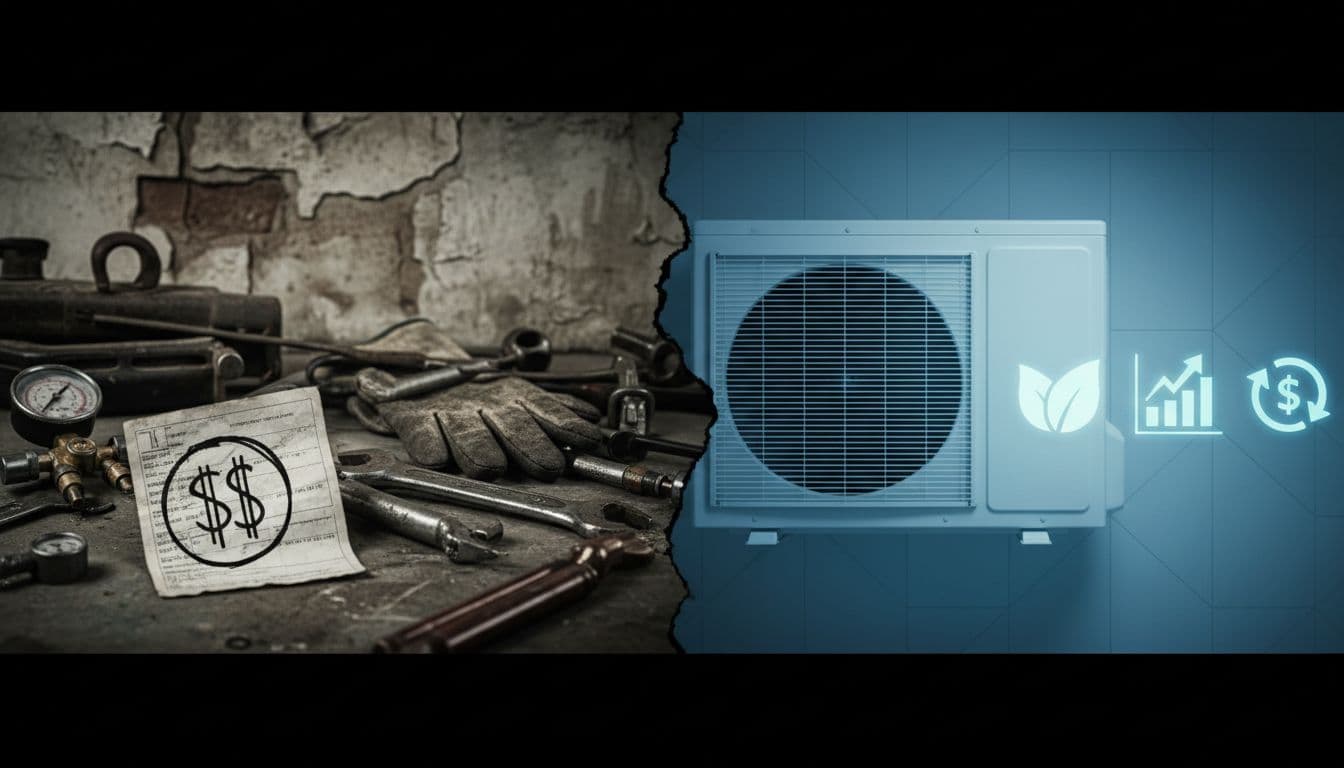
When your AC starts acting up in Fort Myers, the hard part is not spotting the problem. It's deciding whether a repair makes sense or whether the unit is already on borrowed time.

That choice gets tougher here than in many places. Long cooling seasons, high humidity, and coastal air wear systems down faster, so a cheap fix can turn into a long line of repairs.

The best answer usually comes down to age, cost, and comfort. Once you know what to look for, the choice gets a lot clearer.

Signs Your AC Is Wearing Out

A single breakdown does not mean your system is done. However, repeated problems usually tell a different story.

If your AC needs service more than once or twice in a season, pay attention. The same goes for a system that cools unevenly, runs longer than it used to, or leaves the air sticky.

Rising electric bills are another warning sign. If your habits have not changed, yet the bill keeps climbing, the unit may be losing efficiency.

Common red flags include:

  • Frequent breakdowns that keep coming back after each repair
  • Warm or weak airflow even when the thermostat is set lower
  • Humidity that stays indoors , especially on mild days
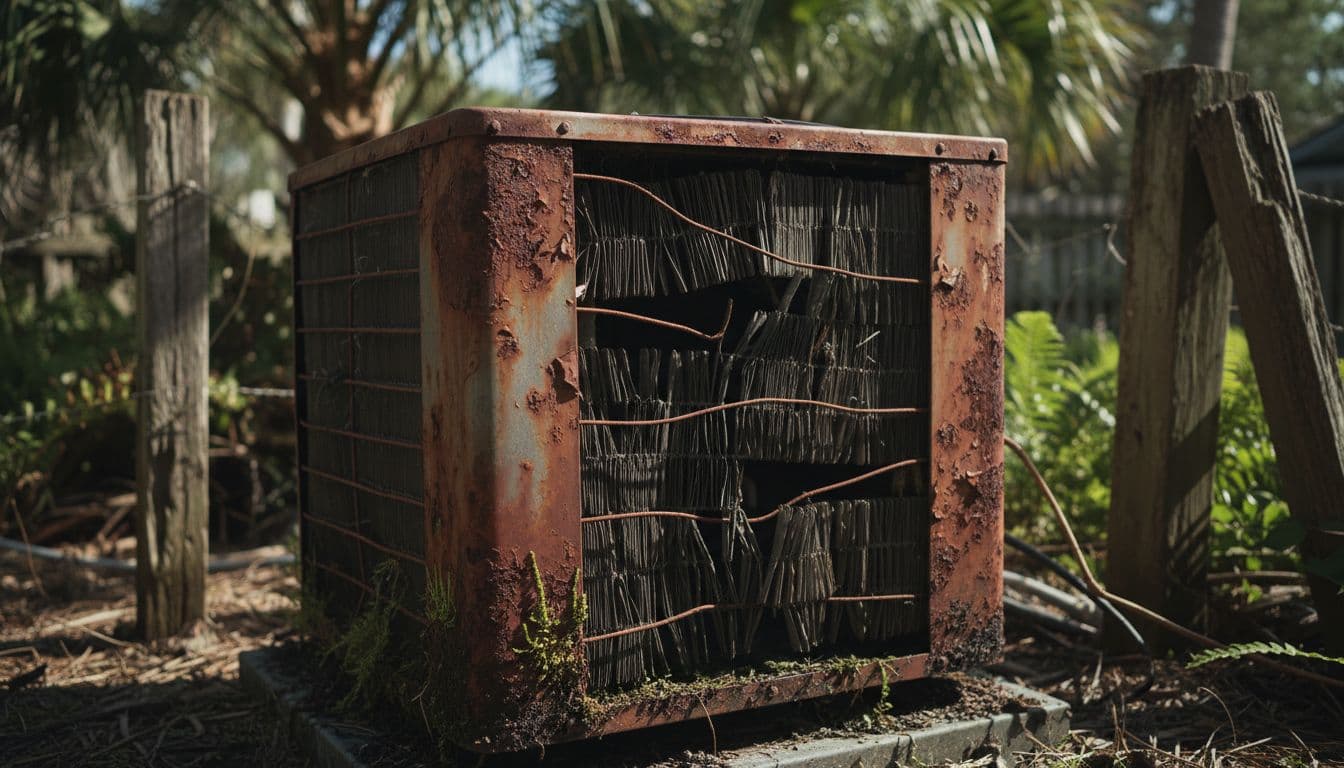
  • Rust, corrosion, or noisy operation around the outdoor unit

If your system is still fairly young, a repair may buy you more time. In that case, HVAC maintenance in Fort Myers can help catch small issues before they turn into bigger ones.

Age matters too. Once a unit reaches the 10 to 15-year range, every repair deserves a closer look. In Fort Myers, heat and salt air can shorten that timeline.

When a Repair Still Makes Sense

Repair is often the right move when the system is still in decent shape and the problem is isolated. A bad capacitor, clogged drain line, thermostat issue, or failing contactor can usually be fixed without replacing the whole unit.

That tends to be true when:

  • The system is under 10 years old.
  • It has been maintained regularly.
  • The repair is small compared with the cost of a new system.
  • The unit has not had repeated refrigerant or compressor trouble.

A newer AC with one failed part is not the same as an aging system with several weak spots. One is a bump in the road. The other is a pattern.

Repair also makes sense when you know the cause and it is not a chain reaction. For example, a dirty filter or blocked drain line can cause cooling trouble without meaning the whole system is failing.

A professional inspection helps here. A bad symptom can hide a simple fix, so a quick judgment call at the thermostat is rarely enough.

When Fort Myers AC Replacement Starts to Make More Sense

Some repairs look small on paper but make little sense on an older unit. If the compressor is failing, the evaporator coil is leaking, or the system keeps losing refrigerant, the repair bill can jump fast.

A compressor replacement alone can cost well into the four figures. The same is true for major coil repairs. Once you add labor and the chance of another issue soon after, the math changes.

A repair quote only tells part of the story. The age of the system and the next likely failure matter too.

Replacement starts to look smarter when the same unit keeps breaking down, the bills keep climbing, and comfort keeps slipping. That is especially true if the system is 10 to 15 years old or older .

For homes that are ready for a new unit, AC replacement Fort Myers is often the cleaner path. New systems also meet current efficiency standards, which matters in a place where the AC works hard for most of the year.

A replacement can also solve a practical problem: peace of mind. Nobody wants to wonder if the AC will quit during a hot, humid afternoon.

Why Fort Myers Weather Changes the Math

Fort Myers is not a mild-climate city. Your AC runs for a long stretch each year, and that constant use adds wear.

High humidity makes the system work harder because cooling and dehumidifying happen together. If the unit is tired, the house may still feel damp even when the temperature looks fine.

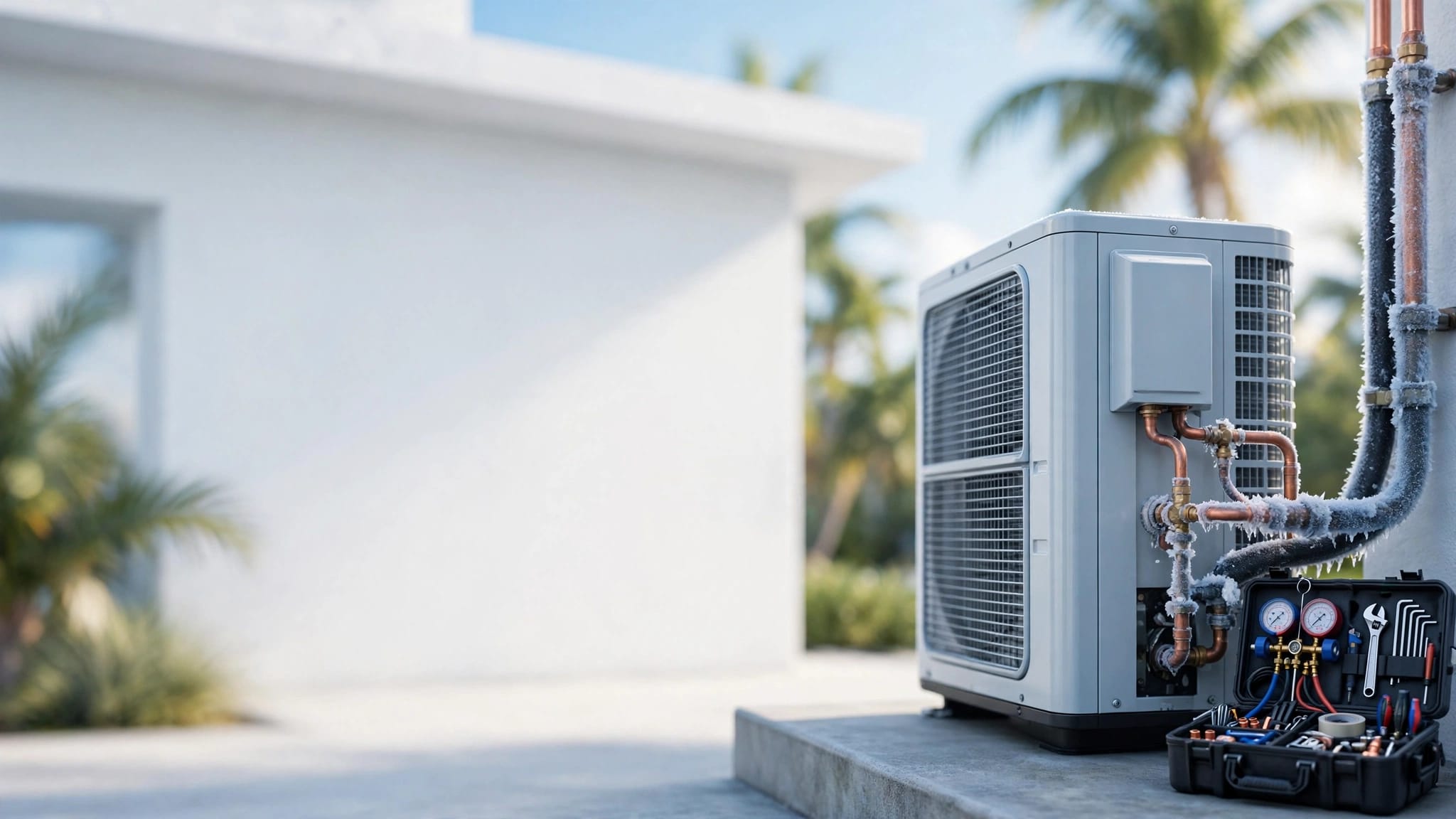
Coastal air adds another layer of strain. Salt and moisture can corrode coils, fins, and outdoor metal parts. Over time, that damage can lead to leaks, electrical issues, and weaker performance.

That is why a system that might last longer inland can wear out sooner here. A well-kept unit still has a better shot, but local conditions are not gentle.

Routine care helps slow that process down. Clean filters, coil cleaning, and drain checks matter more in Southwest Florida than many homeowners realize. They also keep you from replacing a system too early.

Fort Myers homeowners should also watch operating cost, not just repair cost. A unit that runs longer to reach the same temperature is using more power, even if it still cools the house.

Repair or Replace: A Quick Comparison

Here's a simple way to compare the two paths when the first estimate comes in.

Situation Repair often fits Replacement often fits
System is under 10 years old One part failed, and the rest of the unit is healthy Rarely, unless the repair is major
System is 10 to 15+ years old Small issue after regular maintenance Frequent breakdowns, rising bills, or weak cooling
Problem is a capacitor, contactor, or drain line Usually yes Not usually
Problem is the compressor or a repeated refrigerant leak Sometimes, if the system is newer Often yes
Home stays humid or uneven Maybe, if airflow is the real issue Often yes if the unit cannot keep up

The table is not a final verdict. It is a shortcut for the first pass.

If your system sits in the middle of the chart, the next step is to compare the current repair quote with the likely lifespan left in the unit. A repair that buys a year or two can be smart. A repair that buys only a few months is harder to justify.

What a Professional Inspection Should Confirm

A good diagnosis should do more than confirm that the AC is not cooling well. It should find out why.

A technician should check refrigerant levels, electrical parts, coil condition, airflow, and the drain line. They should also look at the age of the unit and the overall wear on the system.

That inspection matters because the loudest symptom is not always the real problem. A warm house can point to a bad compressor, but it can also come from airflow trouble or a control issue.

A clear inspection gives you three things:

  • A repair cost you can trust
  • A better sense of how long the unit may last
  • A real comparison between fixing and replacing

If you want a straight answer, Schedule an Estimate. That makes it easier to compare the numbers before the next breakdown hits.

It also helps to ask what replacement would look like if the repair does not make sense. A good technician should explain both paths in plain language, not push you into one decision.

Conclusion

Fort Myers AC replacement is usually the right call when an old system keeps breaking, drives up bills, or struggles to handle humidity. Repair still makes sense for newer units and small, isolated problems.

The best choice is the one that fits your home, your budget, and the real condition of the system. When the cooling season is long and the salt air never really lets up, that decision deserves a careful look.

Recent Posts

By Valor HVAC May 8, 2026
A struggling air conditioner usually gives you warnings before it quits. The trouble is that the earliest AC repair signs often look small, so they get ignored until the house feels sticky and warm. In Southwest Florida, that delay can be costly. Heat and humidity put extra st...
By Valor HVAC May 7, 2026
In Southwest Florida, your AC doesn't get much of a break. For most homes, the right pace is professional maintenance twice per year . That baseline changes when your system works harder than average. Older equipment, coastal homes, rentals, pet-heavy households, and homes wit...