AC Repair Signs That Show Up Before Cooling Stops

Valor HVAC • May 8, 2026

Share this article

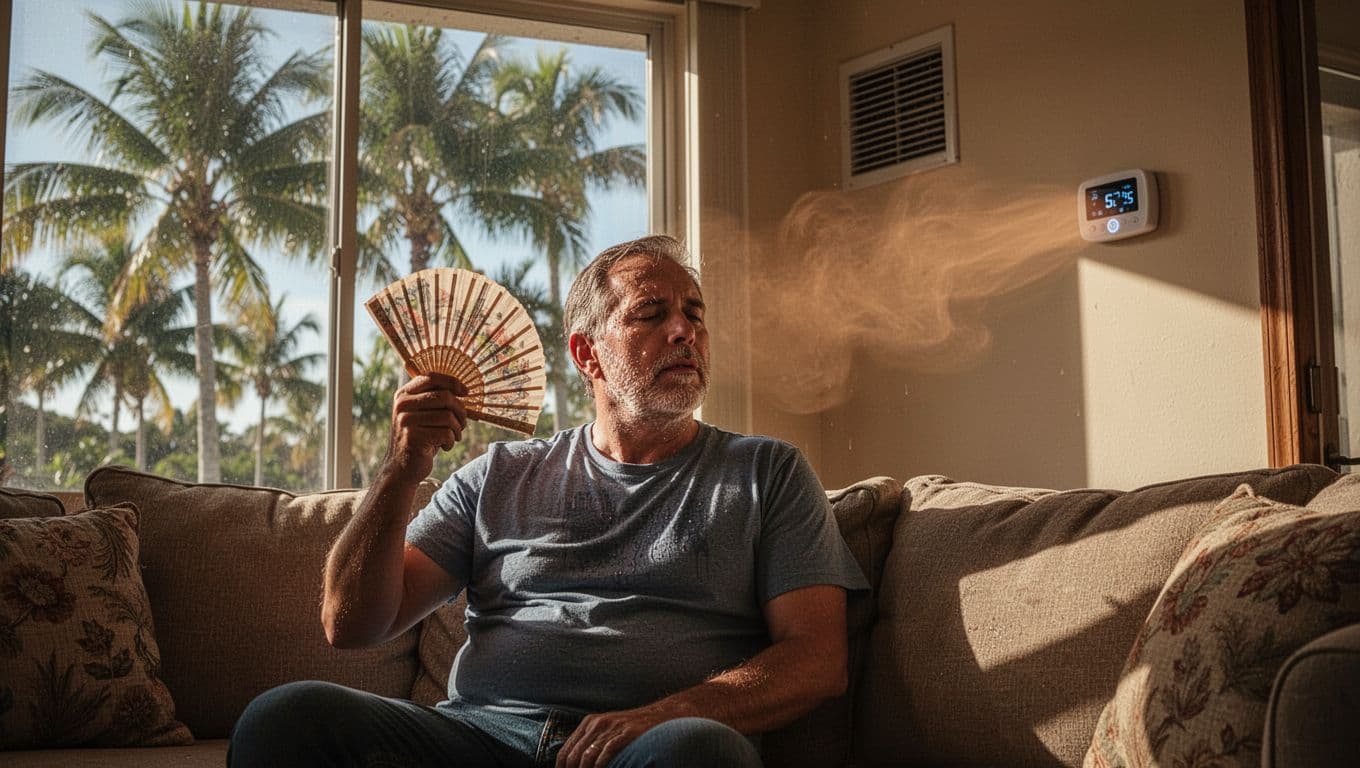
A struggling air conditioner usually gives you warnings before it quits. The trouble is that the earliest AC repair signs often look small, so they get ignored until the house feels sticky and warm.

In Southwest Florida, that delay can be costly. Heat and humidity put extra stress on the system, and a small problem can turn into a full shutdown on the hottest afternoon of the week.

The good news is that most breakdowns leave clues. Once you know what to watch for, you can call for help before comfort disappears.

Weak airflow or warm air from the vents

If the air coming from your vents feels weak, something is off. The same is true when the air is cool at first, then turns lukewarm while the unit keeps running.

Sometimes the cause is simple. A dirty filter can choke airflow, and closed or blocked vents can make rooms feel uneven. A thermostat set wrong can also make the system seem weaker than it is.

Still, weak airflow can point to a larger problem. A failing blower motor, dirty indoor coil, low refrigerant, or a duct issue can keep the system from moving enough air across the home.

Start with the safe checks. Replace a dirty filter, open closed registers, and make sure furniture is not blocking return vents. If the air is still warm or the flow feels thin, the system needs a closer look.

That matters because weak airflow does more than make rooms uncomfortable. It makes the whole system work harder, which raises wear and energy use.

Strange noises are early trouble, not background noise

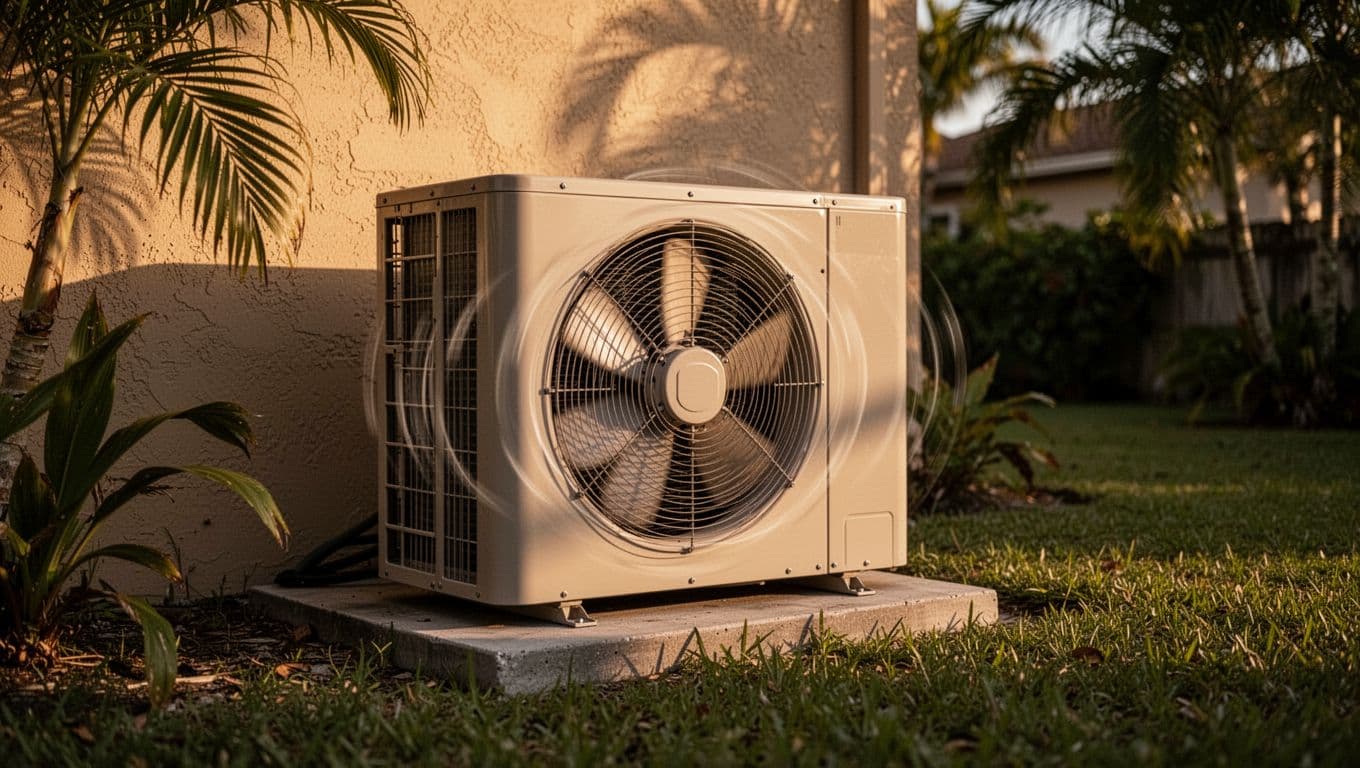
A healthy AC makes a steady, low hum. When you hear grinding, squealing, rattling, buzzing, or banging, the unit is trying to tell you something.

Loose parts often cause rattling. Worn motor bearings can create grinding or squealing. Buzzing may point to an electrical issue, while banging can mean something inside the cabinet has come loose.

Some noises start small and get louder fast. A metal-on-metal sound, in particular, is one of the clearest AC repair signs that should not wait. The longer the system runs, the more damage it can do.

A quick listen can help you narrow it down. Stand near the indoor unit, then the outdoor condenser, and note when the sound starts.

If the noise appears only when the fan kicks on, that points in one direction. If it happens during startup or shutdown, that can point somewhere else. Either way, repeated noise is not normal.

Loud grinding or banging is not a "wait and see" problem. Turn the system off and get it checked.

Water, ice, and humidity around the unit

Moisture around an AC system often starts with a small blockage or a cooling issue. In Southwest Florida, where humidity is high for much of the year, that problem can show up fast.

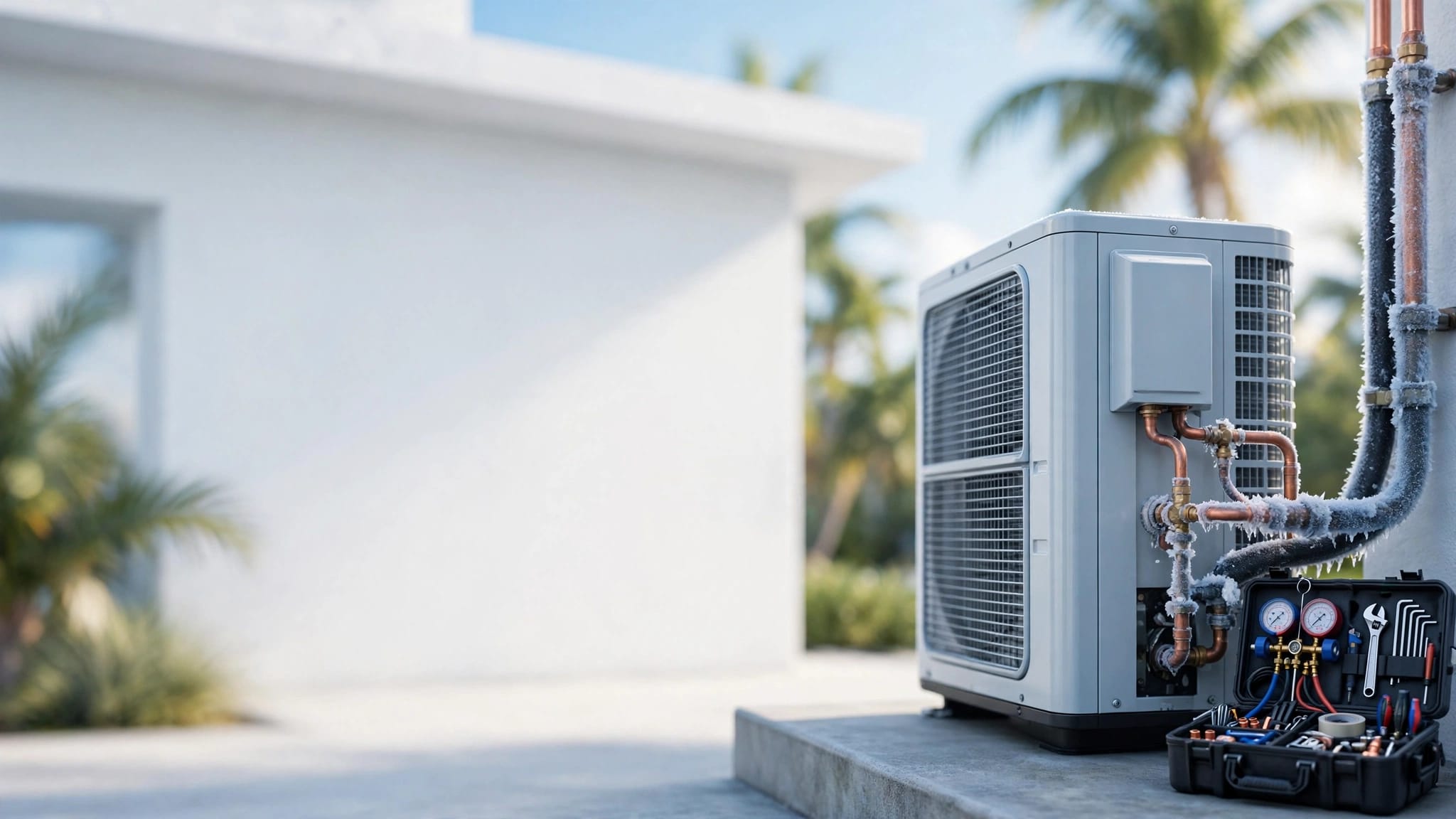
A puddle near the indoor air handler can mean a clogged drain line, a cracked drain pan, or ice that melted after the system shut down. Ice on the coil can also point to weak airflow or refrigerant trouble.

Water and ice matter because they usually mean the system is not moving heat the way it should. If the unit keeps running in that state, you can end up with more damage and a higher repair bill.

The safest move is simple. Turn cooling off, let the system thaw, and keep an eye on the drain area. Do not try to clear refrigerant lines, open sealed parts, or work near electrical components.

What you can check safely

  • Replace a dirty air filter if it looks clogged.
  • Make sure supply vents and return grilles are open and clear.
  • Look for standing water around the indoor unit, then turn cooling off if you see it.
  • Wait for ice to melt before restarting the system.

If the same leak or frost comes back after those checks, the problem is deeper than a dirty filter. That is a good time to book professional service.

Regular HVAC maintenance services can catch drain problems, coil buildup, and airflow trouble before they turn into water damage or a dead system.

Higher power bills and short cycling point to hidden strain

A sudden jump in your electric bill can be one of the easiest AC repair signs to miss. Many homeowners notice the bill before they notice the cause.

Short cycling is another clue. That means the unit turns on, runs for a short time, then shuts off and starts again soon after. The house never reaches the set temperature, so the system keeps starting up over and over.

This pattern often happens when the AC is under stress. Dirty coils, low refrigerant, thermostat problems, a failing capacitor, or duct leaks can all make the system work harder than it should.

The comfort clue is often uneven cooling. One room feels fine, another stays warm, and the thermostat seems to chase the temperature all day. When that happens, the unit is wasting energy instead of moving cool air.

You can still do a few safe checks. Confirm the thermostat is set to cool, not fan only, and check that the outdoor unit is not blocked by plants or debris. After that, stop guessing.

Short cycling wears parts out fast. It also increases the chance of a full breakdown because the compressor and motors keep starting under stress.

Odd smells and rooms that never feel comfortable

Smells tell you a lot about an AC system. A musty odor often points to moisture in the drain pan, a wet filter, or mold in the system. A burning smell is more urgent and can signal an electrical problem.

A stale or dusty smell can mean the filter is overdue for replacement. If the odor stays after a new filter goes in, the issue may be deeper in the ductwork or inside the air handler.

Comfort gaps matter too. If one bedroom stays hotter than the rest of the house, the problem may not be the thermostat. It could be airflow imbalance, a duct leak, or a unit that no longer has the power to move air evenly.

These are signs that the system is cooling in a patchy way. That usually gets worse during long hot stretches, which is common in Lee County.

When a smell is burning, shut the system off right away. When the issue is musty or stale, note when it starts and which rooms feel worst. That information helps a technician find the source faster.

When to call for AC repair before the system quits

Once two or more warning signs show up together, the problem is rarely small. Warm air, noise, water, and high bills often point to the same stressed system.

That is why quick diagnosis matters. A repair visit can catch a failing part before it takes out the compressor or leaves you without cooling when you need it most. In many cases, early service costs less than waiting for a full breakdown.

If you are in Southwest Florida and your system is acting up, Schedule an Estimate before the next hot spell makes the problem worse. Fast service can protect comfort, lower stress on the system, and help you avoid an emergency call.

Conclusion

AC trouble rarely appears out of nowhere. It starts with small shifts, like weak airflow, odd noise, water where it should not be, or a bill that climbs for no clear reason.

Pay attention to those changes, because they are the system's early warning light. When you catch the problem early, you protect comfort, avoid bigger repairs, and give your AC a better chance to keep up with Southwest Florida heat.

Recent Posts

By Valor HVAC May 7, 2026
In Southwest Florida, your AC doesn't get much of a break. For most homes, the right pace is professional maintenance twice per year . That baseline changes when your system works harder than average. Older equipment, coastal homes, rentals, pet-heavy households, and homes wit...