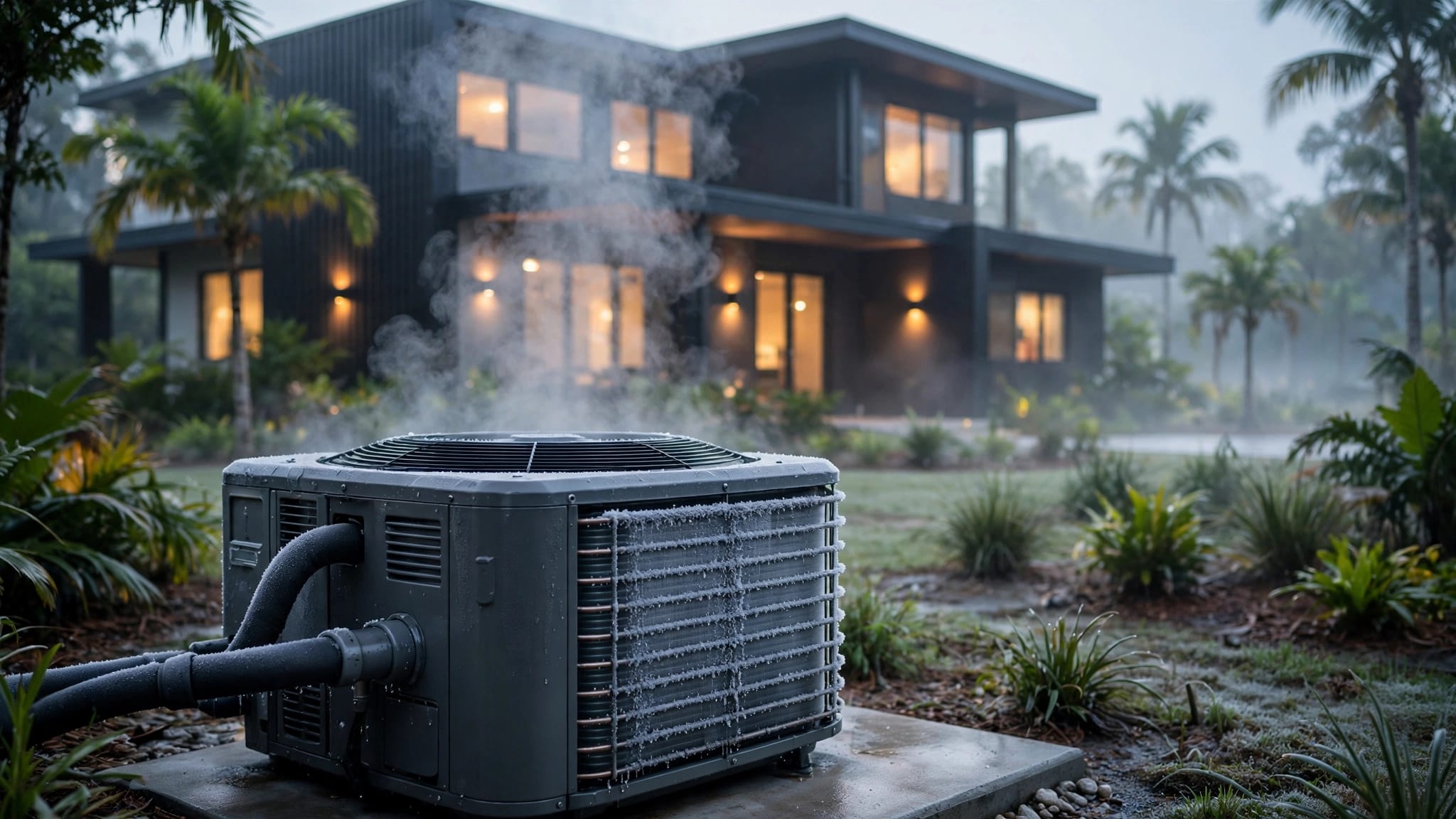
HVAC Warranty Transfer When Selling a Florida Home
An HVAC warranty transfer can affect what a Florida buyer receives after closing, but the answer isn't based on location alone. The manufacturer, equipment model, installer, warranty type, registration status, and service plan all matter.
Florida law provides an important starting point for homes conveyed on or after July 1, 2024. However, sellers and buyers still need to identify the exact warranty, gather the records, and review the purchase contract before relying on coverage. These steps matter even more in Southwest Florida, where an air conditioner often runs for much of the year.
Key Takeaways for Florida Sellers and Buyers
- Florida law automatically transfers an in-effect manufacturer's warranty covering a fixture HVAC system or component to the new owner for qualifying residential property conveyed on or after July 1, 2024.
- The warrantor can't charge a transfer fee for that statutory transfer.
- Manufacturer registration procedures can still create deadlines, documentation requirements, or separate processes.
- Equipment warranties usually cover parts, while labor coverage may come from the installer or a separate service plan.
- Maintenance records, permits, repair invoices, and moisture history should be gathered before closing.
- Sellers should disclose known material defects, including known moisture or mold problems, according to their disclosure obligations.
- Buyers should confirm coverage directly from the written warranty and not rely only on a seller's statement.
Florida's HVAC Warranty Transfer Rule
What changed on July 1, 2024
Florida Statute 559.956 addresses warranty transfers for residential property. For a home conveyed on or after July 1, 2024, an in-effect manufacturer's warranty covering an HVAC system or component that is a property fixture automatically transfers to the new owner.
The statute also says the warrantor can't charge a transfer fee for that statutory transfer. This can help a buyer receive existing coverage without treating the warranty as a benefit that disappears at closing.
The rule doesn't mean every warranty has identical terms. Coverage can still depend on the product, original installation, warranty exclusions, registration, maintenance requirements, and the remaining warranty period.
A buyer may also need to follow a manufacturer's process for updating ownership records. That administrative step should be separated from the legal transfer of an in-effect warranty. When the two processes appear inconsistent, review the written warranty, contact the manufacturer, and ask a Florida real estate professional or attorney how the issue fits the contract.
Why manufacturer paperwork still matters
The Florida rule doesn't tell you whether the system has a registered warranty, a base limited warranty, an extended plan, or labor coverage from the installer. Those details come from the actual documents.
Start with the model and serial numbers on the indoor air handler and outdoor condenser. Then locate the original invoice, warranty registration, installation agreement, and any transfer instructions. The installation company may hold separate labor terms that don't appear in the manufacturer's parts warranty.
If the system was installed recently, ask whether the contractor completed manufacturer registration. If the equipment was replaced after a storm, renovation, or major repair, collect those records too. A complete file gives the buyer a clearer picture and reduces last-minute questions.

What Major HVAC Warranty Terms May Require
Warranty transfer rules vary by manufacturer and plan. These examples show why the exact document matters.
Trane's 90-day process and the fee conflict
Trane's public warranty materials state that a limited warranty may transfer within 90 days of closing. The published process lists information such as the equipment serial number, installation address, closing date, and payment details. Trane materials also list a $99 one-time fee for that process.
That published fee needs careful handling in Florida. The Florida statute says a warrantor can't charge a transfer fee for the statutory transfer, while Trane's materials describe a fee for its transfer process. Don't assume the fee is always required, and don't assume the manufacturer's registration procedure replaces the statutory transfer.
Trane also distinguishes among warranty types. A Base Limited Warranty stays with the product and doesn't require transfer, while a registered limited warranty may require timely action. Optional Extended Warranties can involve outside parties and may follow different rules.
Carrier's terms may depend on the model
A Florida legislative analysis summarized a Carrier policy with a 90-day post-sale registration period, a same-location requirement, and subsequent-owner coverage described as five-year parts and compressor coverage. The analysis also referenced 10-year parts coverage for certain Infinity, Performance, and Comfort systems using Puron refrigerant.
That summary isn't a substitute for the current Carrier warranty document. Models, refrigerants, registration rules, and plan terms can change. A buyer should verify the exact equipment and coverage before assigning a dollar value to the warranty.
Goodman, Lennox, and Rheem require document review
Goodman, Lennox, and Rheem systems can have different registration, transfer, labor, and extended-plan requirements. Don't apply a Trane or Carrier deadline to another brand.
For any manufacturer, check:
| Item | What to confirm |
|---|---|
| Equipment | Model and serial numbers match the home |
| Coverage | Parts, compressor, coil, heat exchanger, or other components |
| Deadline | Whether ownership must be updated after closing |
| Location | Whether coverage depends on the original address |
| Labor | Whether the installer or another provider covers labor |
| Maintenance | Required service records or exclusions |
| Plan type | Base warranty, registered warranty, or extended plan |
The practical takeaway is simple: the brand name alone doesn't establish the buyer's coverage.
Parts, Labor, Maintenance, and Extended Plans
An equipment warranty usually covers a defective part for a stated period. It may cover a compressor, coil, heat exchanger, or other listed component. The warranty may pay for the replacement part while leaving diagnostic, refrigerant, access, shipping, or installation labor to someone else.
Labor coverage often comes from the installing contractor. It may have its own term, exclusions, transfer conditions, and service requirements. A home warranty or separate HVAC protection plan is another category, with different claims rules and service fees.
Maintenance isn't the same as warranty coverage. Filter changes, drain cleaning, coil cleaning, electrical checks, and system inspections can help document care, but routine maintenance doesn't automatically create, extend, or transfer a manufacturer's warranty.
Sellers should provide service invoices and maintenance records without promising that every repair is covered. Buyers should ask who handles a future claim and what costs remain their responsibility. For local service records, you can review HVAC maintenance in Fort Myers and compare them with the manufacturer's maintenance requirements.
Permits, Records, and Florida Disclosure Duties
Gather permits and installation records
A replacement may involve mechanical, electrical, or building work. The Florida Building Code and local building departments govern permitting, and requirements can vary by jurisdiction. Lee County, Fort Myers, and Cape Coral may have different administrative steps.
The seller should look for permit numbers, approval records, final inspection documents, and contractor invoices. If records are missing, ask the applicable building department or closing professional how to verify them. You can also review Lee County AC replacement permits for questions to raise about a replacement.
A permit record doesn't prove that the system has no defects. It does give the buyer useful information about the installation and helps identify unresolved paperwork before closing.
Disclose known problems and moisture history
Florida sellers should address known material defects through the appropriate disclosure process. That includes known HVAC problems, recurring condensate leaks, water damage, mold concerns, or moisture issues connected to the system.
Don't describe an air conditioner as "under warranty" without checking the written terms. A warranty may exclude a problem caused by poor installation, lack of maintenance, corrosion, flood exposure, unauthorized repair, or another listed condition.
Keep records of drain-pan replacements, leak repairs, mold remediation, duct work, insurance claims, and major service calls. Buyers should ask follow-up questions about unexplained staining, musty odors, ceiling repairs, or unusually high humidity. If the system needs an evaluation before closing, a professional HVAC system inspection can provide condition information separate from the warranty question.
Seller Checklist Before Listing or Closing
Collect these documents early:
- Original purchase invoice and installation agreement.
- Indoor and outdoor model and serial numbers.
- Manufacturer registration confirmation.
- Written warranty terms and transfer instructions.
- Installer labor warranty or service-plan agreement.
- Repair invoices, maintenance records, and parts receipts.
- Permit numbers and final inspection records.
- Records for condensate leaks, water damage, mold, or remediation.
- Any open warranty claim or pending repair estimate.
Next, ask the installer or manufacturer whether ownership updates, registration deadlines, same-location rules, or maintenance records apply. Put any promised transfer assistance in writing through the purchase contract or closing documents.
If the system is old, failing, or near replacement, get a written evaluation instead of making a broad warranty promise. When replacement is the sensible option, compare the equipment, installation scope, permit handling, labor coverage, and registration terms through HVAC installation and replacement in Fort Myers.
Buyer Checklist After an Offer Is Accepted
Before closing, ask for the following:
- Confirm that the model and serial numbers match the equipment at the property.
- Identify the manufacturer warranty type and remaining coverage period.
- Ask whether the warranty covers parts only or includes labor.
- Check whether a registration or ownership update is required.
- Confirm any deadline, fee, location restriction, or maintenance condition.
- Request installation permits, final inspections, invoices, and service records.
- Ask about previous leaks, mold, corrosion, refrigerant repairs, and drain problems.
- Include any transfer documents or seller promises in the written contract.
- Have the system inspected if its condition is uncertain.
- Contact the manufacturer or installer before closing when a term is unclear.
A buyer shouldn't treat the warranty as a substitute for an inspection. An inspection can reveal airflow problems, drainage issues, electrical concerns, poor installation, or a system nearing the end of its useful service life.
For a new replacement or major repair, compare written proposals carefully. How to compare AC replacement quotes includes questions about permits, duct work, labor coverage, and warranty registration. If you need a local evaluation before making a decision, you can Schedule an Estimate with a Valor Heating & Cooling technician.
HVAC Warranty Transfer FAQ
Does an HVAC warranty automatically transfer with a Florida home?
For qualifying residential property conveyed on or after July 1, 2024, Florida law provides for automatic transfer of an in-effect manufacturer's warranty covering a fixture HVAC system or component. The exact coverage still depends on the warranty terms, equipment, exclusions, and remaining period.
Can a manufacturer still require paperwork?
It may require an ownership update or registration process for its records. That process can have its own deadline or information requirements. Keep the statutory transfer separate from administrative procedures, and ask for clarification when the documents appear inconsistent.
Does the buyer receive free HVAC labor?
Not automatically. Manufacturer warranties often focus on equipment or parts. Labor may be covered by the installing contractor, an extended plan, or nobody. Review each agreement separately before assuming a repair will have no out-of-pocket cost.
Does maintenance transfer to the buyer?
Maintenance records can transfer as part of the home's documentation, but a maintenance agreement may have separate assignment terms. Ask the service company whether the plan can be assigned and whether the buyer must approve a new agreement.
Should a Florida attorney review the warranty issue?
Consider professional advice when a contract includes a warranty promise, the manufacturer and statute appear to conflict, records are missing, or the system has a known defect. A Florida real estate professional or attorney can review the purchase contract and explain the appropriate next step.
Make the HVAC Warranty Part of the Closing File
An HVAC warranty can add value to a Florida home, but only when its terms are clear. The safest approach is to separate the legal transfer rule from manufacturer registration, installer labor coverage, maintenance obligations, permits, and seller disclosures.
Sellers should gather the records before listing. Buyers should verify the equipment and coverage before closing. In Southwest Florida, a complete HVAC file gives both sides a better understanding of the system that will keep the home comfortable through the next hot season.
Recent Posts