Heat Pump Defrost Mode: A Florida Homeowner's Guide
A heat pump can enter heat pump defrost mode even when you live in Florida. Cool, damp weather around Fort Myers and Lee County can create frost on the outdoor coil, especially when the system is heating your home.
During a normal defrost cycle, you may hear the outdoor unit change sound, see the fan stop temporarily, or notice steam rising from the coil. These signs can look alarming, but they often reflect a temporary operating change. The important distinction is whether the frost clears and the system returns to normal heating.
Heat pump defrost mode: the basic idea
Heat pumps move heat rather than create it in the same way a furnace does. In heating mode, the outdoor coil becomes cold as the system gathers heat from outside air. When the air is cool and damp, moisture can collect and freeze on that coil.
Even Florida weather can produce those conditions. Overnight temperatures, coastal humidity, rain, and shaded equipment can all contribute to frost. The presence of frost alone doesn't prove that the heat pump has failed.
Why frost can appear on the outdoor unit
A thin layer of frost can reduce the outdoor coil's ability to transfer heat. The heat pump's controls may respond by temporarily changing how the system operates. This allows heat to reach the outdoor coil and melt the frost.
The exact process varies by equipment. Heat pumps have additional parts and controls compared with systems designed only for cooling. A reversing valve is one example of a component involved in switching between heating and cooling operation.
For Florida homeowners, the key point is simple: occasional defrosting can be normal . It doesn't automatically mean the unit needs refrigerant, a new part, or replacement.
What you may observe during defrosting
A normal-looking cycle can produce several temporary changes:
- The outdoor fan may stop while the compressor continues operating.
- You may hear a click, whoosh, hum, or change in the unit's usual sound.
- Steam or vapor may rise as frost melts from the outdoor coil.
- Air from indoor vents may feel less warm for a short time.
- The thermostat or indoor fan may change operation, depending on the system design.
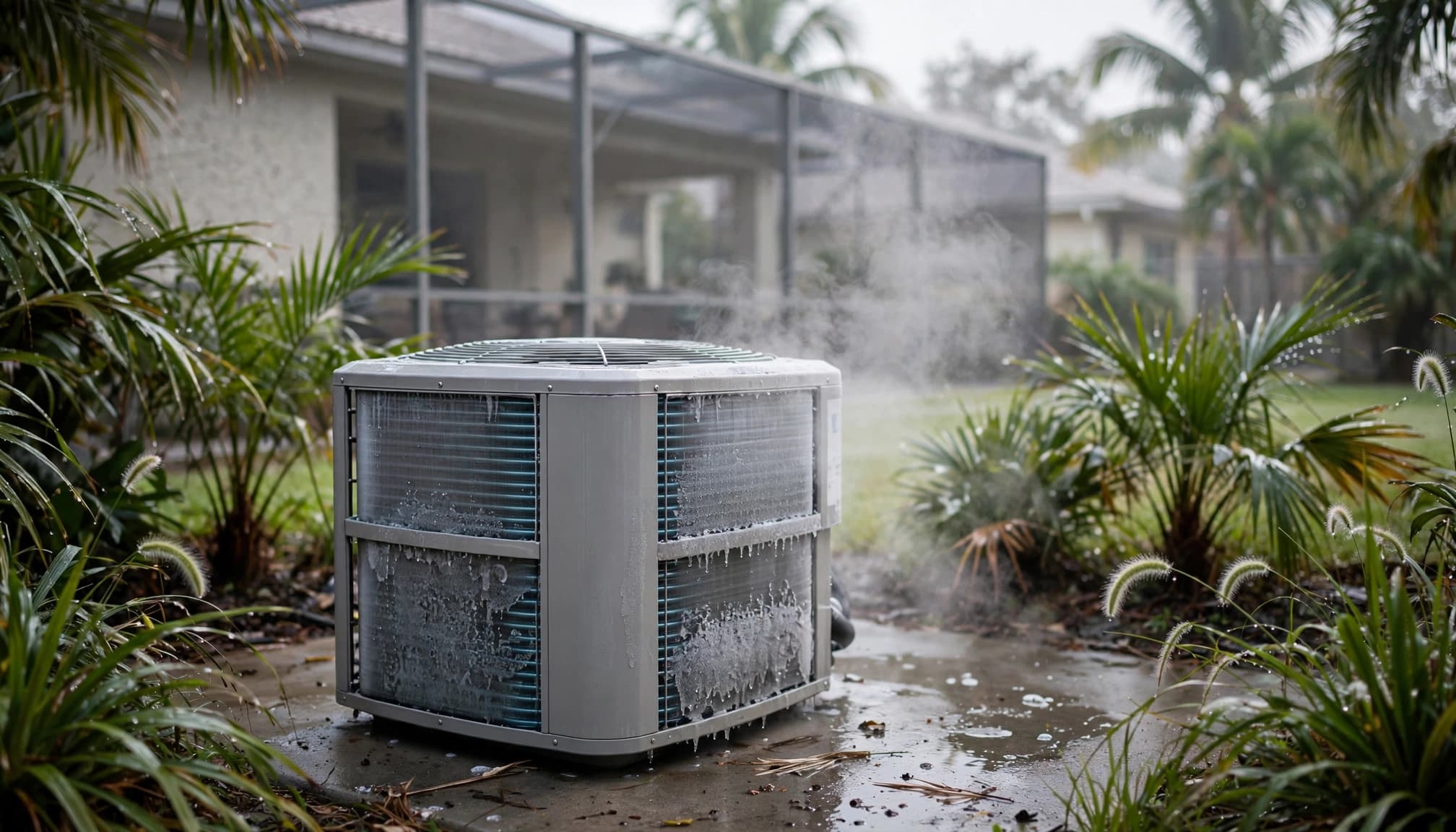
Steam is especially easy to mistake for smoke. Meltwater can also drip beneath the unit, leaving a wet area on the pad or nearby concrete. Those observations become more reassuring when the frost clears and the home returns to its usual comfort.
Key takeaways for Florida homeowners
- Cool, damp Florida weather can cause occasional frost on a heat pump.
- Defrosting may create steam, unusual sounds, a stopped outdoor fan, or brief indoor air changes.
- Heavy ice, poor heating, reduced airflow, or repeated long defrost events need attention.
- Keep the outdoor unit clear, but don't remove ice or open electrical panels.
- A technician must test refrigerant, airflow, controls, and internal components.
- Schedule service sooner if the system stops heating or makes unusual noises.
Which defrost changes are usually acceptable?
Not every change in sound or airflow points to a repair. Your observations should focus on the complete event rather than one moment. A brief change followed by normal operation is different from an outdoor coil that stays encased in ice.
Brief frost, steam, and changing sounds
A small amount of frost can appear on the outdoor coil during cool, damp conditions. As defrosting begins, the unit may sound different from normal. You could hear a valve click or a low rushing sound, followed by water or steam near the coil.
The outdoor fan may stop temporarily. That can seem strange because the unit normally runs with the fan operating, but fan behavior can change during defrost operation.
Inside, supply air may feel cooler or less warm for a short period. Some systems adjust indoor operation to limit that sensation. If your home quickly returns to its normal temperature and the outdoor coil doesn't remain heavily iced, monitoring may be reasonable.
Clear airflow and a return to normal comfort
The outdoor unit needs open space around it. Leaves, palm fronds, grass, plastic bags, and stored items can restrict airflow and make normal operation harder.
Look for a return to normal heating after the visible frost or steam disappears. The system should also continue to respond to the thermostat. If the house remains comfortable and the outdoor coil stays mostly clear, the event may not require emergency service.
Steam from melting frost can look like smoke. Check whether it dissipates quickly and whether the system returns to normal before assuming the unit is burning or failing.
Signs defrosting may point to a problem
A single observation rarely identifies the cause of a heat pump problem. However, several symptoms together deserve a professional inspection. Persistent ice and poor heating should receive more attention than a brief burst of steam.
Frequent or prolonged defrost operation
Repeated defrosting can indicate that the system isn't clearing frost properly or that another condition is affecting performance. A homeowner may notice the outdoor coil icing again soon after it clears, or see the equipment spending an unusual amount of time in a defrost event.
The cause could involve airflow, coil condition, controls, sensors, electrical components, or refrigerant performance. Those possibilities require testing. Avoid assuming that adding refrigerant or replacing a thermostat will solve the problem.
A system that remains heavily iced can lose heating capacity and place extra strain on its components. If the ice continues building, turn to Fort Myers HVAC repair rather than trying to correct it yourself.
Poor heating, weak airflow, or unusual noises
Call for service when defrost symptoms appear alongside poor heating. Other warning signs include weak airflow from the vents, a home that cannot reach the thermostat setting, or a sudden increase in operating noise.
A heat pump can also have trouble if its indoor filter is heavily loaded, its outdoor coil is dirty, or its airflow path is restricted. Refrigerant problems may produce similar comfort changes, but visual inspection alone cannot confirm them.
Complete shutdowns need prompt attention. Valor Heating & Cooling's repair and inspection service addresses systems that make strange noises, fail to cool properly, or stop working. The same type of professional evaluation can help identify why a heat pump isn't heating as expected.
Safe checks you can perform at home
Homeowners can gather useful information without touching hazardous components. A careful visual check helps a technician understand what happened, while unsafe interference can damage the system or create an electrical risk.
Check the surrounding area, filter, and thermostat
Start with the thermostat. Confirm that it has power and is set to the mode and temperature you intended. If the indoor filter is visibly dirty, replace it with the correct size if you know how to do so safely.
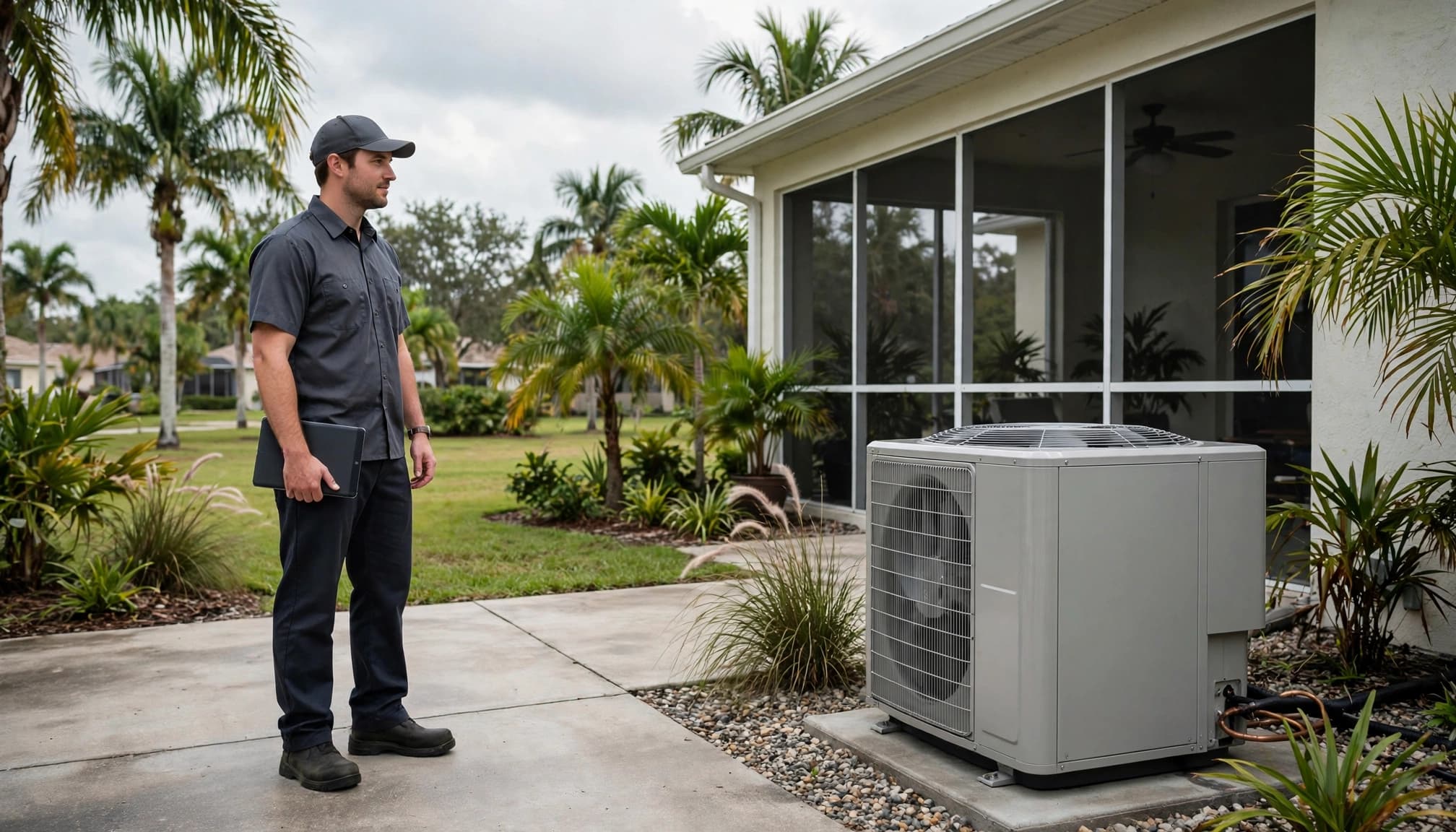
Next, inspect the area around the outdoor unit. Remove loose leaves or lightweight debris that you can pick up without reaching into the equipment. Keep plants, furniture, hoses, and stored items away from the unit so air can move freely.
Don't spray the coil, pour hot water on ice, chip away frost, or use a tool near the fins. Never remove panels or reach toward wiring, capacitors, refrigerant lines, or moving parts.
Record what the system is doing
Write down when you noticed the frost and what happened afterward. Useful details include whether the outdoor fan stopped, whether steam appeared, whether the indoor air changed, and whether the home regained normal comfort.
Also note unusual sounds, visible ice thickness, reduced airflow, and whether the issue returns. A short video from a safe distance can help show a sound or operating change, but don't approach the unit while it runs.
These observations don't diagnose the heat pump. They give a technician a clearer starting point and help separate a one-time event from a recurring problem.
When to schedule professional HVAC service
Professional service is appropriate when the system shows a pattern rather than a single harmless-looking change. A technician can inspect airflow, coil condition, electrical operation, controls, refrigerant performance, and other parts without asking you to guess at the cause.
Inspection is better than replacing parts by guesswork
Defrost concerns can involve several systems at once. Poor airflow may affect performance, while refrigerant issues, control problems, or a damaged component can create similar symptoms. Testing helps identify the actual fault.
This matters because heat pumps have extra controls and parts compared with a central AC system used only for cooling. If you are comparing equipment for a Fort Myers home, the guide to heat pump versus central AC explains some of those differences.
Call for service when the unit stays iced, heating remains weak, airflow drops, the system shuts down, or unusual sounds continue. For a complete loss of heating or a serious electrical concern, use 24/7 emergency HVAC service.
Maintenance can catch conditions before a breakdown
Routine maintenance can identify dirt buildup, wear, airflow restrictions, and small inefficiencies before they become larger comfort problems. It also gives a technician a chance to review how the heat pump operates in both heating and cooling modes.
Fort Myers systems often last around 10 to 15 years, though coastal exposure, installation quality, usage, and maintenance can affect that range. An older unit with repeated icing or declining comfort may deserve a repair assessment and a replacement discussion.
Regular HVAC maintenance in Fort Myers can help protect the system and reduce unexpected interruptions. It won't prevent every failure, but it gives you better information about the equipment's condition.
Heat pump defrost questions for Florida homeowners
Should a heat pump defrost in Florida?
Yes. Florida has mild winters, but cool and damp weather can still create frost on an outdoor coil. Defrosting may occur when the equipment detects conditions that require frost removal.
The event should not be judged by Florida's climate alone. Pay attention to whether the ice clears, heating returns, and the system continues operating normally.
Why is steam coming from my outdoor unit?
Steam can appear when frost or ice melts from the outdoor coil. It may rise briefly and disappear, which is different from smoke that continues or carries a burning odor.
Stay away from the unit while it operates. If you see smoke, smell burning insulation, hear harsh electrical sounds, or notice the system shutting down, turn the system off if you can do so safely and request professional help.
Can I remove ice from the heat pump?
Don't chip, scrape, or pry ice from the outdoor unit. Don't pour hot water over it, either. These actions can bend coil fins, damage components, or create an electrical hazard.
Keep people and pets away from the equipment. If heavy ice remains or the system cannot heat the home, contact a qualified HVAC technician for inspection.
How do I know when to call a technician?
Arrange service if defrosting happens repeatedly, the ice remains heavy, indoor comfort declines, airflow weakens, or the system makes unusual noises. A complete shutdown also calls for prompt attention.
For local help, you can Schedule an Estimate with Valor Heating & Cooling. The company serves Fort Myers and Lee County and lists NATE and EPA 608 certifications.
Final thoughts on heat pump defrost mode
A brief defrost event can be part of normal heat pump operation, even during a cool, damp Florida morning. Steam, a stopped outdoor fan, changing sounds, and temporary indoor air changes don't automatically mean the system has failed.
The warning signs are persistent ice, repeated or prolonged operation, poor heating, weak airflow, unusual noises, and shutdowns. Keep your checks visual and safe, then let a qualified technician test refrigerant, airflow, electrical components, and controls. Knowing the difference helps you stay calm when steam appears and act quickly when your home comfort doesn't return.
Recent Posts