Are Smart Thermostats Worth It for Fort Myers Homes?
Fort Myers heat can keep an AC system running for hours, and that is where a smart thermostat can help. The real question is whether it helps your home enough to justify the cost.
For some homeowners, the answer is yes. For others, the upgrade adds convenience but little savings, especially if the HVAC system is already working well or the house stays occupied all day.
Why smart thermostats can help in Southwest Florida
A Fort Myers home does not face the same cooling pattern as a colder climate. The AC works hard, humidity lingers, and the thermostat often gets more use than the light switches.
That is why smart thermostats in Fort Myers homes can make sense. They can adjust to daily routines, reduce cooling when nobody is there, and bring the house back to a comfortable level before people return.
That matters even more for seasonal schedules. If you leave for the day, travel often, or split time between homes, a manual thermostat can waste energy without you noticing.
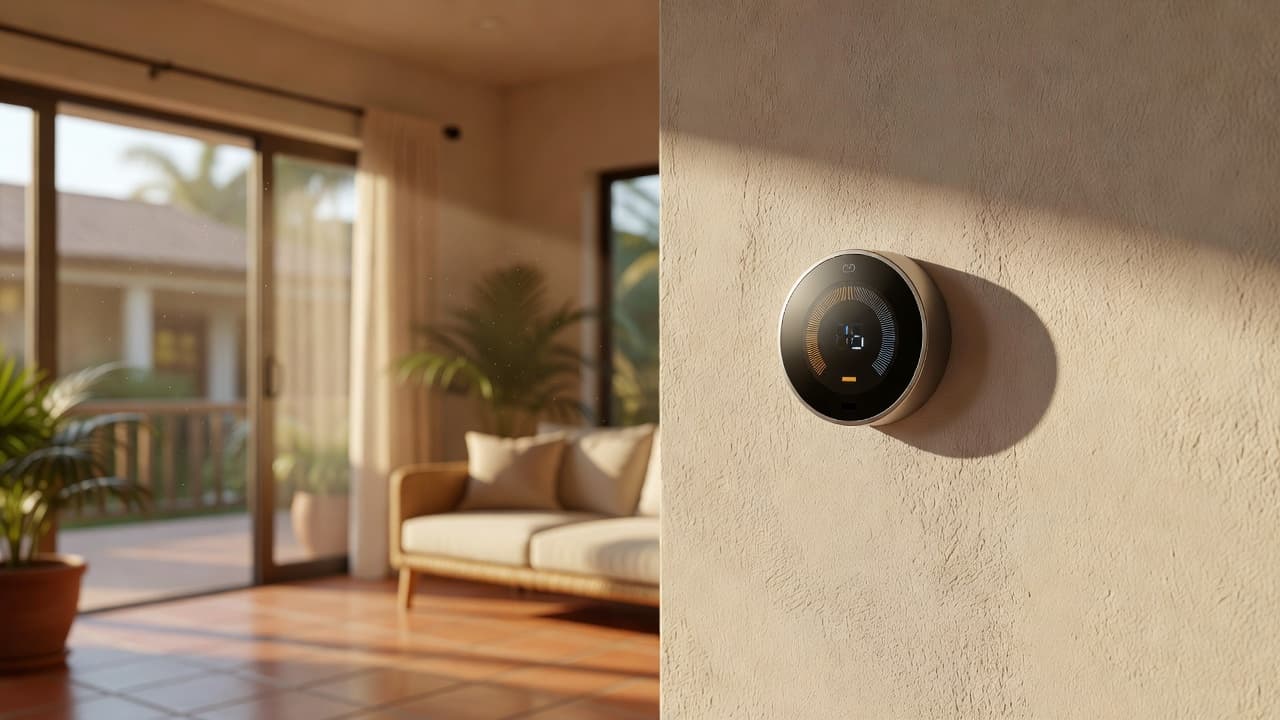
Smart models also help when the weather shifts fast. A warm afternoon, a rainy evening, and a house full of humidity can all happen in one day. With remote access, you can adjust the temperature before the house gets stuffy.
Still, the device is not a fix for every comfort problem. It can only work with the system already in the home.
The features that matter most in Fort Myers
Not every smart thermostat is useful in a hot, humid climate. The right features matter more than the brand name on the box.
| Feature | Why it matters in Fort Myers |
|---|---|
| Humidity tracking | Helps the house feel less sticky during long cooling cycles. |
| Remote access | Lets you change settings when plans change or you leave town. |
| Learning schedules | Cuts waste when the house is empty for work, errands, or travel. |
| Maintenance alerts | Reminds you about filter changes, odd run times, or service needs. |
| System compatibility | Makes sure the thermostat works with your AC and control setup. |
A model that only manages temperature may leave the air feeling clammy, even when the room reads cool. That is common in Southwest Florida, where humidity can make a 75-degree house feel warmer than the number suggests.
A thermostat that looks smart on paper can still disappoint if it cannot manage humidity or match the HVAC system it controls.
The best models for local homes usually balance comfort and control. They should be easy to use, simple to read, and flexible enough to fit a house that is not occupied on the same schedule every day.
Where the savings show up, and where they do not
The best savings usually come from avoiding waste. If nobody is home for eight or ten hours, there is no reason to keep cooling the house as if it were full.
A smart thermostat can help in that situation by raising the setpoint while you are away and bringing it back down before you return. That is useful for commuters, families with changing schedules, and snowbirds who leave a home empty for long stretches.
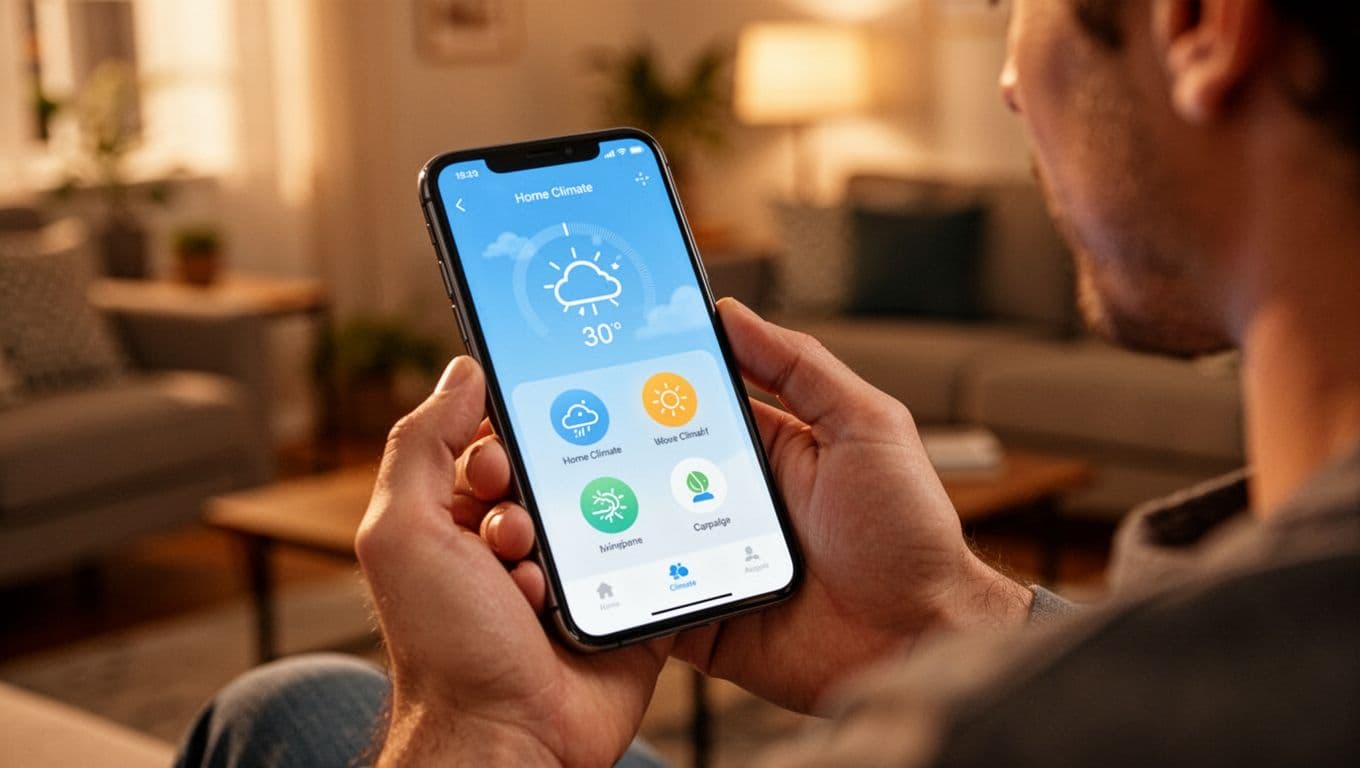
It can also help when a house gets overcooled by habit. Many people set one temperature and never touch it, even when no one is home. A smart schedule can trim that waste without making the home uncomfortable.
Savings are less likely when the rest of the house is working against the thermostat. If the system is old, the ductwork leaks, or the insulation is weak, the thermostat can only do so much. It may still improve comfort, but the payback can be small.
The same is true for homes with very steady routines. If the house is occupied at the same times every day and the current thermostat already matches that routine, the upgrade may feel more convenient than profitable.
Compatibility and placement can make or break the value
This is where many homeowners get surprised. A smart thermostat can be a solid product and still underperform in the wrong home.
Older HVAC systems may need a common wire, different wiring support, or a specific setup for heat pumps or multi-stage cooling. If the thermostat cannot communicate well with the equipment, the features you paid for may never show up.
Placement matters too. A thermostat near a sunny wall, a kitchen, a supply vent, or a drafty hallway can give misleading readings. That can make the AC short-cycle or run longer than it should.
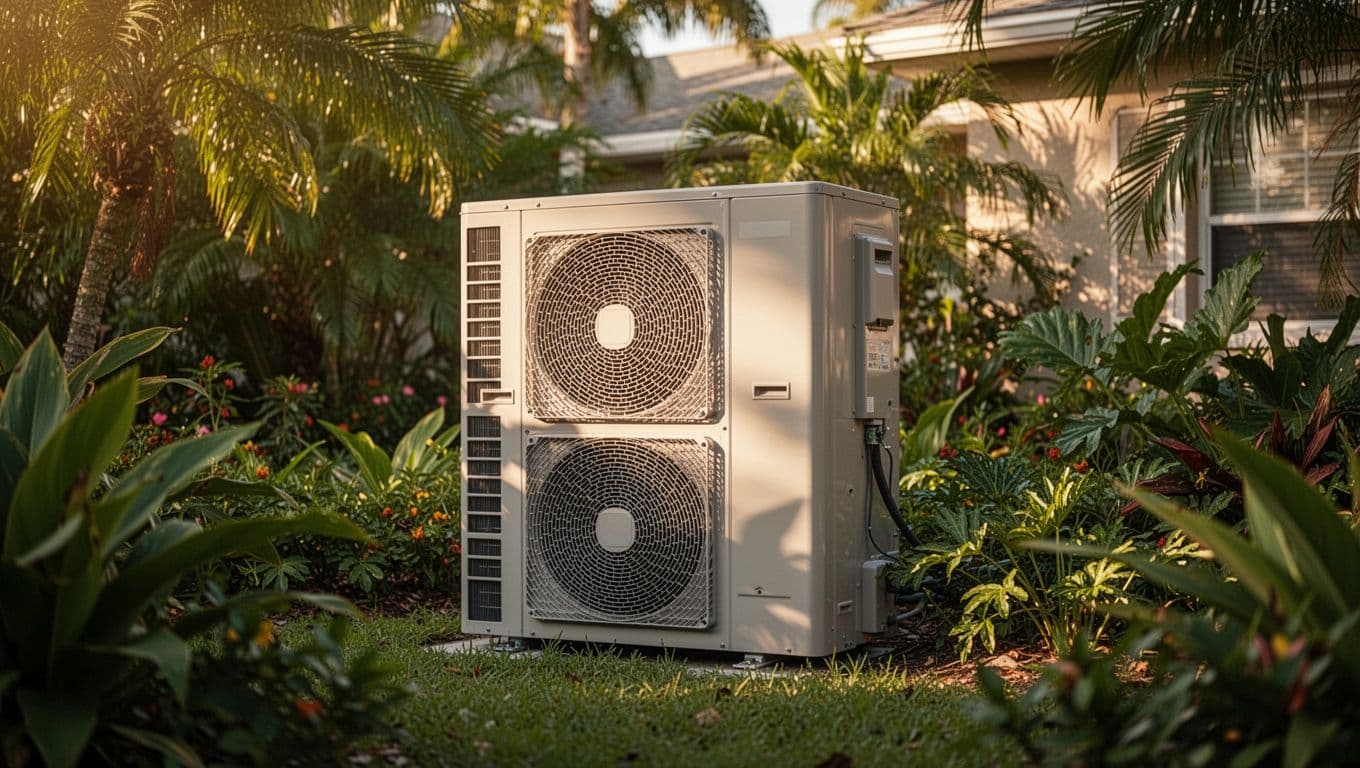
A good installation checks the whole setup, not just the wall plate. A technician who handles professional heating and cooling solutions can tell you whether the wiring, equipment, and thermostat location make sense together.
If the thermostat is fighting bad placement or a mismatched system, the app may still look impressive while the house stays uneven.
Smart thermostats and snowbird schedules
Seasonal homes are a strong fit for smart control. If you leave Fort Myers for weeks or months, remote access gives you more control over comfort and moisture.
That matters because an empty house can still run into problems. High indoor humidity can make the home feel stale when you return. It can also create conditions that stress finishes, furniture, and fabrics.
A smart thermostat can help you manage that gap between visits. For many snowbird homes, the best setup is a higher away temperature, regular humidity monitoring, and a return-to-comfort schedule before arrival.
A few settings are especially useful for seasonal owners:
- A home-away schedule that lowers energy use when nobody is there.
- Remote alerts that flag temperature swings or system issues.
- Humidity monitoring that helps you spot a sticky house before it becomes a bigger problem.
- A pre-arrival cooling plan so the home feels ready when you walk in.
This is one of the clearest cases where the upgrade can pay off. The house gets cooler only when it needs to, and you do not have to guess what is happening from another state.
How to tell if your home is a good fit before you buy
Before you spend the money, look at how your home actually runs. That tells you more than any product ad.
A Fort Myers home is often a good fit when the AC runs for long periods, the family schedule changes from day to day, or the house sits empty for part of the year. In those cases, small changes add up.
A home may be a weaker fit when the current thermostat already matches a simple routine, the system has known repair issues, or the thermostat sits in a poor location. In that case, a service visit may bring better results than a new gadget.
Think through these points first:
- Your HVAC system needs to support the thermostat you want.
- Your Wi-Fi signal needs to stay reliable where the thermostat or app will be used.
- Your thermostat location should reflect the real temperature in the home.
- Your cooling system should already be in decent shape before you expect savings.
- Your household schedule should change enough to benefit from automation.
If those pieces line up, the upgrade is easier to justify. If they do not, the thermostat may still be nice to have, but the return will be limited.
The bottom line for Fort Myers homeowners
For many smart thermostats Fort Myers homeowners, the answer is yes, but for the right reasons. They help most when a home cools for long hours, when humidity matters, and when the house is empty part of the day or part of the year.
They are less useful when the HVAC system is poorly matched, the thermostat is badly placed, or the household already keeps a steady schedule. In those homes, the money may be better spent on maintenance, repairs, or airflow issues first.
If you are weighing the upgrade against your current system, Schedule an Estimate and ask whether your setup is a good match. The right answer depends less on the thermostat itself and more on how your home cools.
Recent Posts