7 Signs of an AC Control Board Failure
An AC control board failure can make a reliable air conditioner act unpredictably. The system may ignore the thermostat, stop the outdoor unit, or switch the blower on and off without a clear pattern. In Southwest Florida, those symptoms deserve attention before a small electrical issue leaves your home without cooling.
The control board is only one possible cause, so replacing it after one symptom can waste money. These seven signs can help you describe the problem, while a qualified HVAC technician confirms the diagnosis and checks the parts connected to the board.
What the AC control board does
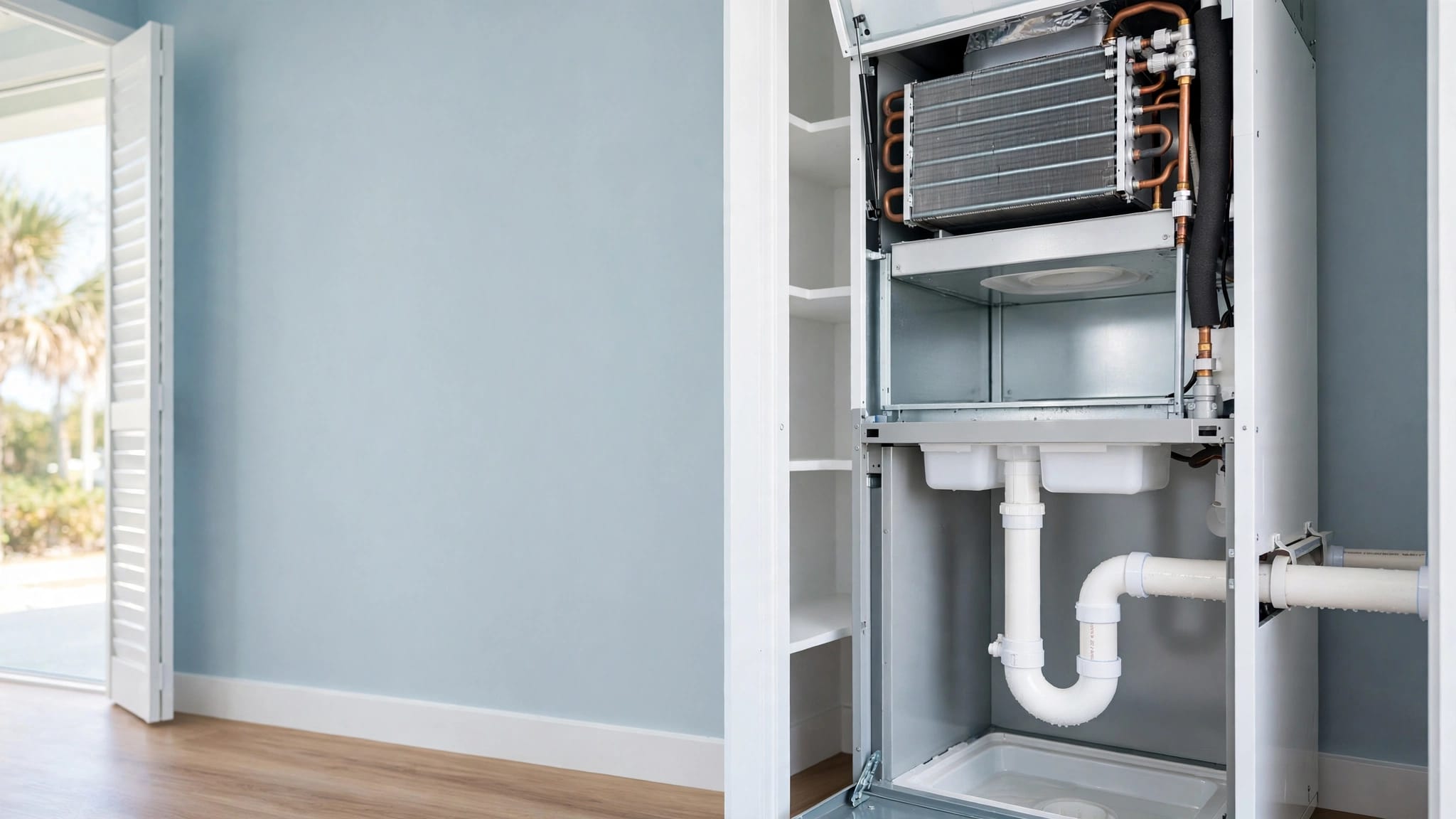
The control board is an electrical circuit board inside the air handler, furnace, or outdoor condenser. Depending on the system, it receives low-voltage commands from the thermostat and sends them to the blower motor, contactor, compressor, outdoor fan, and safety controls. Some systems use separate indoor and outdoor boards, while others use one main board.
A board can fail because of age, voltage surges, loose wiring, moisture, overheated relays, or a short elsewhere in the system. However, a damaged board may be the result of another fault rather than the original problem. A new board can fail again if a technician doesn't find what caused the damage.
Only a qualified HVAC technician should diagnose or replace a control board. Air conditioners contain hazardous electrical components, and several other faults can create the same symptoms.
Seven signs of an AC control board failure
No single symptom proves that the board has failed. Still, certain patterns give a technician useful clues.
1. The system doesn't respond to a thermostat call
When the thermostat is in cooling mode and set below the room temperature, the air conditioner should start after a short delay. If the indoor and outdoor units remain completely silent, the board may not be processing the 24-volt cooling signal. A failed relay, low-voltage circuit, or board fuse can interrupt that command.
First, check the thermostat mode, temperature setting, and batteries if it uses them. You can check whether the HVAC breaker has tripped once, but don't keep resetting it. A failed transformer, loose wire, float switch, or thermostat can cause the same symptom.
2. The AC starts and stops at random
An aging relay or cracked solder connection may work when the board is cool, then stop when the cabinet heats up. You may notice normal operation in the morning, followed by sudden shutdowns during the hottest part of the afternoon. The system might restart after sitting for a while.
That pattern can point to an intermittent control board problem, but short cycling has other causes. A dirty filter, low refrigerant, restricted airflow, thermostat issue, or oversized system can also produce rapid starts and stops. Record when the unit runs and stops, then arrange service instead of repeatedly cycling the power.
3. The blower won't run or runs continuously
The indoor control board often controls blower timing and speed. If the AC cools but little air comes through the vents, the board may not be sending the correct signal to the blower motor. A stuck relay can also make the fan run continuously, even when the thermostat isn't calling for cooling.
Check that the thermostat fan setting is on "AUTO" rather than "ON." You can also inspect the filter if it's accessible. A failed blower motor, capacitor, ECM module, clogged filter, or condensate safety switch can mimic a board failure, so a technician should test those parts before recommending replacement.
4. The indoor unit runs, but the outdoor unit stays off
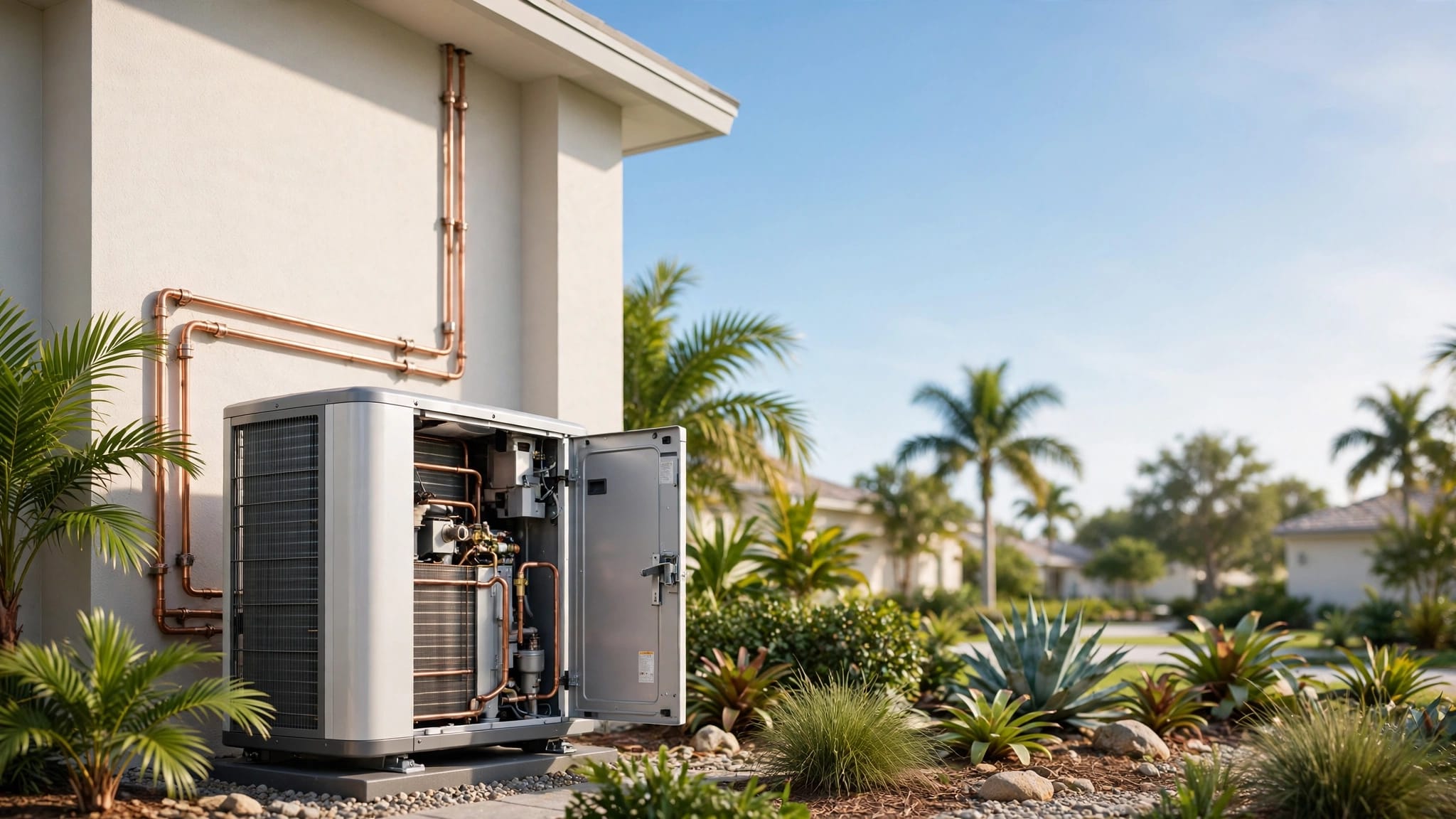
This is a common split-system symptom. The indoor blower may run while the outdoor condenser remains silent because the board isn't sending the cooling signal to the contactor. An outdoor control board can also fail to activate the compressor or condenser fan.
Other possible causes include a tripped disconnect, failed contactor, bad capacitor, high-pressure switch, or wiring problem. Don't remove the outdoor panel or touch the contactor. Turn the system off and schedule professional service, especially if you hear humming or smell overheated wiring.
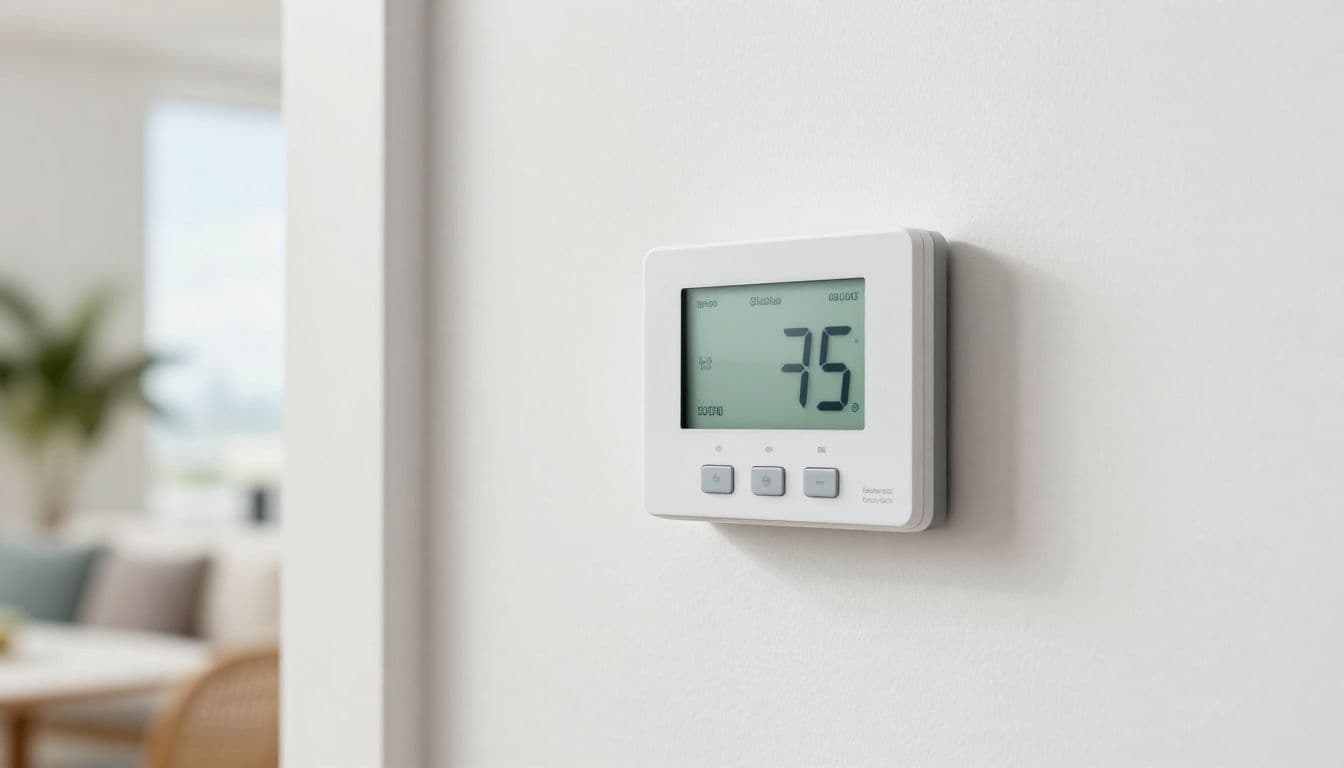
5. The thermostat display flickers or resets
A thermostat that goes blank, flashes, or restarts when the AC begins cooling may be losing control voltage. The indoor board, transformer, wiring, or a shorted low-voltage circuit could be involved. In some homes, a condensate overflow switch cuts power to the thermostat circuit to prevent water damage.
The thermostat itself may be defective, and weak batteries can create similar behavior. Replace the batteries if applicable and note when the display changes. If the problem returns when cooling starts, have a technician check the low-voltage circuit and board instead of replacing the thermostat by guesswork.
6. A diagnostic light shows the same error repeatedly
Many modern air handlers and condensers have diagnostic LEDs or displays. A repeated flash pattern can point to a sensor, communication, pressure, motor, or safety fault. Sometimes the board reports a problem correctly, but that doesn't mean the board itself caused it.
Write down the flash pattern or take a photo without opening the electrical panel. The technician can compare the code with the manufacturer's service information and test the related component. An AC control board failure becomes more likely when the board has correct power and inputs but cannot produce the required output.
7. You notice burning, corrosion, or relay noise
A qualified technician may find charred areas, melted terminals, corroded traces, or a relay that buzzes and chatters. These conditions can indicate board damage from heat, moisture, a loose connection, or an electrical short. Southwest Florida's humidity can also increase corrosion risk around vulnerable electrical connections.
Homeowners shouldn't open the equipment cabinet to look for these signs. If you smell burning plastic or electrical insulation, turn off the system at the thermostat. If the odor continues, smoke appears, or the panel feels hot, switch off the breaker only if you can do so safely and seek urgent HVAC help.

Photo by Richard Low Hong
Why the control board may not be the real problem
Air conditioning symptoms overlap. A system that won't start may have a tripped breaker, failed transformer, blown low-voltage fuse, broken thermostat wire, or activated float switch. A condenser that doesn't run may have a bad capacitor or contactor instead of a failed board.
Cooling problems can also come from airflow or refrigerant issues. A clogged filter can cause the evaporator coil to freeze, while low refrigerant can produce weak cooling and repeated shutdowns. Neither problem should lead to automatic board replacement.
Before service, note what you see and hear:
- Does the indoor blower run when the outdoor unit doesn't?
- Does the thermostat lose power?
- Does the system work again after it sits?
- Do you hear buzzing, clicking, or humming?
- Does the unit show a diagnostic code?
Those details help shorten the diagnostic process. Valor Heating & Cooling provides professional HVAC repair and inspection for homes and businesses in Fort Myers and Lee County.
How a technician confirms an AC control board failure
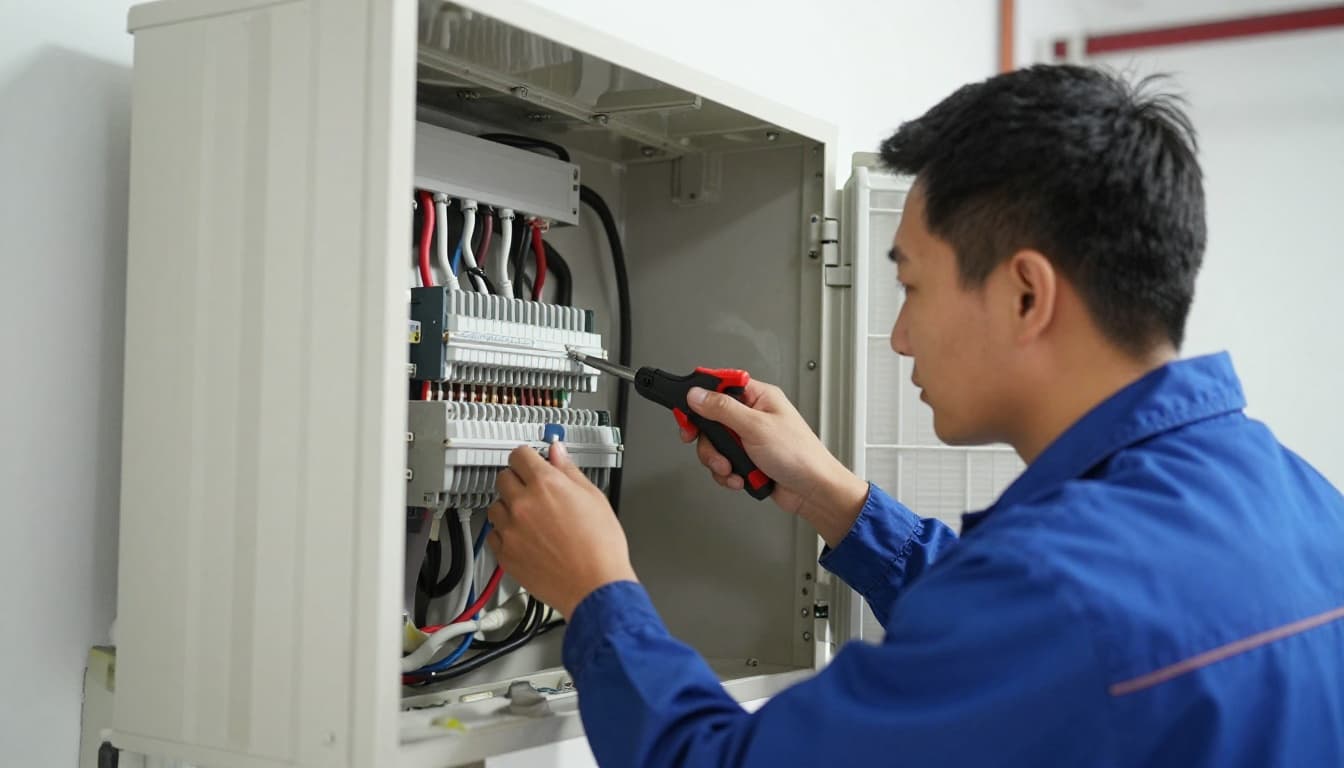
A technician starts by following the electrical path instead of replacing parts based on symptoms. They check incoming voltage, low-voltage power, thermostat signals, fuses, wiring connections, and safety switches. The technician may also test the transformer, contactor, capacitors, blower motor, compressor circuit, and condensate protection.
Next, the technician compares the board's inputs with its outputs. If the board receives the correct command and power but fails to send the expected signal to a component, the board becomes a strong suspect. The technician also inspects connectors, relays, terminals, and the cabinet for heat or moisture damage.
A confirmed AC control board failure still requires a search for the underlying cause. For example, a shorted wire, failing motor, or voltage surge may damage a replacement board if the technician doesn't correct it first.
Should you repair or replace the control board?
Most residential control boards are replaced as an assembly when they fail. Component-level repairs may not be supported by the manufacturer, and the correct replacement must match the system's model and electrical design. Some boards also require setup, configuration, or compatible accessories.
The repair decision depends on the board's availability, labor, warranty, system age, and condition of the compressor, coil, blower, and refrigerant circuit. If the unit is older or has several expensive faults, compare the board repair with a complete replacement estimate.
When the system is unreliable or repair costs are unclear, you can Schedule an Estimate with a Valor Heating & Cooling technician. If the AC stops during dangerous heat or you smell an electrical problem, emergency HVAC service may be the safer choice.
Conclusion
An AC control board failure can appear as a dead system, random cycling, blower trouble, thermostat resets, outdoor unit problems, repeated fault codes, or visible electrical damage. Those signs point toward a diagnostic path, but they don't prove the board is defective.
Because the same symptoms can come from a thermostat, capacitor, contactor, motor, safety switch, wiring, or refrigerant problem, let a qualified HVAC technician test the system. Accurate diagnosis protects your budget and helps prevent the replacement board from failing for the same reason.
Recent Posts