Window Film vs Solar Screens for Florida Cooling Costs
Florida sun can heat a room before your air conditioner has time to catch up. If you're comparing window film vs solar screens , the better choice depends on your glass, window orientation, shading, and how much heat enters through each opening.
Both options can reduce glare and solar heat, but they work in different locations. Film changes the glass, while solar screens block sunlight outside the window. Installation quality and product specifications matter just as much as the material itself.
Why Florida windows add to cooling costs
In Southwest Florida, west- and south-facing windows often receive intense afternoon sunlight. That radiant heat warms floors, furniture, walls, and indoor air. Your AC then runs longer to remove the added heat and humidity.
Large windows, sliding glass doors, clear single-pane glass, and rooms without exterior shade usually create the greatest cooling challenge. However, even newer windows can admit substantial solar heat if they have clear glass or lack a low-emissivity coating.
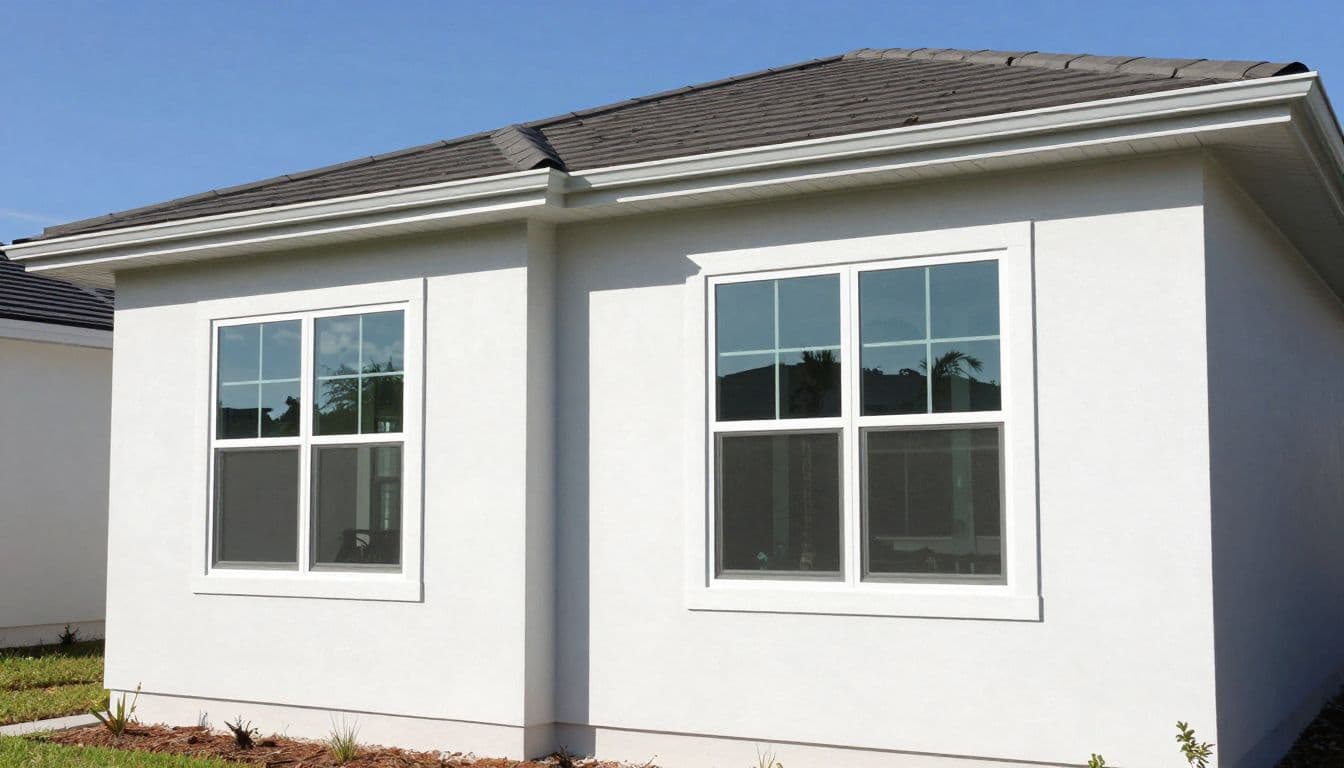
Window treatments can reduce peak heat gain, but they won't correct every comfort problem. Air leaks, poor insulation, undersized equipment, dirty coils, and weak ductwork can also make a room feel hot.
What window film changes
Window film is usually applied to the interior surface of the glass. Solar-control films can reflect or absorb part of the sun's energy before it enters the room. Many products also reduce glare and block much of the ultraviolet light that fades flooring, furniture, and artwork.
Film keeps the window's existing shape and doesn't require an exterior frame. It can also provide a more consistent appearance across several windows. Depending on the product, the glass may look lightly tinted, darker, reflective, or nearly unchanged.
Glass compatibility deserves careful attention. Certain films may not suit particular insulated glass units, low-e coatings, or older windows. A qualified installer should review the glass type, seal condition, warranty requirements, and the manufacturer's installation data before recommending a product.
How solar screens block heat outside
Solar screens use a tightly woven mesh installed on the exterior of a window or inside a framed screen system. Because the mesh sits outside the glass, it intercepts sunlight before that energy reaches the window surface.
The result can be a cooler pane and less radiant heat near the window. Solar screens also reduce glare while preserving some outward visibility. Dark mesh often provides a clearer daytime view than light mesh, although the room may look dimmer.
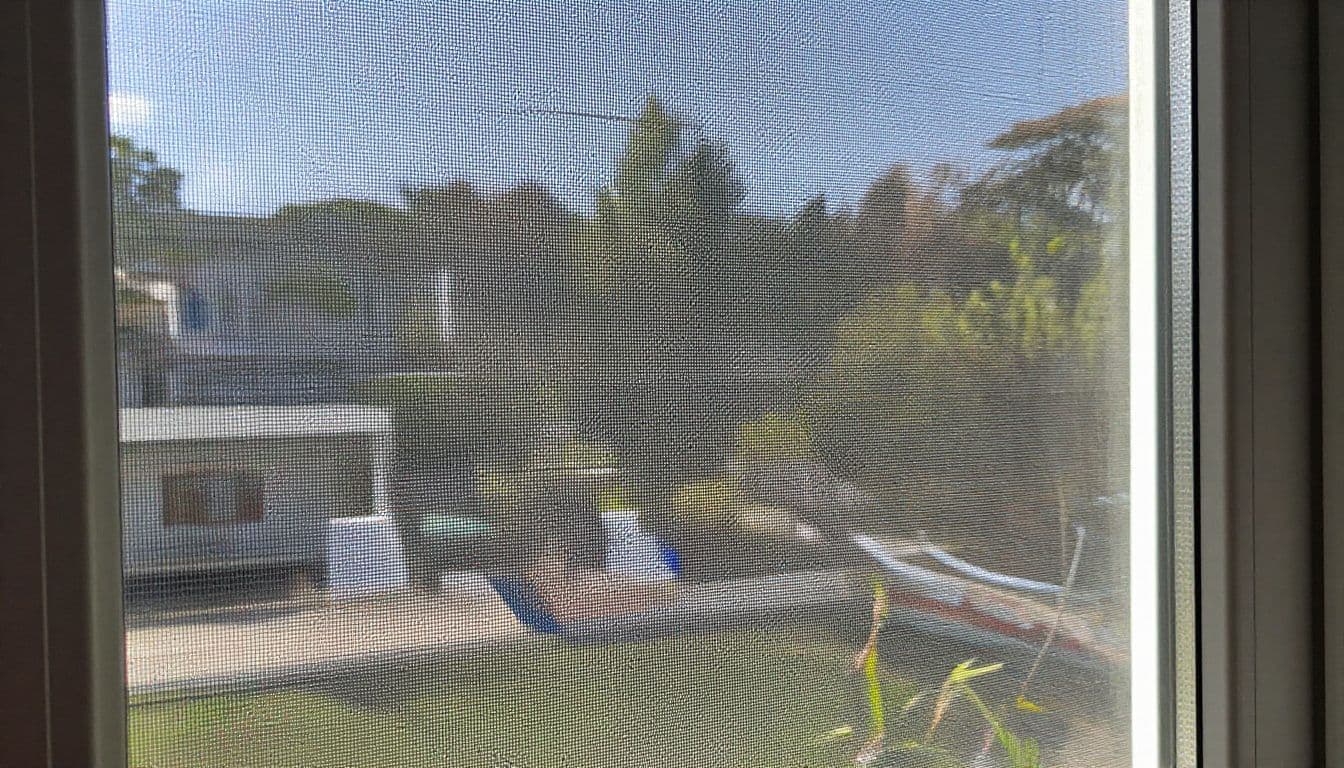
Screen performance depends on mesh density, color, openness factor, window size, and installation. Tighter mesh usually blocks more sunlight but can reduce visibility. The frame must also fit securely and remain compatible with the home's window design.
Window film vs solar screens: side-by-side
The practical differences are easier to see when the two options sit next to each other.
| Factor | Window film | Solar screens |
|---|---|---|
| Installation location | Usually applied to the interior glass | Installed outside the window or in an exterior frame |
| Heat control | Reduces solar energy passing through the glass | Blocks sunlight before it reaches the glass |
| Appearance | Can be clear, tinted, reflective, or dark | Adds visible mesh and an exterior frame |
| View and daylight | Depends on film shade and visible transmittance | Depends on mesh color and openness |
| Glass concerns | Requires product and glass compatibility review | Doesn't change the glass, but needs sound mounting points |
| Maintenance | Clean with appropriate non-abrasive methods | Clean mesh and inspect frames periodically |
| Best advantage | Consistent appearance and interior installation | Strong exterior shading for sun-exposed windows |
| Hurricane protection | Standard film doesn't create impact-rated glass | Standard solar screens don't stop wind-borne debris |
Lower solar heat gain is usually the goal, but every product makes a tradeoff. A darker film or tighter mesh may improve glare control while reducing daylight and the view. Ask for the product's solar heat gain coefficient, visible transmittance, and other tested performance data instead of choosing by appearance alone.
The phrase window film vs solar screens describes two different heat-control strategies. Film modifies the window. Screens shade the window before the glass absorbs sunlight.
Cooling cost, maintenance, and appearance
Neither option has a universal payback period. A contractor would need to consider window area, orientation, glass type, room usage, utility rates, existing shade, and the condition of the HVAC system.
Film pricing usually depends on square footage, film type, glass access, and installation difficulty. Tall windows, large sliders, and rooms with furniture near the glass may require more preparation. The installer may also need to remove old film or repair surface problems before applying a new product.
Solar screen pricing depends on the number and size of openings, screen material, frame design, and access to upper windows. Exterior screens may need occasional washing because pollen, dust, salt air, and other debris collect on the mesh. Loose frames and damaged mesh can also reduce performance.
Window film has a lower visual profile once installed, but it isn't invisible in every case. Reflective products can change the exterior appearance. Solar screens are easier to see from outside, yet many homeowners prefer their shading effect on bright rooms.
For either option, installation quality affects the result. Bubbles, edge lifting, gaps, poor frame seals, or an improperly sized screen can reduce appearance and performance. A low-quality installation can also make it harder to determine whether the product itself works as promised.
Which option fits your Florida home?
The best choice depends on the problem you want to solve and the windows causing it.
Window film may fit when:
- You want the exterior appearance to change as little as possible.
- Interior glare affects televisions, monitors, kitchens, or home offices.
- Some windows are difficult to shade with exterior frames.
- You want UV control across large glass areas.
- The existing glass is in good condition and the recommended film is compatible.
Film can work well when a homeowner wants a uniform look across several rooms. It may also suit homes with screened lanais or landscaping that makes exterior screen installation difficult.
Solar screens may fit when:
- Direct sun strikes west-facing or south-facing windows for hours.
- You want to stop heat before it reaches the glass.
- Exterior shading is acceptable.
- The windows have sound frames and enough room for secure mounting.
- You prefer a removable exterior treatment for selected openings.
Solar screens often make sense on the most sun-exposed windows rather than every window in the house. Treating a few high-heat openings may improve comfort without darkening the entire home.
A combination can be practical
One treatment doesn't have to cover every window. For example, a homeowner might use exterior solar screens on west-facing bedrooms and solar-control film on glass doors where a screen frame would interfere with operation.
The decision should follow the home's actual heat pattern. A shaded north-facing window may need no treatment, while an unshaded west-facing window can remain uncomfortable even after treatment. Room temperature, glare, fading, and the time of day each window receives sun all provide useful clues.
Older or damaged windows need inspection first. Cracked glass, failed insulated glass seals, deteriorated frames, and air leakage can limit the value of either product. A screen or film won't repair a window that allows conditioned air to escape.
What to check before choosing a product
Start with the windows that create the clearest comfort problem. Track which rooms heat up, when the sun reaches them, and whether the AC runs continuously during those periods.
Then ask the installer for product-specific information:
- Confirm the glass type, including single-pane, insulated, tinted, and low-e glass. Film recommendations can change based on the glass construction.
- Review solar heat gain, visible transmittance, glare reduction, and reflectivity data. A darker appearance doesn't automatically mean better cooling performance.
- Inspect window seals, frames, tracks, and screens before installation. Repairs may matter more than the new treatment.
- Compare how the treatment affects daylight, nighttime privacy, exterior appearance, and window operation.
- Verify local HOA requirements before changing the exterior appearance. Some communities restrict reflective film, visible screen frames, or certain colors.
- Request a written estimate that identifies the product, coverage area, warranty terms, preparation work, and installation details.
Ask how the product performs on your specific windows, not only how it performs in a sample display. Results vary with orientation, existing glass, overhangs, trees, nearby buildings, product specifications, and workmanship.
A qualified window-treatment installer can estimate expected solar control. An HVAC professional can also check whether the cooling system is sized and operating properly before you attribute every high bill to the windows.
Don't confuse solar screens with hurricane protection
This distinction matters in coastal Florida. A standard solar screen reduces sunlight and heat, but it doesn't protect glass from wind-borne debris. It isn't a substitute for approved shutters, impact-rated windows, or another tested storm-protection system.
Standard window film also doesn't turn ordinary glass into impact-resistant glass. Safety or security films may help hold broken glass together in some applications, but their performance and installation requirements differ. Ask for tested documentation if storm protection is part of your project.
Window treatments can lower the solar load, while hurricane systems address storm impact and wind. They solve separate problems and should be evaluated separately.
Protect the savings with a healthy AC system
Reducing window heat gain can help an air conditioner maintain indoor temperature, but it won't fix an aging or poorly maintained system. Keep airflow, coils, refrigerant charge, drainage, and controls in good condition with routine cooling tune-ups.
If your AC still struggles after shading improvements, have a technician inspect system size, ductwork, insulation, and humidity control. When replacement becomes necessary, understanding SEER2 ratings for AC replacement can help you compare equipment without relying on the rating alone.
A cooling estimate can show whether your home needs window improvements, HVAC repairs, or both. You can Schedule an Estimate with a qualified HVAC technician when uneven temperatures or high summer bills continue.
Choose the treatment that matches the window
The right answer in the window film vs solar screens comparison isn't the same for every Southwest Florida home. Film offers interior installation, glare control, and a consistent appearance when the glass is compatible. Solar screens provide exterior shading that can stop more sunlight before it reaches the pane.
Start with window orientation, glass condition, shade, and the room's comfort pattern. Confirm the product data, verify HOA rules, and use a qualified installer. When the window treatment and AC system work together, your home has a better chance of staying comfortable during Florida's hottest hours.
Recent Posts