Are UV Lights Worth It for Fort Myers AC Systems?

Valor HVAC • June 16, 2026

Share this article

Fort Myers heat puts your AC system to work almost nonstop. Add year-round humidity, and the inside of that system can stay damp long enough for microbial growth to become a real concern.

That's why AC UV lights come up so often in Southwest Florida. They can help keep coils cleaner and may support better indoor air quality, but they're not magic. The real question is whether they make sense for your home, your system, and your budget.

How UV lights work inside an AC system

UV lights use ultraviolet energy to shine on the parts of your system where moisture and growth often build up. Most are installed near the evaporator coil or in the air handler.

That matters in a humid place like Fort Myers. When the coil stays damp, it can collect slime, mold, and bacteria more easily. A UV lamp aims to slow that growth and keep the coil surface cleaner between service visits.

UV lights can help with coil cleanliness, but they're one part of a larger maintenance plan.

There are two common setups. One targets the coil directly, while the other treats moving air inside the cabinet or duct path. Coil-focused lights are often the better fit for homes with heavy condensation or visible buildup.

The results are usually practical, not dramatic. You may see less grime on the coil, less musty odor from the air handler, and fewer conditions that let growth spread. You should not expect UV lights to fix a dirty filter, bad ductwork, or drainage problems.

When UV lights make the most sense for Fort Myers homes

UV lights are most useful when moisture is the main problem. That is common in coastal Southwest Florida, especially in homes that run the AC for long stretches.

If your system has a history of slimy coil buildup, a musty smell near the handler, or repeated drain pan issues, UV may help. Homes with allergy concerns also tend to ask about them, although filtration still does the heavy lifting for airborne particles.

Here's a simple way to think about the fit:

Home situation UV lights may help? Why it matters
Coil gets dirty fast Yes Light can slow growth on damp surfaces
Musty smell near the air handler Often Cleaner coil surfaces may reduce odor
Good filters, clean ducts, routine service Maybe Benefit may be smaller if the system is already in good shape
Drain or airflow problems No, not by itself The root problem still needs repair

For many Fort Myers homeowners, the best use case is a system that runs often, sees heavy humidity, and needs help staying cleaner between maintenance visits. In that setting, UV lights can be a smart add-on instead of a stand-alone fix.

They also make more sense when paired with consistent service. A routine heating and cooling system care plan keeps the system clean, checks the drain, and helps spot problems before they grow.

What UV lights won't fix

UV lights do one job well, but that job is narrow. They target microbial growth on surfaces. They do not remove dust from the air the way a filter does.

That difference matters. If your filter is poor, your ducts are dirty, or your system needs airflow work, a UV lamp won't solve those issues. It also won't repair a clogged drain line, a low refrigerant issue, or an oversized system that short-cycles and leaves too much moisture behind.

A good HVAC setup still needs the basics:

  • A proper filter that fits the system and gets changed on time
  • Routine maintenance to keep the coil, drain, and blower in shape
  • Duct cleaning when needed if dust, debris, or contamination is present
  • Fast repairs when the system starts making noise, leaking, or cooling poorly

For that reason, AC UV lights work best as a support tool. They help the system stay cleaner, but they should not be treated like a cure-all.

If your AC already has visible problems, an HVAC repair and inspection visit is the better first step. That gives you a clear picture of whether UV lights are a good add-on or just extra cost.

What they usually cost, and how upkeep works

Most homeowners want to know the price before anything else, and that's fair. Installed UV light costs often fall somewhere in the $300 to $1,000 range , depending on the system, lamp type, and installation complexity. Some higher-end setups cost more, especially if the unit needs extra parts or access work.

That price range makes sense for a lot of Fort Myers homes, but it only works if the system is a good fit. A small townhouse air handler and a larger two-system home may need different equipment and labor.

Maintenance is part of the deal, too. UV lamps lose strength over time, even if the light still turns on. Many need replacement about every 12 months, while some last closer to 18 or 24 months. The exact timing depends on the model and how hard the system runs.

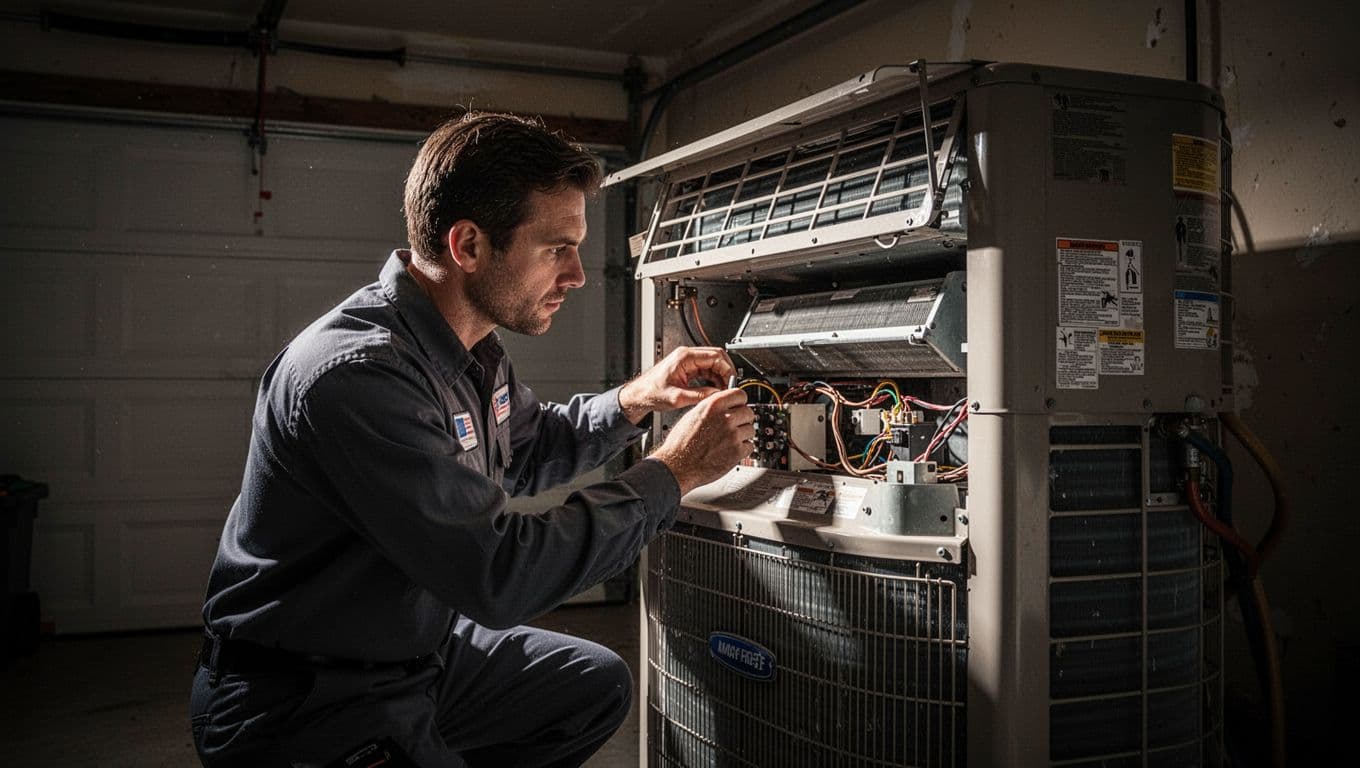
A yearly check is a smart habit. During that visit, a technician can confirm the lamp is still doing its job, clean the area if needed, and make sure the coil and drain look right.

If you want a price that fits your system instead of a guess, Schedule an Estimate and ask about UV light options along with your maintenance plan.

Signs your AC system may be a good candidate

Some systems are better candidates than others. If one or more of these sound familiar, UV lights may be worth discussing:

  • Your air handler or coil has had visible growth before.
  • The system gives off a damp or musty smell.
  • Your AC runs many hours a day, especially in summer.
  • The drain pan or coil area has stayed wet in the past.
  • You keep up with filters, but the coil still gets dirty fast.
  • You want extra help with cleanliness, not a replacement for service.

A system with clean ducts, strong filtration, and steady maintenance may still benefit, but the payoff may be smaller. On the other hand, a unit that lives in a hot, wet closet or garage often has more to gain.

Age matters too. Older equipment can still use UV lights, but the rest of the system should be checked first. If the blower, coil, or drain is already struggling, it may be smarter to fix those issues before adding anything else.

The best time to ask is during a service call, when a tech can see the coil, drain, and air handler in person. That kind of inspection gives you a clearer answer than a broad online recommendation ever could.

Conclusion

For Fort Myers homeowners, UV lights can be worth it when humidity keeps the coil damp and microbial growth keeps coming back. They can help the system stay cleaner and may reduce musty odors, especially in homes that run the AC hard.

They work best as a support tool, though. Good filtration, regular maintenance, and needed duct or repair work still come first. If your system shows signs of moisture trouble or coil buildup, UV lights may be a practical add-on instead of a high-cost guess.

Recent Posts

By Valor HVAC June 15, 2026
When an AC system goes in the right way, you feel it every day. The house cools faster, the air feels lighter, and the equipment works without fighting itself. In Southwest Florida, that difference matters even more. Long cooling seasons, sticky humidity, and salt in the air p...
By Valor HVAC June 14, 2026
Fort Myers air conditioners work hard almost all year, so the wrong filter can cause trouble fast. A filter that looks "better" on paper may slow airflow, raise strain, and leave rooms feeling sticky. MERV filter ratings help you compare filters, but the right choice depends o...
By Valor HVAC June 13, 2026
Sweating AC vents are common in Southwest Florida, especially when the air feels thick enough to drink. A little moisture can be normal for a short time, but persistent dripping is a sign worth watching. The mix of high humidity , cold supply air, and warm indoor air creates t...
By Valor HVAC June 12, 2026
A weak AC can make a Fort Myers afternoon feel even longer. When the AC blower motor is failing , the signs often show up before the system stops cooling altogether. You may notice less air from the vents, strange noises, or a unit that shuts off at the worst time. In Southwes...
By Valor HVAC June 11, 2026
In Fort Myers, your AC works harder than it does in most places. That makes the choice between a single-stage and a two-stage system about comfort, humidity, noise, and monthly bills, not just equipment specs. A home that feels fine in a mild climate can feel sticky and uneven...
By Valor HVAC June 10, 2026
The 2025 refrigerant changes did not make every old air conditioner obsolete. They did change what goes into new systems, and that affects repair choices, replacement quotes, and long-term service plans for Fort Myers homes. If your AC is still running, you probably do not nee...
By Valor HVAC June 9, 2026
Fort Myers heat doesn't give your AC a break, and that matters when you're deciding whether a variable-speed system is worth the upgrade. If your current unit cools unevenly, leaves rooms sticky, or sounds like a truck starting up, the answer is rarely simple. A variable-speed...
By Valor HVAC June 8, 2026
Fort Myers homes spend most of the year asking one thing from HVAC systems, stay cool and dry. That makes the heat pump vs central AC choice more than a name on a quote. The two systems can look similar, but they don't always fit a Florida home the same way. Because Southwest...
By Valor HVAC June 7, 2026
A single surge can disable an air conditioner in seconds, and Southwest Florida gives your system plenty of chances to face one. Thunderstorms, lightning, utility flickers, and storm recovery all put extra stress on cooling equipment. That matters even more here because your A...
By Valor HVAC June 6, 2026
The wrong AC size shows up fast in Fort Myers. Rooms feel sticky, bills rise, and the system may short-cycle or run forever. A quick square-foot estimate can point you in the right direction, but it cannot tell the full story. In Southwest Florida, heat, humidity, sun exposure...
Show More