Signs Your AC Contactor Is Failing in Fort Myers
Your AC can give you warning signs before it quits completely. In Fort Myers, that matters because a weak cooling system can turn a hot afternoon into a miserable one fast. One small part often sits behind the trouble: the AC contactor , a switch that sends power to the outdoor unit. When it starts to fail, the clues are easy to miss until the system stops working.
Clicking, buzzing, short cycling, and a unit that runs when it shouldn't can all point to the same problem. Some of those symptoms can come from other parts too, so the safest move is to spot the pattern early and call for help before the heat builds.
What the AC contactor does inside your system
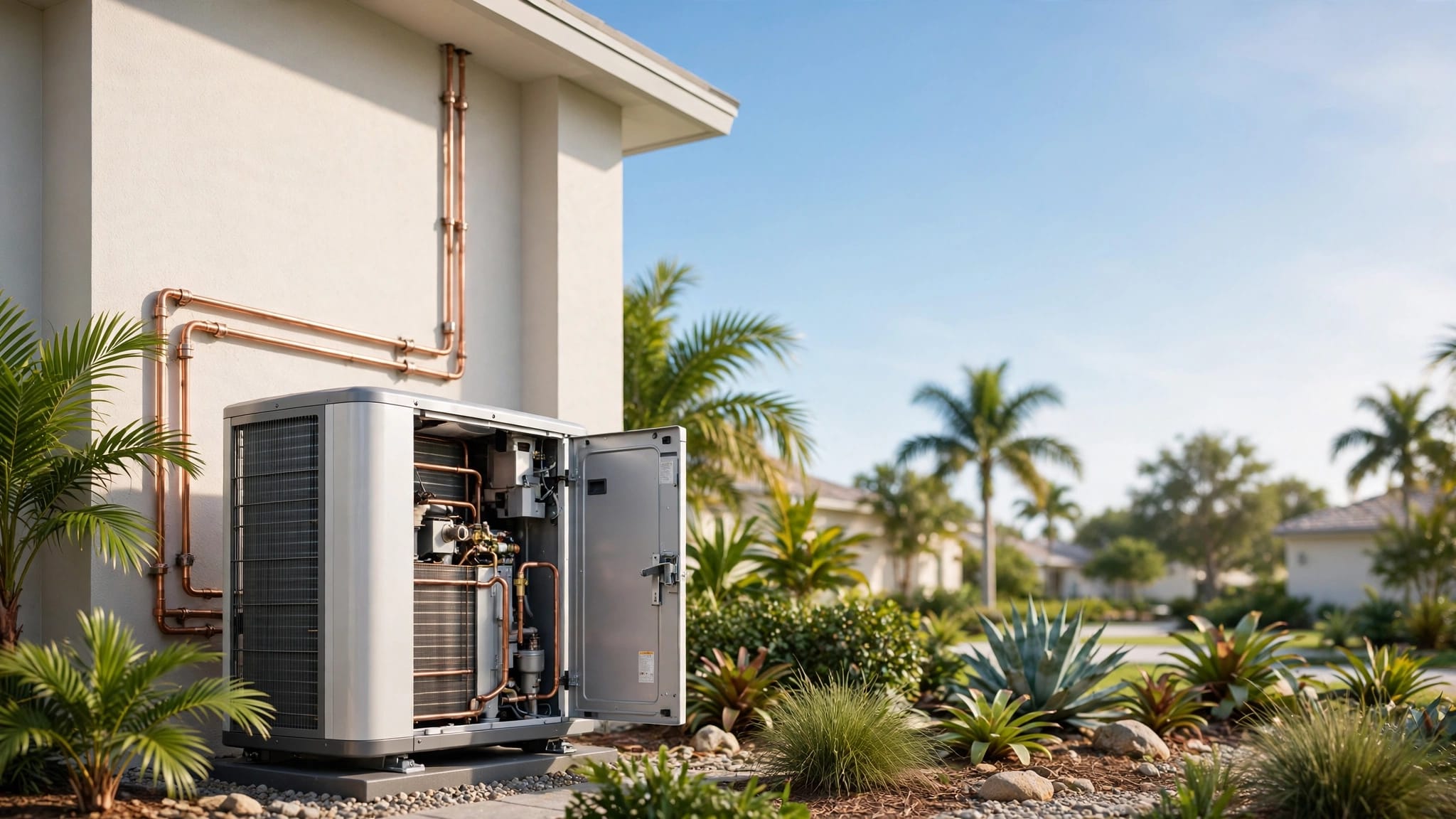
Inside the outdoor condenser, the contactor acts like a heavy-duty switch. When the thermostat calls for cooling, it closes and sends power to the compressor and fan. When the call ends, it opens again.
When that part wears out, the whole system can get confused. A bad contactor may fail open, which keeps the outdoor unit from starting. It may also stick closed, which can keep the unit running after the thermostat says to stop.
A bad contactor can act like a faulty light switch, except it controls high-voltage power to your AC.
Because the part handles high-voltage power, it is not a safe DIY repair for most homeowners. Even if the problem looks simple, the outdoor cabinet can hold dangerous electrical charge. That is one reason contactor trouble deserves a professional eye.
Clicking and buzzing often show up first
A healthy AC should start with a clean, brief sound. When the contactor is wearing down, that startup can get noisy. You might hear a sharp click, then another click, then a buzz from the outdoor unit.
That buzz matters. It can mean the contactor is trying to pull in, but it cannot make solid contact. In plain terms, the switch is struggling to close all the way.
Sometimes the sound is light at first. Other times it gets louder, like a faint electrical hum that turns into a harsh buzz. Either way, it should not be ignored.
If you hear clicking from the thermostat area and nothing happens outside, the problem may still be the contactor. The same is true if the unit starts after a delay or works only some of the time. These are early signs, and they often show up before the system stops cooling altogether.
When the AC won't turn on, the contactor may be stuck open
A failing contactor can leave you with a dead outdoor unit. The indoor blower may still run, but the condenser outside stays quiet. That means the system is moving air without actually cooling it.
This can feel especially frustrating on a sticky Fort Myers day. The thermostat may call for cool air, yet the temperature inside keeps climbing. You may lower the setting, wait, and get the same warm blast from the vents.
A contactor problem can also look random. The AC may work one hour and fail the next. Then it may start again after a few minutes, which makes the issue easy to blame on a thermostat or a fluke.
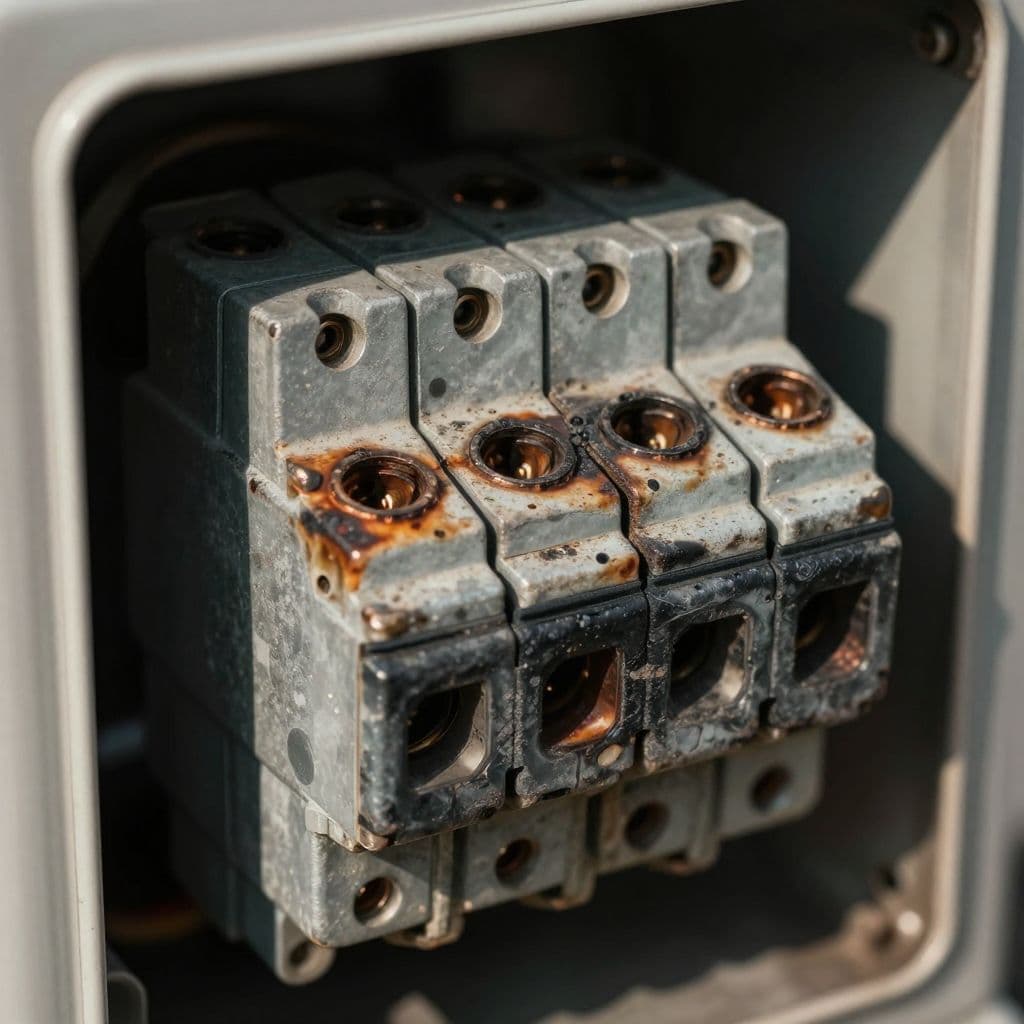
Pay attention if the outdoor fan never starts, or starts only after several tries. That delay can mean the contactor is pitted or burning at the contact points. Other parts can cause similar symptoms, but a worn contactor is a common one.
When cooling cuts in and out, the house never reaches a steady temperature. That is more than annoying. It also puts extra stress on the rest of the system.
A unit that keeps running can be just as bad
A failing contactor does not always stop the AC from working. Sometimes it does the opposite and keeps power flowing when it should stop. The outdoor unit may run long after the house is cool enough.
That can waste energy fast. It can also wear down the compressor and fan motor because they keep running without a proper stop signal. If the contactor sticks hard enough, the system may not shut off at all unless you cut power.
This kind of failure is easy to miss at first. The AC is on, so it seems like nothing is wrong. Then you notice the house is colder than it should be, or the outdoor unit is still humming late at night.
Short cycling can show up here too. Short cycling means the AC turns on, runs for a short burst, and shuts back off before the house cools. A weak contactor can cause that stop-and-start pattern when it cannot hold a steady connection.
Short cycling is rough on any cooling system. It keeps parts under strain, and it prevents the unit from doing its job evenly. In a humid climate, that often means the house feels clammy even when the thermostat says the temperature is close.
Why Fort Myers heat makes contactor problems worse
Fort Myers homes rely on AC for a long stretch of the year. The outdoor unit does not get much of a break, and that constant use can wear electrical parts faster. Humidity adds more stress because the system has to work harder to pull moisture from the air.
Salt air can add to that wear, especially for homes closer to the coast. Outdoor components face heat, moisture, and corrosion all at once. Over time, that can rough up the contact surfaces inside the contactor.
That is why a small electrical issue can feel bigger here than it would in a milder climate. A part that only acts up now and then still matters when the AC is running almost every day. One weak connection can turn into a no-cool afternoon quickly.
Fort Myers weather also makes delayed repairs risky. If the contactor fails during a heat wave, the house can warm up fast. Pets, kids, and older adults feel that shift first. Waiting a few days can turn a simple repair into a much harder one.
What to do next if these signs show up
Do not open the outdoor cabinet or try to swap the part yourself. The contactor carries high-voltage power, and the system can still hold a charge even when the thermostat is off. A quick mistake can turn into an electrical shock or a bigger repair.
If the symptoms are mild, schedule service soon. A technician can test the contactor, check the wiring, and look for damage around the compressor and fan circuit. That kind of inspection can catch a small issue before it spreads.
If the system still cools but acts strange, Schedule an Estimate before the problem gets worse. That is a smart move when you hear clicking, get uneven cooling, or notice the outdoor unit starting and stopping too often.
Shut the system off and seek urgent help if you notice any of these:
- Burning smell from the outdoor unit
- Smoke or visible sparks
- Loud, hard buzzing that does not stop
- A breaker that keeps tripping
- The outdoor unit staying on when it should be off
Those signs point to more than a simple wear-and-tear issue. They can mean the contactor is badly damaged or that another electrical part is failing too. In that case, leaving the system on can make the damage worse.
The safest response is to act early
A failing contactor usually leaves a trail. It may start with clicking, move to buzzing, then turn into weak cooling or a system that will not start. In Fort Myers, where the AC works hard year-round, those signs deserve quick attention.
The part is small, but the problem is not. A worn contactor can leave you hot, raise your power bill, and strain bigger components inside the unit. When the warning signs show up, a fast call is easier than a full breakdown on the hottest day of the week.
Recent Posts