
Can a Kitchen Range Hood Depressurize a Florida Home?

Valor HVAC • November 14, 2026

Share this article

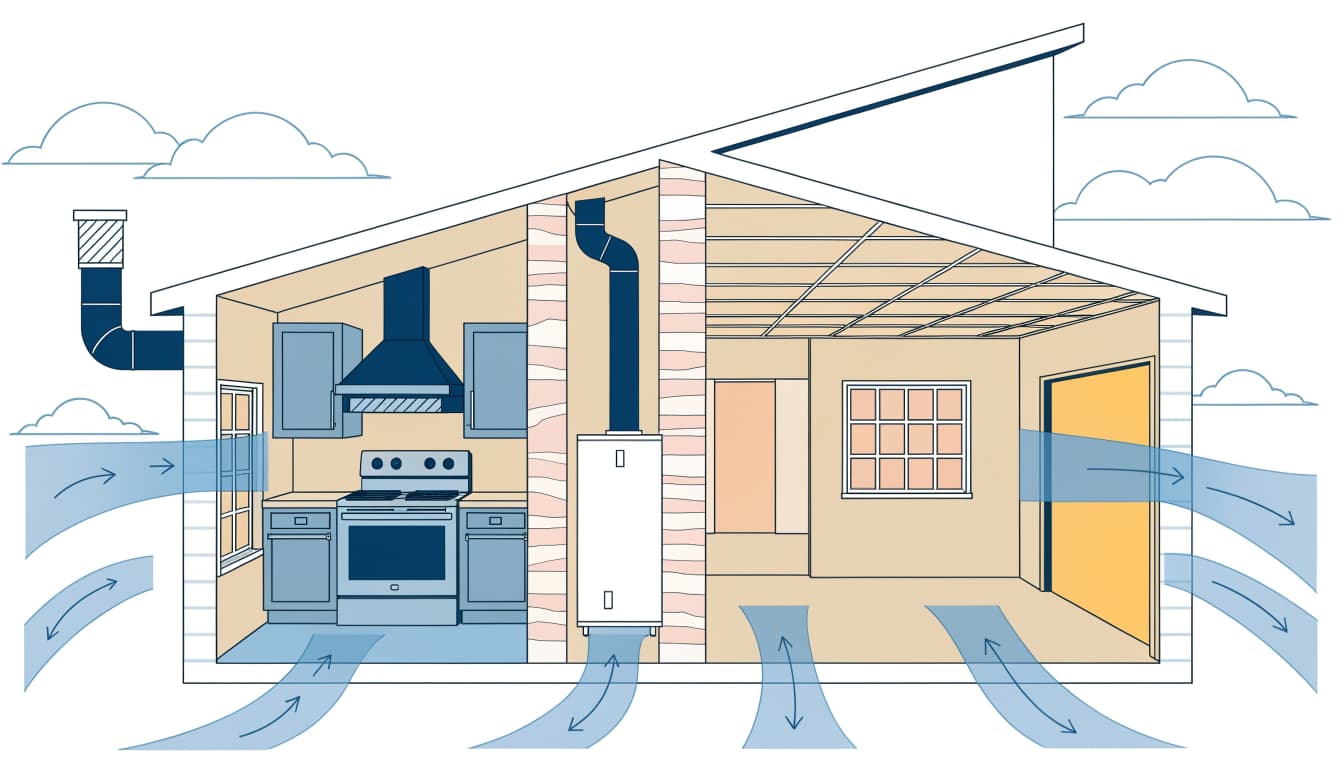
Yes. A kitchen range hood can depressurize a Florida home when it exhausts air faster than replacement air enters. The resulting negative pressure can draw air through gaps and, in some homes, interfere with fuel-burning appliance vents.

That doesn't mean your hood is unsafe. The effect depends on its airflow, your home's construction, and the other equipment running at the same time. Here's what Southwest Florida homeowners should know.

How range hood depressurization happens

A ducted range hood removes cooking fumes and sends indoor air outside. As that air leaves, replacement air must enter somewhere. If it can't enter easily, indoor pressure can drop below the pressure outdoors.

The house may draw air through gaps around doors, attic penetrations, or other unintended paths. A stronger hood, a tighter house, and other exhaust equipment running at the same time can increase the chance of a pressure problem.

A recirculating hood works differently. It filters some cooking air and returns it to the kitchen, so it doesn't create the same exhaust-driven pressure drop. However, it doesn't send cooking moisture or combustion gases outdoors.

Why Florida homes can be vulnerable

Southwest Florida's humid climate affects both the air that enters a home and the way the cooling system handles it.

Tight construction limits replacement air

Sealed windows, doors, and other improvements help keep cooled air indoors. They also leave fewer paths for air to replace what the range hood exhausts.

In an older, leakier house, replacement air may enter more easily. However, that air can come through an attic, wall cavity, or attached garage rather than a planned outdoor intake. Those paths can carry heat, moisture, dust, or odors.

AC and other exhaust fans change the picture

A typical central air conditioner mostly recirculates indoor air. It doesn't automatically replace everything the range hood sends outside.

Duct leakage can also affect pressure. For example, supply ducts that leak into an attic can remove air from the living space, while return leaks can draw attic air into the system. Our guide to signs your AC ducts need sealing covers symptoms worth discussing with a technician.

Bathroom fans and clothes dryers can add to the exhaust load. Running several appliances together may have a different effect than running the hood alone.

Can negative pressure affect gas appliances?

It can. Some fuel-burning appliances rely on a natural draft to carry combustion gases up a vent or chimney. If indoor pressure falls enough, that draft may weaken or reverse. This is called backdrafting .

A naturally vented gas water heater or furnace, as well as a fireplace, can be affected. Combustion gases may spill into the home instead of leaving through the vent. Carbon monoxide is a concern because you can't see or smell it.

Not every fuel-burning appliance uses indoor air or vents the same way. A qualified technician can evaluate the equipment and test its operation under conditions that put the house under the greatest expected exhaust load.

If a carbon monoxide alarm sounds, leave the home immediately, call 911 from outside, and don't return until emergency responders say it's safe.

Signs your range hood may be affecting pressure

Pressure problems aren't always obvious. You might notice an exterior door becoming harder to open while the hood runs, air whistling through gaps, or smoke and odors entering from a fireplace.

A house that feels more humid or smells musty after frequent hood use may also have an airflow issue. These clues don't identify the cause on their own, and backdrafting can happen without a noticeable smell.

Keep working carbon monoxide alarms in the home according to their instructions and applicable requirements. An alarm is an important warning device, but it doesn't replace an appliance and ventilation assessment.

How makeup air reduces the risk

Makeup air is outdoor air supplied to replace air removed by exhaust equipment. A planned system gives that air a controlled entry path instead of relying on gaps in the house.

Match the supply to the hood

Depending on the home, a makeup air system may use an outdoor-air duct, a damper, and a fan. Controls can coordinate the incoming air with the hood's operation. The design should account for other exhaust fans and any combustion appliances.

An energy recovery ventilator, or ERV, can provide balanced ventilation while transferring some heat and moisture between air streams. However, a standard balanced ERV doesn't automatically replace the extra air removed by a powerful range hood. Our comparison of ERV and HRV ventilation explains their role in Florida humidity control.

Plan for heat and moisture

Outdoor air in Fort Myers can be hot and humid. A makeup air design should consider filtration and how incoming air affects cooling and humidity. It should draw air from a suitable outdoor location, rather than an attached garage or another contaminated space.

Opening a window may offer temporary relief, but it can also let humid air indoors. It isn't a dependable substitute for a designed system or a combustion safety evaluation.

What to expect from an airflow assessment

A technician can look at the hood, exhaust appliances, ductwork, ventilation, and fuel-burning equipment as parts of one system. A manometer can measure pressure differences with equipment on and off. Airflow testing can show how much air the hood and ventilation system move.

After changes are installed, measurements can show whether the equipment performs as intended. If you're concerned about a hood or persistent humidity in your Southwest Florida home, Schedule an Estimate with our HVAC team.

Keep kitchen exhaust in balance

A range hood helps remove cooking pollutants, but the air it exhausts needs a safe way back in. In a Florida home, the right approach also accounts for humidity and the AC system.

When pressure or appliance venting is a concern, measurements can identify the problem and guide a practical fix.

Recent Posts

By Valor HVAC • November 27, 2026
Yes, ductless AC can be a practical whole-home option for older Florida houses, but the decision depends on the building. Whole-home planning needs to account for room layout, moisture, electrical capacity, and the condition of any existing ductwork. For Southwest Florida home...
By Valor HVAC • November 26, 2026
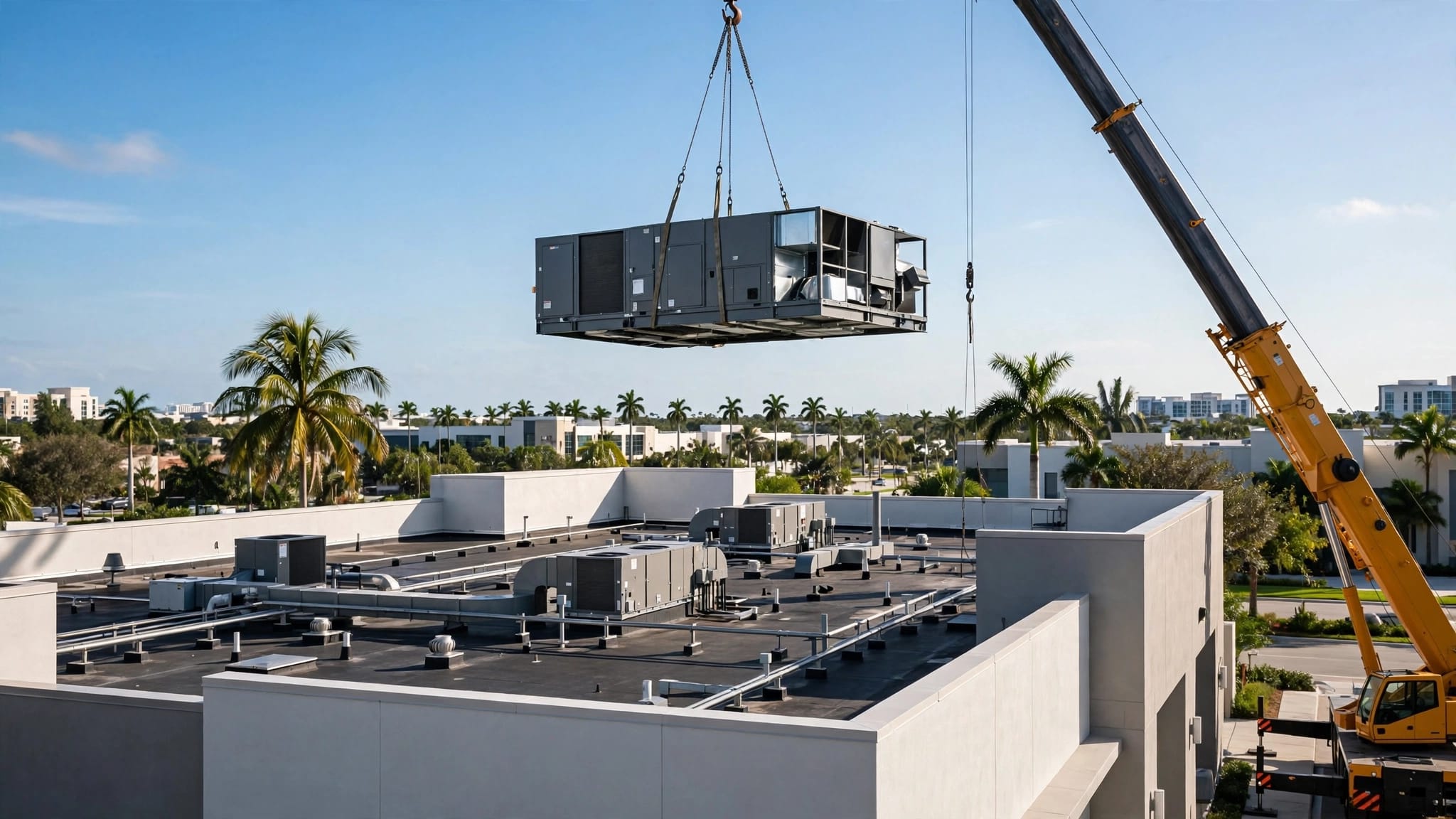
A commercial HVAC replacement cost in Fort Myers depends on the equipment and the work needed to install it. A straightforward swap may involve little more than replacing a compatible unit, while another project may need a crane, duct repairs, electrical changes, and roof work...
By Valor HVAC • November 25, 2026
Commercial HVAC repair cost in Fort Myers can range from a few hundred dollars for a smaller repair to several thousand dollars for a major failure. A national commercial pricing guide puts common repairs at $300 to $2,500 , though a complex job can cost more. Your final price...