
How to Tell If Your AC Ducts Need Sealing

Valor HVAC • June 2, 2026

Share this article

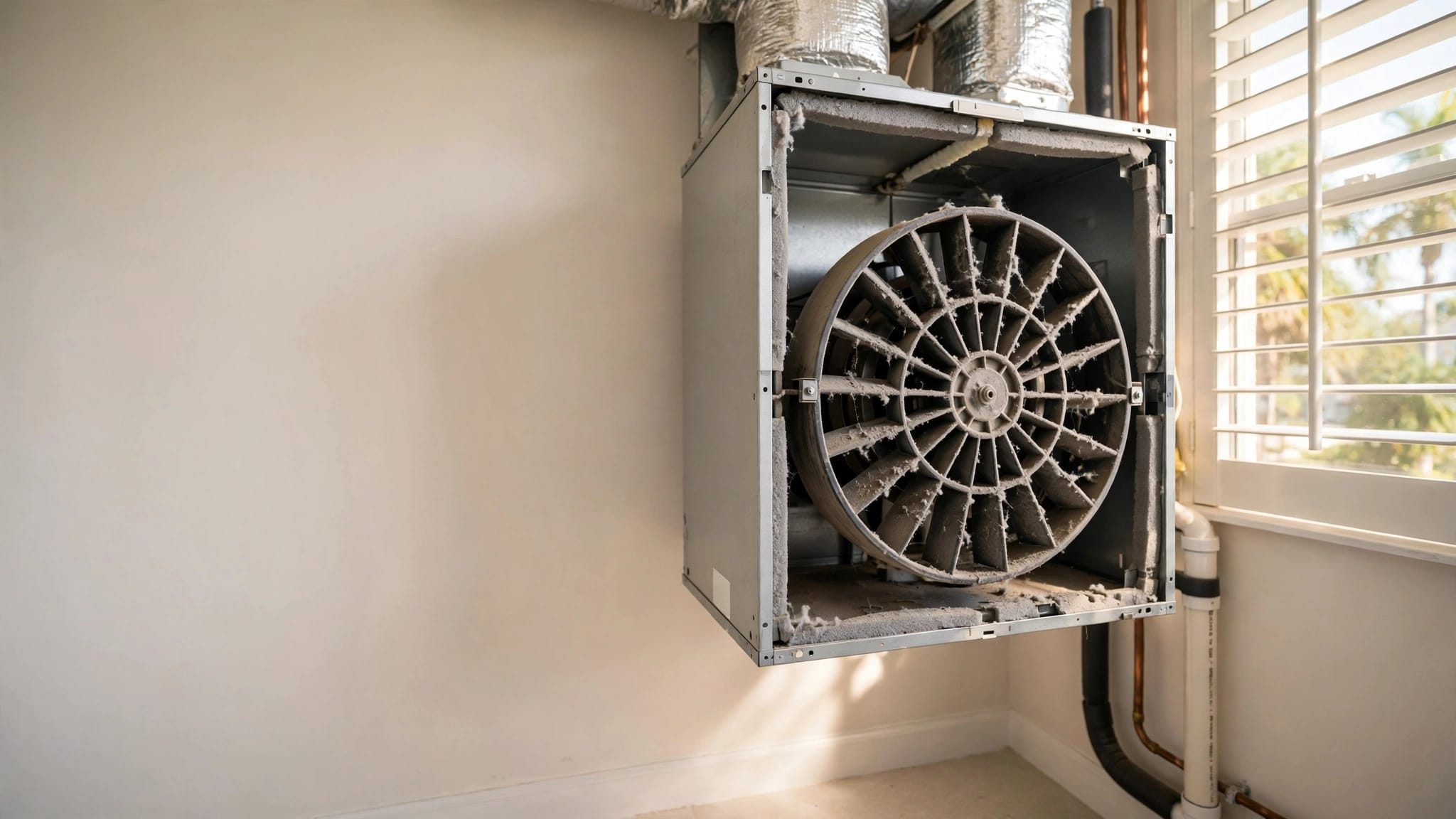
Your AC can run all day and still leave one room warm, one room sticky, and the whole house a little more tired than it should be. When that happens, the problem is often hidden in the ductwork.

AC duct sealing matters because leaky ducts waste cool air, pull in hot attic air, and make your system work harder. In Southwest Florida, that can show up fast on your electric bill and in your comfort.

The good news is that duct leaks leave clues. You can spot many of them before they turn into a bigger repair.

Common signs your ducts are leaking

Leaky ducts don't always make a dramatic mess. More often, they show up as small annoyances that keep repeating.

One room may stay warmer than the rest. Another may feel stuffy even when the thermostat says the house is cool. The system may also run longer than usual, which can wear it down over time.

Pay attention if you notice these patterns:

  • Uneven temperatures : Some rooms never seem to match the rest of the house.
  • Weak airflow : Vents blow air, but it feels thin or tired.
  • Higher electric bills : Your usage climbs even though your habits stay the same.
  • More dust : Gaps in ducts can pull dirty air from attics or crawl spaces.
  • Humidity that hangs around : Leaks can make it harder for your AC to pull moisture out of the air.

If your AC seems busy but the house still feels off, the ductwork may be losing air before it reaches the rooms.

These signs do not prove a leak on their own. However, when several show up together, duct sealing moves near the top of the list.

What your home may be telling you

The easiest clues often come from daily life, not from the equipment itself. A room that never cools down on a hot afternoon says a lot. So does a bedroom that gets muggy after the AC shuts off.

The table below shows common symptoms and what they often point to.

What you notice What it may mean
One or two rooms stay hot Supply ducts may be leaking or blocked
The AC runs for a long time Air may be escaping before it reaches the house
Dust keeps coming back fast Return leaks may be pulling in attic dust
Humidity feels high indoors Cool air may be lost, so moisture control drops
Vents feel weak in certain rooms Duct connections may be loose or damaged

These clues are useful because they point to a pattern. A single hot room can have several causes. A hot room plus high bills, extra dust, and humidity is a stronger sign that AC duct sealing should be checked.

What to look for in visible ductwork

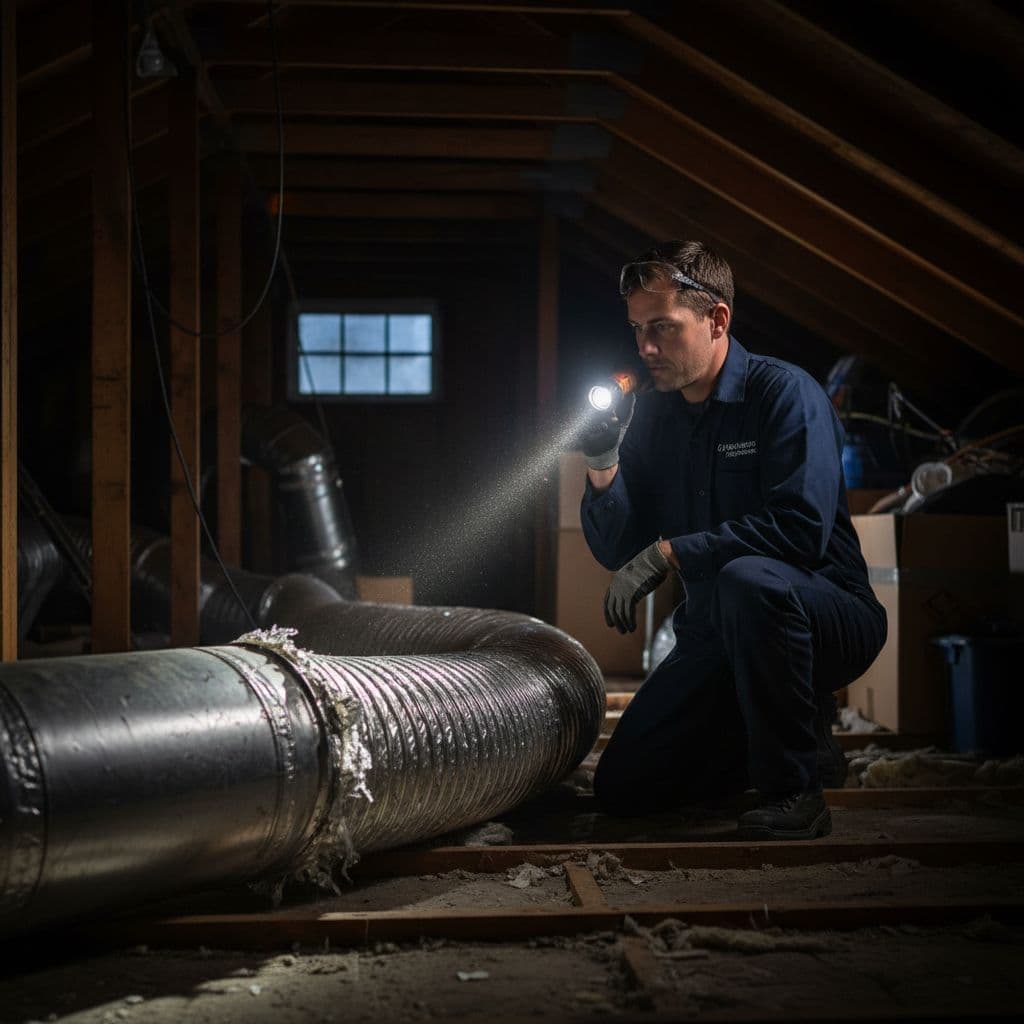
Some ductwork is hidden, but not all of it is out of reach. If you can safely see part of the system in a garage, attic, or closet, look for damage around the joints and seams.

Cracked tape, loose connections, hanging insulation, and crushed flex duct are all warning signs. Even small gaps can waste a surprising amount of cooled air in a hot attic.

Look for these problems if the ducts are visible:

  • Torn or peeling tape around joints
  • Loose straps or sagging sections
  • Disconnected or shifted duct runs
  • Dirty streaks near seams, which can mean air is escaping
  • Duct insulation that looks wet, thin, or damaged

You do not need to climb around in the attic to make a decision. If you see obvious wear from a safe spot, that is enough reason to call for an inspection.

Why duct leaks hurt comfort and efficiency

A duct leak is like a hole in a garden hose. Water still comes out, but some of it gets lost before it reaches the plant. Air works the same way.

When cool air escapes into the attic, your living space gets less of what you paid for. At the same time, hot attic air can get pulled into the system through return leaks. That mix makes your AC work harder and longer.

The effect goes beyond comfort. Leaky ducts can also:

  • Raise humidity inside the house
  • Pull dust and attic particles into the airflow
  • Put extra strain on the blower and cooling parts
  • Cause rooms farther from the air handler to cool poorly

In Southwest Florida, that matters even more because the air is already heavy with heat and moisture. A duct system that loses air can make a good AC feel like a smaller one.

What an HVAC professional checks during an inspection

A trained technician can find leaks that are hard to spot from the outside. They look at the full system, not only the parts you can see.

An inspector may test airflow, check static pressure, and look for disconnected joints or crushed sections. In some cases, they use tools to find hidden losses that a simple visual check would miss.

That kind of inspection matters because not every comfort problem is caused by the same thing. Sometimes the issue is a bad seal. Sometimes a duct is undersized, damaged, or badly routed. Sometimes the system needs cleaning and adjustment too.

A routine heating and cooling system tune-up can also help catch duct issues early, especially when the system is being cleaned and checked for wear. If the ducts are part of a larger airflow problem, a technician can point that out before it turns into bigger damage.

When AC duct sealing matters most

Some homes show duct problems faster than others. Older homes often have aging tape, worn connections, or outdated duct layouts. Homes with attic ductwork can lose more cool air because attic temperatures get brutal in summer.

You should pay close attention if:

  • A room near the air handler still feels off
  • The AC runs often but the house never feels balanced
  • You smell dust or mustiness when the system starts
  • Bills rise after a small change in thermostat use
  • The ducts have visible wear or old patchwork repairs

These are the moments when duct sealing can make a real difference. It can help the home cool more evenly, reduce wasted energy, and ease the load on the HVAC system.

If the system is already struggling, sealing alone may not solve everything. In that case, a technician can tell you whether the ducts need repairs, replacement sections, or a broader look at the system.

A simple way to decide what to do next

Start with the symptoms you can feel. Then check any visible ductwork you can safely reach. After that, compare what you see with how the house behaves on hot afternoons.

If the same problems keep showing up, the ducts deserve attention. Small leaks can hide behind big comfort problems, and they often get worse with time.

When the signs point to a duct issue, it makes sense to bring in a pro for an inspection and sealing estimate. Schedule an Estimate if you want a clear answer and a straightforward path forward.

Conclusion

If your AC is running hard but the house still feels uneven, the ducts may be the missing piece. Hot rooms, high bills, dust, and humidity are all clues that the cooled air is not reaching where it should.

A careful look at the symptoms, plus a professional inspection, can show whether AC duct sealing is the fix. In a Southwest Florida home, that can mean better comfort, lower waste, and less strain on the system you rely on every day.

Recent Posts

By Valor HVAC June 1, 2026
When one AC replacement quote looks cheap and another looks high, the difference usually hides in the details. In Fort Myers, those details matter because your system works through long cooling seasons, heavy humidity, salt air, and sudden storms. A quote that looks simple on...
By Valor HVAC May 31, 2026
Why does 76 feel fine some days and muggy on others? In Fort Myers, the answer usually has more to do with humidity, sun, and airflow than with the number on the thermostat. The right thermostat settings Fort Myers homes need in summer are usually a range, not a single magic n...
By Valor HVAC May 30, 2026
Storms can knock an AC offline without destroying it. A lightning strike, power outage, or flooded yard can leave the system silent even when the rest of the house seems fine. The tricky part is that the problem may be simple, like a thermostat setting, or serious, like surge...
By Valor HVAC May 29, 2026
If your AC fan stays on after the house reaches the set temperature, that isn't always a problem. A short post-cycle run can help clear extra cool air from the coil and smooth out the room temperature. But if the AC fan keeps running for a long time, or never seems to stop, so...
By Valor HVAC May 28, 2026
Fort Myers storms can turn a healthy AC system into a repair bill fast. Wind, flying debris, salt spray, and floodwater all hit the outdoor condenser first. A few simple steps before hurricane season can lower the risk. The goal is to keep the unit clear, keep the power safe,...
By Valor HVAC May 27, 2026
A Fort Myers electric bill can climb fast once summer heat settles in. Your AC runs longer, works harder, and fights sticky indoor air all day. That jump can feel sudden because the weather changes before your habits do. The good news is that most of the cost drivers are easy...
By Valor HVAC May 26, 2026
Low airflow can make a Fort Myers home feel sticky even when the AC is running nonstop. The thermostat may say the house is cooling, but weak air from the vents tells a different story. In Southwest Florida, that problem shows up fast. Heat, humidity, dust, and seasonal debris...
By Valor HVAC May 25, 2026
A blank thermostat can turn a normal day into a frustrating one fast. One minute the house feels fine, then the screen goes dark or the buttons stop working. Most of the time, the cause is simple. Sometimes the problem starts at the thermostat, and sometimes it comes from the...
By Valor HVAC May 24, 2026
A musty AC smell can show up fast in Fort Myers homes, especially after a rainy stretch. In a humid climate, your system moves a lot of moisture, and that moisture can leave behind a stale odor if something is off. Sometimes the smell fades after the system runs for a bit. Oth...
By Valor HVAC May 23, 2026
Most air conditioners in Southwest Florida last about 10 to 15 years . With solid maintenance and a good installation, some systems make it to 15 to 20 years, but coastal air, heavy use, and skipped service can shorten that window fast. If your unit is already near the 10-year...
Show More