
Is a C-Wire Required for Your New Thermostat?

Valor HVAC • October 1, 2026

Share this article

A new thermostat can look like an easy upgrade until you remove the old faceplate and find unfamiliar wiring. Whether you need a thermostat C wire depends on compatibility between the exact thermostat model and your HVAC system.

Some thermostats need a dedicated common connection, while others support different power arrangements. Before buying one for your Southwest Florida home, check its requirements against your existing equipment and wiring.

When is a thermostat C wire required?

A C-wire is the common connection in many conventional low-voltage HVAC systems. Together with the appropriate power connection, it supports continuous power for thermostats that need it.

However, a thermostat's appearance, touchscreen, or Wi-Fi features don't establish its wiring requirements. The manufacturer's instructions for that exact model are the starting point.

Check the thermostat's power requirements

Look for the installation manual and compatibility checker before purchasing. Product descriptions can summarize features without explaining every wiring limitation.

For an ecobee or Google Nest thermostat, use documentation for the exact model you're considering. Different models within a brand can have different requirements.

Also check whether the manufacturer lists a separate power accessory. An accessory's availability doesn't establish compatibility with your home. Its instructions must cover your system's wiring arrangement, too.

Confirm the HVAC system type

Your equipment matters as much as the thermostat. A conventional air conditioner, heat pump, and proprietary communicating system can have different control requirements.

For example, heat-pump documentation may refer to an O/B connection. Communicating equipment may use terminals that don't match conventional thermostat connections.

Record the indoor and outdoor equipment model numbers when checking compatibility. In Fort Myers and Lee County, don't assume an existing cooling setup supports a replacement simply because the thermostat fits the wall.

Check existing wiring without relying on color

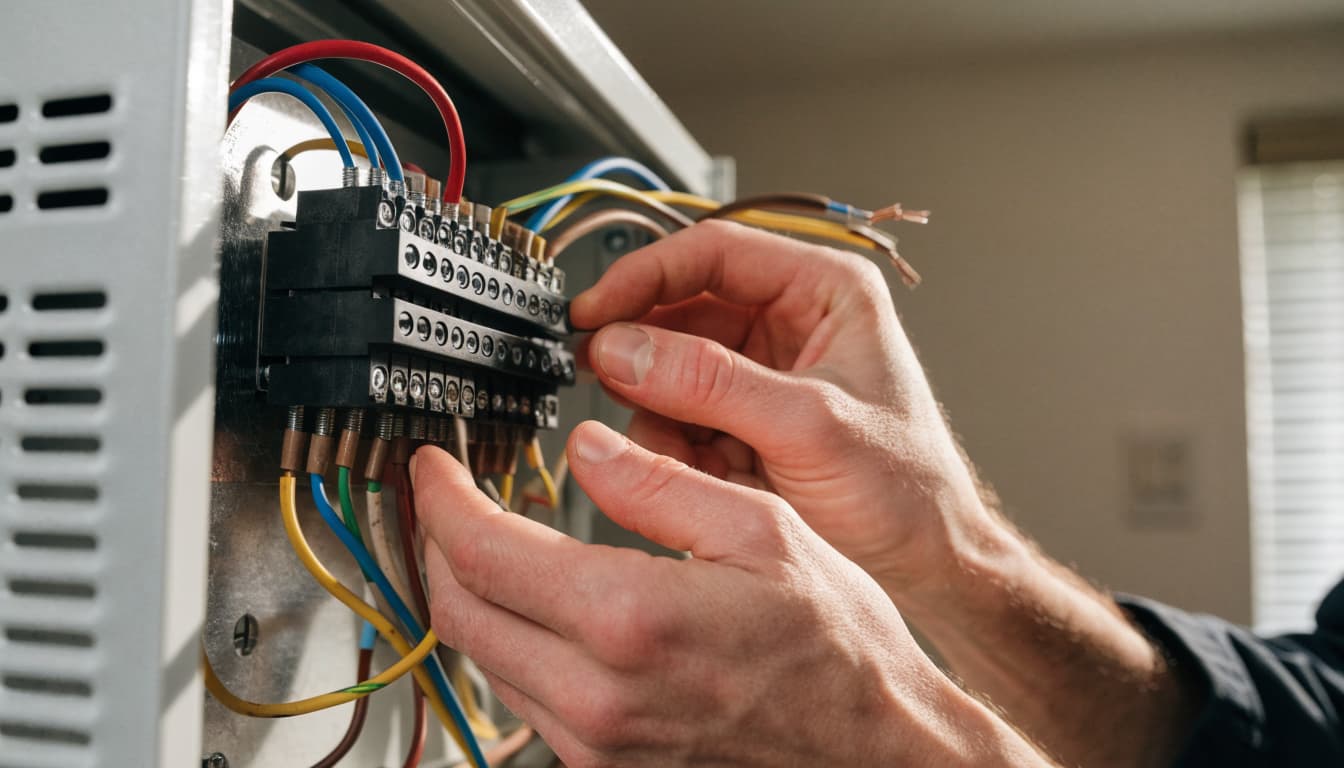
Before inspecting equipment, turn off power . If you're unsure how to isolate the equipment safely, leave the inspection to a qualified HVAC professional.

Review the thermostat's terminal labels

The relevant evidence is the terminal designation and documented connection, not the insulation color. A blue wire doesn't automatically mean common, and another color may have that function.

A clear photo of the existing terminal labels and connected wires can help a technician assess the setup. Preserve that information before any replacement work.

Also distinguish between connected conductors and unused wires tucked behind the thermostat. An unused wire doesn't prove there's a working common connection available.

Compare the equipment's wiring diagram

The system's wiring diagram provides the reference for identifying control connections. Check the documentation for the actual air handler or furnace, rather than borrowing a diagram for similar equipment.

A technician can compare the thermostat connections with the equipment terminals and diagram. That comparison matters because a wire visible at the wall may not have the expected connection at its other end.

If labels are missing, connections differ from the diagram, or the wiring is unclear, stop and seek professional help.

What if there's no confirmed C-wire?

A missing thermostat C wire doesn't automatically rule out an upgrade. However, it does mean you need to confirm an approved power arrangement before choosing the replacement.

Depending on the equipment and thermostat, a technician may evaluate an unused conductor, new thermostat cable, or a manufacturer-approved power accessory. These are possible approaches, not interchangeable fixes.

Some thermostat models also support battery operation or other power arrangements. Check the manufacturer's requirements rather than assuming batteries eliminate every wiring concern.

An unused wire behind the thermostat is only a possibility. Its connection at the HVAC equipment still needs verification.

Avoid choosing a product solely because its packaging says it works without a C-wire. Read the exceptions and system requirements first. The appropriate option depends on your wiring, equipment controls, and the thermostat's documented limitations.

When professional inspection makes sense

Bring in a qualified HVAC professional when you can't identify the system type or reconcile the wiring with its diagram. Professional help also makes sense for proprietary controls, multiple transformers, or evidence of previous wiring changes.

Valor Heating & Cooling offers HVAC repair and inspection in Fort Myers. An equipment inspection is a practical starting point when you're unsure what your existing system supports.

If cooling problems already exist, have them evaluated before replacing the thermostat. A new control doesn't establish the cause of poor cooling.

For Southwest Florida homeowners, confirming compatibility before removing a working thermostat helps avoid an unnecessary interruption during hot weather.

Key Takeaways

  • C-wire requirements depend on the exact thermostat model and HVAC system.
  • Terminal labels, equipment connections, and the system's wiring diagram matter more than wire color.
  • A spare wire or power accessory needs compatibility verification before it becomes a solution.
  • Turn off power before inspecting equipment, and involve a qualified professional when wiring is unclear.

Frequently Asked Questions

Does a blue thermostat wire mean I have a C-wire?

No. Color alone doesn't confirm a conductor's function. The terminal connection and equipment wiring diagram provide the relevant information. A professional should verify unclear wiring before you select or install a replacement thermostat.

Can I choose a thermostat before checking the wiring?

You can compare features, but confirm compatibility before purchasing. Have the existing terminal information and equipment model numbers available. Then check the exact thermostat's requirements, including any limitations associated with an optional power accessory.

Confirm Compatibility Before You Upgrade

A thermostat C wire requirement comes down to the replacement model and the system it will control. Verified connections give you a sound basis for choosing compatible equipment.

If your wiring or equipment requirements are unclear, Schedule an Estimate with an HVAC technician from Valor Heating & Cooling. Confirming the setup first is a practical way to protect reliable comfort in your Southwest Florida home.

Recent Posts

By Valor HVAC • September 30, 2026
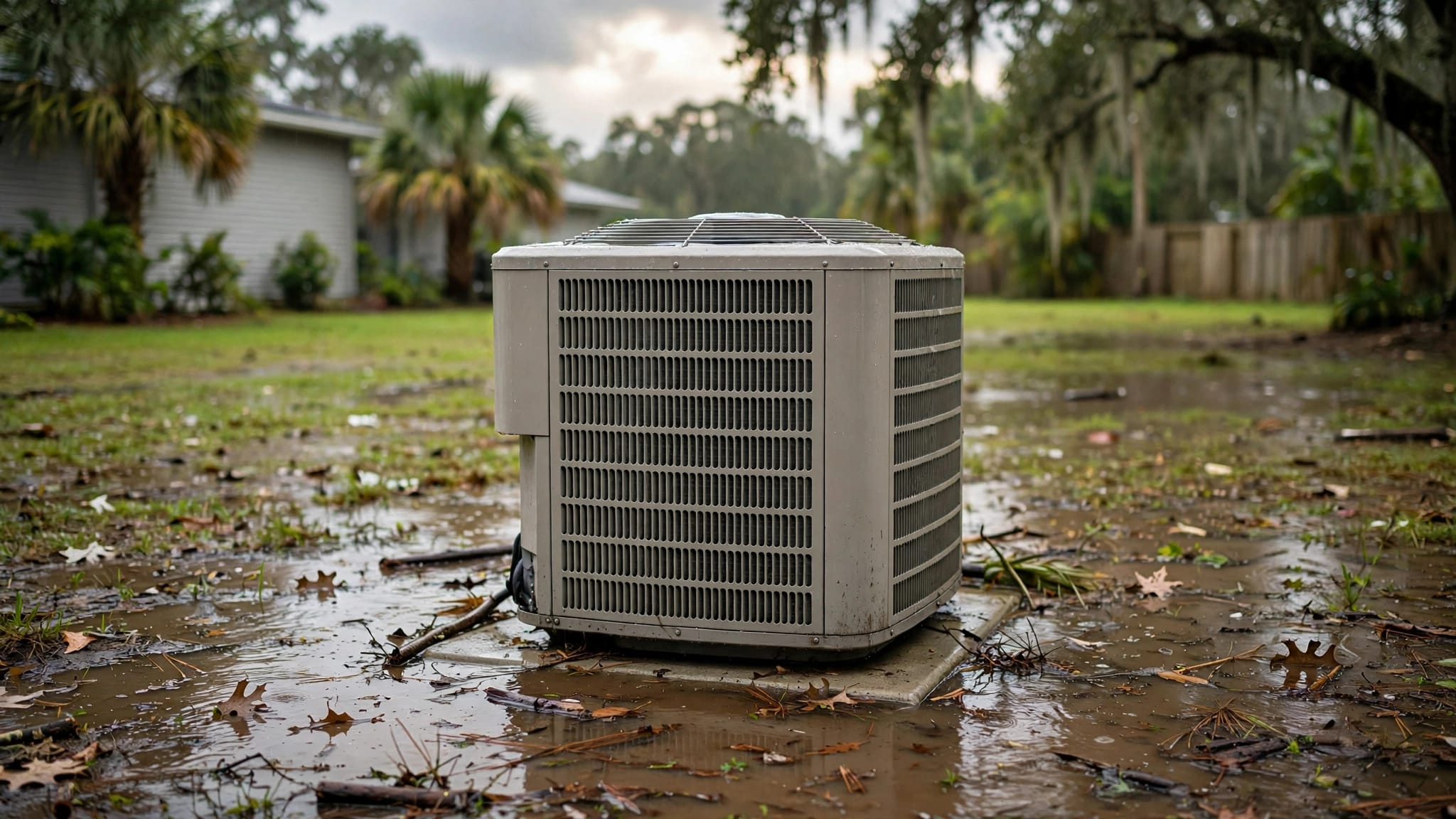
When floodwater reaches your outdoor air conditioner, getting the house cool again has to wait. A flooded AC unit can create electrical hazards even after the water recedes, so keep your distance and leave it off until a qualified HVAC professional inspects it. For Fort Myers...
By Valor HVAC • September 29, 2026
The lights are back, but your air conditioner is silent and your Fort Myers home is getting warmer. After an HVAC power outage , it's tempting to keep adjusting the thermostat until something happens. That can make a problem harder to spot. A safe restart starts with a look fo...

By Valor HVAC • September 28, 2026
One bedroom stays warm while the rest of your Fort Myers home cools down. Are your AC supply vents too small, or is something stopping air before it reaches that room? A small-looking vent can raise a fair question, especially when the AC runs through a long Southwest Florida...