How to Restart Your HVAC After a Fort Myers Power Outage
The lights are back, but your air conditioner is silent and your Fort Myers home is getting warmer. After an HVAC power outage , it's tempting to keep adjusting the thermostat until something happens. That can make a problem harder to spot.
A safe restart starts with a look for hazards, followed by simple checks you can make without opening equipment. Give the system time to respond, follow its manufacturer's instructions, and stop if you see signs of damage.
Key takeaways for a safe restart
- Wait for power to return and appear stable before asking the system to cool.
- Check for storm damage or water near HVAC equipment without touching anything unsafe.
- Confirm the thermostat settings, then allow for any startup delay described in your equipment instructions.
- Check a breaker only if it's already visible and safely accessible without opening an electrical panel. Reset a tripped breaker no more than once.
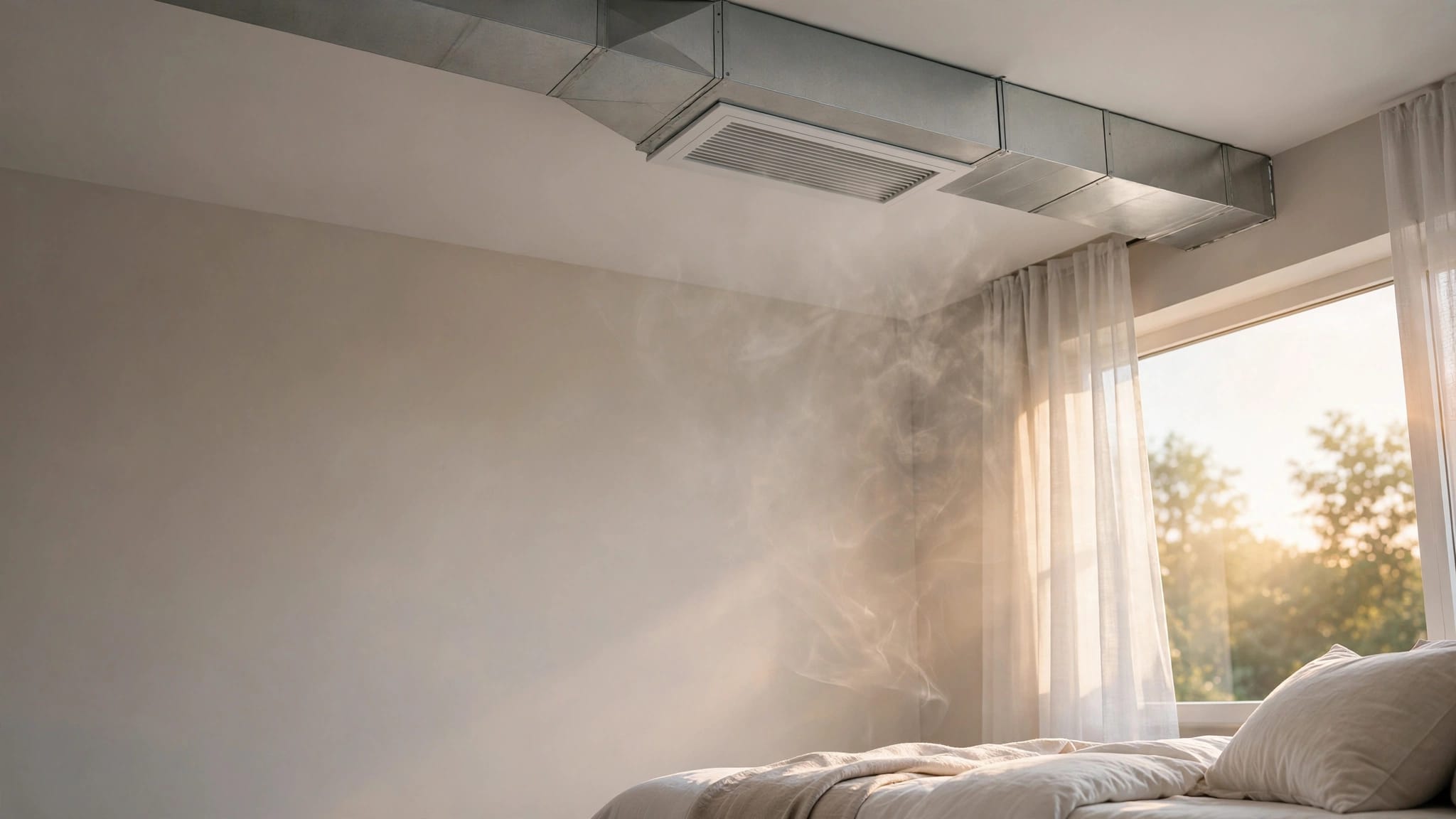
- Stop if you notice smoke, a burning smell, electrical buzzing, repeated breaker trips, or damaged equipment.
Check conditions before you restart
A neighborhood outage can end while conditions around your home are still unsafe. Take a moment to check the areas you can see before making a call for cooling.
Make sure power has returned and settled
Look for normal power in the rest of your home. If lights are still going off and on, leave the thermostat set to OFF and wait for steady power. Don't repeatedly switch cooling on to test it during interruptions.
Some thermostats and air conditioners delay a cooling call after power returns. The delay helps prevent an immediate restart. Follow the timing in your thermostat or equipment instructions if they give one; there's no single wait time that applies to every system.
Look at the outdoor unit from a safe distance
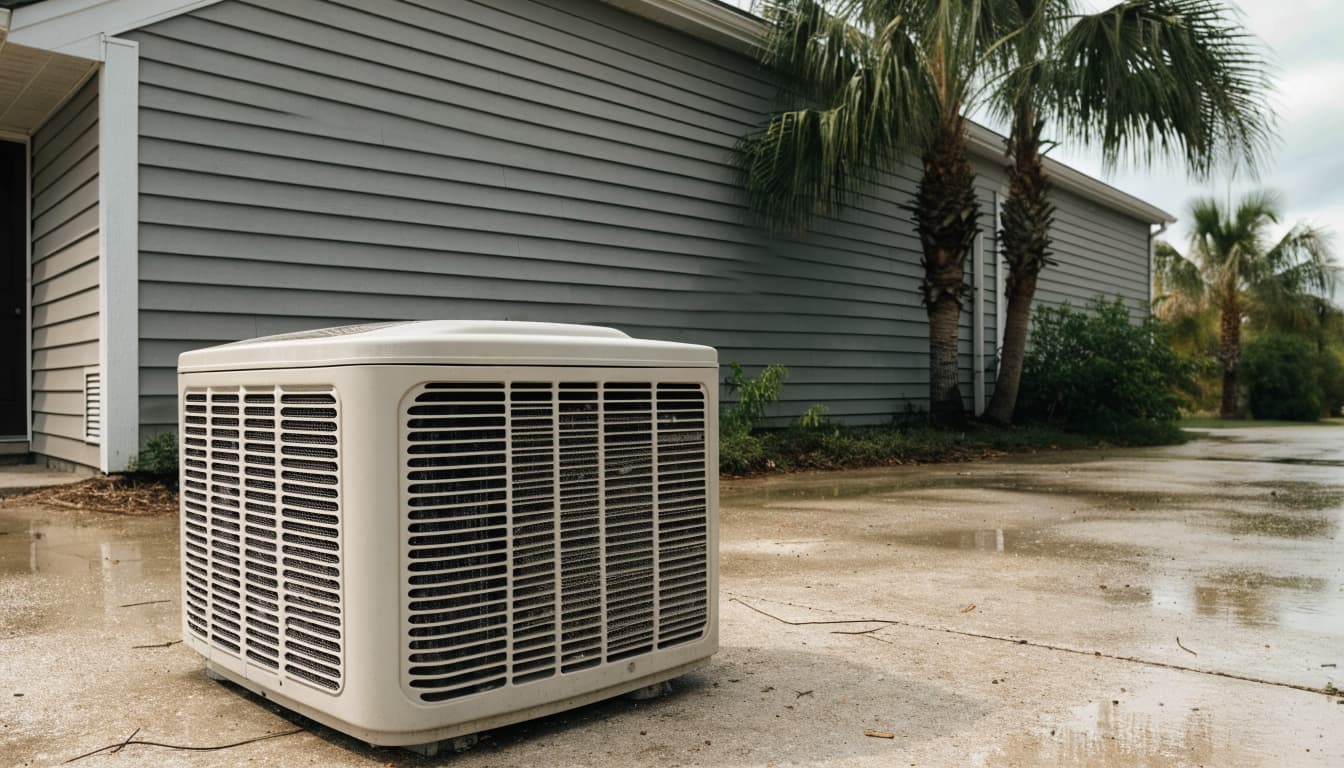
Fort Myers storms can leave branches, standing water, or other debris around an outdoor condenser. Check it visually from dry, stable ground. You don't need to touch the unit, its wiring, or a nearby disconnect.
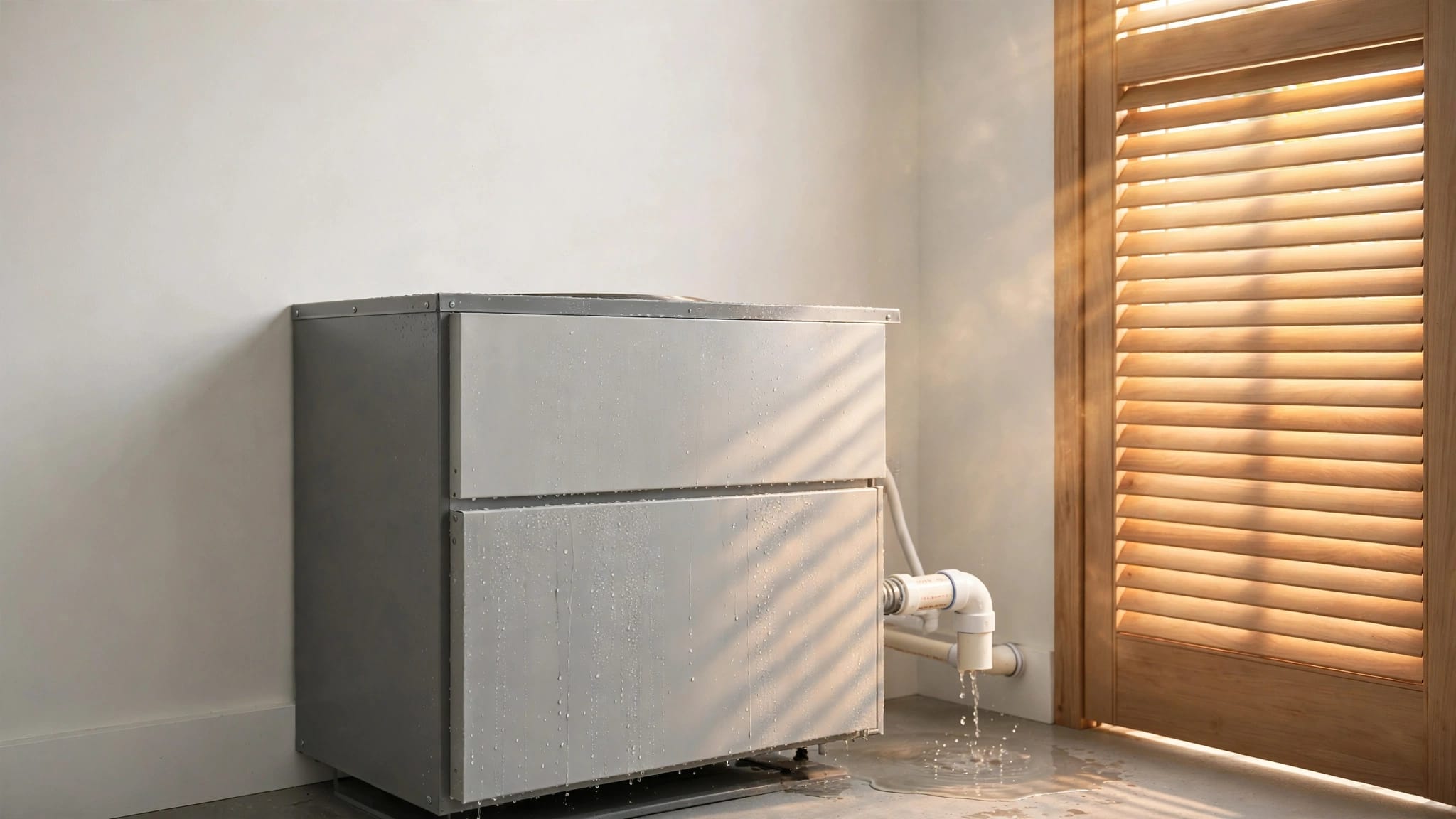
If the equipment is in floodwater, appears damaged, or sits near a downed wire, don't approach it . Keep others away and contact the utility or emergency services as appropriate. Have a licensed HVAC professional inspect affected equipment before you try to run it.
Safe steps after an HVAC power outage
If power is steady and there's no visible hazard, work through these checks in order. Stop whenever a step doesn't feel safe or your manufacturer's instructions say something different.
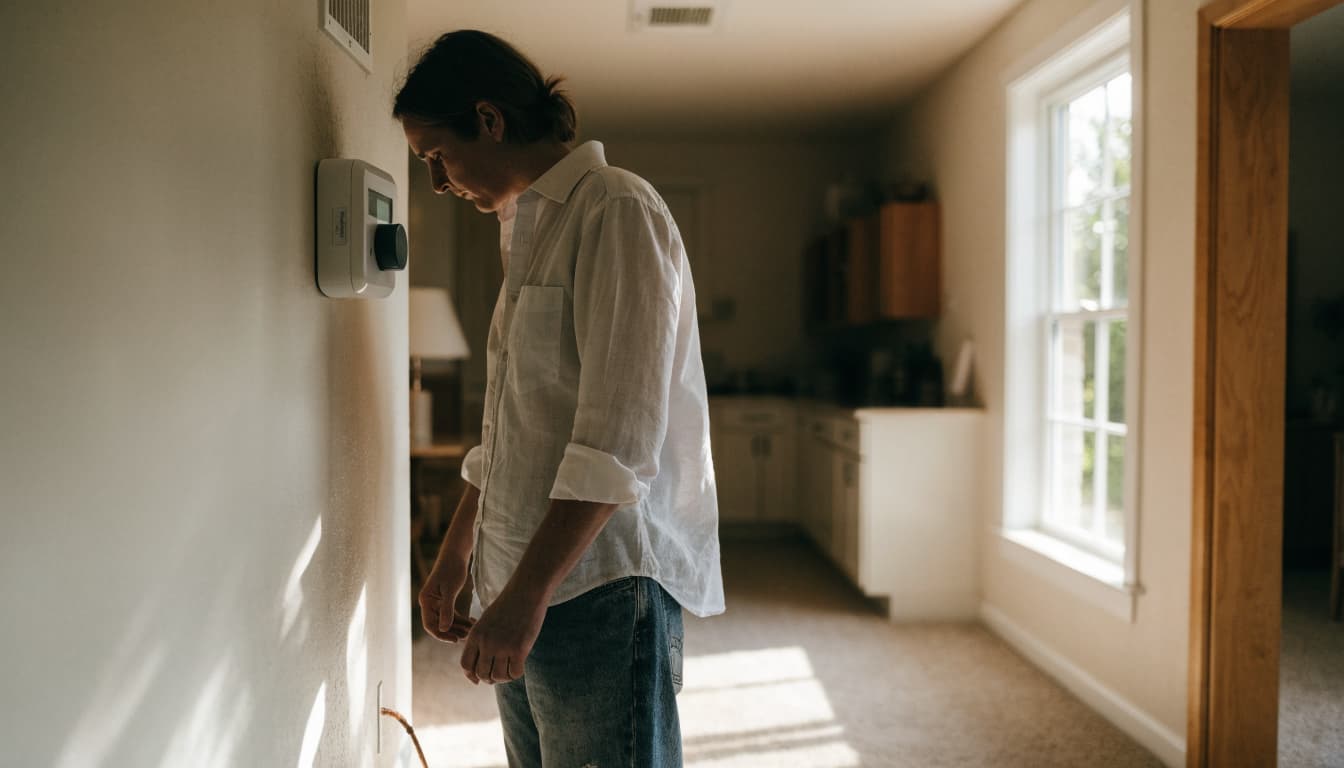
- Start at the thermostat. Check whether the display is on. If your model uses replaceable batteries and the screen is blank, consult its instructions before replacing them.
- Set the system for cooling. Select COOL, set the desired temperature below the displayed room temperature, and leave the fan on AUTO for a normal cooling check.
- Give the equipment time to respond. A built-in delay may keep the outdoor unit off after power returns. Avoid changing the setting back and forth while you wait.
- Check a tripped breaker only if you can do so safely. If the labeled HVAC breaker is already visible and accessible without opening an electrical panel or cover, you may check its position. Reset it once only if the area and equipment are dry, there's no sign of damage, and you can follow its instructions. Otherwise, skip this step and call for help.
- Check the result from inside. Once the system starts, notice whether air comes through the supply vents and whether it begins cooling normally. If operation seems wrong, switch it off at the thermostat and arrange service.
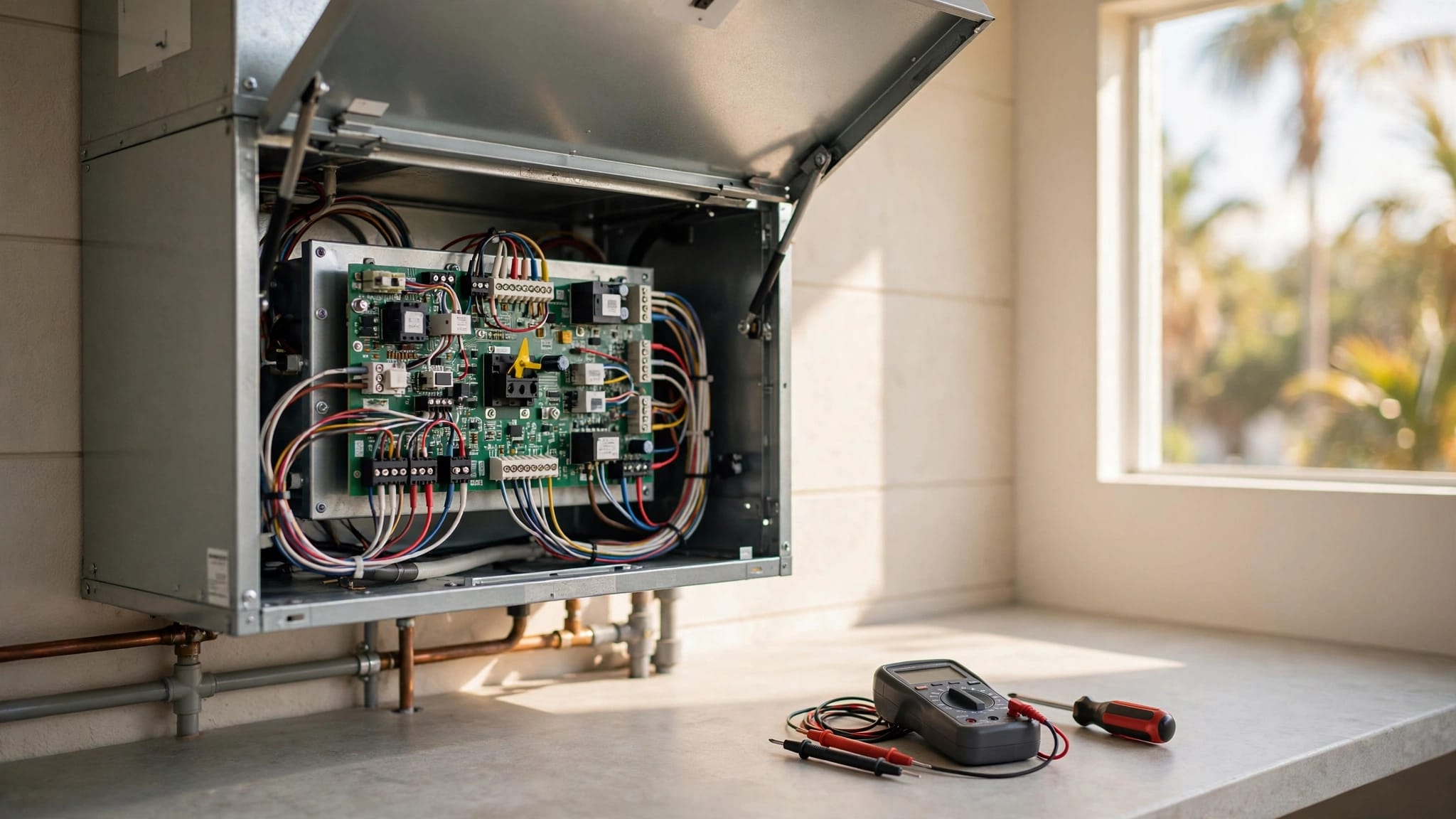
Don't open an electrical panel, remove HVAC access covers, or handle wiring to complete these steps. Valor Heating & Cooling's advice for waiting on AC repair also covers basic thermostat, filter, vent, and one-time breaker checks.
Follow the manufacturer before using any reset
A thermostat command and an equipment reset aren't always the same thing. The safe action depends on the air conditioner, thermostat, and any instructions supplied with them.
Use only a documented homeowner procedure
If your owner's manual describes a reset you can perform from the thermostat or another normal user control, follow that procedure exactly. Some systems need a particular sequence or delay. Don't substitute instructions found for another model.
If a procedure calls for opening equipment, reaching electrical components, or accessing a control you can't identify, leave it to a technician. Guessing at a reset isn't necessary to find out whether the system responds to a normal cooling request.
Treat a second breaker trip as a stop sign
A breaker that trips again after one safe reset needs professional attention. Leave it alone, even if cooling starts briefly before it trips. Repeated resets can expose the equipment to more trouble and delay a proper diagnosis.
The same rule applies if the thermostat goes blank again or the system repeatedly starts and stops. Turn cooling off at the thermostat if it's safe to do so, then report what happened. Don't keep testing it through another cycle.
Check how the system runs without opening it
A running fan doesn't always mean your home is cooling. Once startup is complete, pay attention to what you can see, hear, and feel during normal operation.
Check airflow and the filter
Walk past a few supply vents and confirm they're open and unobstructed. Furniture or rugs can block airflow, while a heavily loaded filter can make an existing cooling problem worse. If you normally replace your filter and can reach it safely, use the correct size specified for your system.
Don't assume a new filter will fix an electrical problem after an outage. If airflow remains weak or the house isn't cooling, arrange an inspection rather than continuing to lower the thermostat setting.
Notice whether cooling is consistent
Listen for unfamiliar rattling or harsh buzzing, and note whether the outdoor unit appears to start. Observe it from a safe location; you don't need to touch the cabinet. Water where it shouldn't be, an unusual odor, or operation that stops soon after starting deserves attention.
An outage may happen at the same time as a separate AC fault. If simple checks don't restore normal cooling, HVAC repair and inspection in Fort Myers can identify the cause instead of relying on another restart attempt.
Know when to stop and call for help
Some symptoms call for more than troubleshooting. In Southwest Florida heat, a failed AC is uncomfortable, but electrical and storm hazards take priority over restoring cooling.
Electrical or storm damage needs prompt attention
Stop using the system if you notice smoke, sparks, a burning smell, or electrical buzzing. A breaker that trips repeatedly is another reason to stop. Turn the system off at the thermostat only if you can do so safely. Don't open the unit or go near damaged electrical equipment.
If you see smoke or fire, get everyone away and call emergency services. Keep clear of downed power lines and report them to the utility. If flooding or storm debris has affected the HVAC equipment, wait for a qualified inspection before running it.
For sudden cooling loss or a suspected HVAC electrical problem, Valor Heating & Cooling offers 24/7 emergency HVAC service in Fort Myers and throughout Lee County.
Persistent problems also deserve a service call
Call a licensed HVAC professional if the thermostat never responds, the system won't start after its normal delay, or it runs without cooling. Tell them if the problem began when utility power returned. That detail helps separate an outage-related issue from a problem you had noticed earlier.
Leave the system off if it makes an unfamiliar noise or repeatedly shuts down. A technician can test the equipment safely and explain the repair options before you try to use it again.
Help the technician diagnose the problem
You don't need to know which component failed. A short, accurate account of what happened is more useful than another attempt to reset the system.
Record what you noticed
Note when power returned, whether it stayed steady, and what the thermostat displayed. Mention any unusual sound, smell, water, or visible outdoor damage. If a breaker tripped, say whether you reset it once and whether it tripped again. Don't reset it again to confirm the problem.
Also tell the technician whether the indoor fan ran, whether air reached the vents, and whether the air seemed cool. Those observations help them plan a safe inspection without requiring you to open anything.
Plan for the next interruption
Keep the owner's manual or model information somewhere you can find it without opening equipment. That makes it easier to check the correct restart instructions after a future outage. Routine HVAC maintenance in Fort Myers can also identify worn or dirty components before they cause a cooling failure.
If your system still won't cool after the safe checks, Schedule an Estimate with Valor Heating & Cooling to discuss an inspection and next steps.
Frequently asked questions
Will my AC restart automatically when power returns?
It may, depending on the thermostat settings and the system's controls. Some equipment waits before starting the outdoor unit. Check your owner's instructions and give the system time to complete its normal startup rather than repeatedly changing the thermostat.
Should I reset the breaker if the AC won't turn on?
Only consider one reset if the correct breaker is already visible and safely accessible without opening an electrical panel or cover. The area must be dry, with no sign of damage. If it trips again, leave it alone and call a licensed professional.
What if the indoor fan runs but the house stays warm?
Confirm the thermostat is set to COOL and below room temperature, then allow for any normal startup delay. If cooling doesn't begin, turn the system off and request service. Avoid trying equipment resets that aren't described in your manufacturer's instructions.
A careful restart protects your home
When the lights return, resist the urge to keep switching your AC on and off. Check for hazards first , make the simple thermostat and airflow checks, and give the system its normal time to start.
If you see damage or the system still won't cool, stop there. A licensed HVAC professional can find the fault without asking you to take electrical equipment apart.
Recent Posts