
MERV Filter Ratings for Fort Myers AC Systems

Valor HVAC • June 14, 2026

Share this article

Fort Myers air conditioners work hard almost all year, so the wrong filter can cause trouble fast. A filter that looks "better" on paper may slow airflow, raise strain, and leave rooms feeling sticky.

MERV filter ratings help you compare filters, but the right choice depends on your system, not just the number on the package. In Southwest Florida, humidity, dust, pollen, and long cooling runs all change how a filter behaves.

Before you swap to a higher rating, it helps to know what the number means and when it makes sense.

Why Your Air Filter Matters in Southwest Florida

Your air filter does more than catch dust. It protects the blower, the indoor coil, and the rest of the system from buildup.

In Fort Myers, that job gets harder. AC runs for long stretches, windows stay shut, and humid air can load a filter with fine dust faster than you expect. Add pollen, pet hair, and coastal grit, and a clean filter becomes part of daily comfort.

A clogged filter can make the house feel muggy because air cannot move across the coil well. It can also make the system run longer, use more power, and wear out parts faster.

That is why filter choice matters more in Southwest Florida than in a mild climate. A filter that works fine in spring can become a problem during peak summer.

What the MERV Scale Means in Plain English

MERV stands for Minimum Efficiency Reporting Value. The scale usually runs from 1 to 16. Higher numbers catch smaller particles.

That sounds simple, but there is a trade-off. Denser media traps more debris, yet it also makes air work harder to pass through.

A higher MERV number can improve filtration, but it can also choke a weak system.

For a Fort Myers home, the best filter is the one that balances air quality and airflow. If the filter is too restrictive, the AC may run longer and cool less evenly. If it is too loose, dust moves through the house and settles on coils and vents.

The air handler label and owner's manual matter too. They often list the filter range the system can handle.

Choosing MERV 8, 11, or 13 for Your AC

A quick side-by-side view makes the choice easier.

MERV Rating Best Fit Main Benefit Watch-Out
MERV 8 Most homes, older systems, basic maintenance Solid dust control with easier airflow Less fine-particle capture
MERV 11 Homes with pets, more dust, light allergy concerns Better capture of pollen and smaller debris Needs regular checks
MERV 13 Newer systems or units rated for it Stronger particle capture Can restrict airflow if the system is not designed for it

The right rating depends on your AC, your home, and how much air the system can move. More filtration only helps when the system can breathe.

MERV 8 works for many Fort Myers homes

Many homes do well with MERV 8 because it gives solid filtration without putting extra stress on the blower. It is often the safest choice for older AC systems, smaller filter slots, and homes where airflow already feels marginal.

If your system cools unevenly, starts and stops often, or already struggles on hot afternoons, MERV 8 is a smart starting point. It keeps dust under control while leaving the system room to breathe.

MERV 11 is a good middle ground

MERV 11 makes sense when dust, pet dander, or pollen bother your home more than average. It can also be a good fit for families who want cleaner indoor air without jumping to a very dense filter.

This rating is often a good middle ground for many Florida homes, as long as the AC still moves air well after the swap. Listen for new whistling, longer run times, or weaker airflow at the vents. Those are signs the filter may be too much for the system.

MERV 13 needs a closer look

MERV 13 captures more fine particles, which helps some households. Still, it is the one most likely to cause trouble in a system that was not built for it.

Use it only if the manufacturer allows it and the air handler can handle the added resistance. Newer systems, larger filter cabinets, or units designed for higher filtration are the best candidates.

If you are not sure, check the allowed range on the equipment. That one step can save you from airflow problems later.

How Often to Check and Replace Filters During Cooling Season

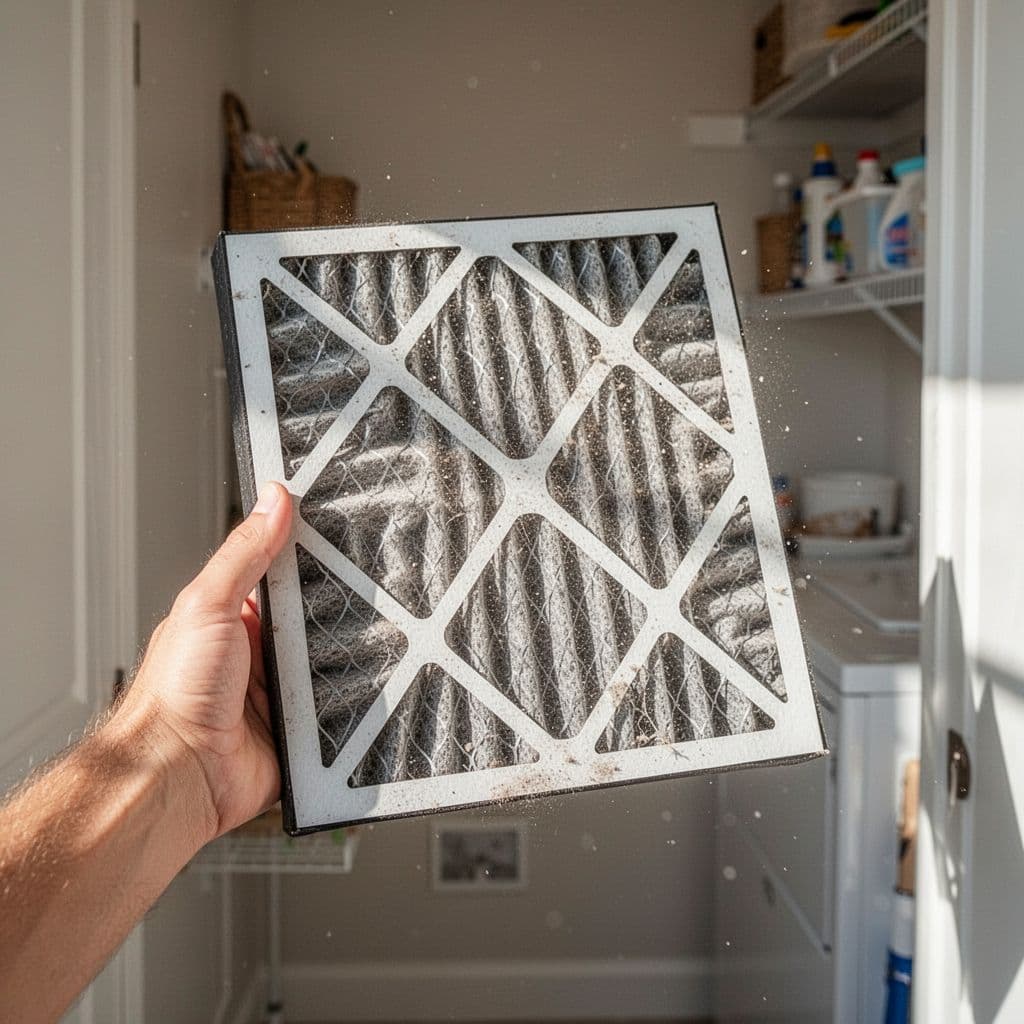
During Fort Myers cooling season, check the filter every month. Replace it sooner if it looks gray, bent, or coated with lint.

A simple schedule helps:

  • MERV 8 : check monthly, replace about every 1 to 2 months in heavy-use periods.
  • MERV 11 : check monthly, often replace every 30 to 60 days.
  • MERV 13 : check monthly, and change it as soon as airflow drops or the surface looks loaded.

Homes with pets, indoor smoking, recent construction, or lots of visitors may need changes more often. The same goes for homes that stay closed up all summer.

A good habit is to mark the replacement date on the filter frame or on a calendar. That small step helps you avoid guessing later.

Common Mistakes That Hurt Airflow and Comfort

A lot of filter problems come from simple mistakes, not bad equipment.

  • Buying the wrong size : Air slips around the edges, so dust still gets through.
  • Ignoring the airflow rating : A high number can look impressive, but it may stress the system.
  • Installing the filter backward : The arrow should point toward the air handler.
  • Leaving it in too long : A dirty filter can block airflow long before it looks awful.
  • Forgetting the rest of the system : Dirty return grilles, weak ducts, and coil buildup can all create the same symptoms.

If a new filter clogs fast, the filter may not be the real issue. That can point to duct leaks, a weak blower, or a coil that needs attention.

When that happens, professional HVAC repair and inspection can help find the cause before it turns into a bigger repair.

If you are ready to check your current setup or compare filter options, Schedule an Estimate before you buy the wrong one for your system.

Conclusion

Fort Myers homes need filters that match real-world use, not just the highest number on the shelf. A well-chosen MERV rating keeps dust and pollen in check without starving the AC.

For many homes, MERV 8 or MERV 11 is the safest fit. MERV 13 can work, but only when the system and manufacturer allow it.

The right filter should help your AC breathe, not fight it. That balance matters most when the system runs almost every day.

Recent Posts

By Valor HVAC June 13, 2026
Sweating AC vents are common in Southwest Florida, especially when the air feels thick enough to drink. A little moisture can be normal for a short time, but persistent dripping is a sign worth watching. The mix of high humidity , cold supply air, and warm indoor air creates t...
By Valor HVAC June 12, 2026
A weak AC can make a Fort Myers afternoon feel even longer. When the AC blower motor is failing , the signs often show up before the system stops cooling altogether. You may notice less air from the vents, strange noises, or a unit that shuts off at the worst time. In Southwes...
By Valor HVAC June 11, 2026
In Fort Myers, your AC works harder than it does in most places. That makes the choice between a single-stage and a two-stage system about comfort, humidity, noise, and monthly bills, not just equipment specs. A home that feels fine in a mild climate can feel sticky and uneven...
By Valor HVAC June 10, 2026
The 2025 refrigerant changes did not make every old air conditioner obsolete. They did change what goes into new systems, and that affects repair choices, replacement quotes, and long-term service plans for Fort Myers homes. If your AC is still running, you probably do not nee...
By Valor HVAC June 9, 2026
Fort Myers heat doesn't give your AC a break, and that matters when you're deciding whether a variable-speed system is worth the upgrade. If your current unit cools unevenly, leaves rooms sticky, or sounds like a truck starting up, the answer is rarely simple. A variable-speed...
By Valor HVAC June 8, 2026
Fort Myers homes spend most of the year asking one thing from HVAC systems, stay cool and dry. That makes the heat pump vs central AC choice more than a name on a quote. The two systems can look similar, but they don't always fit a Florida home the same way. Because Southwest...
By Valor HVAC June 7, 2026
A single surge can disable an air conditioner in seconds, and Southwest Florida gives your system plenty of chances to face one. Thunderstorms, lightning, utility flickers, and storm recovery all put extra stress on cooling equipment. That matters even more here because your A...
By Valor HVAC June 6, 2026
The wrong AC size shows up fast in Fort Myers. Rooms feel sticky, bills rise, and the system may short-cycle or run forever. A quick square-foot estimate can point you in the right direction, but it cannot tell the full story. In Southwest Florida, heat, humidity, sun exposure...
By Valor HVAC June 5, 2026
An AC refrigerant leak in Fort Myers can hide in plain sight. Your system may still run, but it stops cooling the house the way it should. That matters fast in Southwest Florida. Long cooling seasons, sticky humidity, and heavy daily use put extra stress on your system, so a s...
By Valor HVAC June 4, 2026
A high AC rating looks good on paper, but it does not tell the whole story for a Fort Myers home. When your system has to fight heat, humidity, and long cooling seasons, the number on the label matters in a different way. SEER2 is the rating that now matters for new equipment....
Show More