Why AC Vents Sweat in Southwest Florida Homes

Valor HVAC • June 13, 2026

Share this article

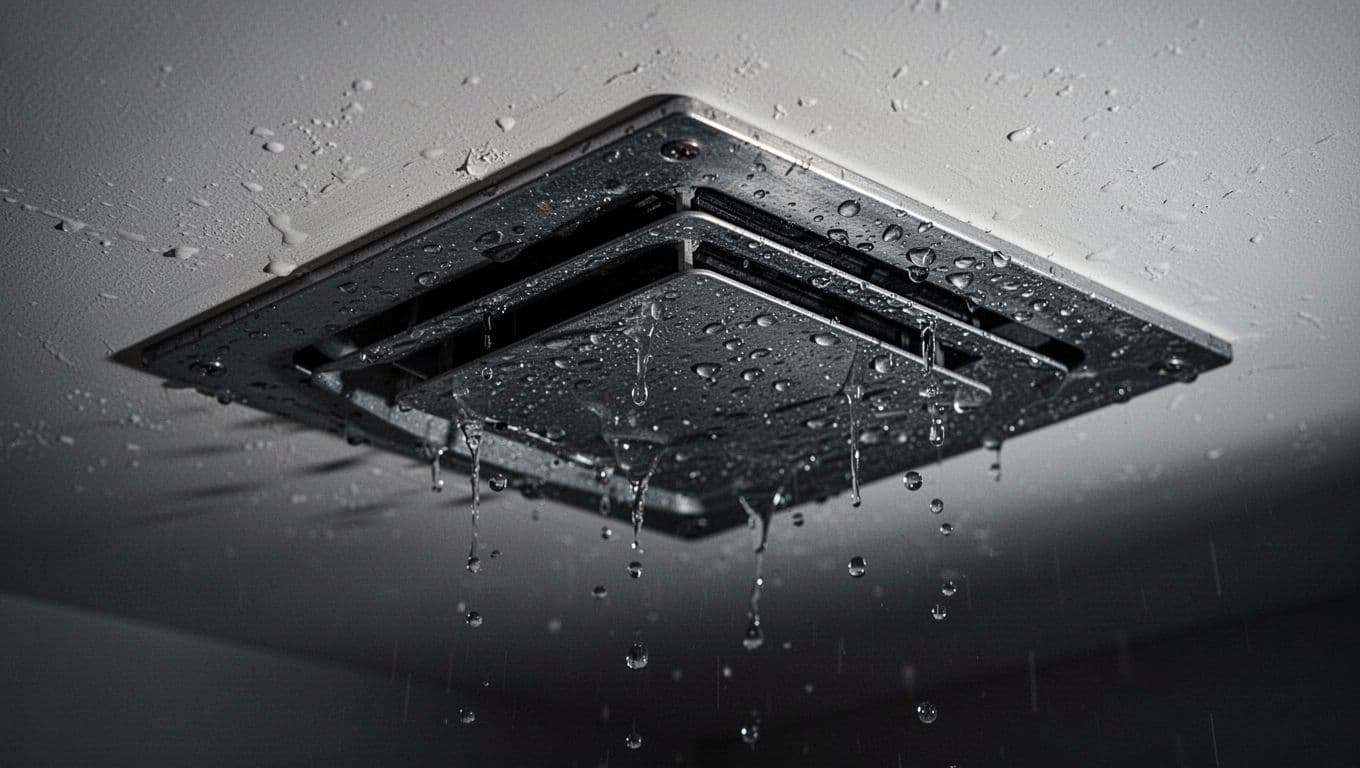
Sweating AC vents are common in Southwest Florida, especially when the air feels thick enough to drink. A little moisture can be normal for a short time, but persistent dripping is a sign worth watching.

The mix of high humidity , cold supply air, and warm indoor air creates the perfect setup for condensation. That can leave water on the vent, staining the ceiling, or making the area feel damp long after the system starts.

The good news is that not every wet vent means trouble. The key is knowing when the moisture is temporary and when it points to an HVAC or moisture-control problem.

What vent sweating actually means

When your air conditioner runs, it cools the air that moves through the system. The metal vent and surrounding duct parts can also get cold. If warm, humid air touches that cold surface, water vapor turns into liquid.

That is condensation, the same process that leaves water on a cold drink glass. In Southwest Florida, that process happens more often because the outdoor air holds so much moisture for much of the year.

A vent may sweat for a few minutes after the system starts, especially on a muggy afternoon. If the surface dries quickly and the ceiling stays clean, that often points to normal condensation.

Trouble starts when the vent keeps wetting the same area over and over. Repeated moisture can stain paint, soak insulation, and invite mold growth around the opening.

Why Southwest Florida homes see it more often

Homes in Fort Myers, Cape Coral, Lehigh Acres, Bonita Springs, Estero, and Naples deal with a long stretch of humid weather. Afternoon storms, warm nights, and rainy-season moisture keep the indoor air loaded with water.

That matters because your AC has to do two jobs at once. It cools the home, and it pulls moisture out of the air. When either job falls short, vents can sweat.

Several common house and system issues make the problem worse:

  • Leaky ductwork can pull hot, damp attic air into the system.
  • Thin or damaged insulation around ducts lets cold air chill the vent boot and nearby ceiling space.
  • Oversized equipment may cool fast but shut off before it removes enough humidity.
  • Poor airflow from a dirty filter or blocked register can make the system run unevenly.
  • Extra indoor moisture from showers, cooking, laundry, and open doors adds more water to the air.

Southwest Florida attics also get brutally hot. If supply ducts run through that space, any weak insulation or small air leak can create a surface cold enough to sweat.

If a vent dries fast, it may be normal. If the ceiling stays damp, it needs attention.

The problem is often not one big failure. It is a mix of small ones that let humid air meet cold metal at the wrong spot.

Normal condensation or a warning sign?

A damp vent is not always an emergency. The timing, pattern, and side effects tell the story.

What you see What it usually means What to do
Light moisture right after the AC starts Cold vent met very humid air Wipe it dry and watch it
Dampness on muggy afternoons only Temporary condensation Keep an eye on the pattern
Repeated droplets, stains, or peeling paint Ongoing moisture problem Check airflow and insulation
Musty smell or dark spotting Possible mold or trapped moisture Call a professional
Wet drywall around the vent Air leak, insulation gap, or duct issue Get the system inspected

The biggest clue is whether the moisture leaves a mark. One wet vent after a storm is different from a vent that stays damp all week.

If the same vent sweats in the same spot every day, the surface is probably getting too cold or the surrounding air is too moist. Either way, the problem is not solving itself.

Small fixes you can safely try

A few simple steps can reduce moisture around vents and make the system breathe better.

  • Replace a dirty air filter if it looks clogged.
  • Make sure supply registers are open and not blocked by furniture or drapes.
  • Run bath and kitchen exhaust fans during and after use.
  • Keep exterior doors closed when the AC is running.
  • Wipe the vent dry and check whether the moisture returns at the same time each day.
  • Use a portable dehumidifier if one room feels sticky even when the AC is on.

A yearly visit for routine air conditioner tune-up services can also help catch weak airflow, dirty components, and small issues before they turn into moisture problems.

Small changes can make a real difference, but they have limits. If the vent keeps sweating after basic upkeep, the cause is probably deeper than a dirty filter.

Avoid trying to fix duct insulation or hidden leaks on your own unless you know exactly what you are opening. Those problems sit in tight spaces and often connect to other parts of the system.

When moisture means it's time for HVAC help

Persistent vent sweating can point to a few things a homeowner can't see from the living room. Duct leaks, poor insulation, fan-speed problems, a struggling blower, or a drain issue can all leave the vent colder or the room wetter than it should be.

A technician can also check whether the system is removing enough humidity for the size of the home. In Southwest Florida, that matters as much as raw cooling power.

Watch for these warning signs:

  • Water stains spreading around the vent
  • A damp or musty smell near the ceiling
  • Rust on the vent cover
  • Uneven cooling from room to room
  • Condensation that returns after you dry it
  • Insulation that looks wet, loose, or damaged

Those signs do not always mean major repairs. They do mean the system needs a closer look.

If moisture keeps coming back, reliable AC troubleshooting and diagnostics can identify the source before the problem spreads. That is especially helpful when the issue sits in the ductwork or attic, where the damage can hide for months.

If you notice mold concerns, wet insulation, or repeated airflow issues, bring in a pro. The longer dampness hangs around, the more it can affect comfort and indoor air quality.

Schedule an Estimate if you want a technician to look at recurring vent moisture, duct leaks, or insulation problems.

What to remember about AC vent sweating

A sweating vent is usually a condensation problem, not a mystery. In Southwest Florida, humid air and cold supply vents meet often, so a little moisture can happen.

What matters is persistence. If the vent dries fast, the issue may be minor. If it keeps wetting the ceiling, leaves stains, or brings a musty smell with it, the system needs attention.

The safest approach is simple. Handle the easy fixes, watch the pattern, and get help when the moisture keeps coming back.

Recent Posts

By Valor HVAC June 20, 2026
A struggling Fort Myers AC compressor can turn a normal afternoon into a sweaty, expensive mess fast. When it starts slipping, your whole cooling system feels it. The signs are often small at first. Warm air, strange noises, and higher electric bills can show up before the uni...
By Valor HVAC June 19, 2026
Fort Myers heat can keep an AC system running for hours, and that is where a smart thermostat can help. The real question is whether it helps your home enough to justify the cost. For some homeowners, the answer is yes. For others, the upgrade adds convenience but little savin...
By Valor HVAC June 18, 2026
A dirty AC filter can sneak up on you fast in Southwest Florida. In Fort Myers, your system works hard for long stretches, and that means the filter fills with dust, pollen, pet hair, and everyday debris sooner than many homeowners expect. The safest habit is simple: check the...
By Valor HVAC June 17, 2026
Your AC can give you warning signs before it quits completely. In Fort Myers, that matters because a weak cooling system can turn a hot afternoon into a miserable one fast. One small part often sits behind the trouble: the AC contactor , a switch that sends power to the outdoo...
By Valor HVAC June 16, 2026
Fort Myers heat puts your AC system to work almost nonstop. Add year-round humidity, and the inside of that system can stay damp long enough for microbial growth to become a real concern. That's why AC UV lights come up so often in Southwest Florida. They can help keep coils c...
By Valor HVAC June 15, 2026
When an AC system goes in the right way, you feel it every day. The house cools faster, the air feels lighter, and the equipment works without fighting itself. In Southwest Florida, that difference matters even more. Long cooling seasons, sticky humidity, and salt in the air p...
By Valor HVAC June 14, 2026
Fort Myers air conditioners work hard almost all year, so the wrong filter can cause trouble fast. A filter that looks "better" on paper may slow airflow, raise strain, and leave rooms feeling sticky. MERV filter ratings help you compare filters, but the right choice depends o...
By Valor HVAC June 12, 2026
A weak AC can make a Fort Myers afternoon feel even longer. When the AC blower motor is failing , the signs often show up before the system stops cooling altogether. You may notice less air from the vents, strange noises, or a unit that shuts off at the worst time. In Southwes...
By Valor HVAC June 11, 2026
In Fort Myers, your AC works harder than it does in most places. That makes the choice between a single-stage and a two-stage system about comfort, humidity, noise, and monthly bills, not just equipment specs. A home that feels fine in a mild climate can feel sticky and uneven...
By Valor HVAC June 10, 2026
The 2025 refrigerant changes did not make every old air conditioner obsolete. They did change what goes into new systems, and that affects repair choices, replacement quotes, and long-term service plans for Fort Myers homes. If your AC is still running, you probably do not nee...
Show More