Commercial HVAC Maintenance Checklist for Small Florida Businesses
A failed air conditioner can shut down a Florida business faster than a storm warning. For owners and facility managers, commercial HVAC maintenance protects employee comfort, customer experience, equipment life, and daily operations.
Southwest Florida adds extra strain through long cooling seasons, high humidity, salt air near the coast, storms, and airborne debris. A clear maintenance schedule helps your team catch simple problems early while leaving electrical, refrigerant, and safety work to a licensed professional.
Key Takeaways
- Inspect filters, drains, outdoor units, thermostats, and visible ductwork on a regular schedule.
- Keep coils and condensers clean, especially in dusty, humid, or coastal locations.
- Use in-house checks for safe visual tasks, but hire a licensed HVAC technician for technical service.
- Schedule professional maintenance before the hottest months and after major storms.
- Keep written service records, equipment details, and repair recommendations in one place.
Build a Commercial HVAC Maintenance Schedule
A checklist works best when each task has a clear frequency. Small businesses often benefit from three maintenance levels: routine staff checks, monthly or quarterly inspections, and professional service at least twice a year.
Your staff can complete simple observations during normal building rounds. A facility manager can record filter condition, unusual sounds, thermostat complaints, water near air handlers, and changes in indoor comfort. These notes give a technician useful information before the service visit.
Professional maintenance should follow the equipment manufacturer's recommendations and the building's needs. A busy restaurant, medical office, retail store, or warehouse may need more frequent attention than a lightly occupied office.
A practical schedule may look like this:
| Frequency | Safe focus for a small business |
|---|---|
| Weekly | Check for unusual noises, odors, water, or comfort complaints |
| Monthly | Inspect filters, supply vents, return grilles, and outdoor obstructions |
| Quarterly | Review energy use, thermostat operation, drain condition, and visible corrosion |
| Twice yearly | Schedule a licensed HVAC inspection, cleaning, testing, and adjustment |
| After storms | Check for debris, flooding, roof damage, and electrical concerns before restarting equipment |
Florida businesses should plan ahead for the cooling season rather than waiting for the first heat wave. Air conditioners often run for long hours, so a minor restriction or worn component can become a major failure during peak demand.
If you need a service plan for a Fort Myers business, Valor's HVAC maintenance services can help organize recurring inspections and system care.
Essential Steps on Your Commercial HVAC Maintenance Checklist
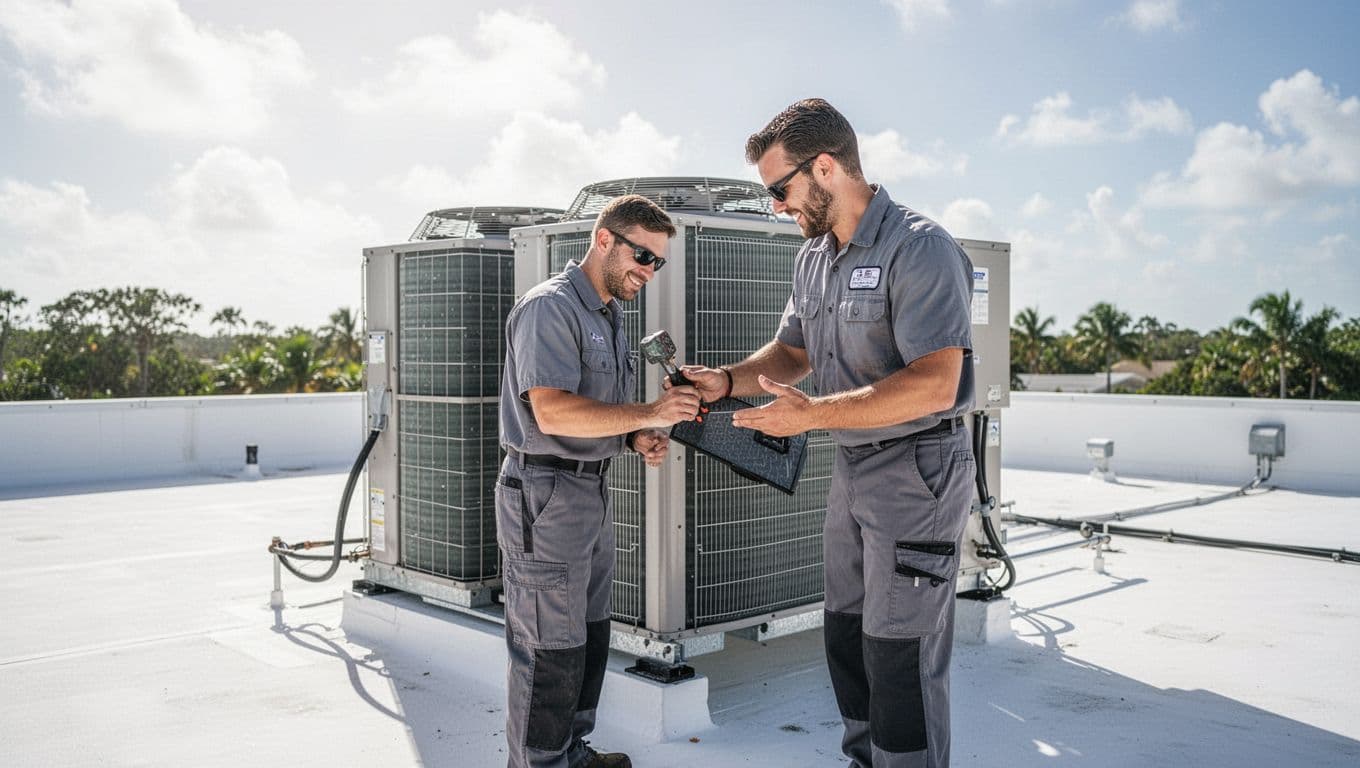
Start with the areas that affect airflow, drainage, and heat transfer. These checks often reveal developing problems before the system stops working.
Check air filters. Dirty filters restrict airflow and make the blower work harder. Follow the filter type and replacement interval listed by the equipment manufacturer. Replace a loaded filter with the correct size and rating. A filter that fits poorly can allow dust to bypass the filtration area.
Inspect supply and return air paths. Make sure furniture, stored products, displays, and boxes don't block grilles or supply registers. Closed or obstructed vents can create uneven temperatures and increase pressure inside the duct system.
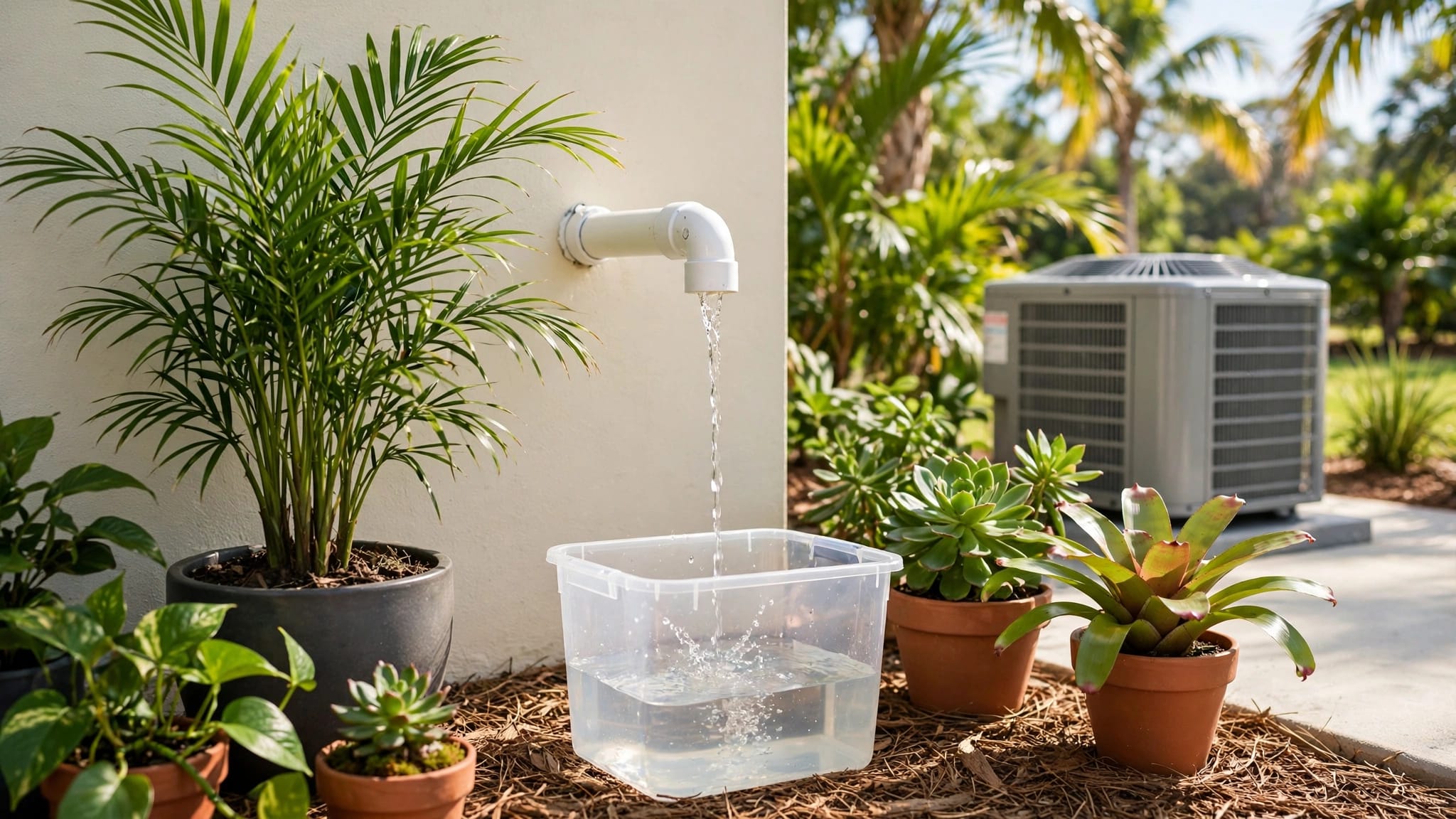
Look at the condensate drain. Florida's humidity produces substantial condensate during cooling. Check for standing water near the air handler, a full drain pan, algae buildup, or water stains on ceilings and walls. Staff can report these signs, but they shouldn't use chemicals, open panels, or disassemble drain components without guidance.
Clear outdoor obstructions. Keep leaves, grass clippings, cardboard, pallets, and other materials away from the condenser or rooftop unit. Maintain the clearance required by the manufacturer. Never climb onto a roof or handle equipment near energized electrical components as part of a routine staff check.
Listen for changes. Grinding, rattling, squealing, buzzing, and repeated short cycling deserve attention. A new sound often provides an earlier warning than a complete loss of cooling.
Record comfort complaints. Note the room, time of day, outdoor conditions, and whether the problem affects cooling, humidity, airflow, or odor. Specific records help separate a thermostat issue from a duct, airflow, or equipment problem.
A licensed technician should inspect coils, blower components, belts, motors, electrical connections, safeties, refrigerant performance, and operating pressures. Those tasks require training, proper instruments, and safe access.
Outdoor Units Need Florida-Specific Attention
Florida weather affects commercial HVAC equipment in ways that indoor staff may not see. Rooftop units collect sand, pollen, leaves, and construction dust. Coastal businesses also face salt exposure, which can accelerate corrosion on cabinets, coils, fasteners, and electrical components.
During a visual inspection, look for rust, loose panels, damaged insulation, bent coil fins, standing water, and vegetation near ground-level equipment. Don't straighten fins with improvised tools or spray water into electrical compartments. A technician can clean coils with the right method and check whether corrosion has damaged the equipment.
After a tropical storm or severe thunderstorm, shut down equipment if you see flooding, exposed wiring, a damaged disconnect, fallen materials, or signs of water entry. Don't reset breakers repeatedly when equipment won't start. Repeated trips can point to an electrical fault or damaged component.
Rooftop access also creates a safety concern. Staff members should report visible issues from a safe location instead of walking across a roof or opening a unit. Commercial HVAC work may involve ladders, fall hazards, high voltage, rotating parts, and pressurized refrigerant.
Salt air can damage equipment even when the system still appears to run normally. A coastal inspection should include corrosion checks, not only temperature checks.
Professional service may include coil cleaning, electrical testing, fastener checks, drain testing, belt inspection, lubrication where applicable, and verification of safety controls. The exact work depends on the unit's design, age, condition, and maintenance instructions.
Indoor Air Quality and Thermostat Calibration
Temperature is only one part of indoor comfort. In humid Southwest Florida buildings, occupants may complain about stuffiness, odors, or dampness even when the thermostat shows the expected temperature.
Keep return grilles clean and confirm that staff haven't covered them with decorations, signs, or stored materials. Dust around vents can indicate poor filtration, excessive return air leakage, or cleaning needs. Persistent musty odors require prompt attention because the source may involve moisture in a drain pan, insulation, ductwork, or another building area.
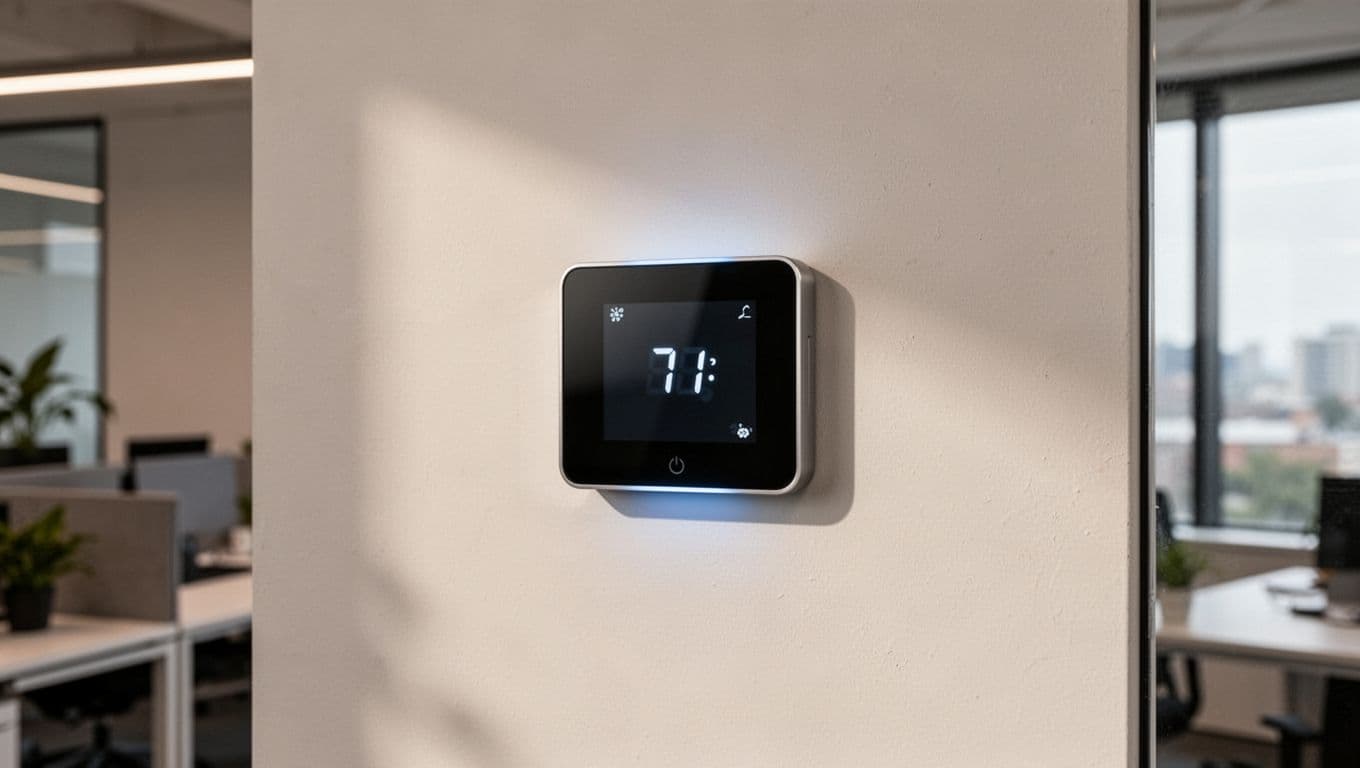
Thermostat checks are safe when they involve normal settings and visible condition. Confirm that the display is working, the schedule matches business hours, and temperature complaints aren't caused by unauthorized changes. Don't remove thermostat covers or alter wiring unless a qualified technician directs the work.
During professional service, the technician can compare thermostat readings with actual room conditions and inspect sensors, controls, dampers, economizers, and ventilation components where the system includes them. They can also assess whether the equipment is removing enough moisture for the building's use.
Restaurants, salons, fitness studios, medical offices, and crowded retail spaces may have different ventilation needs. A technician should consider occupancy, exhaust systems, outside air, building layout, and any indoor air quality concerns before recommending changes.
Know What Staff Can Do and What Requires a Professional
A good commercial HVAC checklist keeps employees away from tasks that could cause injury or damage. It also prevents small observations from being mistaken for a complete inspection.
Staff can usually:
- Replace accessible filters with the correct approved size.
- Keep vents, returns, and outdoor areas free of stored items.
- Check for visible leaks, water stains, unusual odors, and new sounds.
- Confirm normal thermostat settings.
- Document comfort complaints and equipment behavior.
- Report storm damage before anyone attempts a restart.
A licensed HVAC professional should handle:
- Refrigerant recovery, charging, leak testing, or repairs.
- Electrical testing, capacitor replacement, disconnect work, and control wiring.
- Coil cleaning that requires opening equipment or using specialized chemicals.
- Motor, blower, belt, compressor, and fan repairs.
- Gas heating service, combustion testing, and safety-control checks.
- Duct modifications, ventilation changes, and indoor air quality equipment installation.
- Rooftop work that requires technical access or fall protection.
The U.S. Environmental Protection Agency requires technicians who service equipment containing regulated refrigerants to hold the appropriate Section 608 certification. Businesses should also verify that contractors carry the licenses, insurance, and training needed for the work involved.
Manufacturer instructions still apply, even when a general checklist suggests a common task. A maintenance visit doesn't replace required professional service, code compliance, warranty conditions, or repairs recommended after an inspection.
Track Costs, Repairs, and System Performance
Maintenance records make future decisions easier. Keep the equipment model and serial number, filter sizes, installation date, service dates, reported problems, replaced parts, and technician recommendations in one file.
Track energy bills alongside operating hours when possible. A sudden increase may come from weather, occupancy, utility rates, or production changes. It may also point to restricted airflow, dirty coils, failing motors, duct leakage, control problems, or declining equipment performance.
Don't judge a contractor's estimate by the lowest price alone. Compare the inspection scope, labor, parts, warranty terms, emergency availability, and recommendations for older equipment. Ask whether the quote covers one unit or every connected system.
A maintenance plan can make budgeting easier, but the agreement should state what it includes. Look for the number of visits, equipment covered, filter responsibilities, priority response, after-hours terms, and charges for repairs outside routine service.
For a replacement, repair, or system evaluation, you can Schedule an Estimate with a local HVAC technician. A site visit gives the contractor information that a phone quote cannot, including equipment condition, access, duct layout, and building use.
When to Call for Commercial HVAC Service
Call a professional promptly when the system stops cooling, trips a breaker, leaks water, produces burning smells, freezes, or cycles on and off repeatedly. High indoor humidity also deserves attention, especially when products, documents, electronics, or occupied areas could be affected.
Emergency service may be appropriate when cooling failure threatens operations, creates unsafe indoor conditions, or affects temperature-sensitive inventory. Turn the system off when continued operation could worsen damage, then keep employees away from exposed wiring, water near electrical equipment, and damaged rooftop units.
Routine service is the better choice for declining airflow, gradual temperature changes, rising energy use, minor corrosion, and recurring but non-urgent complaints. Reporting these problems early gives the technician more repair options and may reduce disruption.
A complete maintenance checklist should end with follow-up. Confirm which repairs are urgent, which can wait, and when the next inspection should occur. Then update the building records so the next visit starts with accurate information.
Conclusion
Florida businesses depend on air conditioning through much of the year, so commercial HVAC maintenance needs a fixed place on the operating calendar. Safe staff checks can identify blocked airflow, dirty filters, water, odors, and unusual equipment behavior before those issues grow.
Professional inspections still matter because refrigerant, electrical, rooftop, ventilation, and safety work require qualified service. With consistent records and timely repairs, your business has a better chance of avoiding the rooftop failure that arrives on the hottest afternoon.
Recent Posts