
Why Your House Feels Humid With the AC On
If your AC is running but the air still feels sticky, something is off. The system may be cooling the room while missing part of the job, which is pulling moisture out of the air.
That problem shows up fast in Southwest Florida. A house can stay at a decent temperature and still feel clammy, smell musty, and cost more to cool than it should. The fix starts with knowing the difference between temperature control and humidity control.
Cooling and dehumidifying are not the same thing
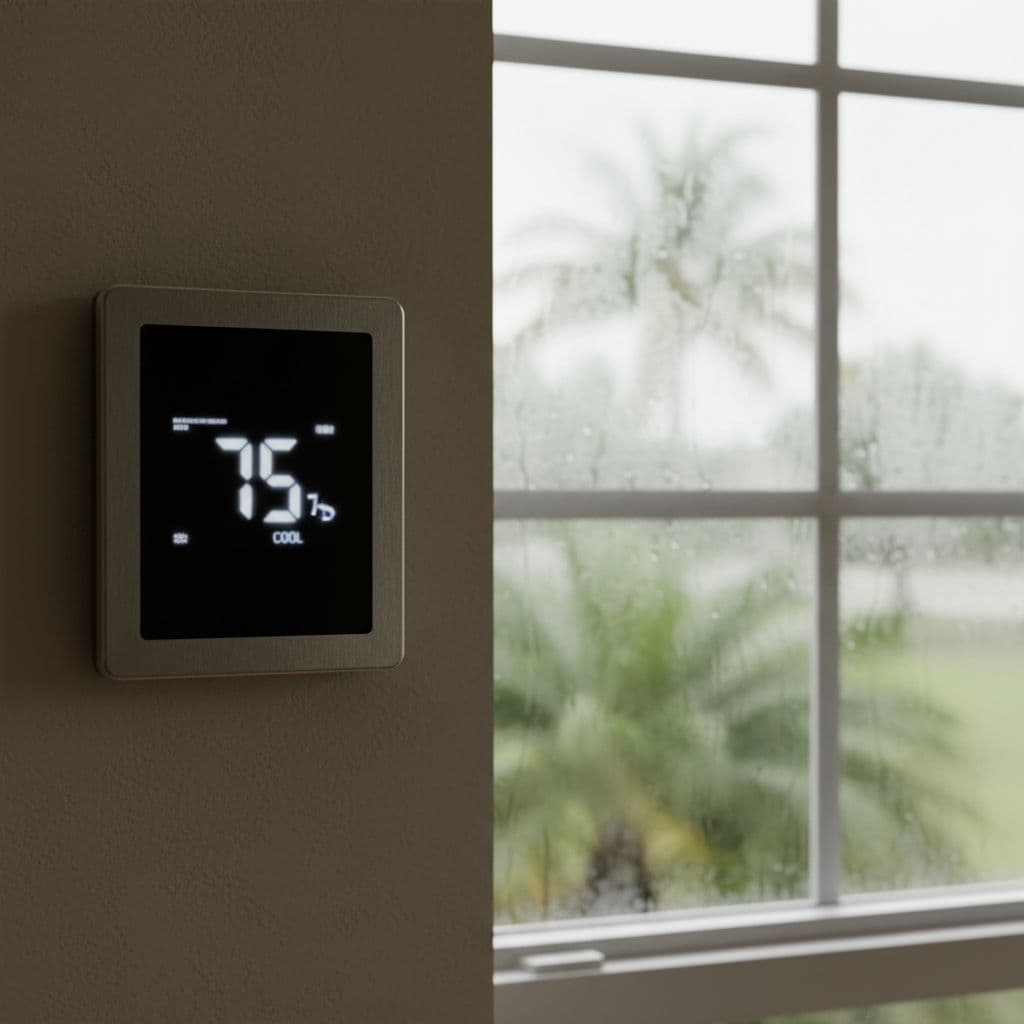
Your thermostat measures temperature, not comfort. Your AC can lower the temperature while leaving indoor relative humidity too high.
Most homes feel best between 30% and 50% relative humidity . Once humidity climbs above that range, the air feels heavier. You may notice sticky skin, damp surfaces, and rooms that never quite feel fresh.
High humidity also brings bigger problems. Mold grows more easily. Musty odors spread. Wood can swell, paint can peel, and the AC may work harder than it should.
A house can feel cool on the thermostat and still feel wet in your body.
That is why "AC not removing humidity" is such a common complaint. The system is on, the vents are blowing, and the house still feels like it needs a second opinion.
How your AC pulls moisture from the air
An air conditioner removes humidity when warm indoor air passes over a cold evaporator coil. Water in the air condenses on that coil, then drains away. That is the part that makes the house feel drier.
When the system runs long enough, this works well. When it does not, moisture stays in the air. The room may cool down before enough water leaves the air.
A dirty coil, weak airflow, or a short run time can all break that process. In other words, the AC can do the "cool" part and still miss the "dry" part. In humid Florida weather, that gap becomes obvious quickly.
Signs your home is still too humid
Sticky air is only one clue. You may also see water collecting where it should not.
Common signs include:
- Condensation on windows or glass doors
- A musty smell in closets, bedrooms, or near vents
- Rooms that feel damp even after the AC has run
- Allergies or congestion that seem worse indoors
- Wood floors, trim, or furniture that start to swell
If you see two or three of these signs at once, humidity is probably part of the problem. A simple digital hygrometer can help you check the number instead of guessing. That small tool often tells the story before the AC does.
Common reasons an AC cools but does not dry the air
Several issues can leave your house cool and muggy at the same time. Some are small and easy to fix. Others point to a bigger HVAC problem.
| Likely cause | What you may notice | Why it happens |
|---|---|---|
| Dirty air filter or coil | Weak airflow, longer run times, sticky rooms | Air cannot move well across the coil |
| Fan set to "ON" | Humidity comes back between cooling cycles | Moist air blows back into the house |
| Oversized AC unit | House cools fast, then shuts off too soon | Short cycles do not remove enough moisture |
| Low refrigerant | Warm, clammy air, possible ice on the coil | The coil does not get cold enough |
| Clogged drain line | Water near the unit, odors, or shutdowns | Condensation cannot drain away |
The size of the system matters more than many homeowners expect. An oversized unit often cools the house too quickly, then shuts off before it has time to pull out moisture. If that is the issue, a repair alone may not solve it, and HVAC installation and replacement may be the better long-term fix.
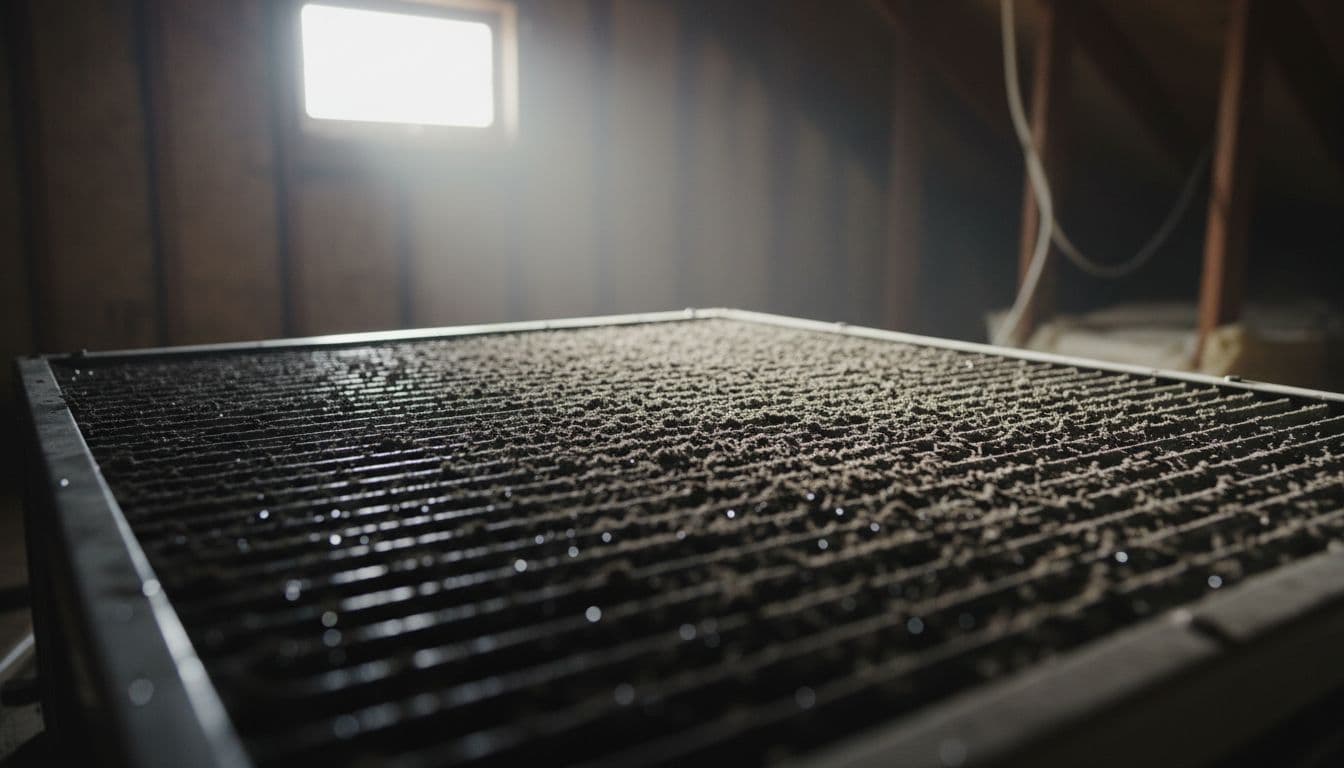
Dirty parts are another common culprit. If the coil or filter is packed with dust, the system cannot move air the way it should. A seasonal HVAC maintenance services visit can catch that before comfort slips.
Troubleshooting steps you can try at home
Before you assume the worst, check the basics. A few small settings can make a big difference.
- Set the thermostat fan to AUTO
, not ON.
When the fan runs nonstop, it can keep moisture circulating after the cooling cycle ends. - Lower the setpoint a little and let the system run longer.
Very short cooling cycles do not give the coil enough time to condense water. - Replace a dirty filter.
A clogged filter cuts airflow and makes the whole system struggle. - Close windows, doors, and frequently opened sliders.
Humid outdoor air sneaking in will fight the AC all day. - Check the drain area for standing water or overflow.
If you see water near the air handler, stop and get help before it damages the unit or ceiling. - Use a hygrometer to track indoor humidity.
If the number stays above 60%, the problem is bigger than comfort.
Safety matters here. Do not open refrigerant lines, pull apart electrical parts, or keep running a system that smells burnt, leaks water heavily, or starts icing up. Those are signs to stop and call for help.
Maintenance habits that help the AC pull more moisture
Humidity control gets better when the system stays clean and tuned. In Southwest Florida, that matters because AC units run hard for much of the year.
Keep these habits in place:
- Replace filters on schedule, usually every 1 to 3 months.
- Keep supply vents open and clear of furniture.
- Watch for dust buildup around returns and grilles.
- Make sure the condensate drain stays clear.
- Schedule regular tune-ups before peak cooling season.
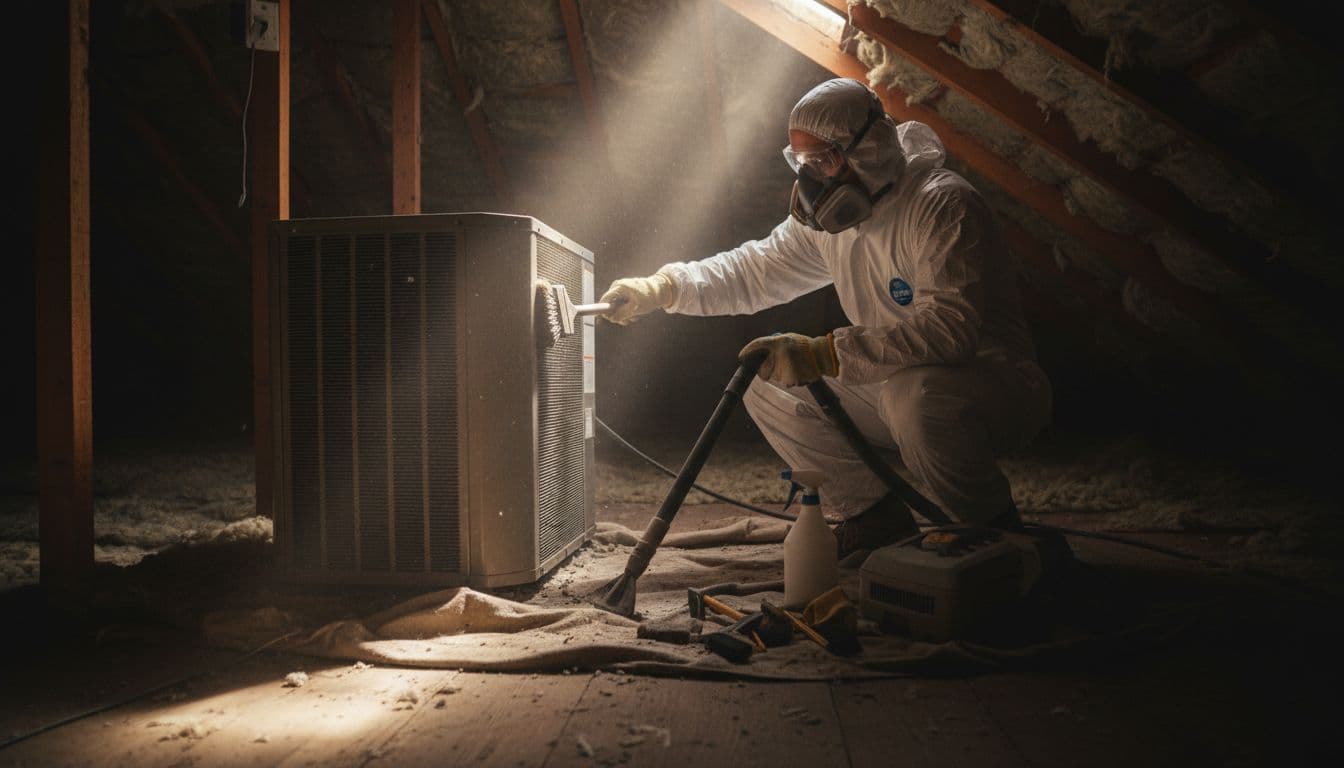
A good tune-up is not only about colder air. It also helps the system hold the right coil temperature, move air properly, and drain moisture the way it should. That is one reason consistent servicing pays off in both comfort and energy use.
If you already know the system is due for service, do not wait for mold, odors, or a shutdown. Small maintenance now often prevents bigger repairs later.
Quick checklist for a humid house
Use this quick check before you assume the AC is failing.
- Thermostat fan is set to AUTO
- Filter is clean
- Vents are open and unobstructed
- Windows and doors stay closed
- Drain line is not backing up
- Indoor humidity stays under 60%
- AC runs long enough to complete a full cycle
If two or more items are off, the comfort problem may be easy to spot. If everything looks fine and the house still feels wet, the issue is probably inside the system.
When to call a pro
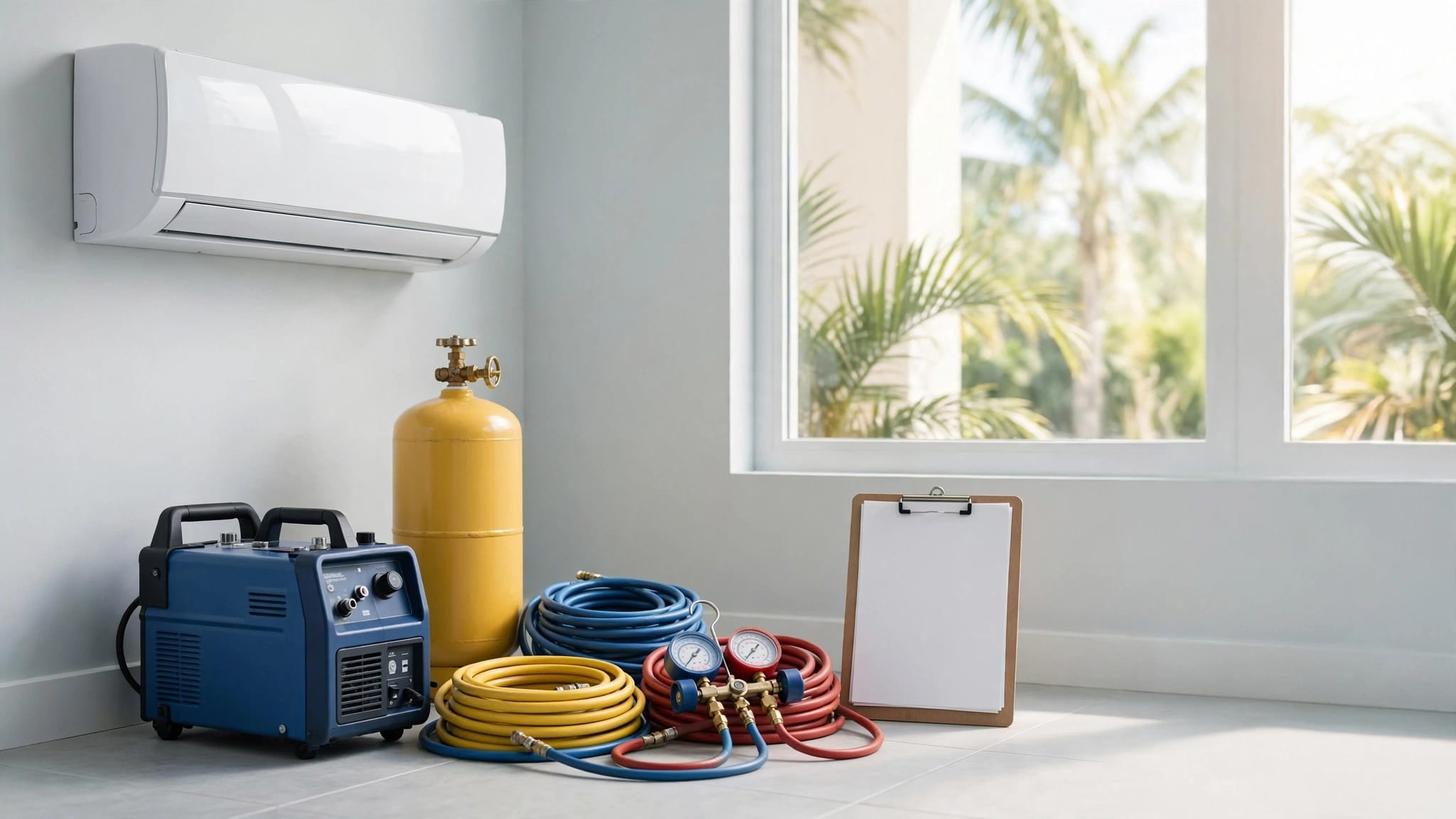
Call for help when humidity stays high after the basics are checked. That is especially true if you notice ice on the coil, water around the air handler, short cycling, a burning smell, or repeated thermostat problems.
A technician can test airflow, refrigerant charge, drain flow, duct leaks, and system size. That matters because the real cause is not always the part you can see.
If you want a clear answer on what is happening in your home, Schedule an Estimate. A proper inspection can show whether the fix is a simple repair, a maintenance issue, or a larger system problem.
Conclusion
A cool house should also feel dry enough to live in comfortably. When it does not, the issue usually comes down to airflow, runtime, or a system that is not matched well to the home.
The best first step is simple: check the fan setting, the filter, and the indoor humidity reading. If those look fine and the air still feels sticky, the AC needs a closer look.
Recent Posts