AC Maintenance Fort Myers Homeowners Can Do Safely
Florida's heat and humidity can push your home heating and cooling system hard for months at a time. Some AC maintenance Fort Myers residents can handle themselves, but only when the task stays outside sealed components, refrigerant lines, and electrical panels.
Simple preventative maintenance can improve airflow and help you spot trouble early whether you live in Fort Myers or nearby Cape Coral. However, a dirty filter or blocked drain can quickly become a costly repair in a hot home. Start with these safe tasks, then know when to call a trained HVAC technician.
Key Takeaways
- Turn off power before cleaning or touching the outdoor unit.
- Use the correct filter size and the MERV rating recommended by your system manufacturer as part of routine preventative maintenance.
- Keep leaves, grass, mulch, and furniture away from the condenser.
- Inspect the condensate drain and air filter regularly during Fort Myers' long cooling season.
- Call certified technicians for refrigerant leaks, electrical problems, frozen coils, weak cooling, unusual noises, or emergency AC repair needs.
What AC maintenance Fort Myers homeowners can do safely
Homeowners can handle several low-risk tasks around the system. These jobs focus on airflow, cleanliness, and visible conditions rather than internal repairs.
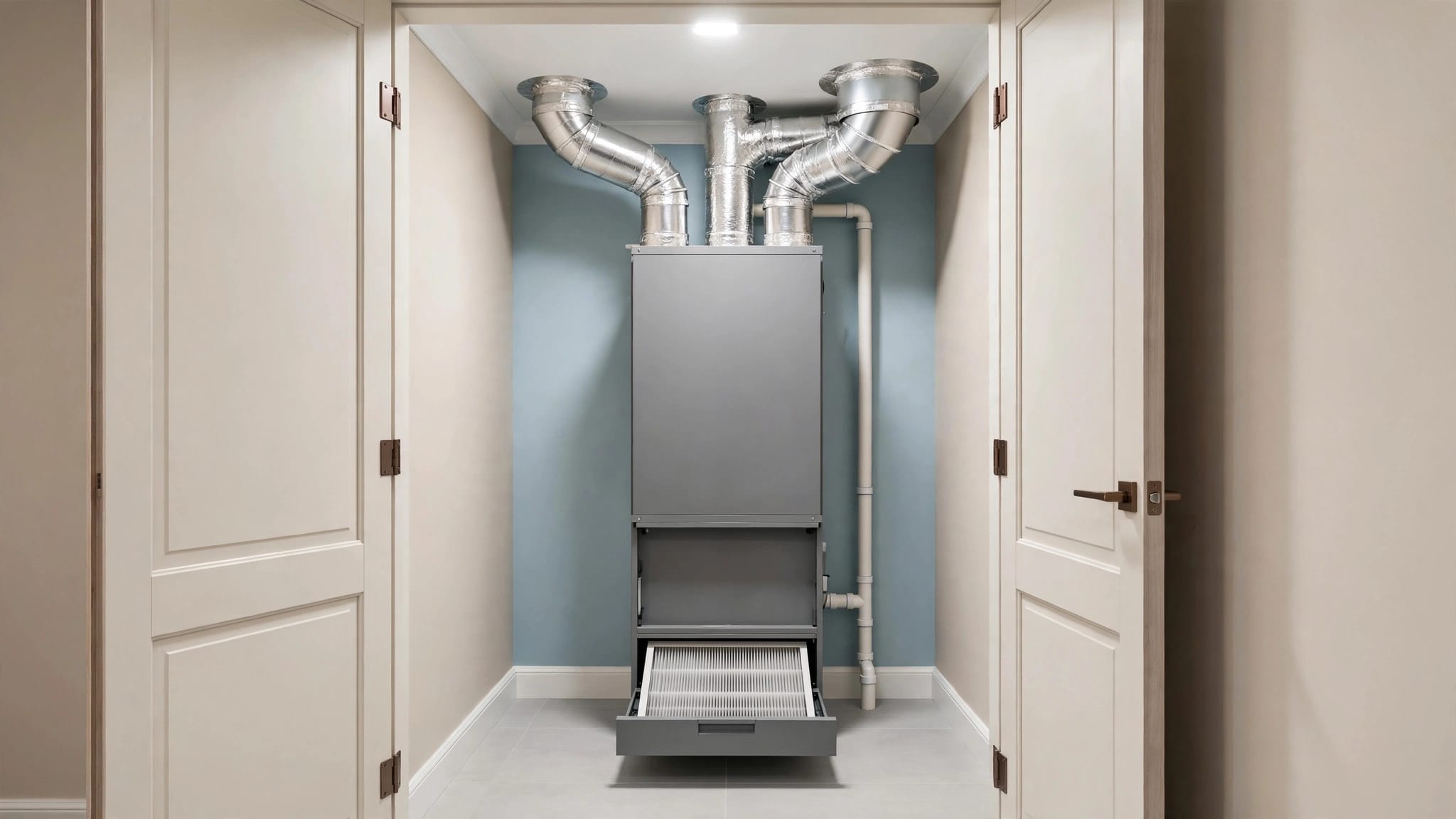
The easiest task is air filter replacement. Many Fort Myers homes need a filter check every month because the system runs often and indoor humidity can remain high. Homes with pets, renovations, or occupants with allergies may need more frequent attention, and staying on top of these changes supports better indoor air quality throughout the house.
Check the filter's frame for its size, such as 16 by 20 by 1 inches. Buy the same size unless your system manufacturer specifies another option. A filter that fits poorly can allow dust around the edges or restrict airflow.
MERV ratings also matter. A higher number isn't automatically better for every system. Dense filters can reduce airflow if the blower wasn't designed for them, so follow the equipment manufacturer's recommendation.
You can also vacuum dust from return grilles and supply vents. Use a brush attachment and avoid pushing debris deeper into the ductwork. Keep supply vents open, even in rooms you use less often, because closing many vents can affect system balance and airflow.
Outdoor care is another reasonable DIY job. Remove leaves and grass around the condenser, trim plants that touch the cabinet, and keep at least 2 feet of open space around the unit when possible. Don't place hoses, storage bins, patio furniture, or decorative coverings against it. Whether you rely on regional providers like HomePros Cooling for major services or handle quick care yourself, maintaining clear airflow also supports the energy efficiency of your cooling equipment.
Power down the system before cleaning. Turn off the thermostat, switch off the outdoor disconnect, and shut off the matching breaker when you can identify it safely.
If you're unsure which breaker controls the air conditioner, stop and ask a professional. Never remove the electrical access panel or touch wiring as part of routine cleaning.
Safe DIY AC maintenance steps for Southwest Florida homes
Before working near the outdoor unit, turn off the thermostat. Then use the outdoor disconnect next to the condenser and the circuit breaker if you can access both safely. Wait several minutes before beginning. Fans and electrical components can remain dangerous even after the thermostat stops calling for cooling.
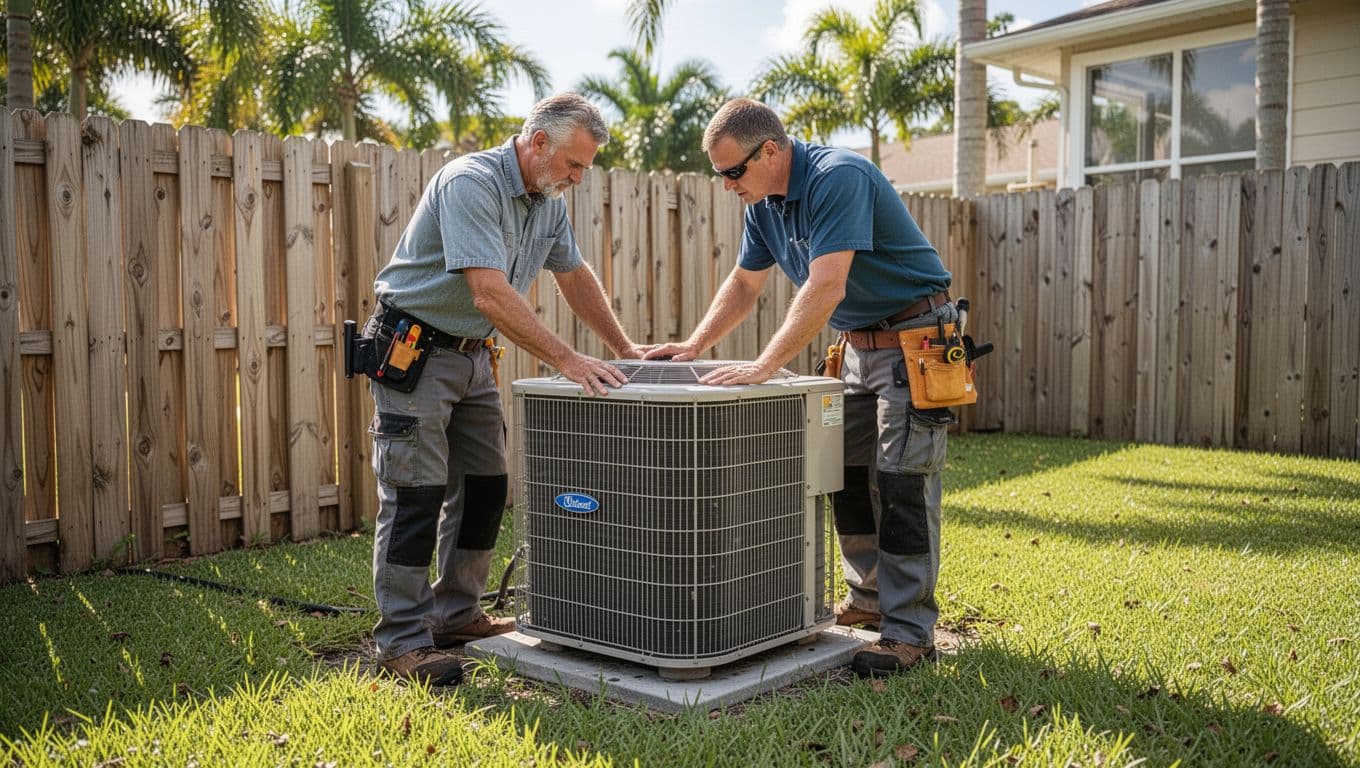
With the power off, clear loose debris by hand from the top and sides of the cabinet. Wear gloves because palm fronds, sharp grass, and insects may collect around the unit. Don't reach through the grille, and don't insert tools into the fan area.
A garden hose can remove light dust from the outdoor coil. Use gentle water pressure and spray from the inside outward only if you can do so without opening electrical compartments. The goal is to rinse debris away, not force it deeper into the fins. This routine care supports your home's humidity control by keeping heat pumps and traditional systems running efficiently through every season.
Avoid pressure washers. Their force can bend coil fins and damage delicate components. Skip aggressive brushes as well. Bent fins reduce the amount of air moving across the coil, while chemical cleaners can harm the metal or nearby landscaping when used incorrectly.
Look at the refrigerant lines without handling them. The larger insulated copper line should have intact insulation. If you see oily residue near a connection, heavy ice, or damaged insulation, turn the system off and call a technician. Oil can indicate a refrigerant leak, which requires certified air conditioning repair and proper handling.
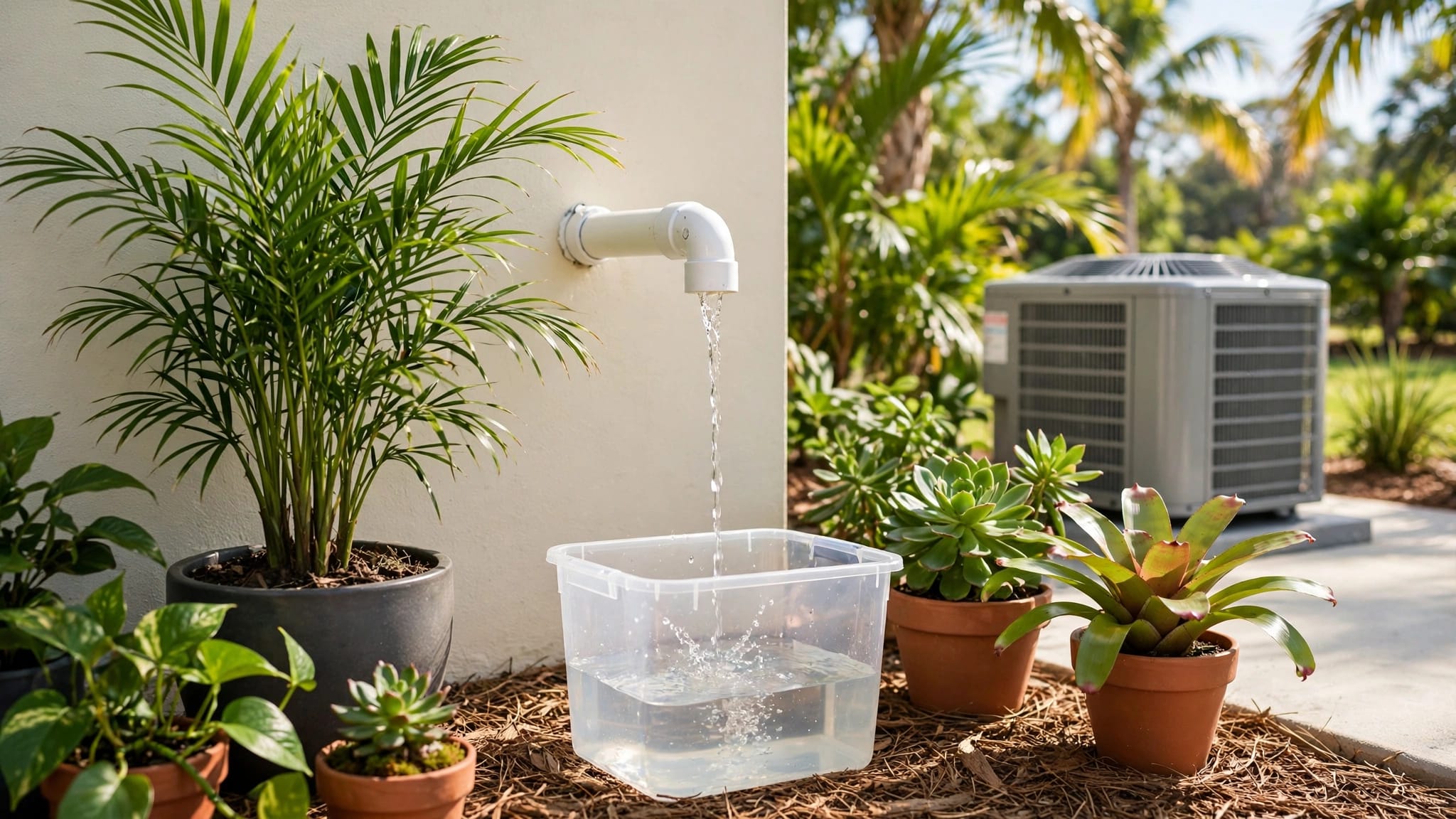
Inside, inspect the drain pan if it is visible without removing an access cover. You may also check where the condensate drain exits near the home. Water should drain during normal cooling. A small wet area can occur, but standing water, repeated overflow, or water near the air handler needs professional attention.
Some systems have an accessible condensate cleanout. If your owner's manual allows homeowner cleaning, a wet/dry vacuum at the outside drain termination can remove a soft blockage. Don't force tools into the line or pour chemicals into it without manufacturer guidance. Bleach and strong cleaners can damage materials or create unsafe fumes. When DIY efforts fall short, local homeowners often turn to established regional providers like Caloosa Cooling or Mechanical One for advanced service.
After maintenance, restore the disconnect and breaker, then set the thermostat to cooling. Give the system several minutes to start. Listen for normal operation and check that air comes from the supply vents. If the air conditioner trips the breaker, shut it down and arrange service instead of resetting it repeatedly.
A seasonal AC maintenance checklist for Fort Myers
Fort Myers doesn't follow the same heating and cooling pattern as northern states. Because year-round heating and cooling demands keep your equipment working overtime through spring, summer, and much of fall, maintenance should follow system use rather than a single annual date.
Before the hottest weather
In late winter or early spring, inspect the filter, return grille, outdoor clearance, and visible drain outlet. Remove leaves and branches that collected during winter storms. Check that the thermostat responds when you switch from off to cooling.
This is also a good time to enroll in structured maintenance plans if the system is older, has struggled during the prior summer, or has never received a full inspection. A technician can check electrical connections, refrigerant pressures, safety controls, coils, and airflow to protect energy efficiency. Those checks require tools and training that most homeowners don't have.
During heavy summer use
Check the filter monthly, then replace it when it looks loaded with dust or reaches the replacement interval in the equipment instructions. Look at the outdoor unit after mowing and after strong storms. Grass clippings and palm debris can block airflow quickly, whether you live here in Fort Myers, nearby Cape Coral, or down in Naples.
Keep indoor doors and vents arranged as usual. If one room feels warmer, don't cover the vent or close several other registers. Instead, check the filter and schedule an inspection if the problem continues.
Watch the drain area during humid weather. Your system removes moisture as it cools the home, so a steady drain outlet can be normal. Water inside the home, a full auxiliary pan, or a float switch that shuts the system off requires prompt attention.
After a tropical storm or power outage
Wait until outdoor conditions are safe before checking the condenser. Look for standing water, fallen branches, visible damage, or debris inside the cabinet. Don't turn on a unit that has been flooded or hit by debris.
A power surge can damage capacitors, contactors, circuit boards, and other electrical parts. If the system will not start or repeatedly trips the breaker after an outage, leave it off and request air conditioning repair service.
The routine HVAC maintenance service can address the detailed checks that fall outside safe homeowner care.
Know when DIY AC maintenance should stop
Cleaning and filter changes are useful, but they can't solve every comfort problem. Stop working and call a professional when you see signs of a sealed-system, electrical, airflow, or drainage fault.
A refrigerant leak may show up as oily residue, hissing, poor cooling, or ice on the refrigerant line. Don't add refrigerant or open any sealed-system component. Because refrigerant work requires certified tools, leak testing, recovery equipment, and proper charging procedures, you should rely on air conditioning repair experts to handle these complex issues safely.
Electrical symptoms deserve the same caution. Burning smells, buzzing, sparks, damaged wires, a hot disconnect, or repeated breaker trips can indicate a dangerous fault that requires 24/7 emergency service from certified technicians. Turn the system off and keep the panel closed.
Frozen coils also need professional diagnosis. Ice can result from restricted airflow, a failed blower, low refrigerant, or another problem. Running the system while the coil is frozen can increase damage. Switch it off and let the ice thaw without scraping it, and call for emergency AC repair if the system refuses to run properly.
Weak cooling, unusual noises, and persistent drainage problems also belong on a service call. A compressor that struggles to start, a fan that rattles, or water that returns after cleaning may point to a part failure or deeper blockage.
If your system stops cooling during extreme heat, schedule an estimate with a qualified HVAC technician rather than repeatedly restarting it, or request same day service to restore your home comfort. Prompt service can protect the equipment and reduce the time your home remains hot and humid.
What professional maintenance adds
DIY care handles visible dirt, filters, clearance, and basic observations. Professional maintenance goes further by testing system performance and inspecting parts that homeowners should not access.
A technician can measure temperature split and airflow, inspect electrical connections, test capacitors, check the condensate safety switch, clean coils safely, and look for refrigerant-related problems. Comprehensive maintenance plans and professional tune-ups also help protect your investment, and when an older system finally reaches the end of its lifespan, experts can guide you through AC installation or even modern upgrades like ductless mini splits and heat pumps. Companies such as HomePros Cooling and Valor Heating & Cooling often combine these mechanical checks with solutions for indoor air quality and flexible payment options that feature financing available so you can address unexpected repairs without stress.
Regular service doesn't guarantee that an air conditioner will never fail. It does give you a better chance of finding worn or dirty components before a minor issue becomes a no-cooling emergency or forces a premature AC installation. Valor Heating & Cooling provides Fort Myers HVAC services, including maintenance, repairs, inspections, installation, and emergency service.
Frequently Asked Questions
How often should I change my AC filter in Fort Myers?
Most Fort Myers homes need an air filter check and replacement every month due to high humidity and frequent system use. Homes with pets, allergies, or recent renovations may require even more frequent changes to maintain good indoor air quality.
Can I use a garden hose to clean my outdoor AC unit?
Yes, you can use a gentle garden hose to rinse light dust and debris from the outdoor coil, but always turn off the power first. Never use a pressure washer, as the high water pressure can bend delicate coil fins and cause costly damage.
When should I stop DIY maintenance and call a professional?
You should stop working and call an HVAC technician immediately if you notice refrigerant leaks, electrical issues like burning smells or tripped breakers, frozen coils, or persistent drainage problems. These tasks involve sealed components and high-voltage electricity that require certified expertise.
Keep your Fort Myers air conditioner ready
The safest AC maintenance Fort Myers residents can do themselves centers on clean filters, clear outdoor space, gentle coil rinsing, and visible drain checks. Always turn off power before cleaning, use the manufacturer's filter guidance, and avoid sealed components.
A homeowner can handle routine care without taking unnecessary risks. When cooling weakens, coils freeze, or water keeps returning, you might suddenly need air conditioning repair or emergency AC repair during a hot summer day. Fortunately, reliable HVAC services in Fort Myers and neighboring Naples often include 24/7 emergency service and same day service when sudden outages strike. If those issues persist or you need to replace older units entirely, comprehensive professional care also covers AC installation.
Recent Posts