Can You Use AC Condensate Water for Plants?
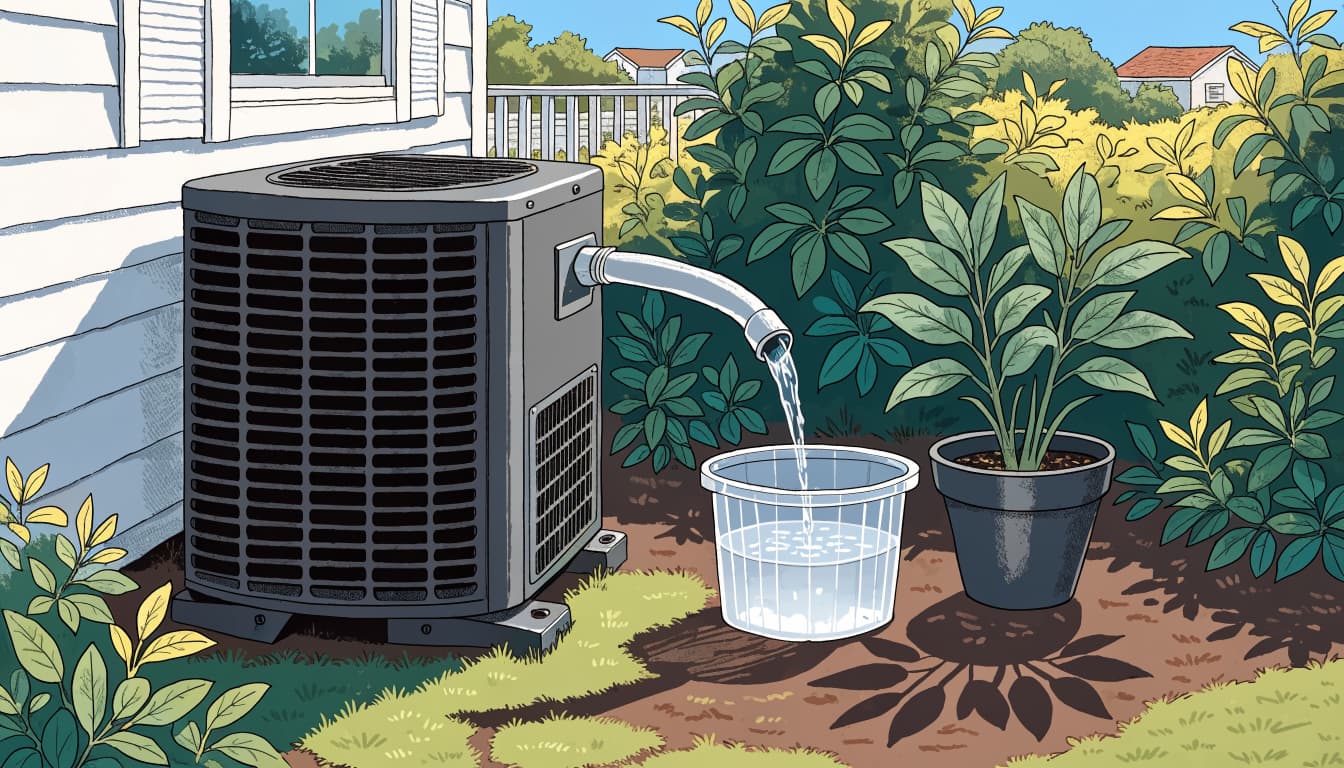
Normal AC drainage doesn't establish whether the water is suitable for plants. If you're considering AC condensate water for plants, keep water reuse separate from routine equipment maintenance.
In Southwest Florida, long cooling seasons make that outdoor drip easy to notice. Before treating it as another garden resource, understand where the water comes from and which drainage problems need attention.
Key Takeaways
- Normal condensate flow shows that moisture is leaving the AC, but it doesn't establish suitability for irrigation.
- Keep any collection container from obstructing the drain or creating standing water around equipment.
- Indoor leaks, repeated overflow, and float-switch shutdowns need professional attention.
What Your AC's Drainage Tells You
Where condensate comes from
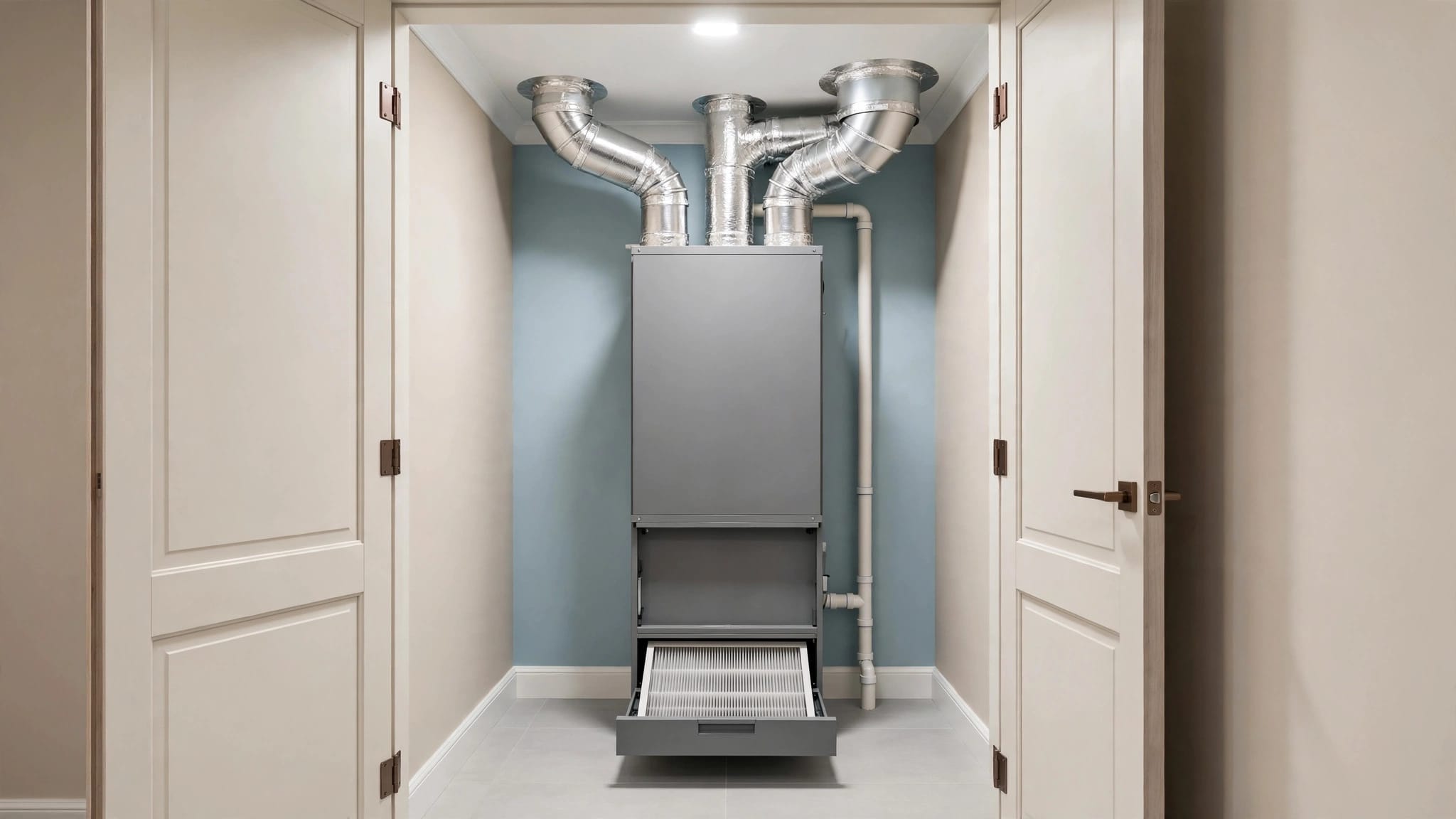
During cooling, indoor air passes over the cold evaporator coil inside the air handler. Moisture condenses on that coil, falls into a pan, and travels through a drain line.
The outdoor condenser isn't the source of this moisture. Instead, an exterior drain outlet carries water away from the indoor equipment.
Water discharge varies with operating conditions. Humidity, cooling demand, and run time all affect how much moisture the system removes. Therefore, one brief look at a dry outlet doesn't diagnose a problem.
Ornamental plants and edible crops are different uses
An ornamental bed isn't a food-growing area. Herbs, leafy greens, and vegetables are food crops, even when they grow in small patio containers.
Keep that distinction clear when considering water reuse. An HVAC inspection assesses cooling equipment and drainage; it doesn't assess food production or certify an irrigation supply.
Likewise, a functioning drain doesn't establish suitability for ornamental plants. Normal operation answers an equipment question, not every question about the water's eventual use.
Keep Collection Separate From Drain Operation
Leave the outlet unobstructed
A collection container mustn't prevent the condensate line from draining freely. Keep the pipe opening above the collected water, and don't attach a makeshift extension that creates an uphill section.
Also, prevent overflow from pooling beside the home's foundation or condenser pad. Repeated saturation around the pad can contribute to soil erosion and support problems.
Keep containers and planters away from the condenser's air intake and service access. Saving space beside the unit isn't worth restricting airflow or blocking a technician's access.
Don't alter the system to collect water
Avoid opening the air-handler cabinet, disconnecting drain fittings, or changing the trap to reach condensate. Those components form a drainage system that must work together.
Never bypass a float switch to keep the AC running or increase collection. The switch may be stopping operation because water has risen where it shouldn't.
Our guide to safe homeowner AC maintenance covers observations you can make without dismantling equipment. Accessible visual checks are different from drain modifications.
Drain Warning Signs Matter More Than Collection
Some water at the exterior drain outlet can be normal during cooling. Water around the indoor air handler, however, needs attention.
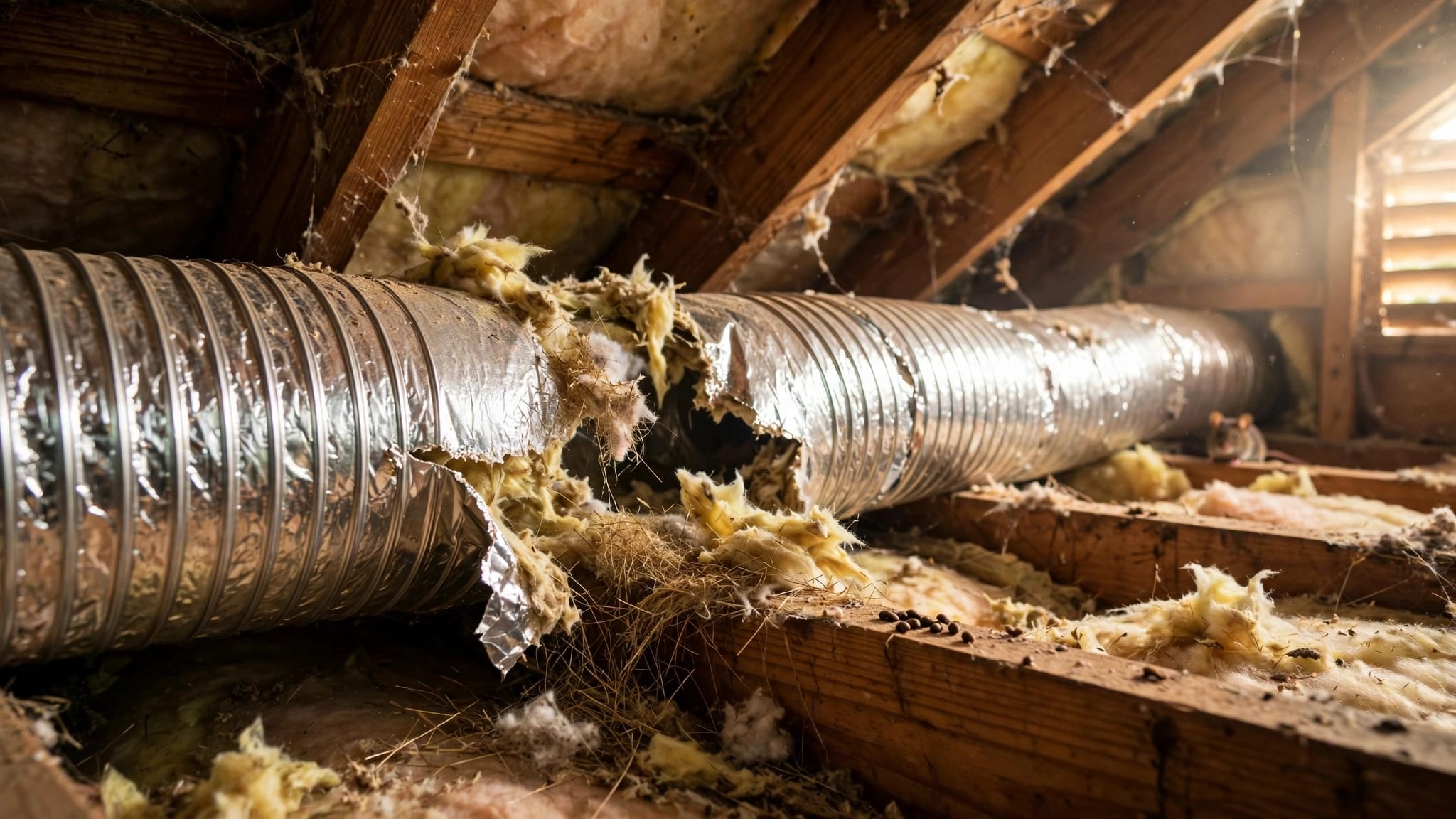
Look for an unexpectedly full pan, damp insulation, cabinet stains, or new ceiling discoloration beneath attic equipment. A musty smell near the air handler can also accompany persistent moisture.
Algae, dust, rust, and other debris can obstruct the drainage path. A line with poor slope or a low spot may hold water and develop recurring blockages.
Water in an auxiliary drain pan means the normal drainage path needs attention, even if the backup pan prevents an immediate ceiling leak.
Repeated shutdowns also deserve attention. A float switch may stop the system when water rises, so don't repeatedly restart it without addressing the cause.
Our explanation of recurring AC drain clogs covers the conditions behind these backups.
If water is actively leaking indoors, turn the thermostat off. Stay away from wet electrical equipment and arrange service.
Maintenance Protects the Drainage System
Limit dirt entering the equipment
A dirty filter can restrict airflow and allow more debris to accumulate where it doesn't belong. Use the filter size and type recommended for your system.
Disposable filters often need replacement every one to three months. Dusty conditions and heavy use may shorten that interval.
Keep returns and supply vents clear, too. Furniture and stored items shouldn't obstruct airflow.
Leave internal cleaning and repairs to technicians
Don't pour bleach, vinegar, drain opener, or other chemicals into the condensate system without instructions from a qualified technician. The wrong product can damage components.
Also, avoid pushing wire into the line or removing panels to reach the pan. Recurring backups may involve the pan, drain slope, condensate pump, or airflow.
Our HVAC repair and inspection services address the cause of drainage trouble rather than treating every leak as a simple clog.
Frequently Asked Questions
Does clear water prove the AC drain is working properly?
Clear discharge alone doesn't establish the condition of the entire drainage system. A partial blockage, damaged pan, or intermittent pump problem may still cause trouble.
Consider the full picture, including indoor leaks, repeated shutdowns, and recurring overflow.
Should the condensate drain produce water constantly?
Discharge varies with cooling operation and indoor moisture. The system doesn't collect the same amount continuously.
However, a persistently dry outlet during humid-weather cooling deserves attention when it accompanies a full pan, indoor leakage, or unexpected shutdowns.
Put Reliable Drainage First
Using AC condensate water for plants raises questions that normal drainage alone can't answer. Keep equipment performance separate from approval for a gardening use.
Your AC needs an unobstructed drain, a sound pan, and working overflow protection. If you're seeing leaks or recurring backups, Schedule an Estimate with our team at Valor Heating & Cooling.
Recent Posts