

Sensible Heat Ratio: Why It Matters in Florida

Valor HVAC • October 25, 2026

Share this article

Sensible heat ratio (SHR) describes how much of your air conditioner's cooling capacity lowers temperature rather than removes moisture. In Florida, that balance matters because your home can reach the thermostat setting and still feel damp.

Your AC needs to handle both jobs, but humidity control also depends on sizing, airflow, ventilation, and runtime. Understanding that balance helps explain why cold air alone doesn't guarantee comfort.

Key Takeaways

  • Sensible cooling lowers air temperature, while latent cooling removes moisture.
  • SHR describes the balance between those jobs, but it doesn't predict comfort by itself.
  • Florida homes need equipment matched to both their temperature load and moisture load, with proper airflow and ventilation.

What Sensible Heat Ratio Measures

An air conditioner removes heat in two ways. Both contribute to its total cooling capacity, but only one directly lowers the temperature your thermostat displays.

Sensible cooling lowers the temperature

Sensible cooling removes heat that changes air temperature. When your AC brings a room down to its thermostat setting, you're seeing sensible cooling at work.

Sunlight through windows, heat passing through walls, and appliances all contribute to this temperature-related demand. However, reaching the temperature setting doesn't tell you how much moisture remains indoors. A room can feel cool and clammy at the same time.

Latent cooling removes moisture

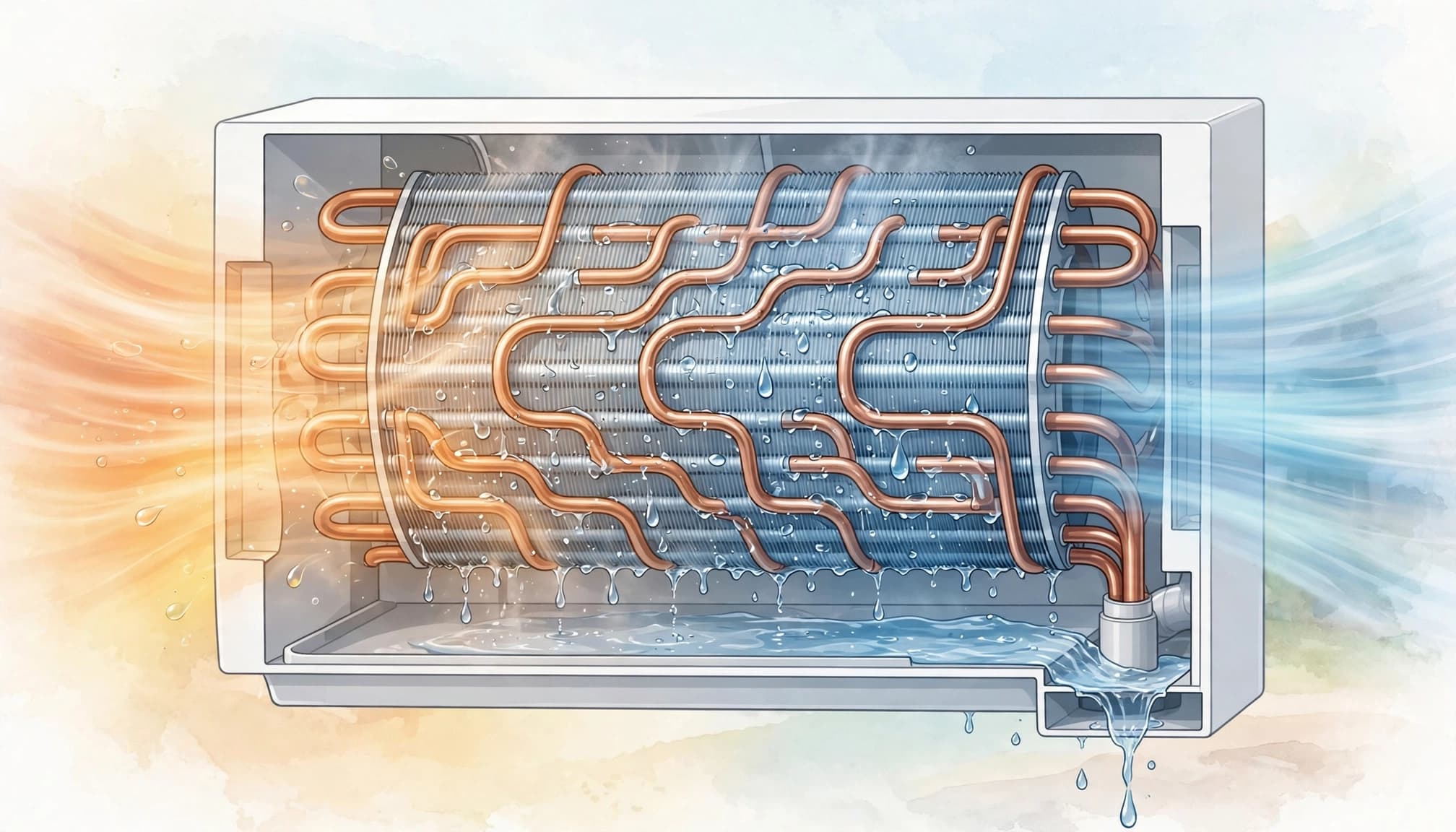
Latent cooling removes water vapor from the air. As humid air passes over a sufficiently cold evaporator coil, moisture condenses on the coil and drains away.

A lower sensible heat ratio means a larger share of cooling capacity goes toward moisture removal under the stated operating conditions. A higher ratio means a larger share goes toward lowering temperature.

However, the ratio describes a proportion , not the amount of moisture a system will remove in your home.

Why Florida Homes Need More Than Cold Air

In Fort Myers and across Lee County, outdoor air brings substantial moisture indoors through ventilation, open doors, and building leaks. Showers and everyday household activity add moisture, too.

Meanwhile, temperature demand and moisture demand don't always rise together. During milder weather, your thermostat may call for little cooling even though outdoor air remains humid. The AC then has fewer opportunities to remove moisture.

Oversized equipment can create a similar problem. It may cool the thermostat area quickly and shut off before providing enough moisture removal.

A satisfied thermostat doesn't prove that the home's moisture load is under control.

Persistent stickiness, musty closets, or long periods above 60% indoor relative humidity deserve attention. Our guide to humidity with the AC running explains how runtime, maintenance, and airflow can contribute.

How SHR Fits Into HVAC System Selection

There's no single sensible heat ratio that's right for every Florida home. Selection starts with the building's needs, then considers how the equipment performs under expected conditions.

Match equipment to both cooling loads

A home's sensible load and latent load describe different demands. The sensible load concerns temperature; the latent load concerns moisture.

A Manual J load calculation separates those demands while accounting for windows, insulation, sun exposure, occupants, air leakage, and duct conditions.

Equipment selection then uses manufacturer performance data to match those needs. The capacity of the old AC or square footage alone doesn't establish the right replacement. A larger unit can satisfy the thermostat faster without improving humidity control.

Account for airflow and operating conditions

Equipment SHR changes with indoor temperature, indoor humidity, outdoor conditions, and airflow across the coil. A published rating describes performance under particular conditions, not every hour of operation.

Sizing also affects runtime, while controls influence how the system responds as demand changes. Correct airflow, clean coils, and sound ductwork help the installed system deliver its intended performance.

Ventilation belongs in the same discussion. An energy recovery ventilator can reduce part of the incoming moisture burden, but it can't correct an oversized AC or ducts pulling humid attic air indoors.

Frequently Asked Questions About SHR

Does a lower SHR always mean a better AC?

No. A lower ratio allocates a greater share of cooling capacity to moisture removal under the stated conditions. However, the system still needs enough sensible capacity to handle your home's temperature load.

The useful comparison includes total capacity, moisture capacity, airflow, and expected runtime. Selecting equipment by SHR alone leaves out those requirements.

Will a new AC eliminate the need for a dehumidifier?

A properly selected AC may provide adequate moisture control, but some homes need separate dehumidification when cooling demand is low.

Our comparison of whole-house dehumidifiers and AC explains that distinction. A dehumidifier addresses moisture directly, but it doesn't replace repairs to leaking ducts or other building moisture problems.

Choose Cooling That Handles Florida Humidity

Sensible heat ratio helps describe how an AC divides its cooling capacity. Comfortable indoor air still depends on the complete system , including equipment sizing, ventilation, ductwork, and operating conditions.

If your Southwest Florida home stays clammy despite reaching its temperature setting, Schedule an Estimate with our team. An evaluation of the cooling system and moisture sources can identify whether repair, replacement, or additional humidity control fits your home.

Recent Posts

By Valor HVAC • October 24, 2026
Normal AC drainage doesn't establish whether the water is suitable for plants. If you're considering AC condensate water for plants, keep water reuse separate from routine equipment maintenance. In Southwest Florida, long cooling seasons make that outdoor drip easy to notice....
By Valor HVAC • October 23, 2026
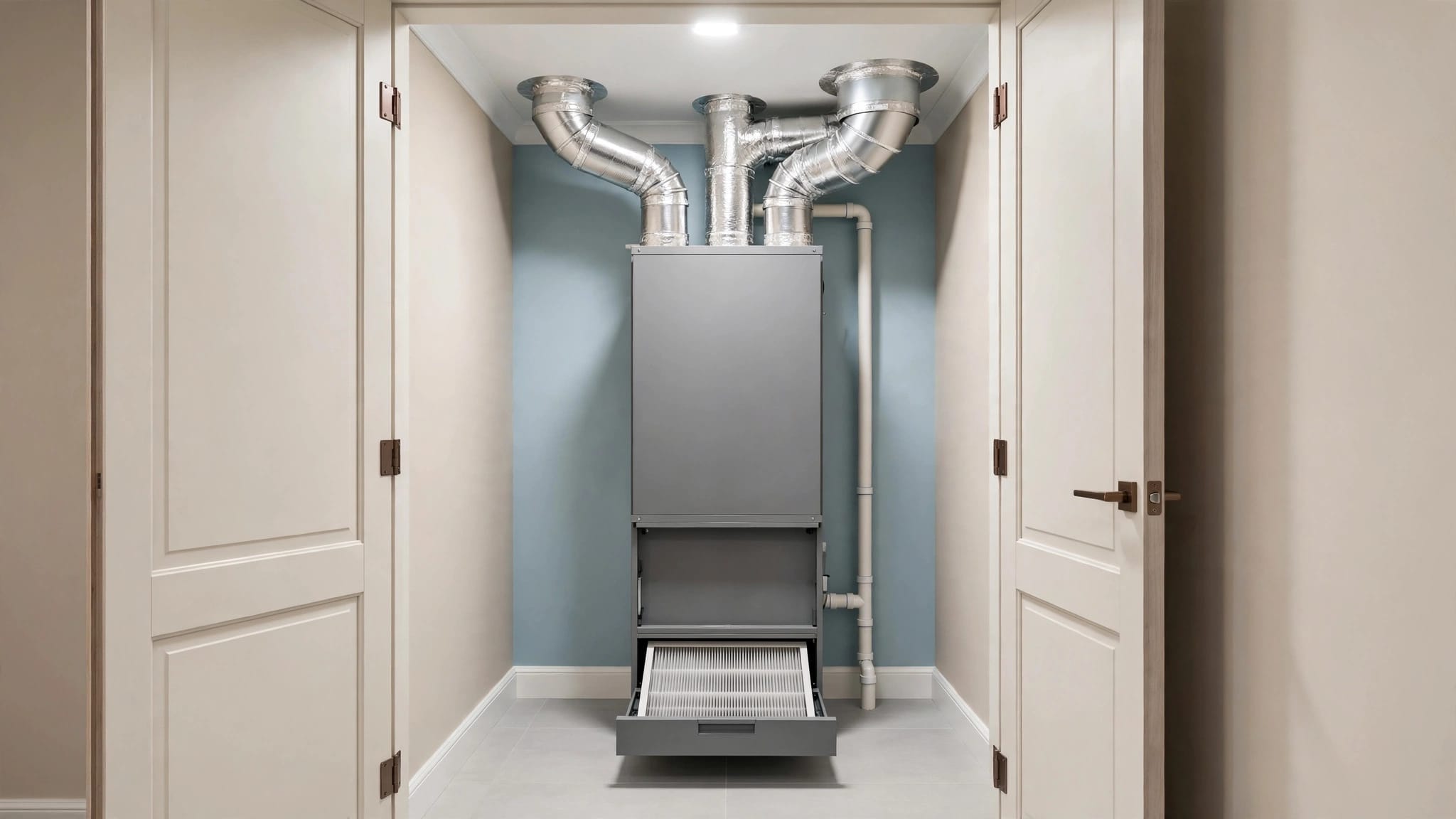
An AC air-handler closet needs enough space for the cabinet, required clearances, service access, filter removal, and duct connections. There isn't one universal closet size , because air handler closet clearance depends on the equipment model and installation layout. A unit c...
By Valor HVAC • October 22, 2026
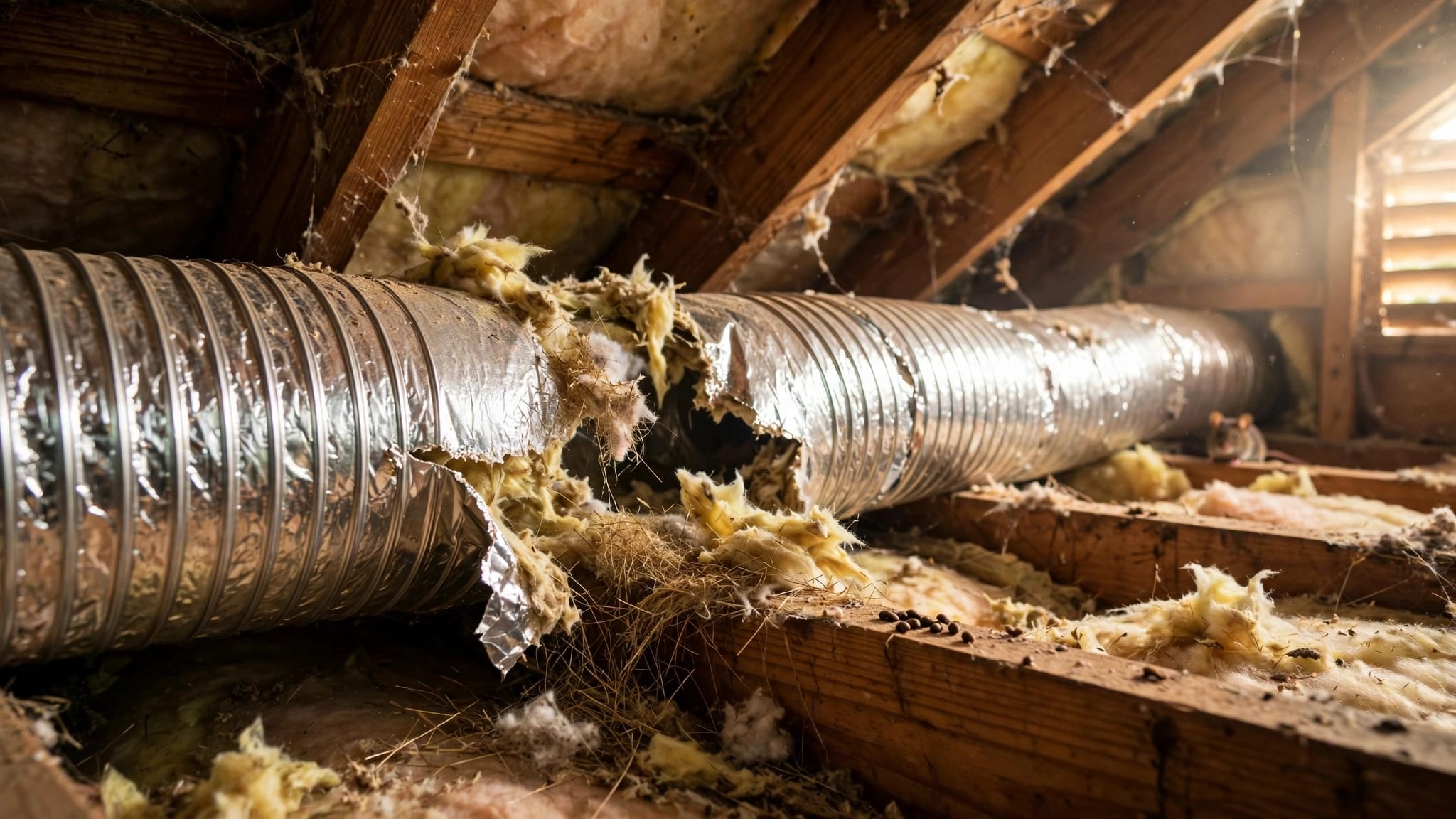
Rodents can chew through flexible ductwork, tear its insulation, and leave droppings or nesting material nearby. In a Southwest Florida home, a damaged duct can waste cooled air and affect comfort, but a smell or warm room alone doesn't confirm the cause. Look for visible dama...