Does a Commercial Kitchen Exhaust Hood Need Makeup Air?

Valor HVAC • November 1, 2026

Share this article

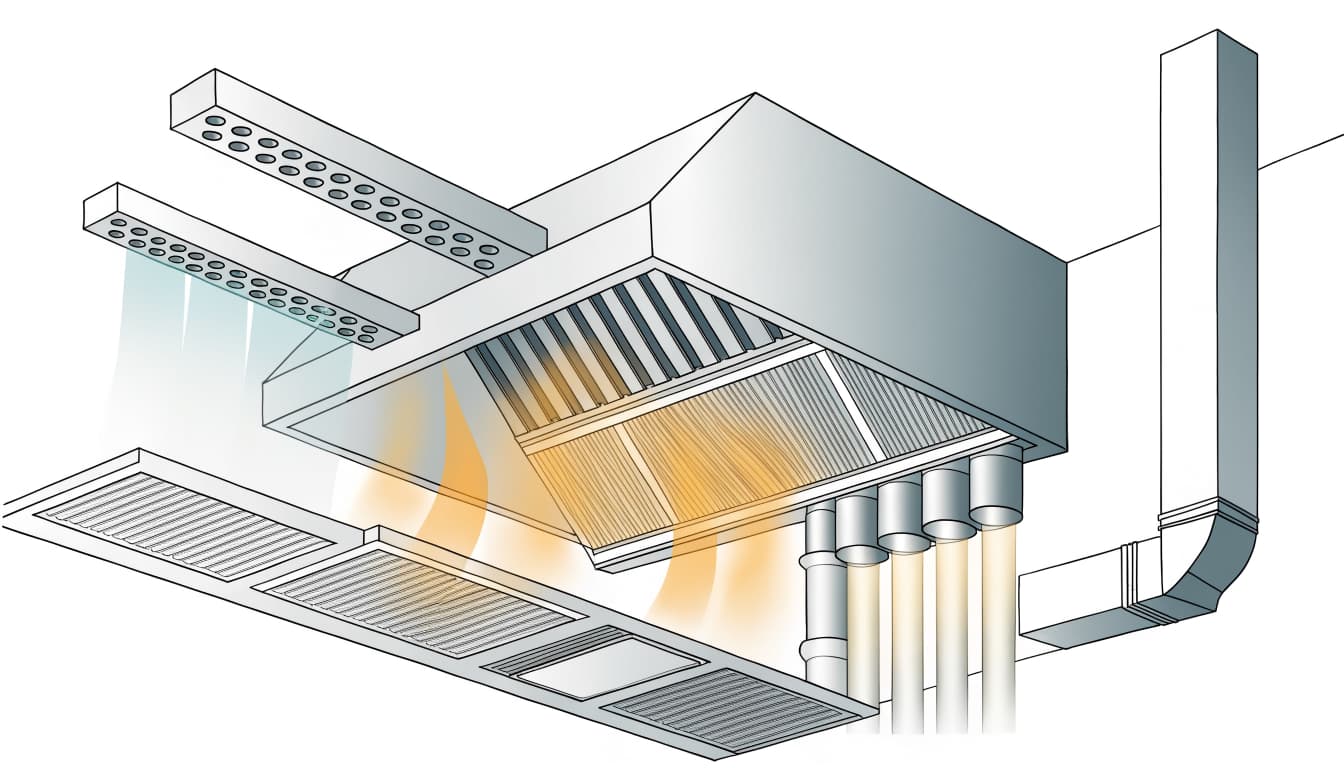
Yes. In Florida, a commercial kitchen exhaust system serving commercial cooking appliances needs makeup air while the exhaust operates. The replacement air helps prevent excessive negative pressure and allows the hood to capture cooking fumes effectively.

The amount of air your kitchen needs depends on the exhaust rate and the building's other ventilation systems. Here's how the requirement works for restaurants and other commercial kitchens in Southwest Florida.

When Commercial Kitchen Makeup Air Is Required

The Florida Building Code requires makeup air during the operation of commercial kitchen exhaust systems serving commercial cooking appliances. That requirement applies even if the replacement air comes through more than one system.

The Florida code rule

Section 508.1 of the Florida Building Code's mechanical provisions calls for total makeup air to be approximately equal to the total exhaust air for the building. It also says the incoming air must not interfere with exhaust performance.

As of November 2026, the statewide baseline is the Florida Building Code, 8th Edition (2023). It took effect on December 31, 2023. Local requirements, the permitted design, and the equipment installed can also affect a project.

Why the 400 CFM rule causes confusion

You may see a 400 cubic feet per minute (CFM) threshold mentioned in discussions about range hoods. That figure appears in a different section of the International Mechanical Code, which addresses certain other hood systems.

It isn't a general exemption for commercial cooking exhaust. The commercial kitchen makeup air provision doesn't set a 400 CFM minimum before replacement air is required.

How Exhaust Volume Affects Makeup Air

CFM measures how much air a fan moves each minute. A larger hood exhaust rate generally creates a greater need for replacement air, but the hood is only one part of the calculation.

For example, a hood exhausting 1,000 CFM doesn't automatically require a dedicated makeup air unit supplying exactly 1,000 CFM. Other sources may provide some replacement air, while bathroom fans and other exhaust systems also remove air from the building.

The design considers those sources together. It also accounts for air that leaves through doors, gaps, and other openings. The goal is an overall air balance that supports the hood without creating excessive pressure problems elsewhere.

A kitchen can still have a slight pressure difference relative to a dining room as part of its design. What matters is that the pressure and airflow work together to contain cooking odors and support capture at the hood.

How Makeup Air Is Supplied and Balanced

Replacement air can enter through a mechanical supply system, a gravity system, or a combination of both. The right arrangement depends on the building and its ventilation design.

Dedicated equipment and other air sources

A dedicated makeup air unit uses a fan to bring outdoor air into the building. Depending on the design, it may also filter and condition that air before distributing it.

Other properly designed supply systems can contribute to the building's replacement air. A standard air conditioner doesn't automatically provide makeup air, though. Much of the air moving through a typical HVAC system is recirculated indoor air.

In Southwest Florida, outdoor air adds heat and moisture. The cooling equipment must account for that load, especially during long cooking shifts. Our comparison of rooftop and split systems for businesses explains other factors that affect restaurant HVAC selection.

Controls, placement, and testing

Mechanical makeup air controls must start and operate automatically with the commercial kitchen exhaust. That helps prevent the hood from running without its intended supply.

Air placement matters, too. A strong supply stream aimed at the hood can disturb the rising cooking plume and push fumes into the kitchen. A technician balances the system by measuring actual supply and exhaust airflow, rather than relying only on equipment settings.

Signs Your Kitchen May Have Inadequate Makeup Air

Pressure problems often show up while the hood is running. Staff may notice exterior doors that are hard to open, doors that slam, or strong drafts around entrances.

Smoke or cooking odors escaping the hood can also point to an airflow problem. In a hot, humid climate, air pulled through building gaps may make the kitchen harder to cool and contribute to moisture complaints.

These signs call for investigation, but they don't identify the cause on their own. A dirty filter, a fan problem, poor hood capture, or an issue with supply air direction can produce similar complaints.

Negative pressure can also draw combustion products back into a space from fuel-burning equipment. If you suspect a carbon monoxide emergency, move everyone outside and call 911. Don't wait for a routine HVAC appointment.

What an HVAC Inspection Can Identify

A technician can review the hood and building ventilation together. That includes measuring airflow and pressure, inspecting accessible filters and dampers, and testing whether the makeup air system operates with the exhaust.

The technician can also compare measured airflow with the system's design and look for blocked outdoor air openings or control problems. After a change, another airflow measurement helps establish whether the adjustment worked.

Maintenance matters because a system that was balanced at installation can lose airflow as filters collect dirt or components wear. For planning purposes, our guide to commercial HVAC maintenance costs in Fort Myers covers common service considerations.

Keep the Hood and Makeup Air Working Together

A commercial kitchen hood needs a reliable source of replacement air whenever it exhausts. The right amount depends on the whole building's air balance , not the hood's fan rating alone.

If your Fort Myers or Southwest Florida kitchen has drafts, hood capture problems, or pressure complaints, we can help assess the HVAC system.

Schedule an Estimate with Valor Heating & Cooling.

Recent Posts

By Valor HVAC • October 31, 2026
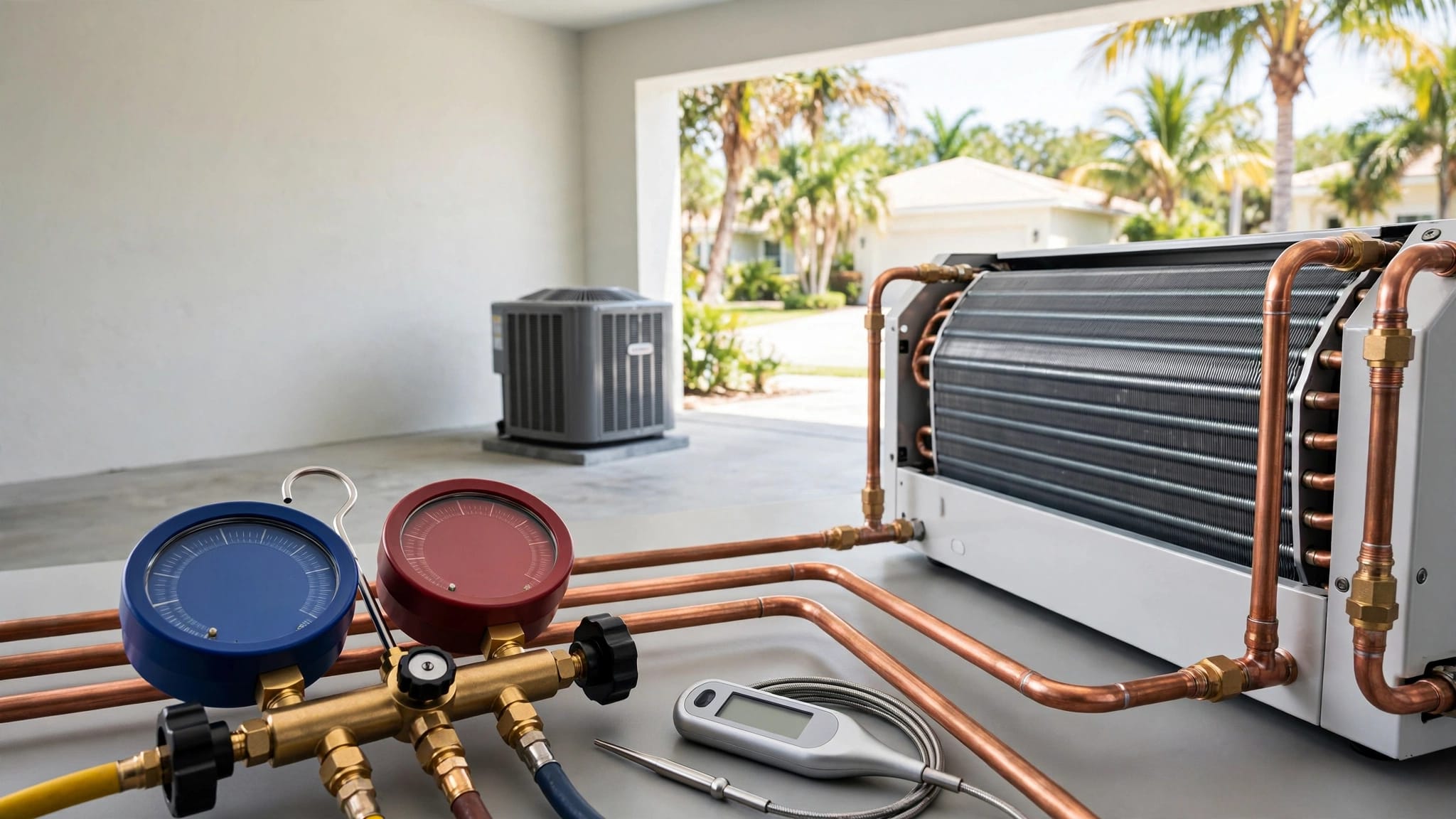
AC superheat and subcooling tell a technician how refrigerant is moving through your cooling system and changing between liquid and vapor. Used together with pressure, airflow, and temperature checks, they help identify possible charge or performance problems. For homeowners i...
By Valor HVAC • October 30, 2026
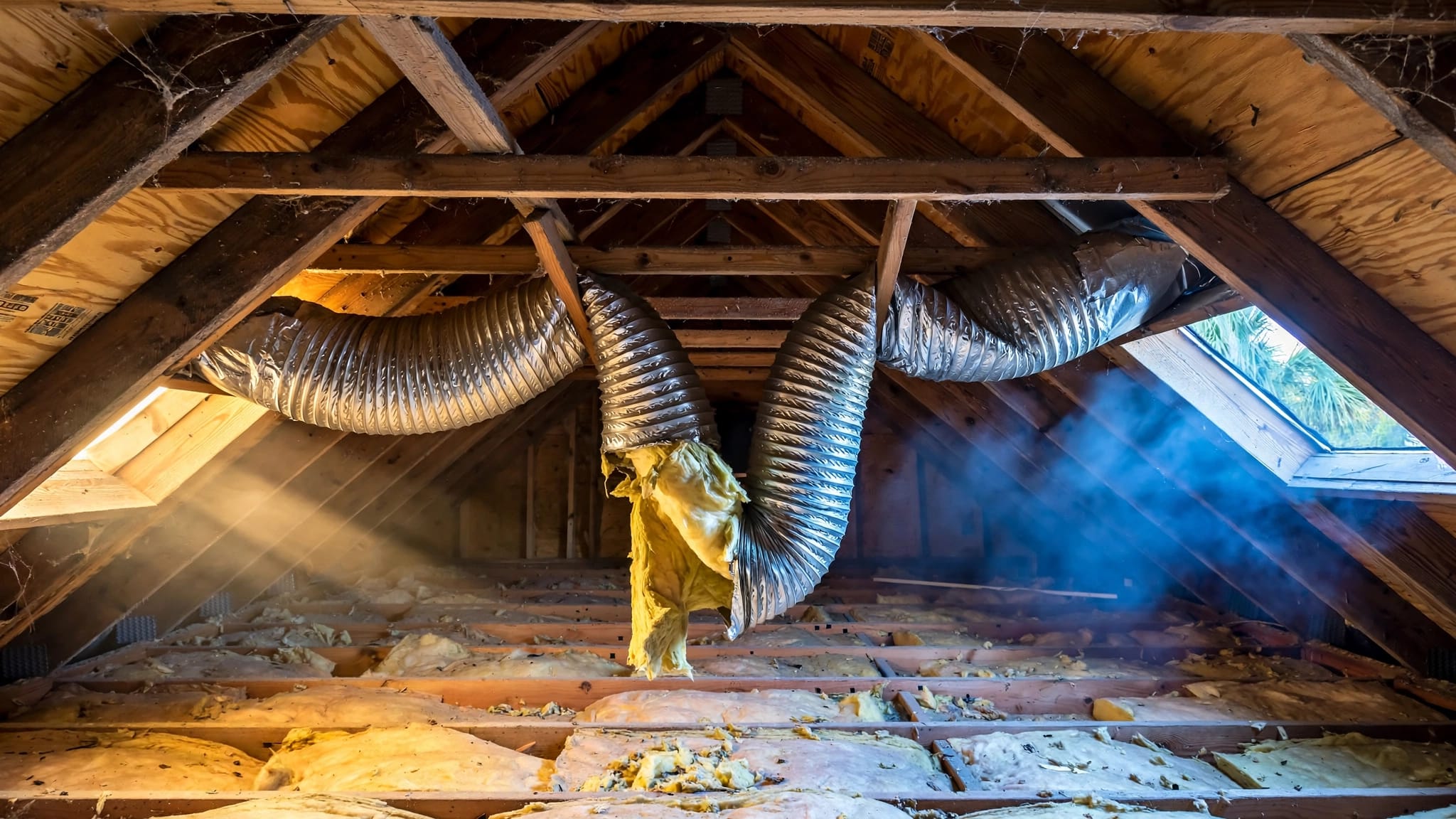
Flex duct sag can restrict AC airflow by creating bends, compressing the inner liner, and increasing resistance. In Southwest Florida, that restricted path can leave rooms warm even while your air conditioner keeps running. The problem often involves more than a loose support...
By Valor HVAC • October 29, 2026
HVAC ducts sweat in Florida attics when humid air meets a duct surface cold enough for water vapor to condense. Damaged insulation, leaking connections, and moisture problems can make that condensation more likely. For Southwest Florida homeowners, sweating HVAC ducts may firs...