
Why HVAC Ducts Sweat in Florida Attics
HVAC ducts sweat in Florida attics when humid air meets a duct surface cold enough for water vapor to condense. Damaged insulation, leaking connections, and moisture problems can make that condensation more likely.
For Southwest Florida homeowners, sweating HVAC ducts may first show up as ceiling stains or dampness around a vent. The lasting fix depends on finding where humid air reaches the cold surface , rather than simply wiping away the water.
Key Takeaways
- Hot, humid attic air can condense on cold duct surfaces, especially where insulation is thin, compressed, or damaged.
- Duct leaks, poor support, and high indoor humidity can contribute to moisture problems, but symptoms alone don't identify the cause.
- Recurring droplets, damp ceilings, and musty odors deserve an inspection that covers ductwork, airflow, insulation, and condensate drainage.
How Florida Attic Air Creates Condensation
Your supply ducts carry cooled air through the attic before delivering it to your rooms. In a vented Florida attic, the surrounding air can be hot and moisture-laden while the ducts remain cold.
Condensation begins when a duct surface falls below the surrounding air's dew point. That's the temperature at which water vapor starts turning into liquid. Droplets can then collect on exposed metal, duct boots, or other cold surfaces.
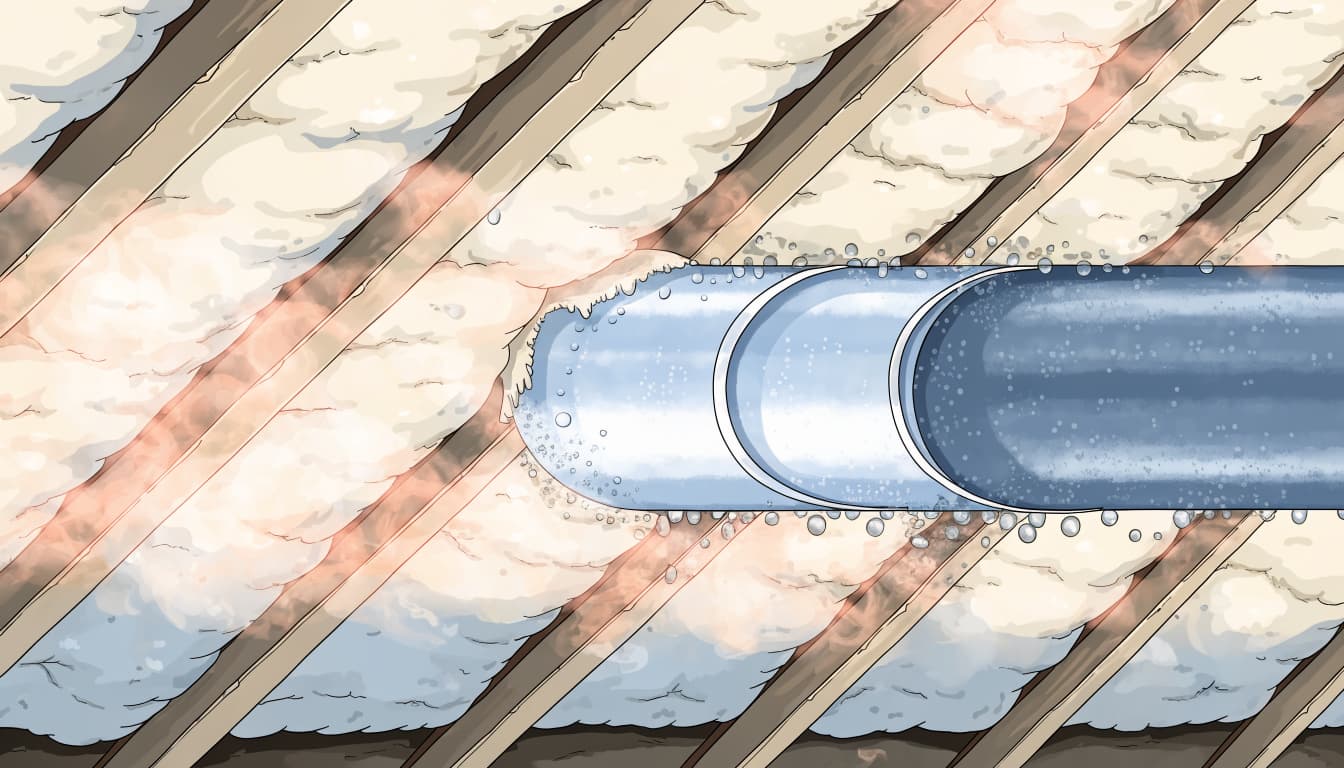
Heat alone doesn't cause sweating. Moisture and surface temperature together determine whether condensation forms. That's why one poorly insulated connection may drip while the surrounding ductwork stays dry.
Insulation slows heat transfer and helps keep the outer duct surface warmer. Meanwhile, an intact outer vapor-retarding jacket helps prevent humid air from reaching cold components beneath it. Both layers matter, particularly around connections and transitions.
What Makes Sweating HVAC Ducts More Likely?
Two common contributors are insulation defects and air leakage. They often occur together, so covering a wet spot without examining the connection underneath may leave the problem unresolved.
Damaged or Incomplete Duct Insulation
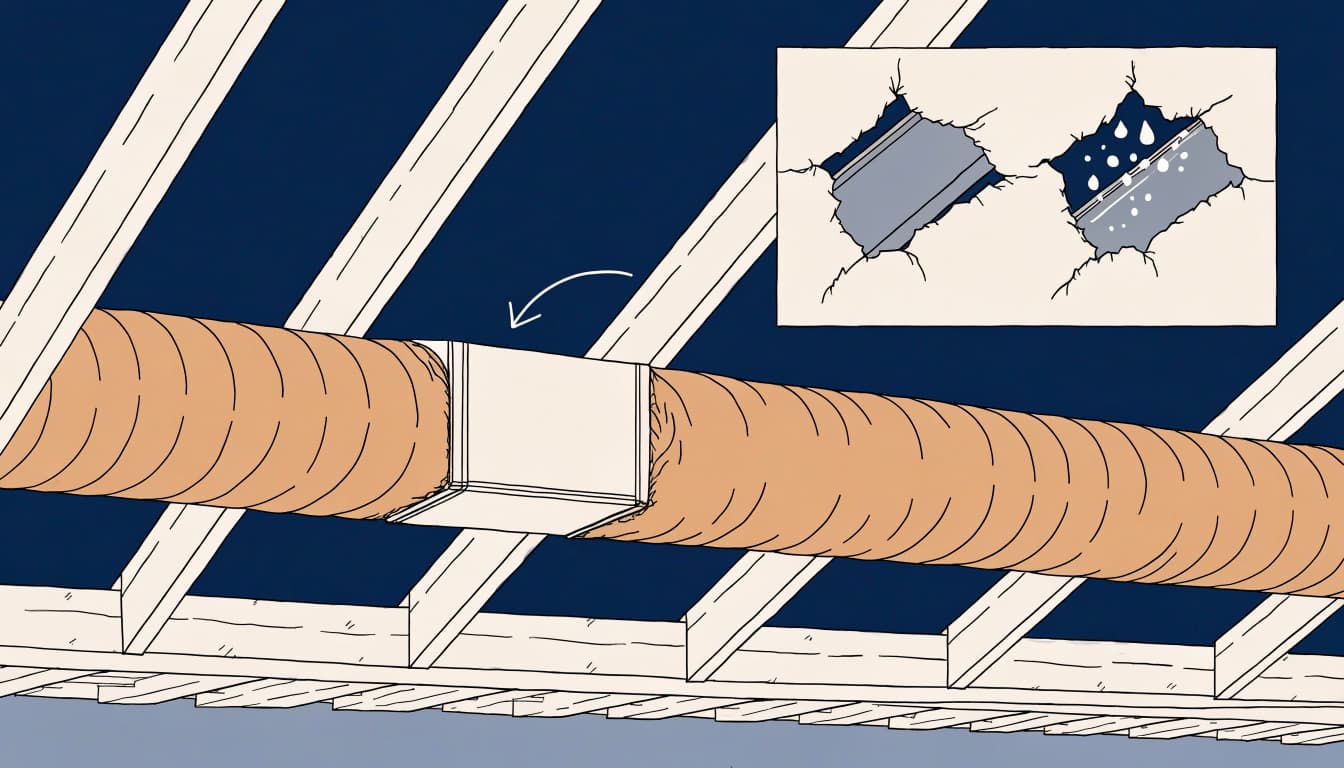
Insulation can't protect a duct evenly when it's flattened, missing, or pulled away from a connection. A small exposed section at a metal boot or plenum can become a condensation point.
Flexible ducts also need proper support. Sagging runs, tight bends, and items resting on the duct can compress insulation or restrict airflow. Meanwhile, torn outer jackets can allow moisture into the insulation assembly.
Our guide to duct insulation for Florida attics covers the relationship between insulation condition and cooling performance. The important detail is continuity: insulation needs to protect connections and fittings, not only straight duct runs.
Leaking Supply or Return Connections
A supply leak releases cooled air into the attic. That escaping air can chill nearby surfaces and create another place for condensation to develop.
Return leaks work differently. Because the return side draws air toward the equipment, an opening can pull hot, humid attic air into the system. That adds heat and moisture the air conditioner must handle.
Extra dust, unusual odors, and uneven cooling can accompany a leaking AC return duct, but none proves leakage by itself. An inspection needs to trace the air path and examine the connections.
How High Indoor Humidity Adds to the Problem
Attic humidity affects attic duct surfaces directly. Indoor humidity matters most around room-side registers, ceiling openings, and places where household air reaches cold duct components.
Cooking, showers, laundry, and open exterior doors add moisture indoors. During humid weather, open windows can also increase the moisture your AC must remove.
As indoor moisture rises, cold registers become more likely to collect condensation. However, a comfortable thermostat reading doesn't show whether the home is dry enough. Temperature and humidity are separate parts of comfort.
A hygrometer can help you track indoor moisture trends. If rooms feel clammy despite cooling, the system may need an airflow, operating-cycle, or moisture-control assessment.
An oversized system that frequently cycles off can also struggle with humidity removal. That possibility calls for an evaluation, not an automatic equipment replacement. Duct leakage and household moisture sources may be contributing at the same time.
Signs Homeowners May Notice
You don't need to enter the attic to recognize a possible moisture problem. Changes inside the home often provide the first clues.
Visible Moisture Around Vents and Ceilings
Watch for recurring droplets on registers, damp ceiling areas, peeling paint, or staining near a vent. A musty smell near the ceiling is another reason to investigate.
A brief film of moisture that dries quickly differs from repeated dripping. Persistent wetness needs attention even when the AC still cools the house.
If ductwork is visible from a safe access point, torn jackets, separated connections, and compressed sections are useful observations. Don't move ducts or remove insulation to search for the source.
Comfort and Airflow Changes
A duct problem may also leave distant rooms warmer or weaken airflow at certain registers. Long cooling cycles and higher bills can accompany these changes, although neither confirms condensation or leakage.
Pay attention to timing. A room that becomes uncomfortable after roofing, insulation, or attic work may have disturbed ductwork.
Tell your technician which rooms changed and when moisture appears. Those details help narrow the inspection without assuming every symptom comes from the same fault.
Practical Ways to Reduce Duct Condensation
The repair should address the condition that lets moisture collect. Adding insulation over a leaking connection, for example, can hide a defect without correcting it.
Restore Sealing, Insulation, and Support
A technician should examine the duct connection beneath damaged insulation, seal leaks with appropriate materials, and restore continuous insulation and the outer jacket.
Mastic or approved duct-sealing tape suits many connections. Standard cloth duct tape isn't a durable substitute. Flexible duct also needs support that limits sagging without crushing the insulation.
Both flexible and sheet-metal systems can perform well when correctly installed. Our comparison of flex duct and sheet metal explains why installation quality matters alongside material choice.
Sealing a duct joint stops air leakage. Restoring its insulation and outer jacket addresses separate heat-transfer and moisture-entry problems.
Improve Airflow and Control Moisture
At home, replace a dirty filter with the correct type and size for your system. Keep return grilles unobstructed, and don't close supply registers to try to solve a damp-room problem.
Use bathroom and kitchen exhaust fans during moisture-producing activities. Keep windows closed while cooling when outdoor air is humid.
Also, avoid treating attic ventilation changes as a universal fix. Don't block existing attic vents or add equipment based only on seeing a sweating duct. Attic construction, air sealing, and HVAC operation need to work together.
When to Contact an HVAC Professional
Arrange an inspection when sweating returns, ceiling areas remain damp, or visible insulation damage accompanies poor cooling. Hidden connections and hard-to-reach ductwork require more than a surface repair.
A useful inspection covers duct jackets, insulation continuity, connections, supports, airflow, static pressure, and possible leakage. It should also distinguish duct condensation from water escaping the air handler's drainage system.
For example, a restricted condensate line, damaged drain pan, or freezing-and-thawing coil can produce water near the equipment. Those are different from droplets forming on a duct exterior. Our explanation of common AC water leaks covers that distinction.
If water actively drips from the ceiling or pools around the air handler, turn the thermostat off and call for service. Stay clear of wet electrical equipment, and don't enter a hot or difficult attic.
We provide HVAC repair and inspection in Fort Myers and Lee County. Schedule an Estimate with our team when recurring moisture needs a closer look.
Frequently Asked Questions About Sweating Ducts
Does a Sweating Duct Mean the AC Needs Replacement?
No. Damaged insulation, an exposed fitting, or a leaking connection may cause condensation even when the air conditioner works properly. The system needs a diagnosis before a replacement recommendation. Equipment sizing and humidity removal matter, but visible moisture alone doesn't establish an equipment failure.
Is a Wet Ceiling Vent the Same as a Sweating Attic Duct?
They share the same condensation process, but the surrounding conditions differ. Indoor humidity can affect the register, while attic air can reach a cold boot through gaps above the ceiling. A wet vent therefore doesn't reveal exactly where the moisture problem begins.
Will More Insulation Always Stop Duct Sweating?
More insulation won't correct every cause. Leaking joints, torn vapor-retarding jackets, compressed material, and airflow problems may also need attention. The repair needs to address the full assembly. Simply wrapping over damaged or wet areas can leave the underlying problem hidden.
Keep Humid Air Away From Cold Duct Surfaces
Florida's climate makes duct condensation possible, but recurring dripping deserves more than routine wiping. The strongest repair addresses air leakage and insulation defects together when both are present.
Watch for repeated moisture and changes in room comfort without entering an unsafe attic. A focused inspection can separate sweating ductwork from drainage problems and identify the repair your home needs.
Recent Posts