AC Superheat and Subcooling: What Readings Reveal
AC superheat and subcooling tell a technician how refrigerant is moving through your cooling system and changing between liquid and vapor. Used together with pressure, airflow, and temperature checks, they help identify possible charge or performance problems.
For homeowners in Southwest Florida, the important distinction is that a reading is a clue, not a diagnosis . The way your AC operates, the equipment installed, and the conditions during testing all matter when interpreting it.
What Superheat and Subcooling Measure
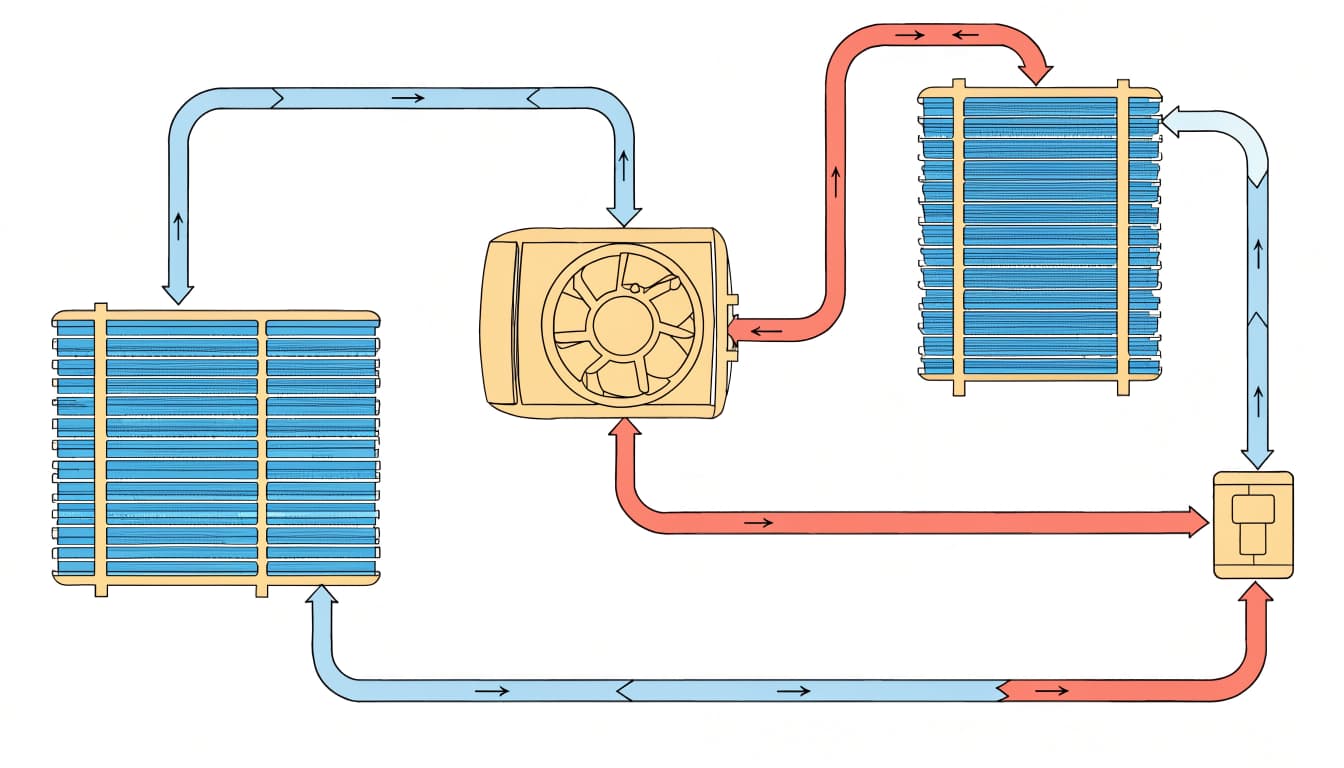
Your AC moves heat by circulating refrigerant through an indoor evaporator coil and an outdoor condenser coil. The refrigerant changes state along the way, absorbing heat indoors and releasing it outdoors.
Superheat at the Evaporator
Superheat describes how much warmer refrigerant vapor is than its saturation temperature at a given pressure. That saturation temperature is the point associated with the refrigerant changing between liquid and vapor.
Inside the evaporator, refrigerant absorbs heat from indoor air and boils into vapor. Once it has fully boiled, its temperature can rise above the saturation temperature. A technician measures that difference to understand conditions at the evaporator outlet or another specified point on the suction line.
This matters because the compressor is designed to receive refrigerant vapor. Superheat gives the technician information about what happens to refrigerant after it passes through the indoor coil.
Subcooling at the Condenser
Subcooling describes how much cooler liquid refrigerant is than its saturation temperature at a given pressure.
In the outdoor condenser, refrigerant releases heat and changes from vapor into liquid. As the liquid gives up more heat, its temperature falls below the saturation temperature. The resulting subcooling reading gives the technician information about liquid refrigerant leaving the condenser.
Both readings describe temperature differences. Neither is the same as the temperature of the air coming from a supply vent.
How a Technician Gets the Readings
A technician uses refrigerant pressure measurements and line-temperature measurements to determine superheat and subcooling. The pressure is converted to a saturation temperature for the refrigerant in that system, then compared with the appropriate line temperature.
Pressure and Line Temperature
For a typical cooling-mode assessment, the technician measures the low-side pressure and suction-line temperature for superheat. High-side pressure and liquid-line temperature provide the information needed for subcooling.
The refrigerant type matters because different refrigerants have different pressure and temperature relationships. Some blends also require different saturation references for the vapor and liquid measurements. A technician uses the equipment and refrigerant information that applies to the system being tested.
Stable Operating Conditions
The system needs to run under suitable conditions before its readings are useful. Startup behavior, indoor temperature, outdoor temperature, and airflow can all affect what the technician sees.
A technician also considers where each measurement is taken. A suction-line reading near the outdoor unit can differ from one near the evaporator because the line can gain heat along the way. The manufacturer's procedure determines which measurement location and operating conditions to use.
Why Technicians Look at Both Readings
Superheat and subcooling describe different parts of the refrigerant cycle. Looking at both gives a technician more context than looking at either one alone.
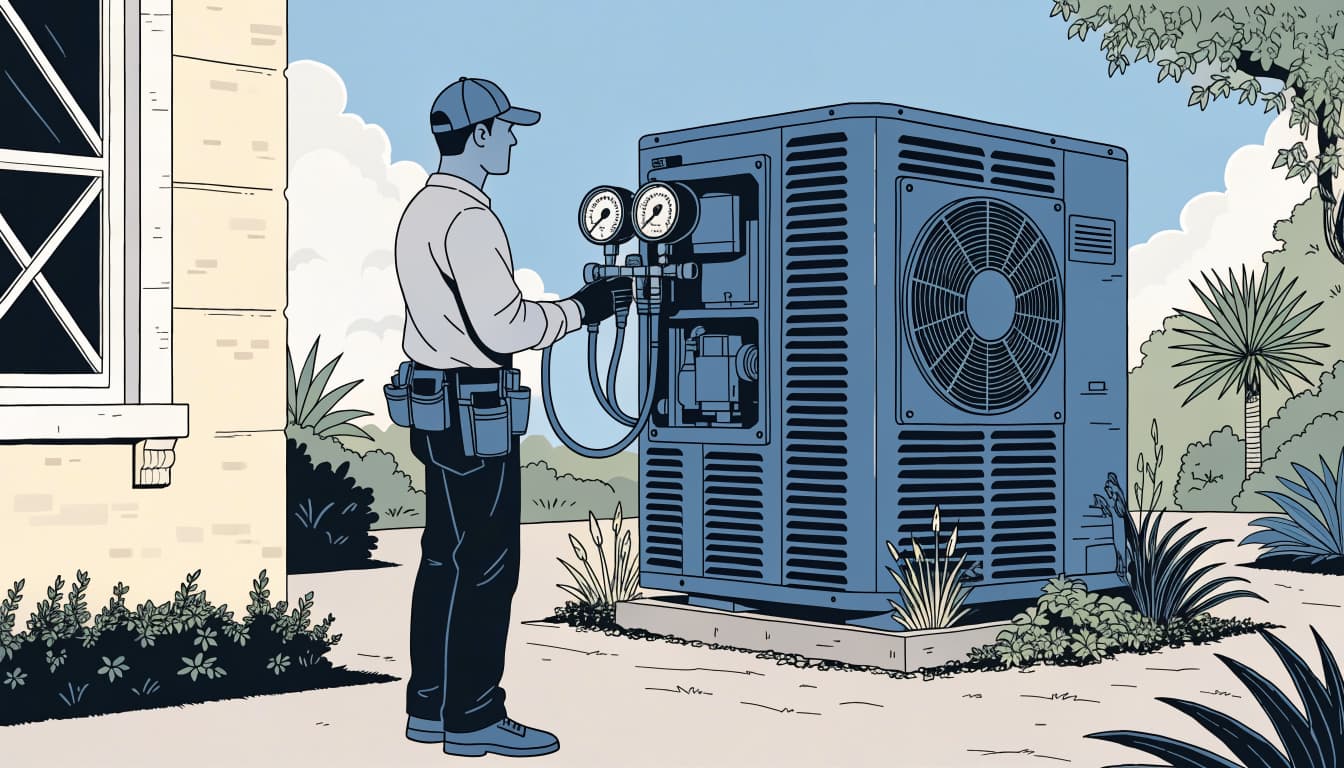
For example, unusual conditions at the evaporator may lead to questions about refrigerant supply, indoor airflow, or the metering device. A subcooling reading adds information about conditions on the liquid side. The technician can then compare both readings with pressures and temperatures elsewhere in the system.
That comparison helps guide the next test. It doesn't prove a refrigerant leak, identify a failed valve, or establish that more refrigerant is needed by itself.
A complete assessment can also include return-air and supply-air temperatures, static pressure, blower operation, electrical readings, and outdoor conditions. Our guide to AC commissioning checks describes how those measurements fit together during system startup.
A comfortable supply-air temperature alone doesn't establish that the refrigerant charge or airflow is correct.
Common Reading Patterns and What They May Suggest
A technician compares readings with the procedure for the particular equipment. The following patterns are starting points for diagnosis, not conclusions a homeowner can make from a gauge display.
Unusual Superheat With Low Suction Pressure
When superheat falls outside the equipment's expected conditions and suction pressure is low, a technician may investigate refrigerant supply to the evaporator. A low charge or a restriction can be among the possibilities.
Indoor airflow also deserves attention because it affects how much heat reaches the coil. A dirty filter, blower issue, or restricted ductwork can change operating conditions. The technician uses additional checks to separate those possibilities.
Unexpected Subcooling With Cooling Problems
An unusual subcooling reading can prompt a closer look at the charge and conditions around the outdoor condenser. The technician may examine the outdoor coil and fan, along with high-side pressure and liquid-line temperature.
Poor cooling alone doesn't show which component is responsible. A system can have airflow, electrical, or control problems that also affect comfort, so the subcooling reading needs context.
Both Readings Outside Expected Conditions
When both measurements look unusual, the technician looks for a cause that fits the full set of observations. That can include checking airflow, the metering device, refrigerant charge, and whether the system has had enough time to stabilize.
If a variable-speed system changes capacity during testing, the readings may also change. The technician follows the manufacturer's test procedure rather than treating one snapshot as a final answer.
How the Metering Device Affects Diagnosis
The metering device controls refrigerant entering the evaporator. Its design affects how a technician interprets charge and operating conditions.
Fixed Metering Devices
A fixed metering device has a set opening rather than an actively adjusted one. Its response depends on the conditions around it, including the heat load at the indoor coil.
For this type of system, a technician follows the manufacturer's charging method and considers indoor and outdoor conditions when evaluating superheat. An isolated reading taken under different conditions may lead to the wrong conclusion.
Thermostatic Expansion Valves
A thermostatic expansion valve, often called a TXV, adjusts refrigerant flow in response to conditions at the evaporator. A restriction or an overfeeding problem can affect how the system cools.
However, weak cooling, ice, and unusual pressures can also result from other faults. Before recommending a valve replacement, a technician needs to consider airflow, charge, and the rest of the system. The valve type alone doesn't explain every unusual reading.
Some equipment uses electronic controls or variable-capacity components, so its charging procedure may differ. A target borrowed from another AC system isn't a reliable substitute for the manufacturer's instructions.
Why Airflow and Florida Weather Matter
Southwest Florida systems often run under hot, humid conditions. The heat and moisture entering a home affect the indoor coil's workload, while outdoor temperature affects how the condenser releases heat.
Indoor Airflow Changes Coil Conditions
The evaporator needs enough air moving across it to absorb heat. A restrictive filter, dirty coil, blower problem, or duct issue can interfere with that heat transfer.
Low airflow can also contribute to an icy coil and weak cooling. Those symptoms overlap with refrigerant problems, which is why adding refrigerant before addressing airflow can miss the cause.
Homeowners can replace accessible filters with the correct size and keep supply and return openings clear. Our guide to safe AC maintenance covers tasks you can handle without opening the equipment.
Outdoor Conditions Affect the Condenser
The outdoor unit needs to move air across its coil to release heat. A dirty coil, obstructed space, or fan problem can change operating conditions and complicate charge diagnosis.
A useful service record includes the outdoor conditions along with the readings. That context helps explain why a measurement taken during one visit may differ from a measurement taken under different weather or operating conditions.
What Happens If a Technician Suspects a Leak
A residential AC system circulates refrigerant in a sealed circuit. It shouldn't need routine refills as part of normal operation. If testing suggests the charge is low, the next step is to investigate why.
Longer cooling times, warmer supply air, ice, hissing, and oily residue can accompany a leak. Other problems can cause some of the same symptoms, so they don't establish a leak on their own. Learn more about refrigerant leak warning signs that may warrant a service visit.
Depending on the system and the suspected leak location, a technician may inspect connections and coils, use an electronic detector, apply a bubble solution, or pressure-test with dry nitrogen.
If the leak is repairable, the work can include refrigerant recovery, repair, pressure testing, evacuation, and recharging according to the manufacturer's requirements. Our explanation of refrigerant leak repair covers those steps in more detail.
When to Arrange Professional AC Service
Arrange an inspection if your AC isn't cooling reliably, keeps icing over, or has needed repeated refrigerant additions. Also seek service if the home remains uncomfortable after you replace a dirty filter and clear blocked vents.
Turn the system off if you see ice on the refrigerant line or indoor coil. Don't scrape the ice away or open a sealed refrigerant component. Burning smells, sparks, damaged wiring, or repeated breaker trips also call for the system to be switched off and inspected.
Refrigerant work involves pressurized equipment and requires proper recovery and handling. A qualified technician can explain what the readings show, which other tests support the diagnosis, and what repair options are available.
If your system is struggling in Fort Myers or elsewhere in Southwest Florida, Schedule an Estimate with our team at Valor Heating & Cooling.
Readings Are Most Useful in Context
AC superheat and subcooling give technicians useful views of the refrigerant cycle. Their value comes from comparing them with equipment requirements and other operating measurements.
A sound diagnosis looks beyond a single number. It connects the readings with airflow, pressures, temperatures, and system behavior before recommending a repair.
Recent Posts