Lee County HVAC Inspection: A Fort Myers Prep Checklist
Preparing for a Lee County HVAC inspection starts with organizing the permit record, coordinating with your contractor, and clearing safe access to the work. Your role is inspection-day preparation , while your contractor handles technical readiness and permit-related installation questions.
A running air conditioner doesn't tell you whether the paperwork and permitted work are ready for review. For Fort Myers homeowners, the first step is knowing which building department issued the permit.
Key Takeaways
- Start with the issued permit because a Fort Myers mailing address doesn't establish whether the city or county handles the project.
- Keep permit information, applicable project documents, and contractor contact details together.
- Clear routes to indoor equipment, the outdoor unit, and relevant work areas without opening equipment or entering unsafe spaces.
- Separate permit approval from maintenance, startup testing, and warranty registration. Keep records for each.
1. Identify the Permit and Who Handles Inspection
Separate Lee County permits from city permits
Lee County and the City of Fort Myers have different permitting processes. Base your preparation on the issuing authority shown on your permit, rather than assuming every Fort Myers property follows county procedures.
HVAC installation, alteration, and replacement generally involve mechanical permitting. A small like-for-like repair can fall into a different category. Our guide to Lee County replacement permit requirements explains that distinction.
Because this appointment concerns permitted work, keep the permit number and property address together. That makes it easier to identify the correct project record.
Assign responsibility before the appointment
Your contractor should explain who schedules the inspection, receives results, and addresses any corrections. Put those responsibilities in writing so an open task doesn't sit between the homeowner and installer.
For City of Fort Myers HVAC change-outs exceeding $15,000 in valuation, a Notice of Commencement is required before inspections are scheduled. That city-specific requirement shouldn't be applied to every Lee County project.
Our guidance on choosing an HVAC contractor includes permit responsibility among the questions to settle.
2. Gather the Applicable Permit Documents
Keep project paperwork in one folder, with a digital copy available. This is a practical records checklist, not a universal list of documents required at every inspection.
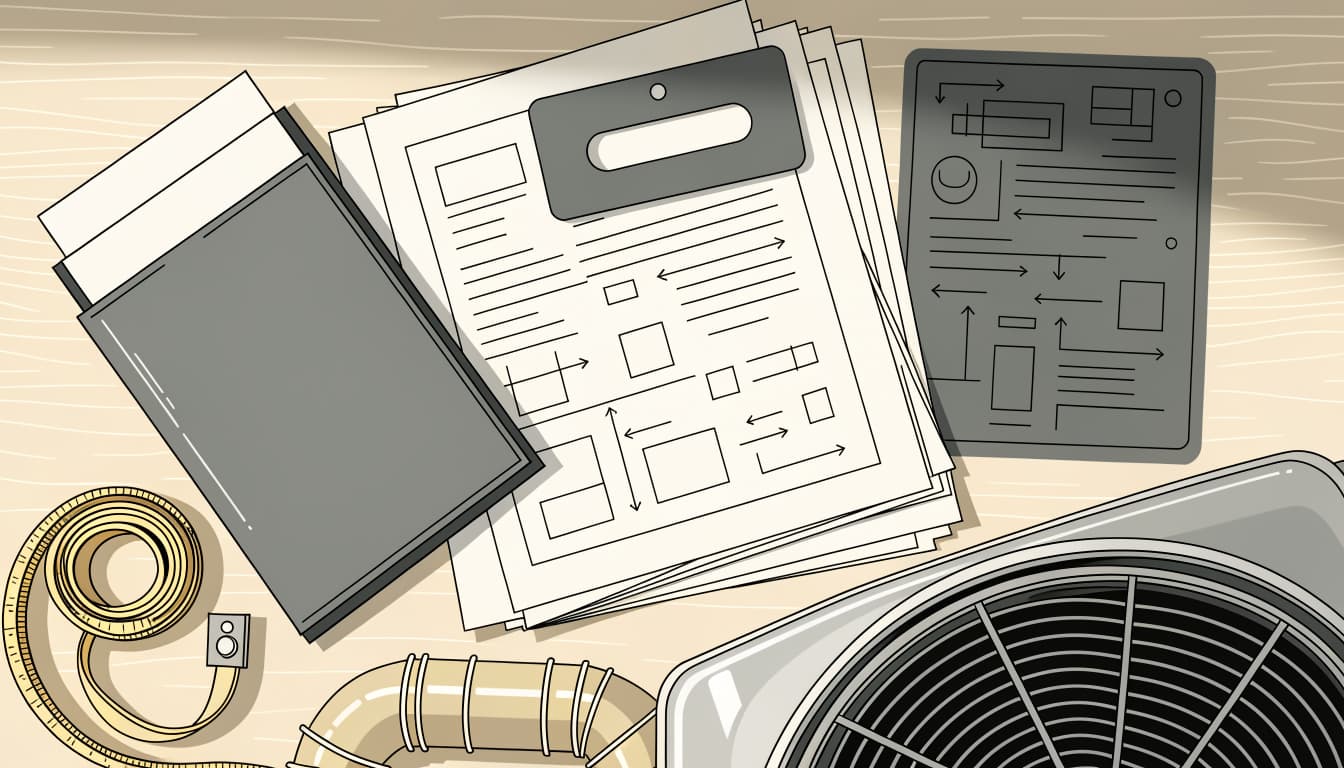
Organize the permit and approved scope
Start with documents that explain what the project covers:
- Keep the issued permit, permit number, and inspection scheduling information together.
- Include the contract or estimate describing equipment replacement, duct changes, and associated work.
- Add approved plans, equipment information, energy calculations, and other supporting documents when they apply to your project.
- Keep related trade-permit information and any previous inspection comments in the same folder.
Lee County's mechanical permit application distinguishes package units, split systems, air-handler-only replacements, condenser-only replacements, and ductwork-only work. Therefore, the paperwork should describe the work actually performed.
Energy calculations depend on the project and submittal path. Don't treat them as a requirement for every replacement.
Separate inspection paperwork from ownership records
Equipment model and serial numbers, startup reports, paid invoices, and warranty confirmations belong in your permanent home records. However, they don't all serve the same purpose as an approved permit document.
Keep indoor and outdoor equipment information clearly identified. Also, retain written changes to the original proposal so the completed project has a clear paper trail.
Have your contractor organize permit-related revisions. Homeowners shouldn't rewrite technical descriptions or substitute paperwork themselves.
3. Schedule Through the Correct Permit Record
For county-issued permits, Lee County's eConnect inspection scheduling guide describes scheduling through the individual permit record. Available inspection choices depend on the record type.
The guide outlines this sequence:
- Open the permit record, then select "Record Info" and "Inspections."
- Choose "Schedule or Request an Inspection" and select the available inspection.
- Select a date and the "All Day" option.
- Review the location and contact information, add applicable notes, and select "Finish."
Coordinate the request with your contractor so the selected inspection matches the project's stage. Don't assume a calendar request means the installation is ready for review.
Because the guide uses an all-day selection, avoid planning around an assumed appointment hour. Arrange household access and contractor communication accordingly.
Also, don't leave an unfinished permit unattended. The Lee County trade permit application states that a permit becomes void if the first inspection isn't made within six months of issuance. It also identifies a six-month limit without an inspection after the most recently passed inspection.
Those deadlines concern permit activity. They aren't promises about scheduling availability or inspection turnaround.
4. Make Equipment and Work Areas Accessible
Clearing access is one of the most useful tasks homeowners can complete safely. These are practical preparation steps, rather than a statement of county-required clearances or attendance rules.
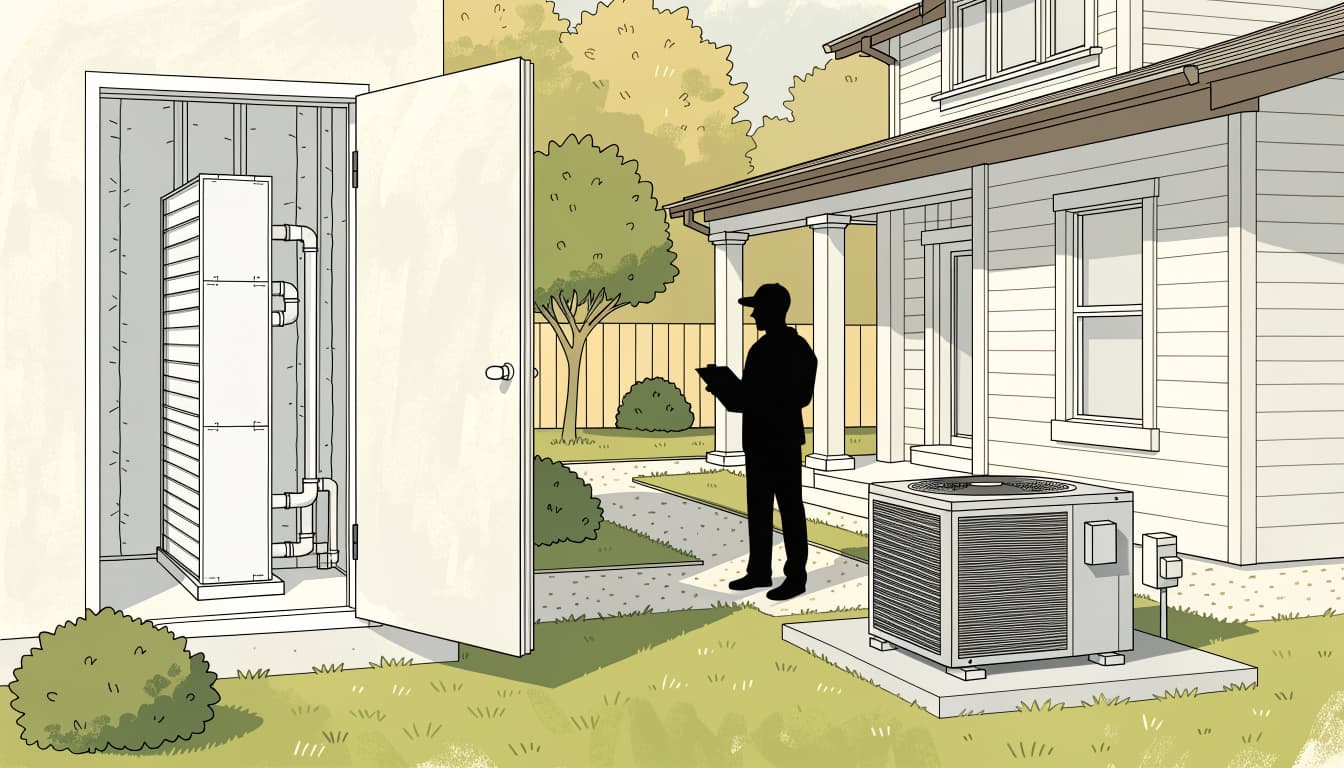
Clear indoor routes without disturbing equipment
Move laundry, storage bins, and furniture away from the route to the air handler and relevant work areas. Leave closet doors and nearby electrical equipment accessible.
If attic access relates to the installation, clear the floor beneath the hatch. Don't enter an unsafe attic or improvise an access platform. Let the contractor handle technical access arrangements.
Keep pets separated from visitors and work areas. Also, explain gate locks, building entry arrangements, or other access complications to the person coordinating the appointment.
Our guide to preparing for AC installation covers similar household preparations.
Open the route to outdoor equipment
Remove movable items such as patio furniture, hoses, toys, and loose yard debris from the route to the condenser. Leave equipment labels visible without removing panels or reaching inside the unit.
For condominiums or shared-access properties, coordinate entry to equipment areas through the appropriate property contact. A locked enclosure needs an access plan before the appointment.
Never climb onto a roof, remove electrical covers, or handle refrigerant lines to prepare. Report damaged equipment or unsafe access to your contractor.
5. Separate Technical Readiness From Routine Maintenance
A Lee County HVAC inspection concerns the permitted work. Routine maintenance and installation startup have different purposes, even when they occur around the same time.
Leave installation readiness to the contractor
The contractor should review the finished work against the permitted scope and applicable installation requirements. Homeowners can provide records and report concerns, but shouldn't perform electrical tests or alter equipment.
Startup testing can include airflow, refrigerant charge, electrical readings, system controls, and condensate drainage. Those technical checks help establish how the system operates. Keep the resulting startup report with your equipment records.
Also, tell the installer about water leaks, repeated shutdowns, burning odors, or poor cooling before the appointment. A known operating problem deserves service rather than an attempt to hide it.
Keep maintenance on its own schedule
Filter replacement, cleaning, and recurring service support system operation. They don't replace permit review or resolve missing project documentation.
Similarly, permit approval doesn't promise that every room will maintain your preferred temperature or that future breakdowns won't occur. Comfort complaints still need diagnosis.
A maintenance invoice documents a service visit. It doesn't establish that a replacement permit received approval.
For replacement planning, our HVAC installation and replacement services address the equipment and installation as a complete project. Keep those project decisions separate from ongoing upkeep.
6. Resolve Preparation Gaps Before Inspection Day
Missing information creates avoidable confusion. Compare the property address, permit number, contractor details, and project description across your records. Send discrepancies to the contractor handling the permit.
Also, review any written inspection comments already attached to the project. A prior comment needs a documented response through the permit process, rather than an assumption that another visit settles it.
Access arrangements deserve the same attention. A clear walkway doesn't help if nobody has arranged entry through a locked gate or shared equipment room.
These are preparation gaps , not a prediction of what an inspector will approve or reject. The inspection result depends on the actual work and applicable requirements.
After the visit, keep the recorded result and any correction notice. Your contractor should explain what each open item requires and handle technical corrections. Save the eventual approval record alongside the permit, contract, equipment details, and warranty confirmation.
Frequently Asked Questions
What happens during a permit inspection?
The inspector reviews work within the permit's scope and records the result. The applicable inspection type depends on the project record, so there isn't one inspection sequence for every HVAC job.
Keep the scheduling contact reachable and the relevant work areas accessible. Afterward, retain the recorded outcome. If the record contains correction comments, have your contractor explain the required response and coordinate the technical work.
Can I prepare while staying out of the equipment?
Yes. You can organize paperwork, move household belongings, arrange entry, and report visible concerns without opening equipment.
Leave electrical covers, refrigerant components, technical testing, and unsafe attic or rooftop access to qualified professionals. Turning the thermostat off doesn't make every component safe to touch. If preparation exposes damaged wiring, water near electrical equipment, or another hazard, stop and contact your contractor.
Finish With a Clear Permit Record
Good inspection preparation connects three things: the permitted scope, accessible work areas, and organized records. Your contractor handles technical readiness while you handle safe household preparation and access arrangements.
Keep inspection approval separate from startup reports, maintenance invoices, and warranty paperwork. Together, those records document different parts of the job.
If you're planning HVAC work in Fort Myers or Lee County, Schedule an Estimate with our team to discuss the installation scope and permit responsibilities before work begins.
Recent Posts