
Is Mini-Split Dry Mode Enough for Florida Humidity?
Your home's humidity readings matter more than the Dry setting on your mini-split's remote. In Southwest Florida, a room can reach a comfortable temperature while still holding too much moisture.
The deciding factors are measured humidity , equipment condition, and how moisture enters your home. Start with those conditions before assuming you need different settings or another appliance.
Key Takeaways
- Aim for indoor relative humidity around 45% to 55% as a practical comfort target.
- Persistent readings above 60%, musty odors, and recurring condensation deserve attention.
- Address equipment problems and moisture sources before adding a dehumidifier.
How a Mini-Split Removes Moisture
Understanding the air-conditioning process helps you separate cool air from effective moisture control. They happen together, but comfort depends on both.
Water collects on the cold coil
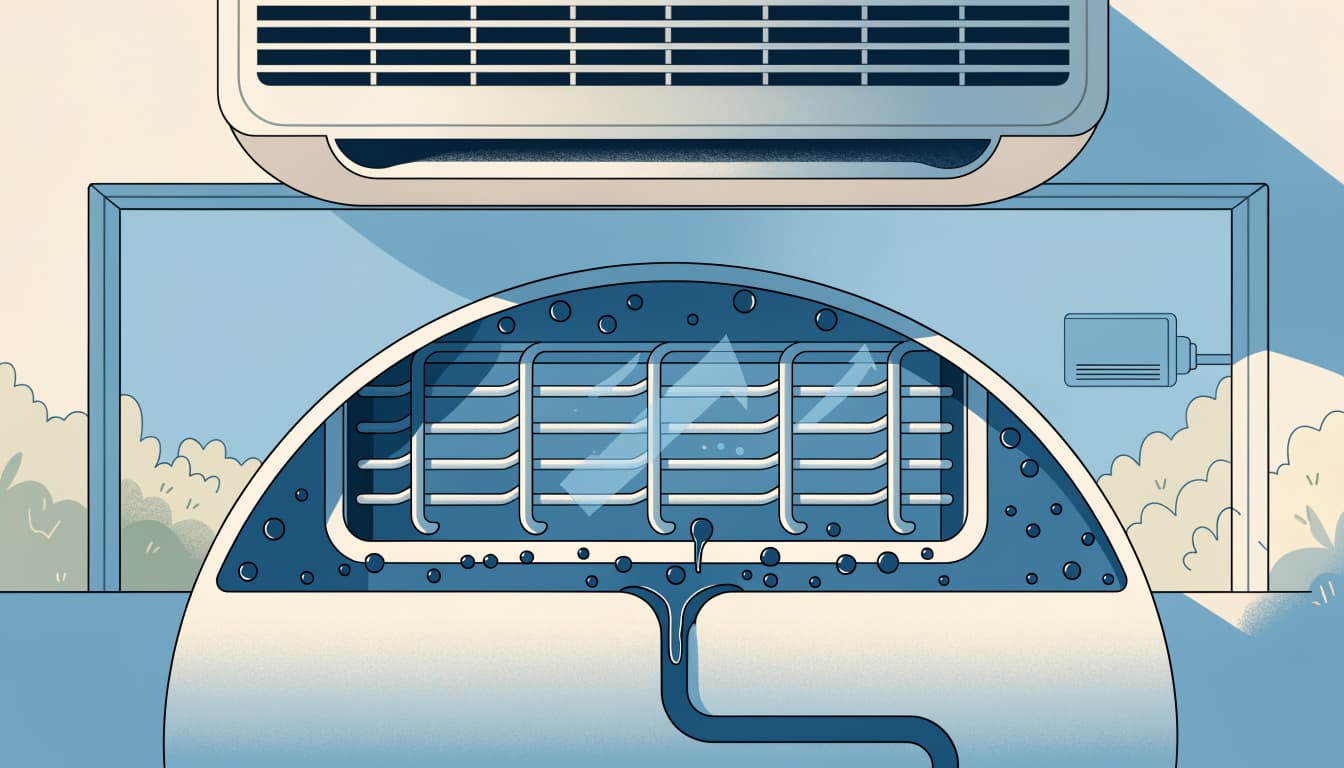
During air-conditioning operation, indoor air passes across a cold evaporator coil. Water vapor condenses on that surface, collects in a drain pan, and leaves through the condensate drain.
That drainage is part of normal moisture removal. Water leaking onto the wall or floor, however, is a problem. A blocked drain or another equipment issue needs attention before it damages nearby materials.
Cooling and drying need separate attention
An air conditioner needs adequate operating time to remove moisture. Short cycling can leave a room cool before enough water leaves the air.
Equipment sizing, coil condition, and airflow all affect that process. For example, oversized cooling equipment may reach its temperature setting quickly while leaving occupants uncomfortable. A temperature reading alone doesn't establish that moisture control is working well.
How to Judge Humidity Control in Your Florida Home
Fort Myers and Cape Coral homes face moisture from outdoor air, showers, cooking, and everyday activity. Measure the result inside your rooms.
Track humidity alongside temperature
A digital hygrometer measures relative humidity, usually displayed as RH. Place it away from direct airflow, windows, kitchens, and bathrooms so localized conditions don't dominate the reading.
Our guide to measuring indoor humidity explains useful placement and measurement habits. Record temperature and humidity in several rooms over several days, including mornings and evenings.
For general home comfort, 45% to 55% RH is a practical target. Persistent readings above 60% deserve attention.
Look for recurring moisture symptoms
Musty closets, damp-feeling bedding, and condensation on indoor surfaces can indicate excess moisture. Also notice whether you keep lowering the temperature because the air feels clammy.
A brief spike after showering differs from humidity that stays elevated for hours. Likewise, one comfortable room doesn't establish that the entire home has acceptable conditions.
A reading near the mini-split can't tell you whether a closed bedroom or closet has the same humidity.
Cooling Equipment Versus a Dedicated Dehumidifier
When comparing mini-split dry mode with other options, distinguish temperature control from dedicated humidity control.
Air conditioning primarily handles cooling, with moisture removal occurring through condensation at the coil. On mild, damp days, the home may need little cooling even though moisture continues entering.
A dedicated dehumidifier responds to humidity demand. It can remove moisture when additional cooling isn't needed. Portable units address individual spaces, while a properly designed whole-home installation addresses a broader area.
Portable dehumidifiers also release heat indoors and need tank emptying or a suitable drain connection. Therefore, placement and drainage matter alongside moisture-removal capacity.
Our comparison of whole-house dehumidifiers and AC explains where separate humidity control fits. Adding equipment shouldn't substitute for repairing a drainage problem, correcting poor airflow, or stopping a moisture source.
Improve Humidity Control Before Adding Equipment
If readings stay high, start with the causes you can address safely. Then have the system evaluated before making a replacement decision.
- Keep filters clean according to the equipment's maintenance instructions. Leave the indoor unit's air inlet and outlet unobstructed.
- Reduce avoidable moisture entry. Keep windows closed during muggy weather, use bathroom exhaust during showers, and address plumbing or building leaks.
- Arrange an inspection for persistent problems. We can evaluate airflow, coil condition, refrigerant performance, condensate drainage, and equipment operation.
If your home also has central air conditioning, duct leakage and damaged duct insulation deserve attention. However, those aren't explanations for every problem involving a ductless wall unit.
When dedicated dehumidification is appropriate, capacity should reflect the moisture load, occupancy, air leakage, and drainage plan. Our guide to whole-home dehumidifier sizing explains why square footage alone isn't enough.
Also consider distribution. Treating one open living area doesn't automatically address moisture in closed rooms elsewhere in the house.
Frequently Asked Questions
Does a cool room mean the humidity is controlled?
No. Cooling can satisfy the temperature setting while humidity remains elevated. Use a hygrometer alongside comfort observations, especially if rooms feel damp or closets develop recurring musty odors.
Should I keep lowering the thermostat to feel drier?
Repeatedly lowering the temperature isn't a complete moisture-control strategy. If the home feels cold and clammy, investigate equipment operation and moisture sources rather than relying on progressively colder settings.
Does every Florida home need a separate dehumidifier?
No. The decision depends on indoor conditions and system performance. Stable humidity without recurring dampness doesn't justify another appliance solely because the home is in Florida.
Choose Based on Conditions Inside Your Home
Judge your mini-split by measured humidity throughout the spaces it conditions. Consistent moisture control matters more than the mode name on the remote.
For persistent humidity in Fort Myers or Lee County, you can Schedule an Estimate with our team. We'll evaluate whether maintenance, repairs, or dedicated dehumidification fits the problem.
Recent Posts