Choose an HVAC Contractor in Fort Myers Without Overpaying
A failing air conditioner in Fort Myers can turn a normal afternoon into a stressful rush. The search for an HVAC contractor Fort Myers homeowners can trust often starts when comfort is already gone, which makes it easier to accept a vague estimate or a fast sales pitch.
You don't need to become an HVAC expert to make a sound decision. You do need a clear process for checking credentials, comparing written estimates, and understanding which local conditions can raise the scope of work.
Start With the Problem, Not a Replacement Pitch
An honest contractor should begin with diagnostics. Cooling problems can come from a failed capacitor, a clogged condensate drain, a refrigerant leak, duct issues, or a worn compressor. Those problems require different repairs and have very different costs.
Ask what the technician found, how they tested it, and whether a repair would restore dependable operation. A contractor should be able to describe the issue in plain language before asking you to approve work.
Ask for the diagnosis in writing
A written diagnosis gives you something concrete to compare. It should identify the affected component, recommended repair, labor involved, and any part warranty.
If the recommendation is system replacement, ask why repair isn't practical. Age alone doesn't settle that question. A newer system with a single electrical failure may warrant repair, while an older unit with major corrosion and repeated breakdowns may not.
Don't approve work under pressure
A no-cooling call may need fast action, especially during a heat wave. Still, you can pause long enough to ask for the proposed scope, total price, and next available appointment.
For a true after-hours breakdown, a contractor may charge for emergency response. That is a typical cost factor, not a reason to accept unclear terms. Ask whether the quoted amount includes diagnostic time, parts, labor, and any follow-up visit.
Verify the HVAC Contractor Fort Myers Homeowners May Hire
A professional appearance, online reviews, and a wrapped service van don't replace credential checks. Before scheduling major work, verify the business independently through Florida's Department of Business and Professional Regulation, or DBPR.
Use the DBPR public license lookup at myfloridalicense.com to confirm the license is active, current, and appropriate for air-conditioning work. Florida credentials may include a Certified Air Conditioning Contractor classification, often shown as CAC. Inactive, suspended, delinquent, or null-and-void status should end the conversation.
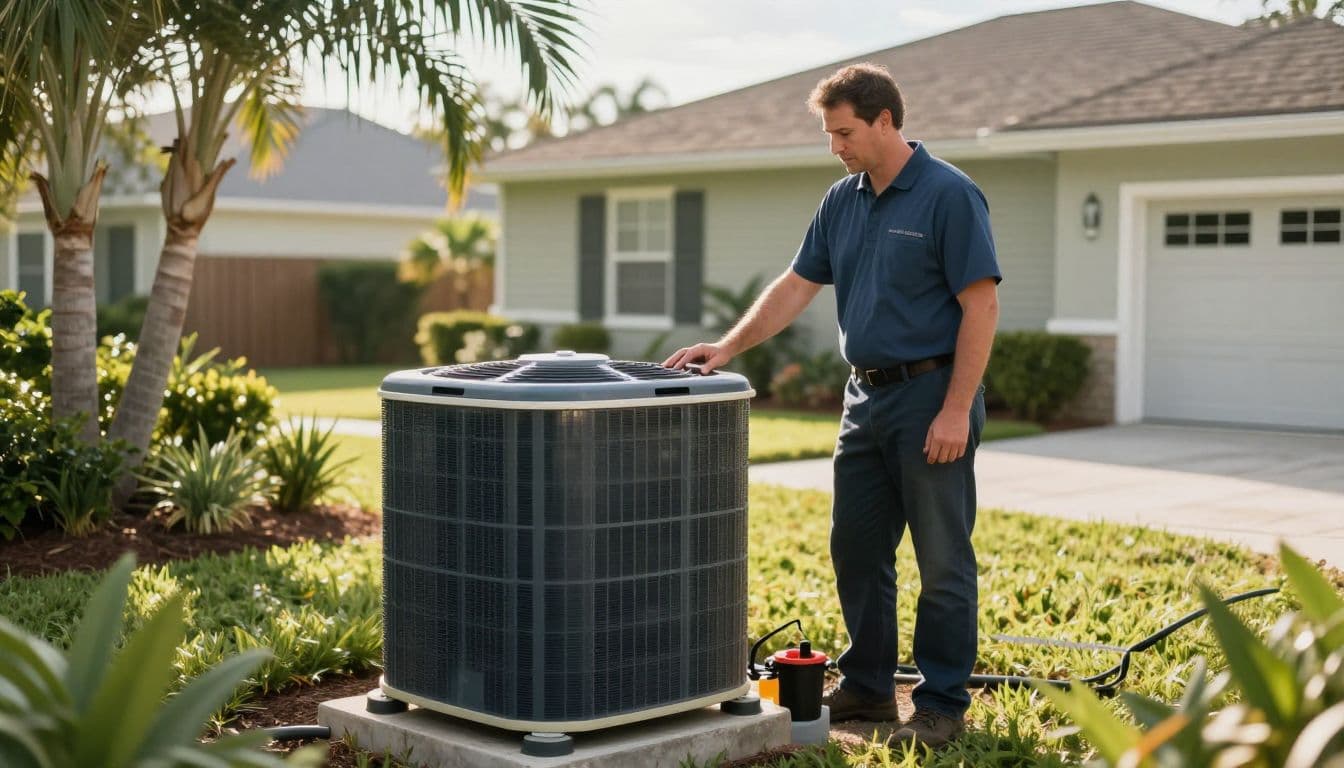
Confirm refrigerant qualifications and insurance
The U.S. Environmental Protection Agency requires Section 608 certification for technicians who service equipment that could release regulated refrigerants. Ask who will handle refrigerant work and confirm that the technician holds the required EPA credential.
Also ask the company for current proof of general liability insurance and workers' compensation coverage, or confirm its exemption status where applicable. This matters when work involves electrical connections, rooftop equipment, attic access, or heavy outdoor units.
Check who will perform the work
Some companies send a salesperson first and subcontract installation later. That arrangement isn't automatically a problem, but you should know it before signing.
Ask whether the company uses employees or subcontractors, who will obtain permits, and who handles warranty service after installation. Put those answers in writing if they affect the agreement.
A license confirms legal standing. It does not tell you whether the proposed system size, repair, or price fits your home.
Compare Itemized HVAC Estimates, Not Just Totals
Get at least two or three written estimates for a major repair or replacement. Request them close together, since parts availability and manufacturer promotions can change. Give each contractor the same details about your home's symptoms and existing equipment.
A low total can leave out electrical upgrades, permit fees, equipment pad work, duct modifications, or haul-away. A high total may include useful work, but it still needs an explanation.
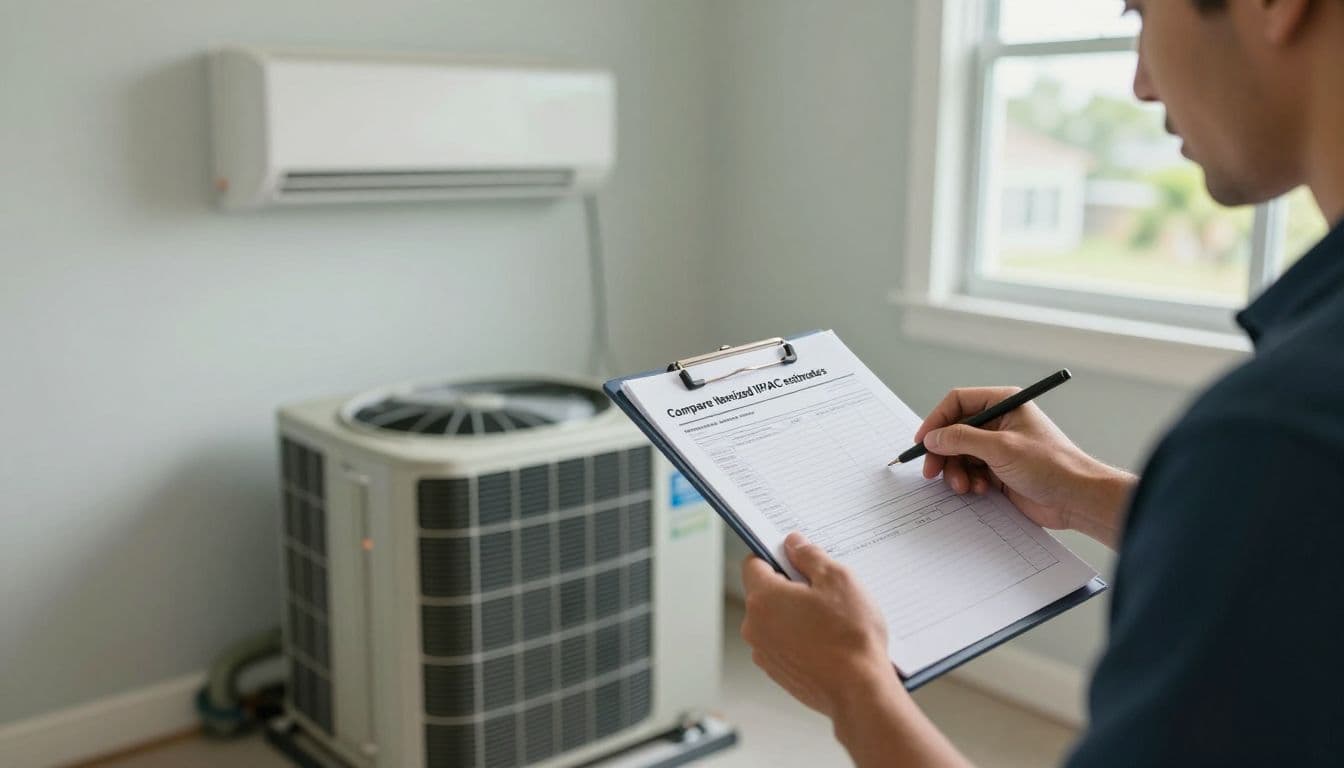
What an itemized estimate should show
A useful estimate identifies the equipment model, efficiency rating, capacity, labor, materials, permit responsibility, and warranty terms. It should also separate included work from possible add-ons.
Use this quick comparison when estimates arrive:
| Estimate item | Why it affects the price | What to ask |
|---|---|---|
| Equipment model and size | Efficiency, capacity, and features vary | Is this system sized through a load calculation? |
| Installation scope | Electrical, drain, pad, duct, and crane work can add labor | Which site changes are included in the total? |
| Permits and inspections | Requirements depend on the job and location | Who pulls the permit and schedules inspection? |
| Warranty coverage | Parts and labor coverage often differ | What is covered, for how long, and by whom? |
The best estimate isn't automatically the cheapest or the most detailed. It is the one that clearly matches your home's needs and leaves fewer unanswered costs.
Separate firm quotes from cost factors
A contractor can't give a firm price for hidden damage they haven't found. However, a quote should state what is included and explain the conditions that could change the price.
For example, severe corrosion inside a disconnect box or unexpected duct repairs may require a change order. Ask for a call, photo, and written approval before added work begins. Don't accept a blank authorization that allows open-ended charges.
Fort Myers Conditions That Affect HVAC Work and Pricing
Southwest Florida equipment works hard for much of the year. High outdoor temperatures and humidity increase runtime, while moisture can stress drain systems, insulation, and electrical components.
Homes near the Caloosahatchee River, San Carlos Bay, or the Gulf also contend with salt air. Salt can speed corrosion on outdoor coils, cabinet panels, fasteners, and electrical connections. Contractors should inspect those areas rather than assuming a standard repair will solve the whole problem.
Storm damage deserves a careful inspection
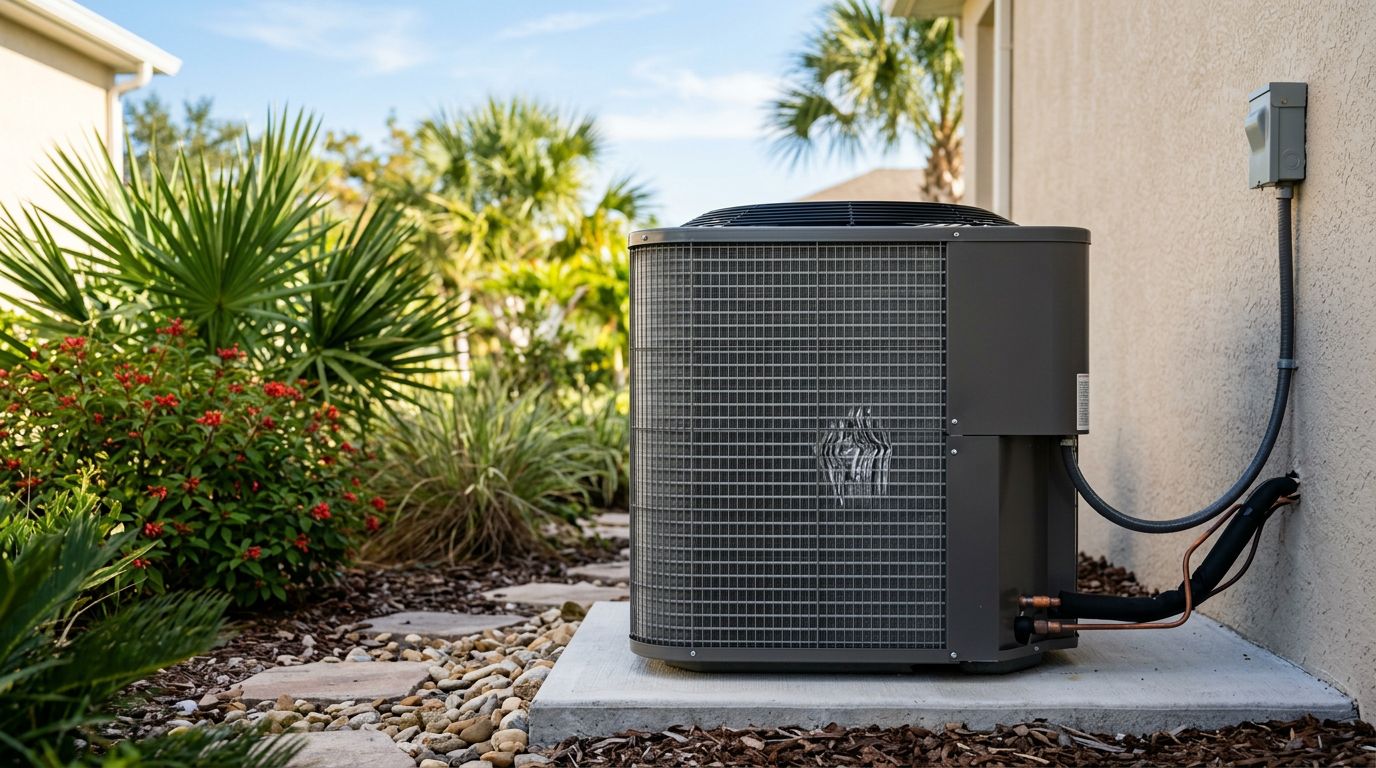
Hurricanes and severe storms can damage condenser coils, electrical disconnects, refrigerant lines, and mounting pads. Debris may also restrict airflow around an outdoor unit.
After a storm, document visible damage before repairs begin. Ask the contractor to identify storm-related findings separately from normal wear. That distinction may matter if you decide to contact your insurer.
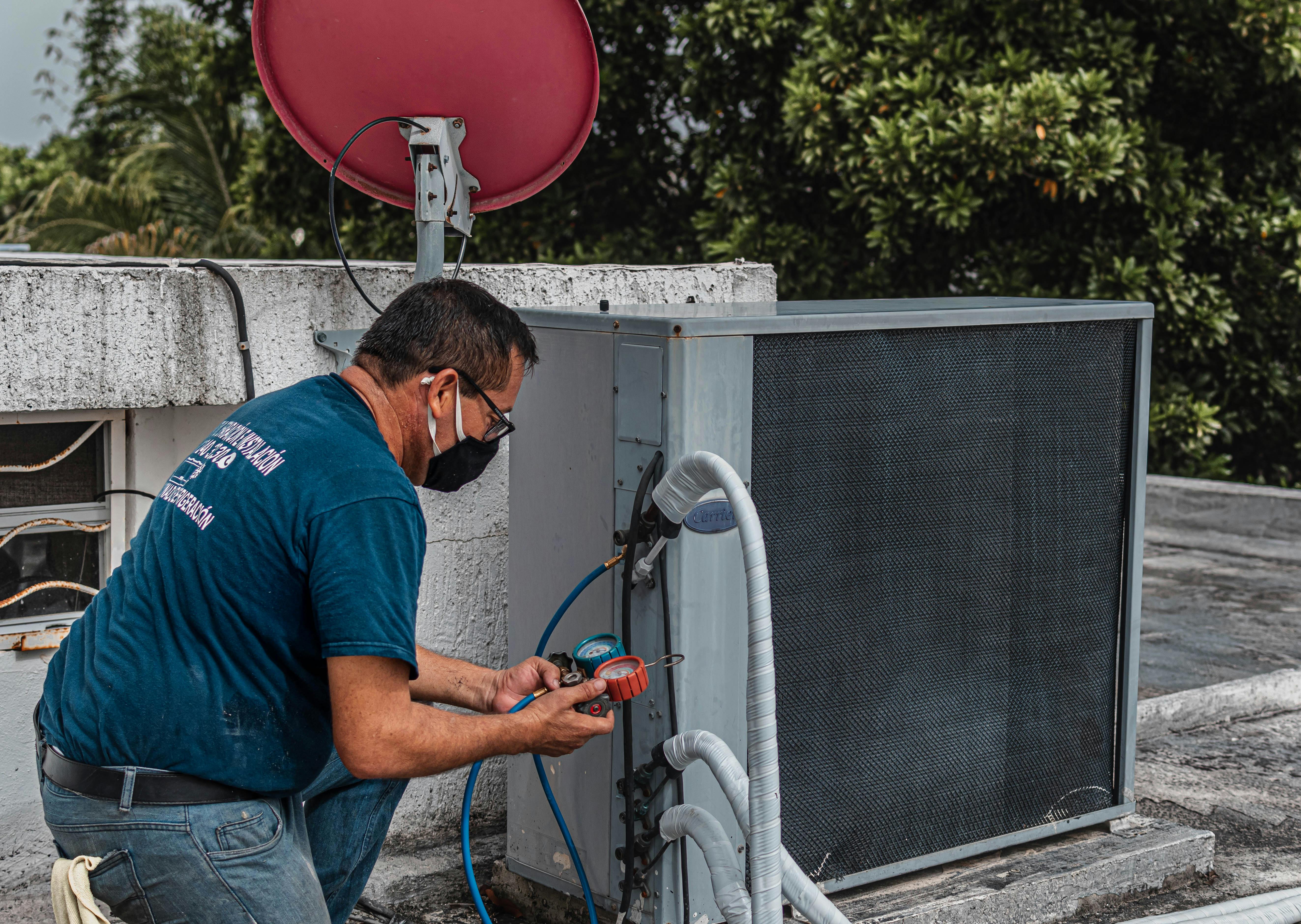
Photo by José Andrés Pacheco Cortes
Seasonal demand can affect timing
Demand often rises when temperatures stay high, during the first sustained heat of the season, and after widespread storms. A busy schedule can affect appointment windows and emergency service availability.
That doesn't mean every price increase is justified. It means you should ask when the work can start, whether the quoted equipment is in stock, and whether a temporary repair can safely bridge a short wait for replacement.
Know When Repair Makes Sense and When Replacement Does
A repair can be the practical choice when the system has been reliable, the fault is isolated, and the equipment still meets your comfort needs. Replacing a part such as a capacitor, contactor, blower motor, or drain component may extend service life without a full installation.
Replacement becomes a stronger option when expensive failures repeat, the compressor has failed, corrosion is widespread, or the system can't maintain humidity and temperature despite proper repairs. Refrigerant availability and the condition of the matched indoor and outdoor equipment also matter.
Demand a load calculation for a new system
Don't accept a replacement recommendation based only on the tonnage printed on the existing unit. The prior system could have been oversized or undersized from the start.
A contractor should consider square footage, insulation, window exposure, duct condition, ceiling height, occupancy, and moisture load. An oversized unit can cool fast but remove less humidity, leaving rooms clammy. An undersized unit may run too long and struggle on the hottest days.
For homeowners weighing this decision, HVAC installation and replacement in Fort Myers can provide a useful starting point for the questions to ask during a site visit.
Evaluate efficiency without chasing a label
Higher-efficiency equipment can reduce energy use, but it costs more upfront. Consider how long you plan to own the home, your household's cooling habits, and whether the added features solve a real comfort issue.
Ask for the model numbers and compare warranty terms. A contractor should explain the difference between options without treating the highest-priced system as the only responsible choice.
Read the Contract and Permit Plan Before Signing
Review the final agreement before the crew arrives. It should match the written estimate and identify the equipment, total amount, payment schedule, expected work, warranty documents, and cancellation terms.
Avoid paying the entire amount before work begins. A deposit may be appropriate for ordered equipment, but the remaining payments should match clear project milestones.
Confirm permit responsibility
Permit requirements can depend on the exact work and property location. For projects within the City of Fort Myers, the city's Building, Permitting & Inspections office states that a Notice of Commencement is required before inspections are scheduled when an HVAC change-out permit exceeds $15,000 in valuation.
Ask the contractor to explain the permit process and confirm who will schedule inspections. Verify current requirements directly with the city, because local procedures can change.
Keep records after the job
Save the estimate, contract, permit documents, inspection approval, equipment model and serial numbers, and warranty registration confirmation. These records help with future repairs, home sales, and insurance questions.
Regular upkeep also helps you spot trouble before a hot afternoon becomes an emergency. Arrange HVAC maintenance in Fort Myers when your system is running normally, not only after it stops cooling.
A Fair HVAC Decision Starts With Clear Information
The right choice comes from evidence, not urgency. Verify credentials, compare itemized estimates, and ask direct questions about permits, parts, labor, and possible added work.
Fort Myers heat, humidity, salt air, and storms can make HVAC work more involved. Still, a clear scope and a written agreement help you separate justified costs from vague extras.
When you want a documented assessment for repair or replacement, Schedule an Estimate after gathering your equipment details and questions. A good decision protects both your comfort and your budget.
Recent Posts