Parts Warranty vs Labor Warranty for Air Conditioners
An AC breakdown in Southwest Florida can turn into a fast-moving expense. The sticker shock usually comes from a simple question: what does the warranty cover, and what does it leave out?
That answer matters because parts warranty coverage and labor warranty coverage are often two different things. One may pay for the failed component, while the other may pay for the technician's time, diagnosis, or installation work. The split is where many homeowners get surprised.
How parts warranties work on air conditioners
A parts warranty usually comes from the manufacturer. It covers the replacement part if a covered component fails during the warranty period. That can include items like a compressor, condenser fan motor, evaporator coil, control board, or capacitor, depending on the system and the warranty terms.
What it usually does not cover is the work to diagnose the problem, remove the bad part, install the new one, or recharge the system if refrigerant must be added. In other words, the part may be free, but the repair is rarely free.
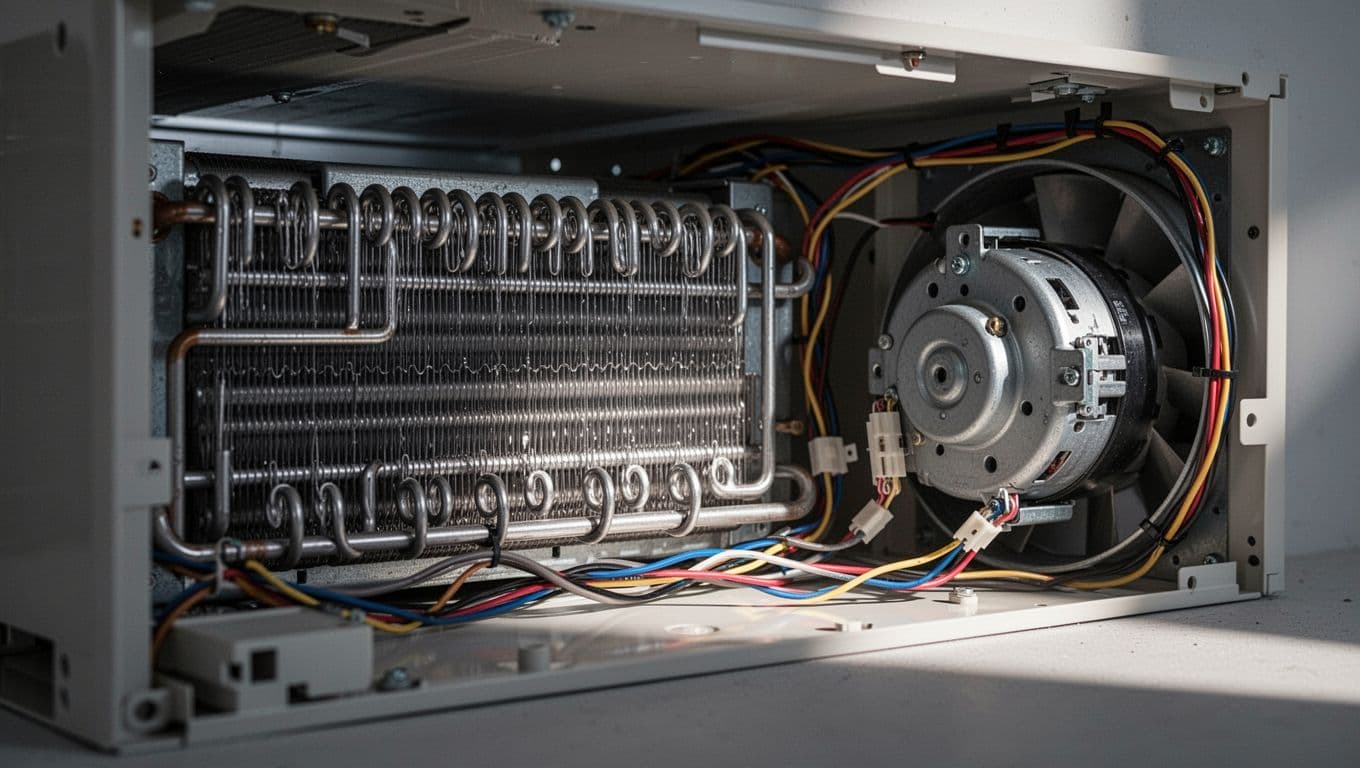
For homeowners, the key question is not just "Is the part covered?" It is also "What else will I owe once the tech opens the cabinet?" A warranty claim can still leave you with a diagnostic fee, labor charges, refrigerant costs, disposal fees, or travel charges.
Many manufacturers also tie coverage to registration and maintenance. If the system was not registered on time, the parts warranty may be shorter. If service records are missing, a claim can become harder to approve. That is why keeping paperwork matters as much as keeping the thermostat set right.
What labor warranties cover, and what they leave out
A labor warranty comes from the installer or contractor, not the manufacturer. It covers the cost of the work itself, usually for a limited time after installation or repair. If the system was installed badly or a covered repair fails because of workmanship, the labor warranty may pay the technician back for the return visit.
That sounds simple until you read the fine print. Some labor warranties cover only the original repair. Others cover only certain parts. Some pay for labor but not diagnostics. A few include travel charges, but many do not.
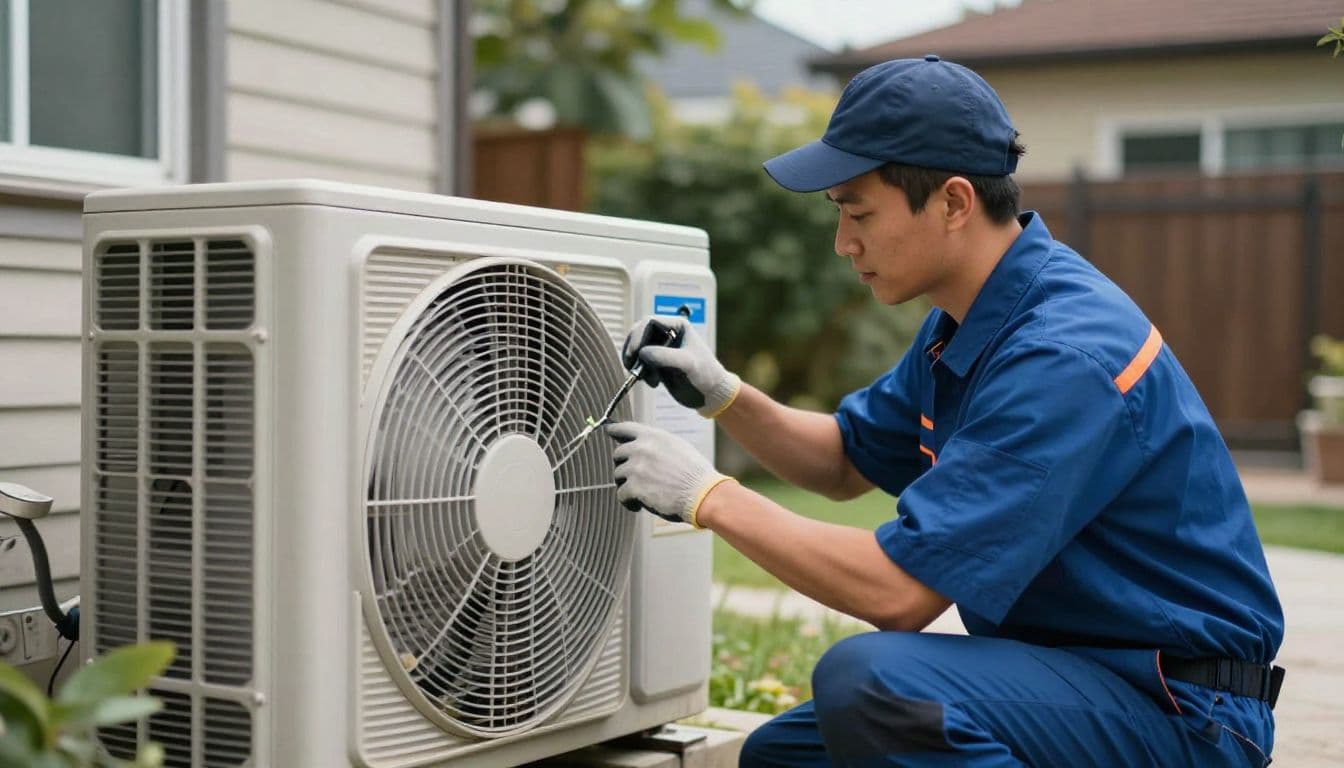
A labor warranty also does not usually fix a maintenance problem. If a clogged drain line, dirty coil, or loose connection comes from skipped upkeep, the bill can still land on the homeowner. That is why a repair visit and a maintenance visit are not the same thing.
If you want a closer look at the condition of your system before a failure grows bigger, professional HVAC repair and inspection can help identify whether the issue looks like a covered defect, an installation problem, or simple wear and tear.
A long parts warranty can still leave a large out-of-pocket bill if labor, refrigerant, and diagnostics are excluded.
Parts warranty vs labor warranty at a glance
A side-by-side view makes the difference easier to see.
| Coverage item | Parts warranty | Labor warranty | Who often pays |
|---|---|---|---|
| Failed compressor, motor, coil, or board | Often covered if the part is listed and still within term | Usually not covered | Homeowner may still pay labor |
| Technician diagnosis | Usually not covered | Sometimes covered, depending on contract | Often the homeowner |
| Installation work | Not covered | Often covered during the labor term | Contractor may pay labor cost |
| Refrigerant added after repair | Usually not covered | Rarely covered | Often the homeowner |
| Trip charge or dispatch fee | Usually not covered | Sometimes covered | Depends on the warranty wording |
The table shows the basic split. A parts warranty pays for the broken piece. A labor warranty pays for the hands-on work, but only if the document says so. Many real invoices include both covered and uncovered items.
What changes who pays on the invoice
Warranty terms vary by manufacturer, installer, system type, and maintenance compliance. That means two homes with similar AC units can get very different results after the same failure.
Manufacturer rules can differ by model. Some systems have longer parts coverage on major components, while others offer shorter terms or require product registration. Installer warranties also vary. One contractor may offer one year of labor coverage, while another may offer a different term or exclude certain service calls.
System type matters too. A standard split system, heat pump, mini-split, or commercial package unit can have different parts and different warranty language. On top of that, the date of installation, the name on the paperwork, and the service history can all affect the claim.
Maintenance records matter more than many homeowners expect. If the warranty requires regular service, missing tune-ups can weaken a claim. A clean maintenance record does not guarantee approval, but it can make the paperwork much easier to support. That is one reason full HVAC care matters long before a breakdown happens.
The practical takeaway is simple. Read the warranty booklet, not just the sales pitch. Then look for the sections on registration, labor coverage, refrigerant, diagnostics, and exclusions. Those details decide who pays when the call starts.
Common AC repair situations and who usually pays
The fastest way to understand the parts vs labor warranty question is to look at real repair scenarios.
| Repair situation | Parts coverage | Labor coverage | Other costs that may apply |
|---|---|---|---|
| Compressor failure on a newer system | Often covered if the compressor is under warranty | Often not covered unless a labor plan exists | Diagnostic fee, refrigerant, possible filter dryer or cleanup |
| Capacitor or contactor failure | Often covered if the part is still under warranty | Maybe covered if the installer's labor warranty is active | Diagnostic fee, trip charge |
| Evaporator coil leak | The coil may be covered if the defect qualifies | Labor is often extra without a labor warranty | Refrigerant, leak search, disposal, access charges |
| Clogged drain or dirty coil from skipped maintenance | Usually not covered | Usually not covered | Diagnostic, cleaning, service call |
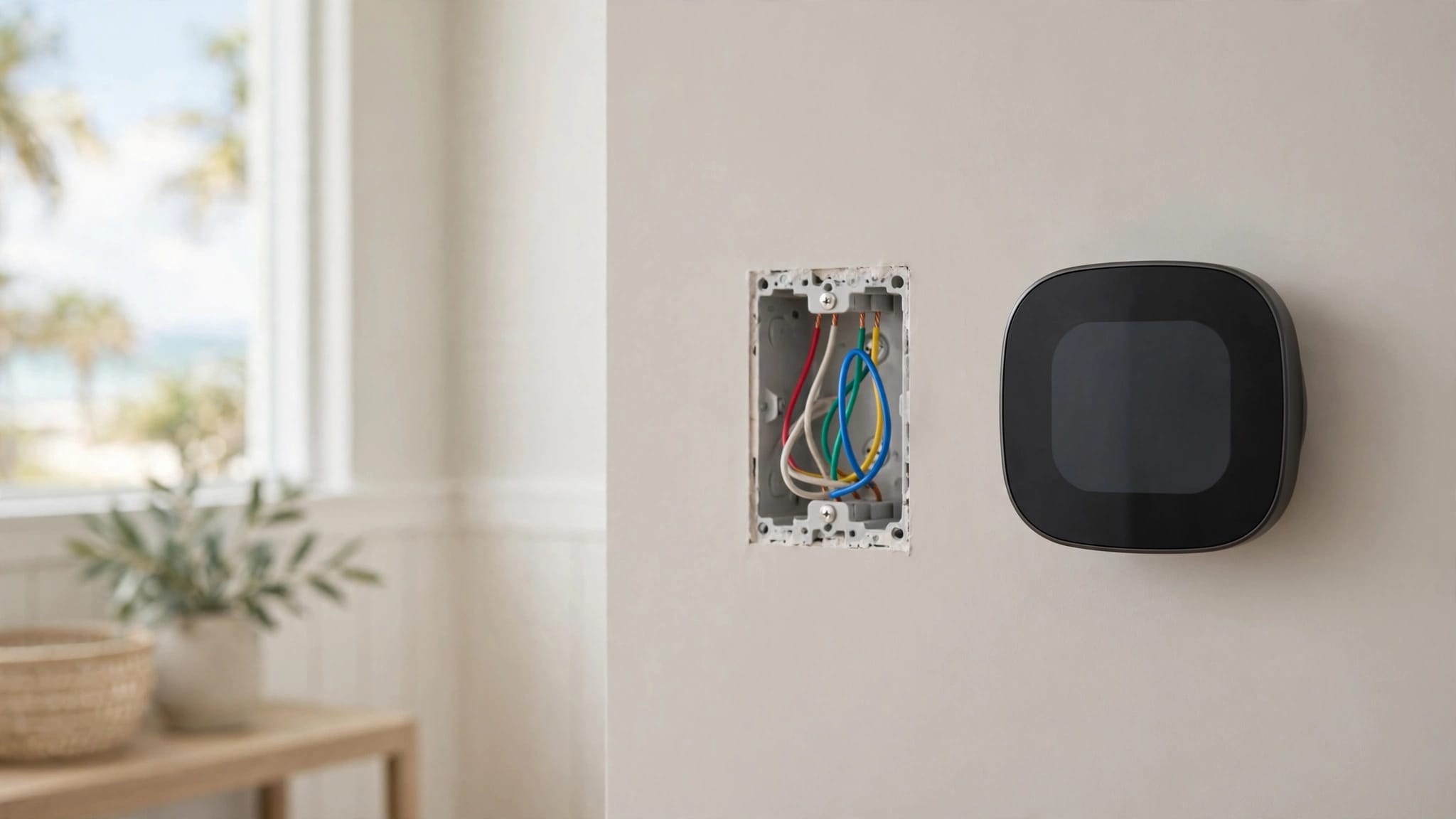
| Thermostat issue tied to installation error | Parts may be covered if the thermostat is included | Labor may be covered by the installer | Diagnostic and possible rewiring |
A few of these deserve a closer look.
With a compressor failure, the part itself can be expensive, so parts coverage helps a lot. Even so, the homeowner may still pay for the labor to remove the old compressor, install the new one, evacuate the system, and recharge refrigerant. That is where the bill can grow.
With a coil leak, the situation can be even messier. The part may be covered, but the refrigerant loss, labor, and time spent finding the leak are often separate charges. In Southwest Florida, where systems run hard for much of the year, that difference matters.
Maintenance-related problems are a different story. A dirty coil or clogged condensate drain usually points to upkeep, not a failed covered part. Those calls are usually billed as service work, not warranty work. If you need a tech to sort that out, a timely Schedule an Estimate request can help you get the numbers before the repair grows.
What to check before you approve a repair
Before you say yes to a repair, ask for the warranty breakdown in plain language. You want to know whether the part is covered, whether labor is covered, and whether the call includes diagnostic charges or refrigerant.
Use this short checklist:
- Check the registration date and installation date.
- Confirm whether the failed part is still under manufacturer coverage.
- Ask whether the contractor's labor warranty still applies.
- Ask about diagnostic fees, refrigerant, disposal, and trip charges.
- Save service records, because maintenance history can matter.
If the answer is unclear, ask for the warranty documents before work starts. A good technician should be able to explain where the costs land without burying you in jargon.
Conclusion
The difference between a parts warranty and a labor warranty comes down to this: one pays for the component, while the other pays for the work. That split can change a repair bill by hundreds of dollars, especially when refrigerant, diagnostics, and installation time are involved.
For homeowners, the safest move is to read the specific warranty paperwork for your system and keep up with maintenance records. When an AC breaks in the Florida heat, the paperwork matters as much as the equipment.
Recent Posts