AC Static Pressure in Fort Myers: What Homeowners Should Know
A Fort Myers air conditioner can run for hours and still leave some rooms warm. The cause may be AC static pressure , which describes how much resistance air meets as it moves through your filter, blower, coil, ducts, and vents.
High resistance can reduce airflow, raise energy use, worsen humidity, and place extra strain on the system. However, static pressure is different from refrigerant pressure, and the right fix depends on testing the complete system. Start with the airflow basics, then learn when a professional diagnosis is needed.
What AC Static Pressure Means in Your Home
Air pressure inside ductwork changes as the blower pushes air through the system. Static pressure is the resistance against that movement. A simple analogy is water moving through a hose. A clean, open hose lets water pass easily. A kinked hose creates resistance and reduces the flow.
Your AC faces similar restrictions. A clogged filter, undersized return duct, dirty evaporator coil, crushed flex duct, or closed damper can make it harder for the blower to move air.
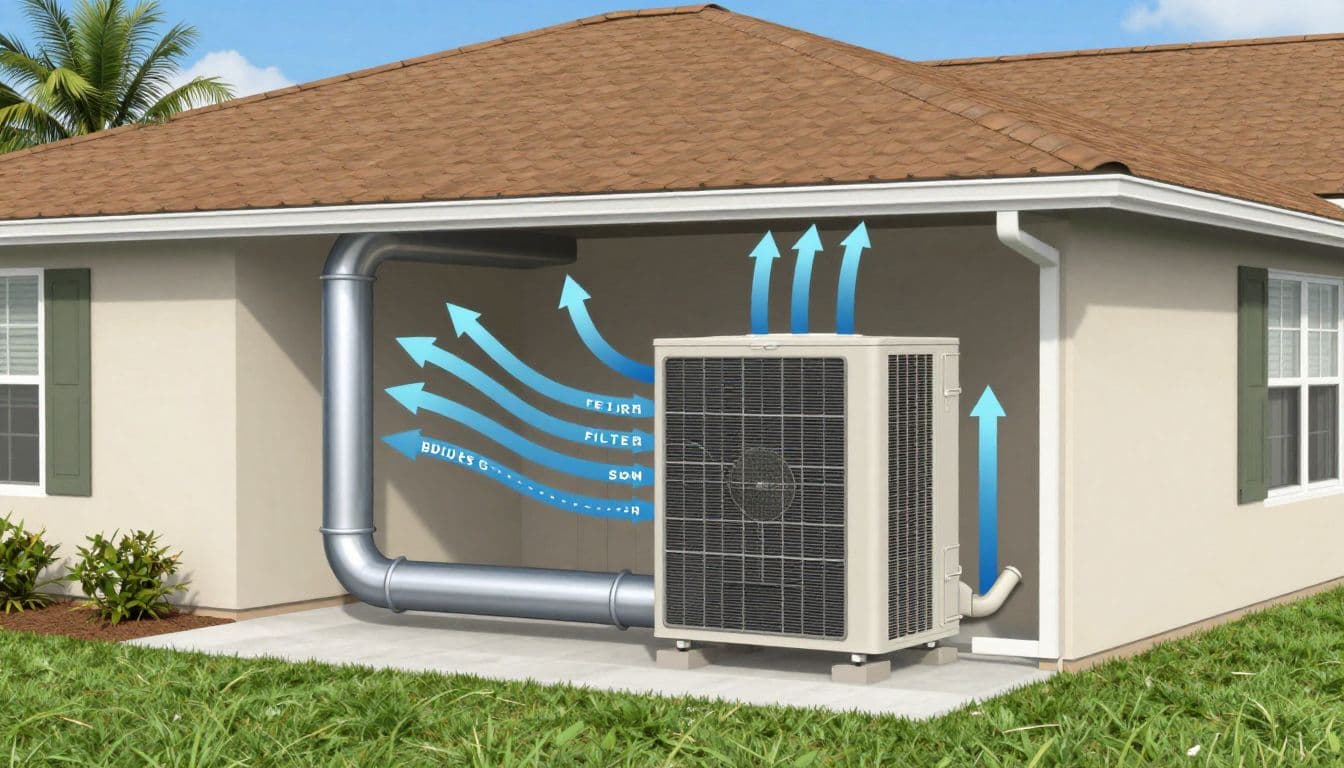
The pressure number alone doesn't tell the whole story. A technician needs to compare readings across the return and supply sides, then check those results against the air handler or furnace manufacturer's specifications.
Static pressure is about airflow resistance
When resistance increases, the blower may move less air than the system needs. Rooms farther from the air handler often feel the problem first because they receive weaker airflow.
The blower may also become noisier. In some systems, airflow problems affect temperature exchange at the evaporator coil. That can reduce cooling capacity or cause the coil to freeze.
A filter with a higher-efficiency rating can remove smaller particles, but it may also create more resistance. The filter must match the system's design and airflow needs. A filter that looks clean can still be too restrictive for a particular return setup.
Static pressure is not refrigerant pressure
Refrigerant pressure exists inside the sealed copper lines connecting the indoor and outdoor equipment. It relates to the refrigerant charge, outdoor temperature, coil conditions, and compressor operation.
Static pressure relates to air moving through ducts and indoor AC components. A technician uses different tools and checks different parts of the system for each measurement.
These problems can also create similar symptoms. Low airflow may come from high static pressure, while poor cooling can result from low refrigerant, a dirty condenser coil, electrical trouble, or a failing compressor. A frozen coil doesn't prove that refrigerant is low. The system needs a complete inspection.
Why Fort Myers Homes Often Develop Airflow Problems
Cooling systems in Southwest Florida work under demanding conditions. The AC may run through long stretches of heat and moisture, so small airflow restrictions can affect comfort sooner than they would in a milder climate.
Heavy cooling demand increases the strain
Your system needs steady airflow to remove heat and moisture. When a restrictive filter or blocked return reduces that airflow, the AC may run longer without cooling the home evenly.
Long run times aren't always a problem in Fort Myers. Longer cycles can help with humidity control. The concern is a system that runs for extended periods but still leaves indoor moisture high, rooms uncomfortable, or the thermostat unable to reach its setting.
A pressure problem can also make the system less effective during the hottest part of the day. The house may feel acceptable in the morning, then develop warm bedrooms or a muggy living area by afternoon.
Attics and older duct layouts add resistance
Attic ductwork faces intense heat. Damaged insulation, loose connections, and crushed sections can reduce the amount of conditioned air reaching living spaces. Supply leaks waste cooled air, while return leaks can pull hot, dusty attic air into the system.
Older Fort Myers homes may have undersized returns, poorly placed registers, or ductwork designed before later additions changed the home's layout. A converted garage, enclosed porch, or remodeled room can expose a weakness in the original design.
Salt air creates another maintenance concern near the coast. Corrosion can affect outdoor components, fasteners, and connections. Salt exposure doesn't automatically cause high static pressure, but neglected equipment and damaged components can add to broader system problems.
For homes with persistent room-to-room comfort issues, an AC and ductwork compatibility assessment can help determine whether the equipment and distribution system work well together.
Warning Signs of High AC Static Pressure
No single symptom proves that static pressure is too high. Still, a pattern of airflow and performance problems deserves attention.
Weak airflow and noisy vents
Hold your hand near several supply registers while the system runs. If airflow feels weak throughout the home, the filter, blower, coil, return, or duct system may need inspection.
A single weak register may point to a closed damper, disconnected duct, crushed flex, or local blockage. Whole-house weakness suggests a problem closer to the air handler or main return.
Whistling, rattling, and whooshing sounds also provide clues. A return grille may whistle when the filter is dirty or the return opening is too small. Supply vents can become noisy when air moves through narrow passages at higher speed.
You can read more about AC return vent whistling causes if a return grille has recently become loud.
Uneven temperatures and high energy bills
Warm rooms at the end of a duct run often point to poor distribution. The cause may be high resistance, duct leakage, inadequate insulation, or a design that never matched the home's layout.
High energy bills can follow because the AC runs longer to satisfy the thermostat. However, utility costs also depend on weather, thermostat settings, insulation, equipment age, and electrical condition. A pressure test helps separate airflow trouble from other causes.
Short cycling and frozen coils
Short cycling means the system starts and stops before completing a normal cooling cycle. High static pressure can contribute to overheating, safety shutdowns, or poor temperature transfer. Oversized equipment, thermostat problems, low refrigerant, and drainage issues can also cause short cycling.
A frozen indoor coil is another warning sign. Restricted airflow can make the coil too cold, but low refrigerant and dirty components can produce the same result. Turn the AC off and use the fan setting if the coil freezes, then arrange professional service instead of repeatedly restarting the system.
How HVAC Professionals Test Static Pressure
A qualified technician measures pressure with a manometer and test ports placed on the return and supply sides of the indoor equipment. The readings show how much resistance the air encounters across the system.
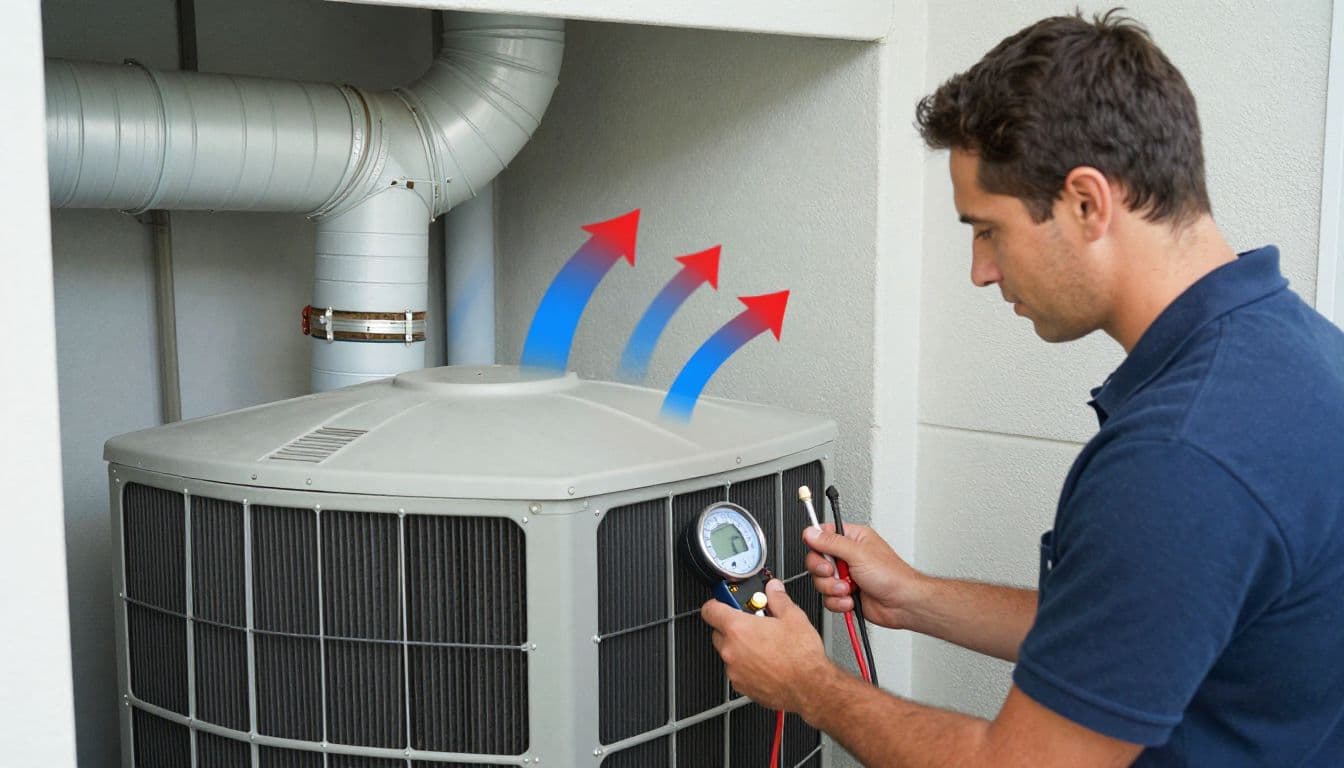
A useful test includes more than one quick reading. The technician may inspect:
- The filter and filter rack
- Return grilles and return duct size
- The blower wheel and motor operation
- The evaporator coil for dirt or blockage
- Supply ducts, dampers, boots, and registers
- Duct connections, insulation, and visible leakage
- Equipment settings and manufacturer requirements
The system should be tested under appropriate operating conditions. A reading that looks acceptable at one blower setting may not tell the same story at another setting.
There is no single static pressure number that applies to every air conditioner. Equipment design, blower type, coil, filter arrangement, and duct system all matter. The technician should compare the results with the manufacturer's data and explain which part creates the resistance.
Homeowners who want more detail can review information about static pressure testing for HVAC systems, especially when weak airflow and return noise occur together.
What Fort Myers Homeowners Can Check Safely
You can handle a few basic checks without opening the air handler or changing ductwork.
Check the filter and vents
Look at the filter on the schedule recommended for your home and replace it when it is dirty. Homes with pets, construction dust, or frequent occupancy may load filters faster.
Make sure supply registers remain open and unblocked. Furniture, rugs, curtains, and storage boxes can restrict the air leaving a room. Keep return grilles clear as well, because the blower needs a reliable path for air to come back into the system.
If one room stays warm, compare the airflow at nearby registers. Don't close multiple vents to force more air into another area. That can increase resistance and create new problems.
Know when to call a professional
Static pressure testing requires the right instruments, test locations, and system knowledge. Duct modifications also affect airflow balance, equipment performance, and humidity removal.
Call an HVAC professional when airflow remains weak after a filter change, the coil freezes, vents whistle, or rooms stay uneven. A professional can identify whether the answer involves cleaning, a return repair, duct sealing, a blower adjustment, or a larger design change.
Fixes Depend on the Cause
A pressure problem isn't a replacement recommendation by itself. The correct repair may be small, or it may involve the duct system and equipment together.
Start with the restriction
If the filter is too dirty or the return grille is blocked, correcting that issue may restore airflow. A technician may also clean an accessible coil, remove debris, repair a damaged filter rack, or correct a blower problem.
Duct sealing can help when air escapes at accessible joints. Replacing crushed flex duct may improve airflow in a specific branch. These repairs work best when testing confirms that the affected section causes the loss.
Review the whole system before replacing equipment
A new air conditioner won't automatically solve undersized returns or poorly designed ducts. In some cases, a replacement system requires duct changes to move the correct amount of air and control humidity.
That review should include the home's size, duct layout, filter setup, insulation, air handler, outdoor unit, and expected cooling demand. If you receive quotes, compare whether each proposal includes airflow testing and any required duct repairs. Fort Myers HVAC installation and replacement should address the complete system, not only the outdoor condenser.
If the inspection shows that repair and replacement both make sense, you can Schedule an Estimate for a technician to evaluate the equipment and ductwork together.
Conclusion
AC static pressure describes the resistance your system faces while moving air. In Fort Myers, heavy cooling demand, humidity, attic heat, restrictive filters, duct leakage, salt air, and older duct designs can all affect comfort and performance.
Check the filter and keep every return and supply vent unobstructed. When weak airflow, noisy vents, frozen coils, uneven temperatures, or high energy bills continue, ask for whole-system testing against the manufacturer's specifications. The right diagnosis identifies whether your home needs a simple correction, duct repair, or a larger HVAC change.
Recent Posts