What a Florida 4-Point Inspection Says About Your HVAC
Your air conditioner can keep the house cool while still showing visible problems worth investigating. When you review Florida 4-point inspection HVAC findings, separate the inspector's observations from questions that need a technician's diagnosis.
The HVAC portion typically documents basic equipment information, visible condition, and apparent concerns within a limited visual inspection . It doesn't replace a full performance evaluation or guarantee insurance coverage.
Start by confirming what your insurer wants, then read the HVAC findings with that scope in mind.
What an Insurance Inspection Is Meant to Assess
A four-point inspection focuses on four areas: the roof, electrical system, plumbing, and HVAC. Insurers may request it when evaluating a property, but requirements vary by company and policy.
Confirm the form before scheduling
Ask your insurance agent which current form the insurer accepts and who may complete it. Also confirm any documentation requirements, submission deadline, and follow-up process.
Don't assume a report accepted by one company will satisfy another. Your agent or insurer should confirm the applicable requirements using current guidance.
If the home has multiple HVAC systems, ask how the report should address them. Clarifying that before the appointment can prevent missing information and another visit.
Separate insurance paperwork from HVAC service
The insurance report and a service appointment answer different questions. One documents observations for underwriting; the other investigates equipment condition or a comfort complaint.
For example, a home that struggles to cool needs troubleshooting even if its insurance report lists no visible HVAC concerns. Meanwhile, routine air conditioning maintenance includes work such as component cleaning and adjustments. Those tasks shouldn't be assumed to be part of a four-point inspection.
What the HVAC Section May Document
The exact fields depend on the form and inspection scope. Typically, you'll want to review equipment identification, reported age, general condition, and any visible concerns.
Equipment type and reported age
Basic information may identify the heating and cooling equipment, its location, and an installation or manufacturing date when available.
Check how the inspector determined that date. A manufacturer's data plate, installation invoice, and homeowner estimate provide different levels of certainty. If a label is unreadable, the report should distinguish an estimate from a confirmed date.
Also, an outdoor condenser and indoor air handler can have different ages. Replacing one component doesn't establish that the entire system is new. Keep invoices handy so the inspector doesn't have to rely only on visible labels.
Visible condition and apparent concerns
Accessible components may include the outdoor unit, indoor air handler, exposed refrigerant lines, and condensate drainage components. These are examples of visible equipment, not a universal inspection checklist.
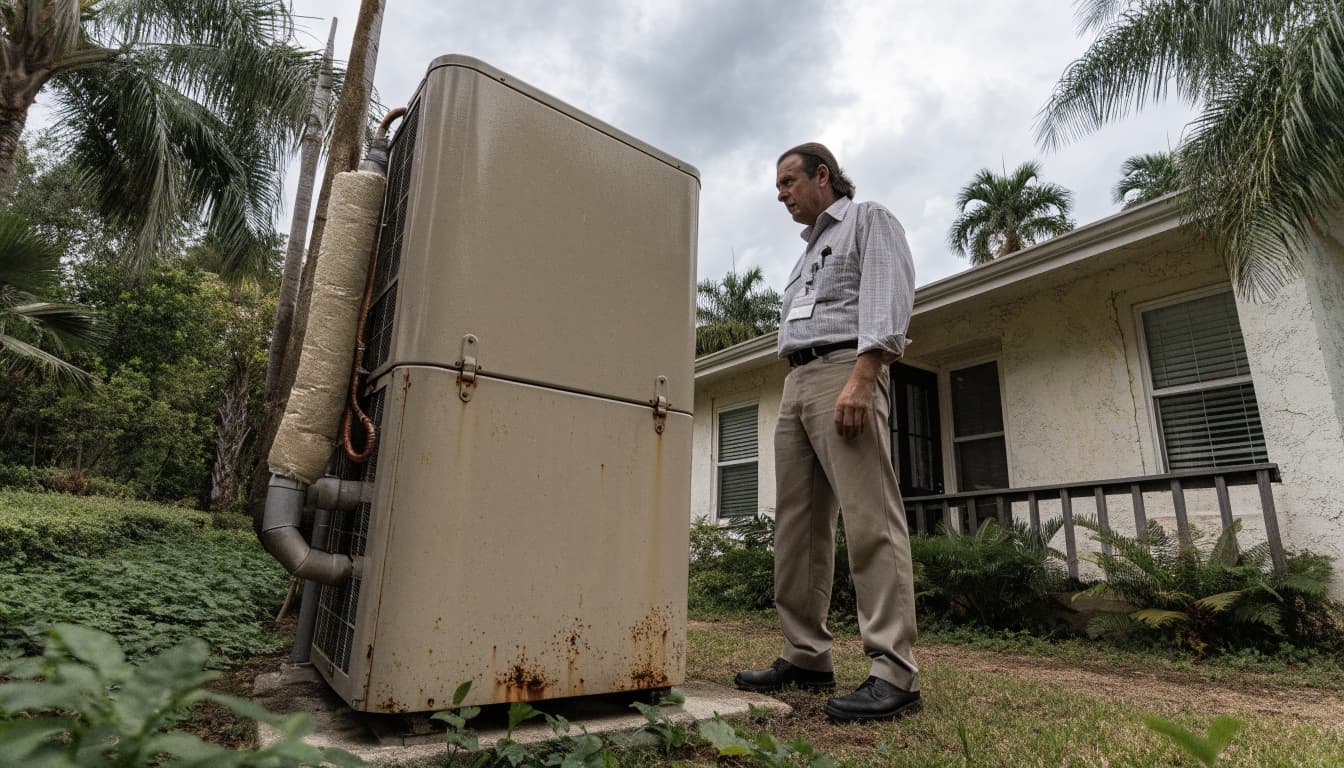
Observations might address cabinet corrosion, damaged insulation, water around equipment, or apparent electrical concerns. However, access matters. A blocked closet or inaccessible attic limits what someone can observe.
A report may also include an operational observation if the form and inspection scope call for one. Confirm what that observation involved rather than assuming the inspector measured cooling capacity or tested every operating mode.
How to Read Florida 4-point inspection HVAC Findings
Read the comments and photographs together. A checked box rarely provides as much context as a specific description of what the inspector saw.
First, distinguish an observed condition from its cause. Water beside an air handler is an observation; identifying why the water appeared requires further investigation. Similarly, surface corrosion doesn't establish the condition of internal electrical or mechanical parts.
Use these questions to clarify the report.
| Information to review | What to clarify |
|---|---|
| Equipment age | Was the date verified or estimated? |
| General condition | Which visible observations support the description? |
| Operational information | What, if anything, did the inspector observe while it ran? |
| Reported concern | Where is it, and what follow-up is recommended? |
| Access limitation | Which equipment or areas couldn't be inspected? |
The useful takeaway is the specific observation , not an assumed pass-or-fail meaning.
An inaccessible component isn't a confirmed healthy component. Limited access leaves a question that may need another visit.
If the wording is unclear, ask the inspector to explain it. Then ask your agent what additional information the insurer needs. Those are separate conversations because the inspector documents conditions while the insurer evaluates the submission.
What a Visual Inspection Cannot Establish
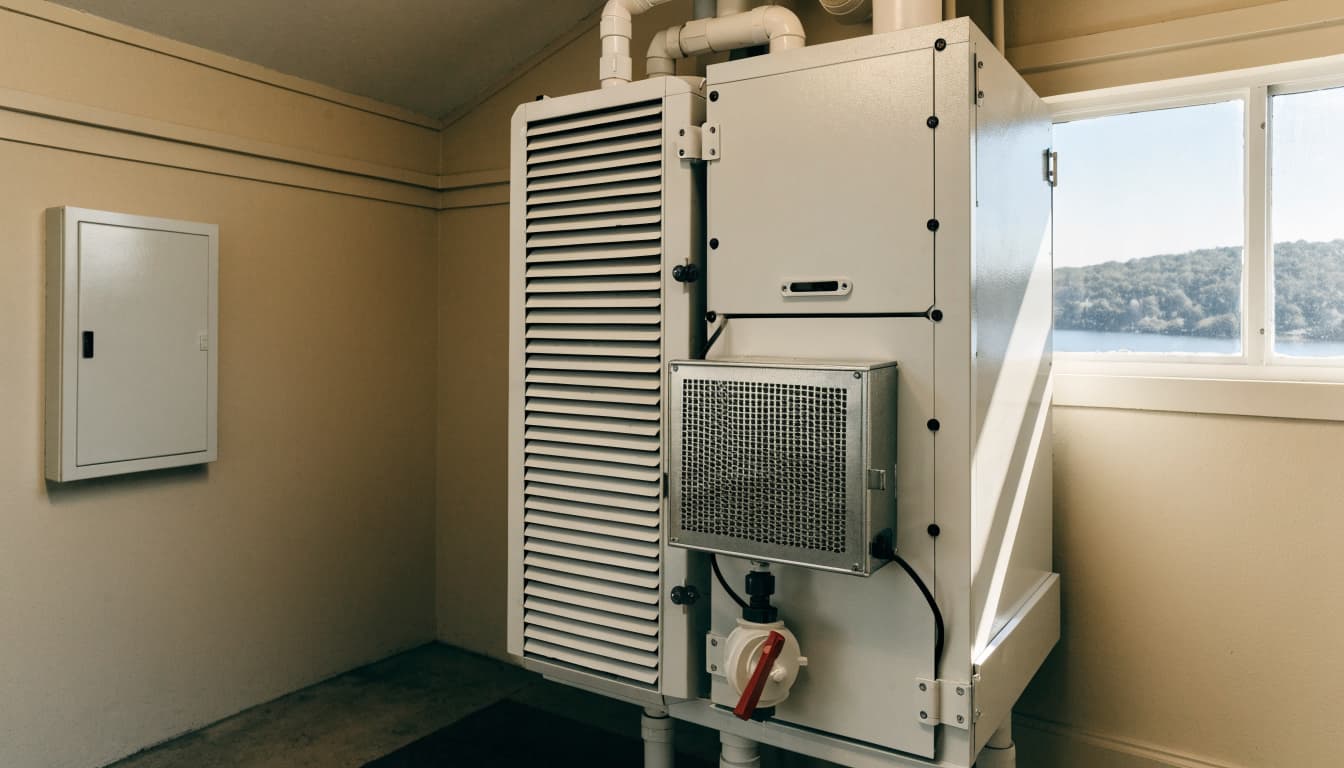
A limited visual inspection doesn't diagnose every defect. Equipment can look acceptable while having problems that require measurements, testing, or access to internal components.
Cooling performance needs separate evaluation
Refrigerant charge, airflow, electrical operation, and temperature readings require a service evaluation appropriate to the problem. A brief observation can't establish whether the system cools every room effectively.
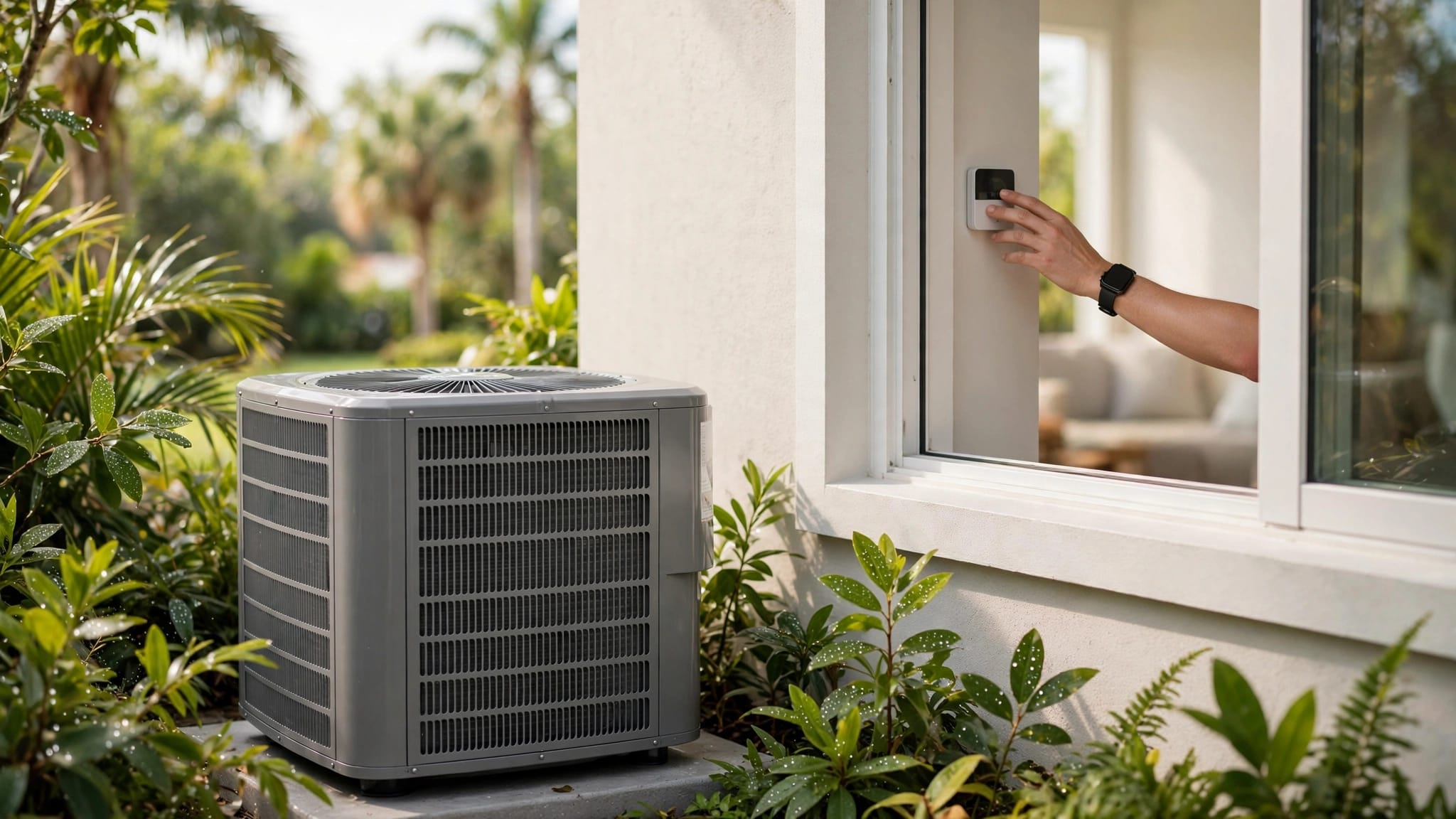
Humidity control also deserves attention in Southwest Florida. A system may run without maintaining comfortable indoor humidity. Equipment sizing, airflow, and operating conditions can all affect that complaint.
If you're comparing appointments, review what happens during an AC tune-up. Maintenance and diagnostic visits have their own scopes, so explain your symptoms when scheduling.
Future reliability and coverage remain separate
The report describes observations at the inspection visit. It doesn't predict the next breakdown, establish remaining service life, or rule out hidden damage.
Likewise, apparently favorable Florida 4-point inspection HVAC findings don't guarantee coverage. Insurers apply their own acceptance criteria and consider other information about the property and policy.
Avoid treating the report as a warranty. Keep monitoring comfort, unusual noises, water leaks, and breaker trips after the inspection. New symptoms still need attention, regardless of what the paperwork says.
Southwest Florida Conditions Deserve a Closer Look
In Fort Myers and Lee County, long cooling seasons place sustained demands on air conditioners. Coastal exposure can also contribute to corrosion, while humidity makes drainage and moisture complaints especially relevant.
Still, local conditions don't tell you why a particular unit has failed. Visible rust requires context, and water near equipment requires investigation. Don't turn a photograph into a diagnosis.
Tell the technician about symptoms the insurance report may not capture. Useful details include rooms that stay warm, recurring drain backups, or cooling that weakens during the afternoon. Explain when the problem started and whether it happens continuously or intermittently.
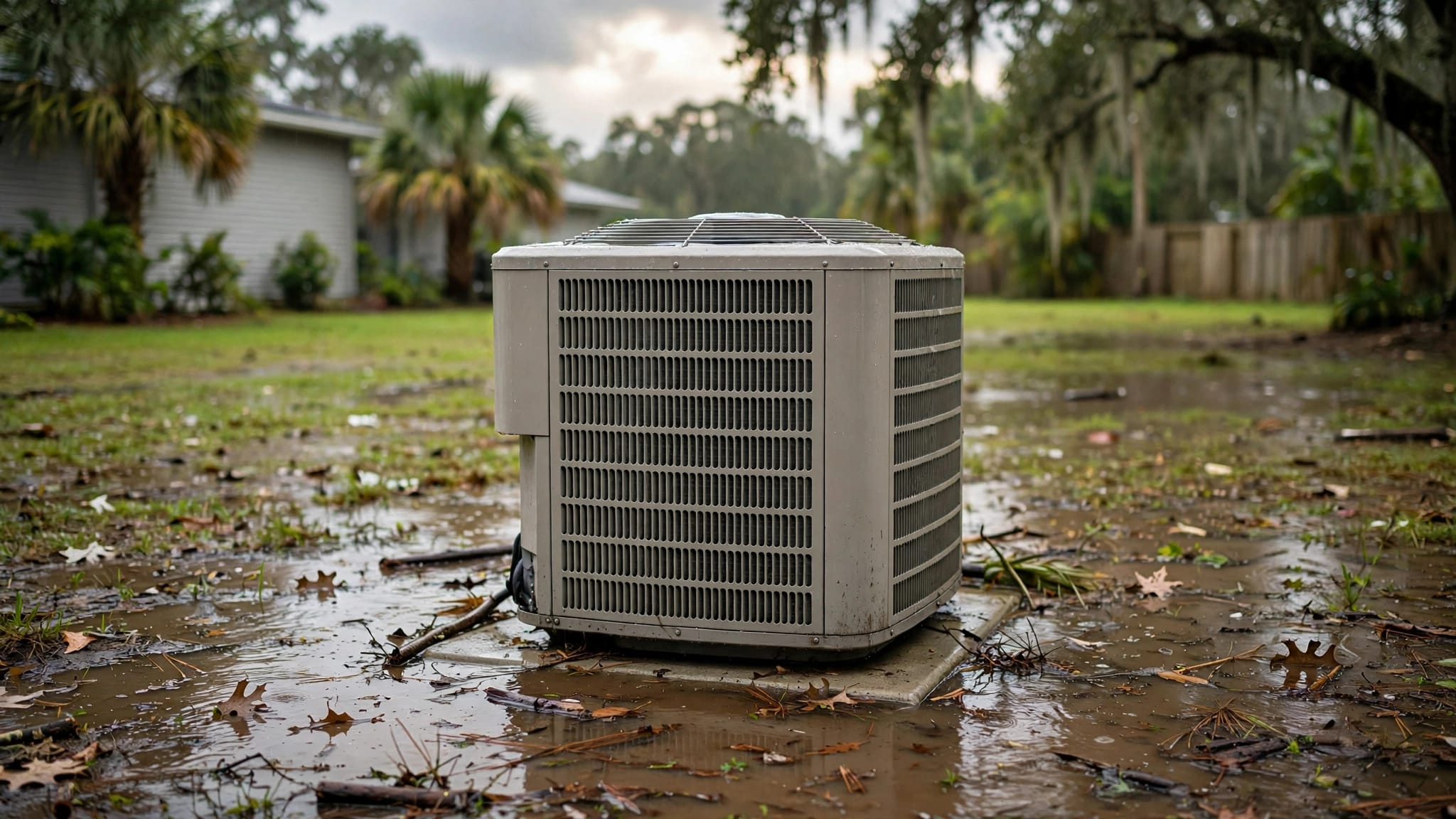
Storm exposure deserves a separate conversation too. If equipment experienced flooding, physical impact, or suspected electrical damage, disclose that history. A routine visual observation can't rule out every consequence of that event.
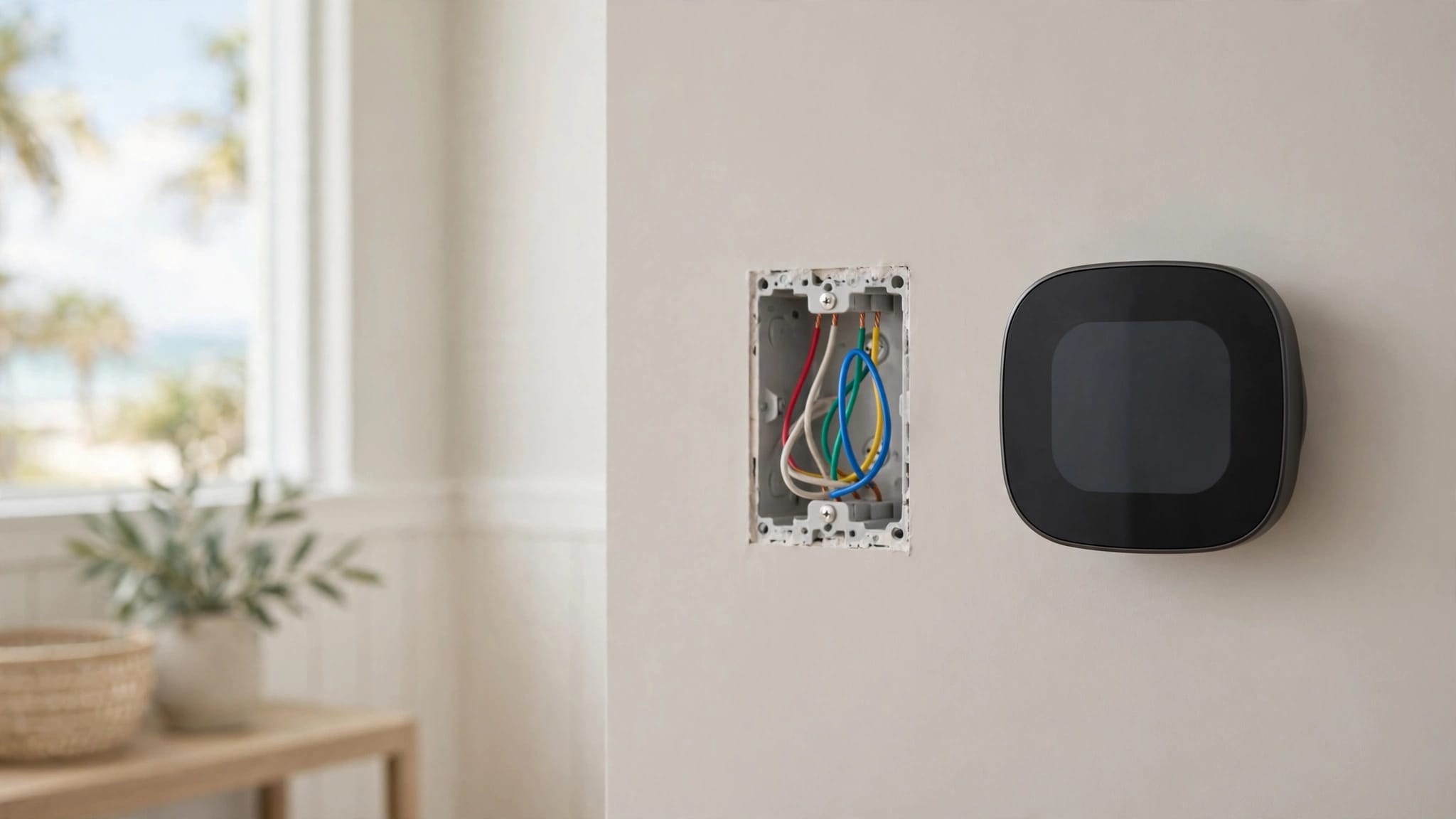
For apparent electrical hazards, burning smells, or repeated breaker trips, stop treating the issue as paperwork. Avoid touching damaged wiring or repeatedly resetting the breaker, and arrange qualified service promptly.
What to Do When the Report Flags a Concern
A concern in the report is a starting point for follow-up. It doesn't automatically establish the repair, replacement need, or insurance outcome.
Get the exact issue evaluated
Ask for the inspector's description and relevant photographs. Then share them with a qualified HVAC technician, along with any symptoms you've noticed.
Valor Heating & Cooling provides HVAC repair and inspection services in Fort Myers. When scheduling, explain that you're following up on an insurance inspection so the technician understands the concern.
Request a written explanation of the findings and completed work. Your insurer may need additional documentation, but confirm its requirements before assuming an invoice alone is sufficient.
Compare repair and replacement on evidence
Equipment age is useful background, but it doesn't diagnose a failed component. Ask what caused the problem, what the repair involves, and whether other significant issues remain.
If replacement is recommended, request a clear explanation. That discussion should address the equipment's condition and your home's cooling needs, not rely solely on an age estimate.
For homeowners considering HVAC installation and replacement, Valor assesses the home's size, layout, and cooling needs. Keep that equipment decision separate from the insurer's documentation decision.
After service, ask your agent whether the insurer wants an updated report, photographs, or another inspection. Don't assume the original findings automatically change when the repair is complete.
Prepare Without Hiding Existing Problems
Good preparation improves access and helps establish accurate equipment information. It shouldn't conceal a leak, damaged component, or recurring operating problem.
Before the appointment:
- Confirm the insurer's current form, deadline, and inspector requirements with your agent.
- Gather installation invoices, equipment records, and recent service documentation.
- Clear safe access to the outdoor unit, indoor equipment, and other areas the inspector requests.
- Disclose known symptoms and ask how any inspection limitations will be documented.
Don't remove electrical covers, open sealed equipment, or enter unsafe attic spaces to prepare. Leave those tasks to qualified professionals working within the appropriate scope.
If you already know the system leaks water or cools poorly, arrange service rather than hoping the problem goes unnoticed. Describe the symptoms honestly and keep the resulting paperwork.
Also, distinguish maintenance records from evidence of a completed repair. A receipt for a routine visit doesn't necessarily explain whether a reported defect was corrected. Ask for documentation that identifies the actual work performed.
Key Takeaways
Florida 4-point inspection HVAC information is most useful when you understand its limits.
- Reported age and visible condition provide context, but they don't establish remaining equipment life.
- Performance complaints and suspected hidden defects need a separate HVAC evaluation.
- The insurer determines documentation requirements and acceptance; favorable inspection findings don't guarantee coverage.
Frequently Asked Questions
Does an older HVAC system automatically fail?
Don't assume a universal age cutoff. Insurer requirements and acceptance criteria vary, and the supplied form may request age information without establishing a single replacement rule. Ask your agent how the current insurer evaluates equipment age and condition before making an expensive decision.
Is a four-point inspection the same as annual maintenance?
No. A four-point inspection is a limited inspection for insurance purposes. Maintenance can include cleaning, checks, and adjustments based on the service agreement. Neither appointment should substitute for troubleshooting a known cooling problem. Tell the service company what you need when booking.
Can an HVAC technician complete the insurance form?
Confirm that with your agent before scheduling. The insurer may have requirements for who completes the report and what documentation accompanies it. An HVAC technician can investigate equipment concerns, but don't assume that service visit also satisfies the entire four-point inspection request.
Use the Report to Guide the Right Next Step
A four-point report helps you identify documented conditions and unanswered questions. Its strongest value is knowing when further evaluation is needed.
If the HVAC findings raise concerns, Schedule an Estimate with Valor Heating & Cooling to discuss the equipment issue. Keep your insurance agent involved so service documentation matches the insurer's current requirements.
A comfortable house and complete insurance paperwork require different checks. Give each the attention it needs.
Recent Posts