
What Is a Dedicated Outdoor Air System?

Valor HVAC • November 9, 2026

Share this article

A dedicated outdoor air system, or DOAS, is commercial HVAC equipment that brings in and conditions outdoor air for ventilation. It usually works alongside separate equipment that controls the temperature in each room or zone.

For Southwest Florida businesses, the distinction matters because outdoor air carries humidity as well as heat. A DOAS gives building owners a way to manage that incoming air before distributing it indoors.

How a Dedicated Outdoor Air System Works

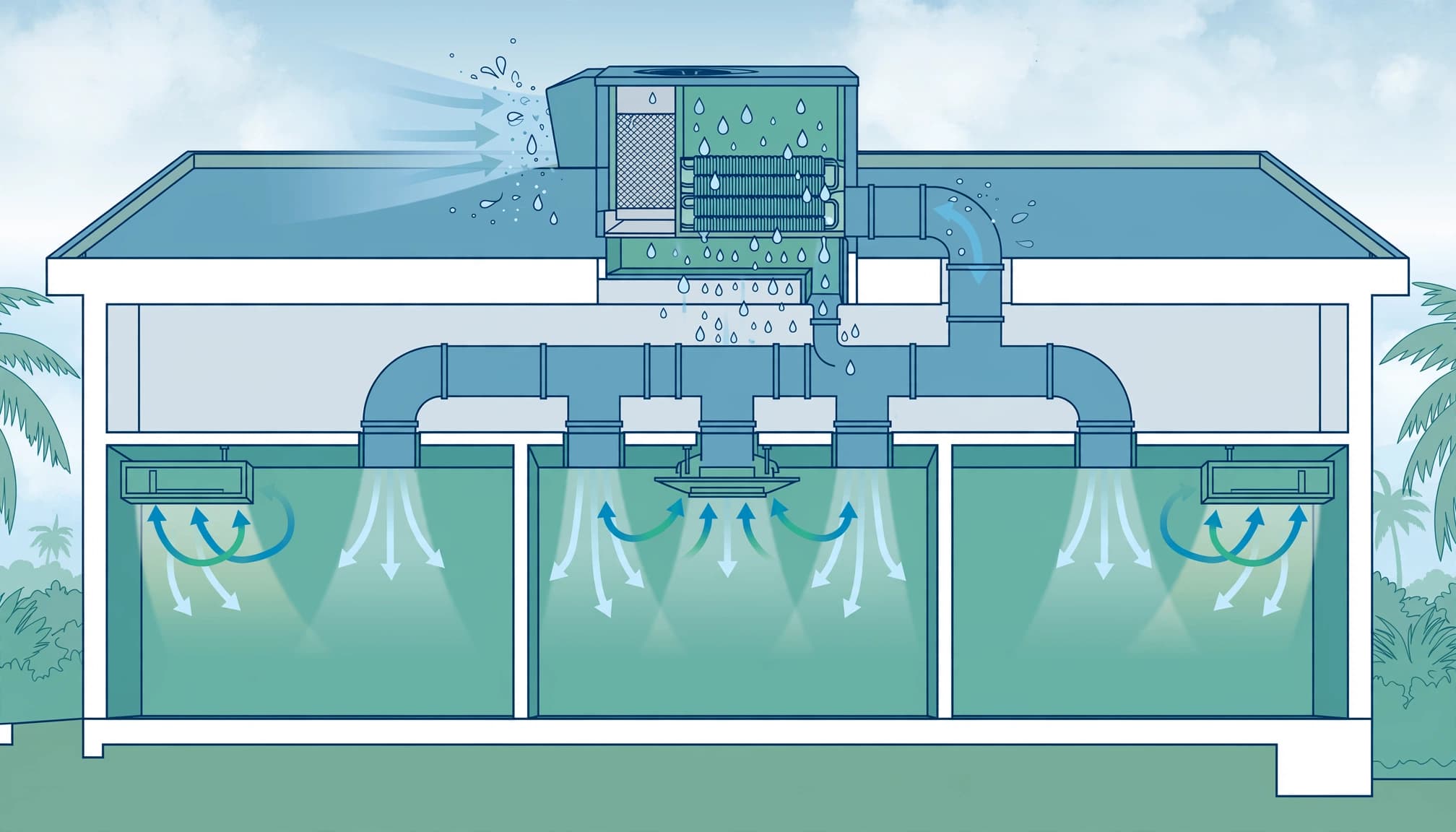
A DOAS draws air in from outside, filters it, and treats it before sending it into the building. In Southwest Florida, treatment often includes cooling the air enough to remove moisture.

Intake, filtration, and moisture removal

An outdoor-air intake and damper control the air entering the unit. Filters capture particles, while a cooling coil lowers the air temperature. Moisture condenses on the coil and drains away through a condensate system.

Some designs reheat the cooled air before delivery so it doesn't overcool the space. A supply fan then moves the conditioned air through ducts to occupied areas.

Energy recovery and room conditioning

Some systems include an energy recovery device that transfers heat, and sometimes moisture, between outgoing exhaust air and incoming outdoor air. That can reduce the load on the conditioning equipment, depending on the design and operating conditions.

Separate equipment, such as fan coils, split systems, or other zone units, handles the remaining room heating and cooling. The DOAS air may enter rooms directly or connect to local air handlers.

How DOAS Differs From Conventional HVAC

Many conventional commercial systems mix outdoor air with recirculated indoor air. One air handler then conditions the mixture and distributes it through the building. Ventilation delivery and room comfort depend on how that equipment operates.

A DOAS dedicates equipment to the outdoor-air portion. Local equipment can then respond to individual room temperatures without taking on the entire ventilation job.

Neither approach automatically fits every building. A smaller business may have different needs than a multi-zone office. Our comparison of rooftop and split HVAC systems explains two common equipment layouts that can be considered alongside the ventilation plan.

Benefits for Southwest Florida Businesses

The main advantage is more direct control over ventilation air and its moisture . When a system treats humid outdoor air before it reaches occupied rooms, local cooling equipment doesn't have to handle that entire moisture load on its own.

A DOAS can also make ventilation delivery easier to manage across multiple zones. That matters in a building where a conference room, private offices, and a reception area have different schedules and cooling needs.

Energy recovery may reduce heating and cooling demand under suitable conditions. However, a DOAS also adds fans, controls, and equipment that need power and service. Actual operating costs depend on the building and the complete system design.

A DOAS improves ventilation control, but it can't fix every indoor air problem. Water leaks, dirty equipment, and pollutants generated inside the building need their own solutions.

Where Commercial Buildings Use DOAS

Offices, schools, hotels, retail spaces, and medical offices can all use dedicated outdoor-air equipment. These buildings often have multiple occupied areas that need ventilation while requiring different temperatures.

For example, a hotel may use local equipment for guest-room comfort while a separate system supplies conditioned outdoor air. In an office, zone equipment can respond to sun exposure and occupancy while the DOAS handles planned ventilation.

Restaurants need additional attention because kitchen exhaust and make-up air affect the whole building. A ventilation design must account for those airflows rather than assume a DOAS alone handles every exhaust requirement.

What to Consider Before Installation

The right design starts with how the building is used. Room occupancy, operating hours, outdoor-air needs, and moisture loads all affect equipment selection.

Airflow, humidity, and pressure

The ventilation plan should distribute the required outdoor air to occupied spaces and coordinate it with exhaust systems. Too little supply relative to exhaust can pull humid air through gaps in the building. Excessive supply can create pressure problems of its own.

Controls also matter. Dampers, schedules, and sensors must work together so the system delivers air when spaces are occupied. After installation, measured airflow and balancing help establish whether the equipment performs as designed.

Space, cost, and existing equipment

A rooftop DOAS needs adequate roof support, access, and space for ducts and electrical connections. An indoor installation needs suitable mechanical space. Either arrangement also needs a condensate drain and room for service.

Upfront cost includes more than the unit itself. Ductwork, controls, electrical work, and changes to existing HVAC equipment can affect the proposal. In a renovation, the available space and condition of the existing system may influence the choice as much as the equipment price.

Maintenance Keeps Ventilation on Track

A stuck outdoor-air damper or blocked intake can reduce ventilation even when the air conditioner still cools the building. Dirty filters and coils can restrict airflow, while a clogged drain can cause water problems.

Routine service should cover filters, dampers, coils, condensate drainage, and controls. Our commercial HVAC maintenance checklist outlines other equipment checks for Florida businesses.

Choosing the Right Ventilation Approach

A dedicated outdoor air system gives a commercial building a separate way to treat ventilation air. In Southwest Florida, its ability to manage incoming moisture can be useful when the design matches the building.

If you're planning an HVAC replacement or reviewing ventilation needs, you can Schedule an Estimate with our team.

Recent Posts

By Valor HVAC • November 27, 2026
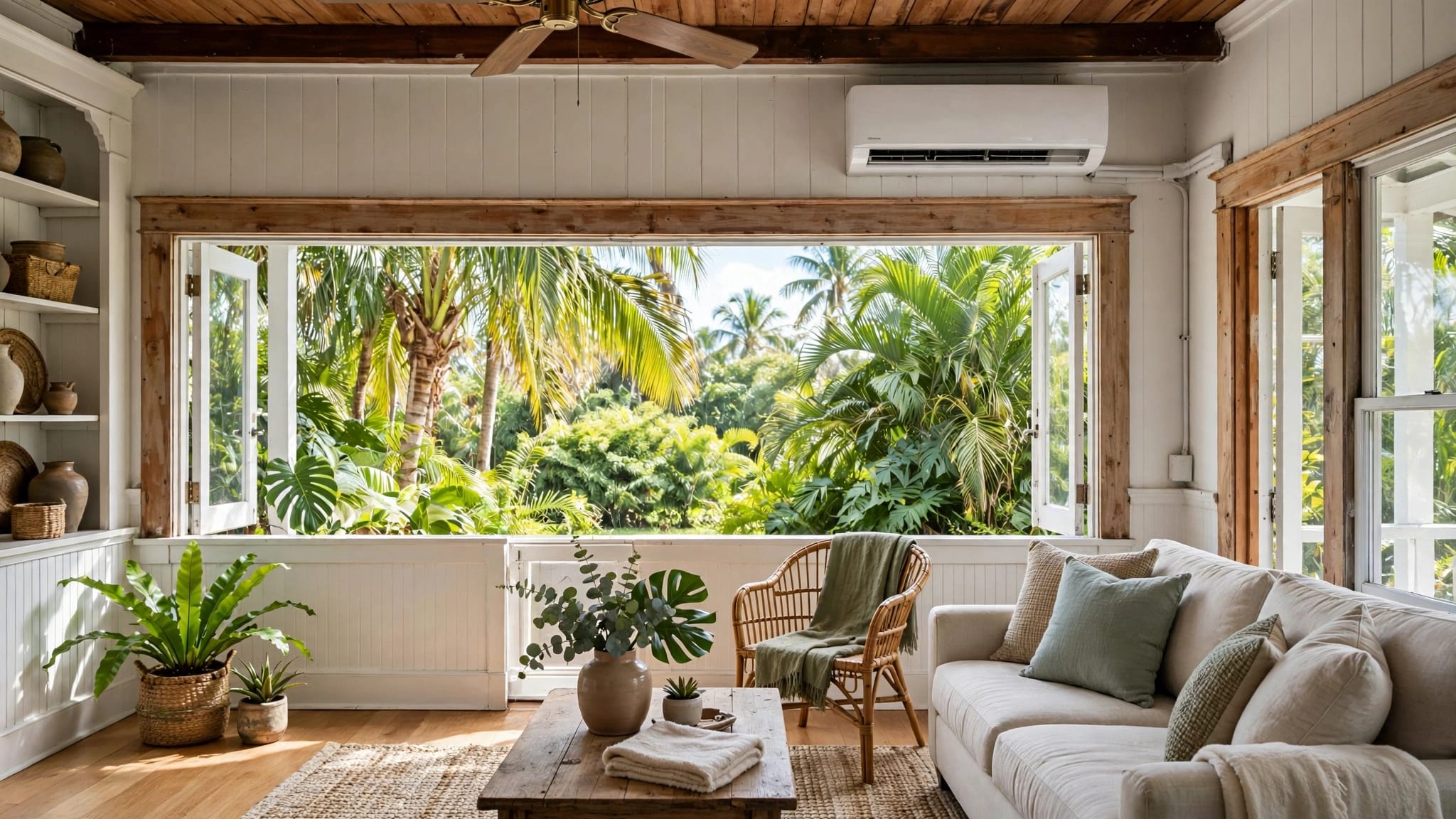
Yes, ductless AC can be a practical whole-home option for older Florida houses, but the decision depends on the building. Whole-home planning needs to account for room layout, moisture, electrical capacity, and the condition of any existing ductwork. For Southwest Florida home...
By Valor HVAC • November 26, 2026
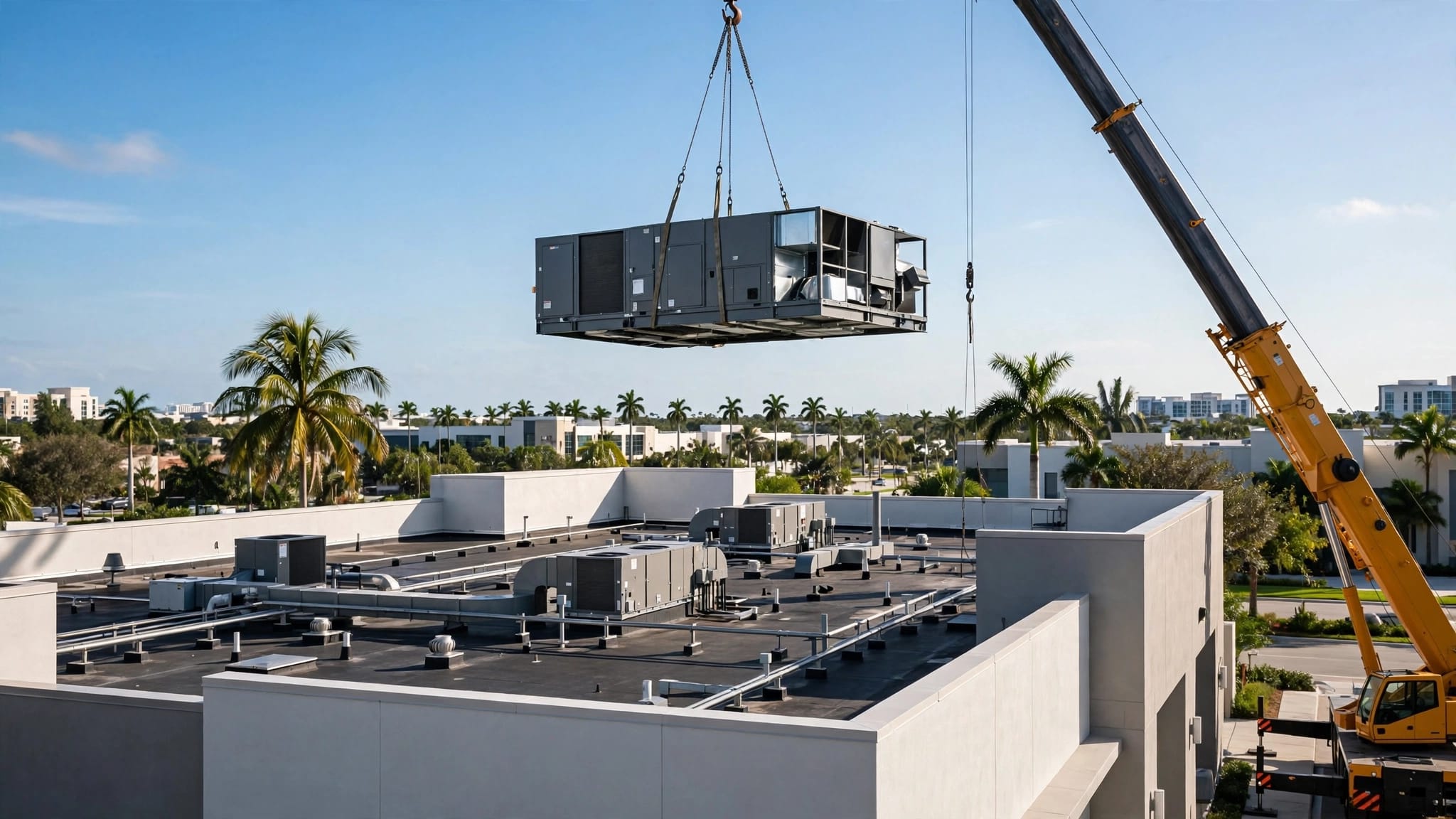
A commercial HVAC replacement cost in Fort Myers depends on the equipment and the work needed to install it. A straightforward swap may involve little more than replacing a compatible unit, while another project may need a crane, duct repairs, electrical changes, and roof work...
By Valor HVAC • November 25, 2026
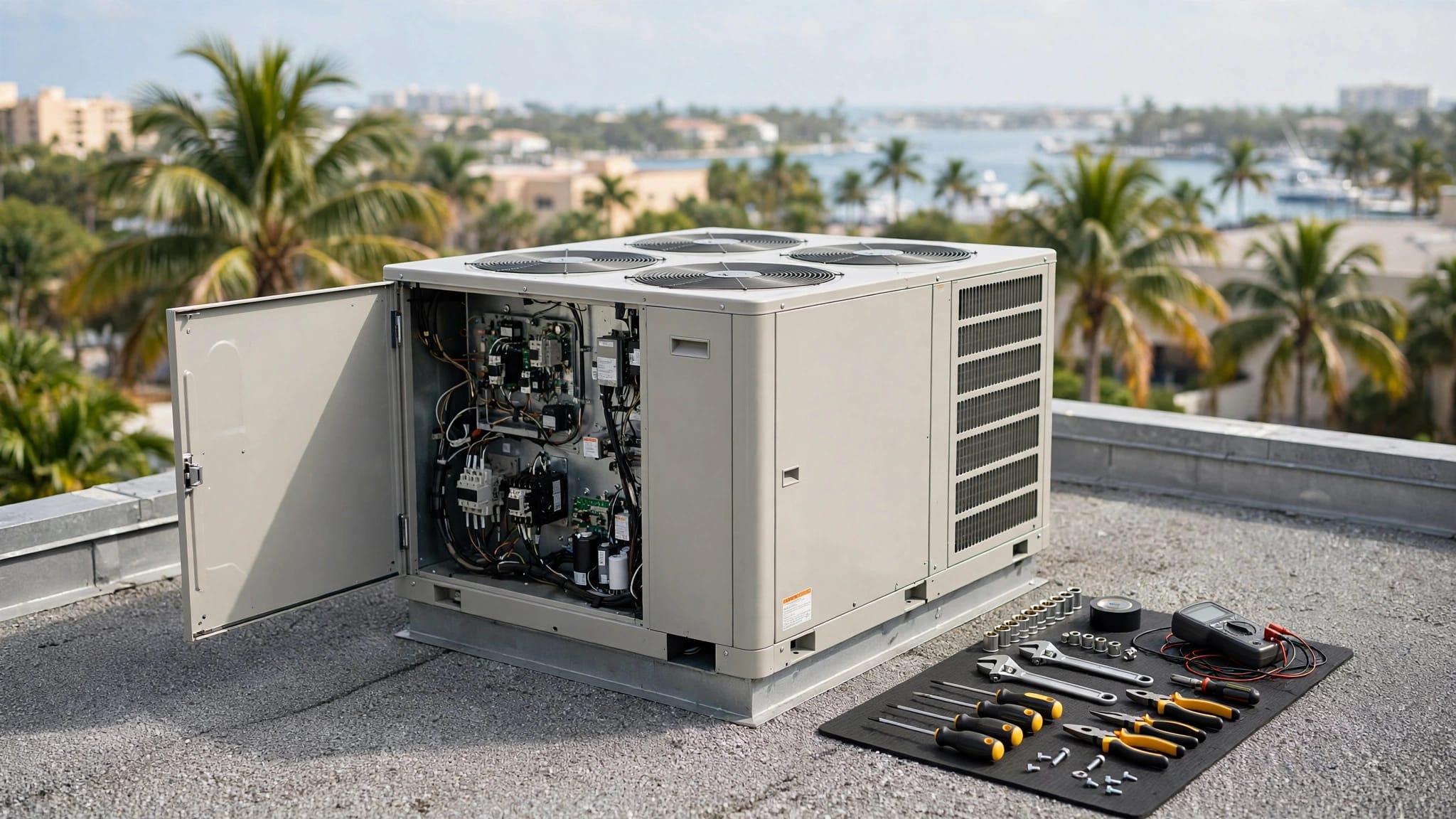
Commercial HVAC repair cost in Fort Myers can range from a few hundred dollars for a smaller repair to several thousand dollars for a major failure. A national commercial pricing guide puts common repairs at $300 to $2,500 , though a complex job can cost more. Your final price...