
What Is a Duct Leakage Test for Fort Myers Homes?
When your AC runs for long stretches but a bedroom still feels warm or sticky, the problem may be hidden above the ceiling. A duct leakage test measures whether conditioned air is escaping from the duct system before it reaches your rooms.
For Fort Myers homeowners, this test can bring clarity before you pay for repairs that don't address the real issue. It also helps separate duct problems from equipment, airflow, insulation, or return-air concerns.
Key Takeaways
- A duct leakage test checks how much air escapes through duct connections, seams, and damaged sections.
- Hot attic conditions can make duct leaks more noticeable because lost cooled air enters an unconditioned space.
- Uneven rooms, weak airflow, dusty vents, and longer AC cycles can point to leakage, but they can have other causes.
- Testing is different from duct cleaning, sealing, balancing, and replacement. The test identifies the issue before a repair plan begins.
What a Duct Leakage Test Checks
A duct leakage test focuses on the air path between your HVAC equipment and the supply and return vents. The goal is to measure air loss, then identify whether accessible leaks, damaged duct sections, or loose connections may be affecting comfort.
The technician starts with an inspection
First, the technician asks about your comfort concerns. Share which rooms stay warmer, when the issue began, and whether you have noticed noise, dust, odors, or moisture near vents.
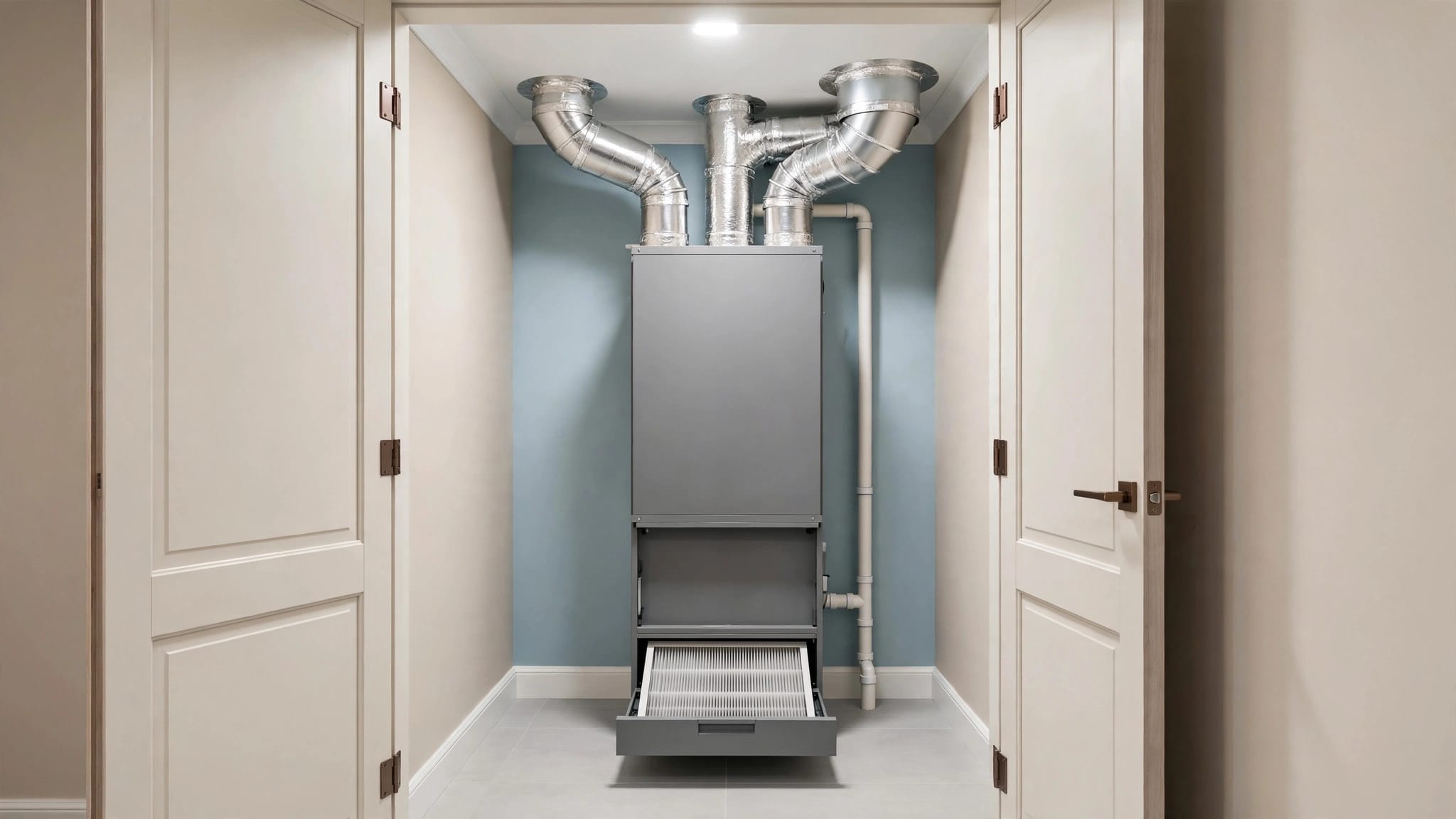
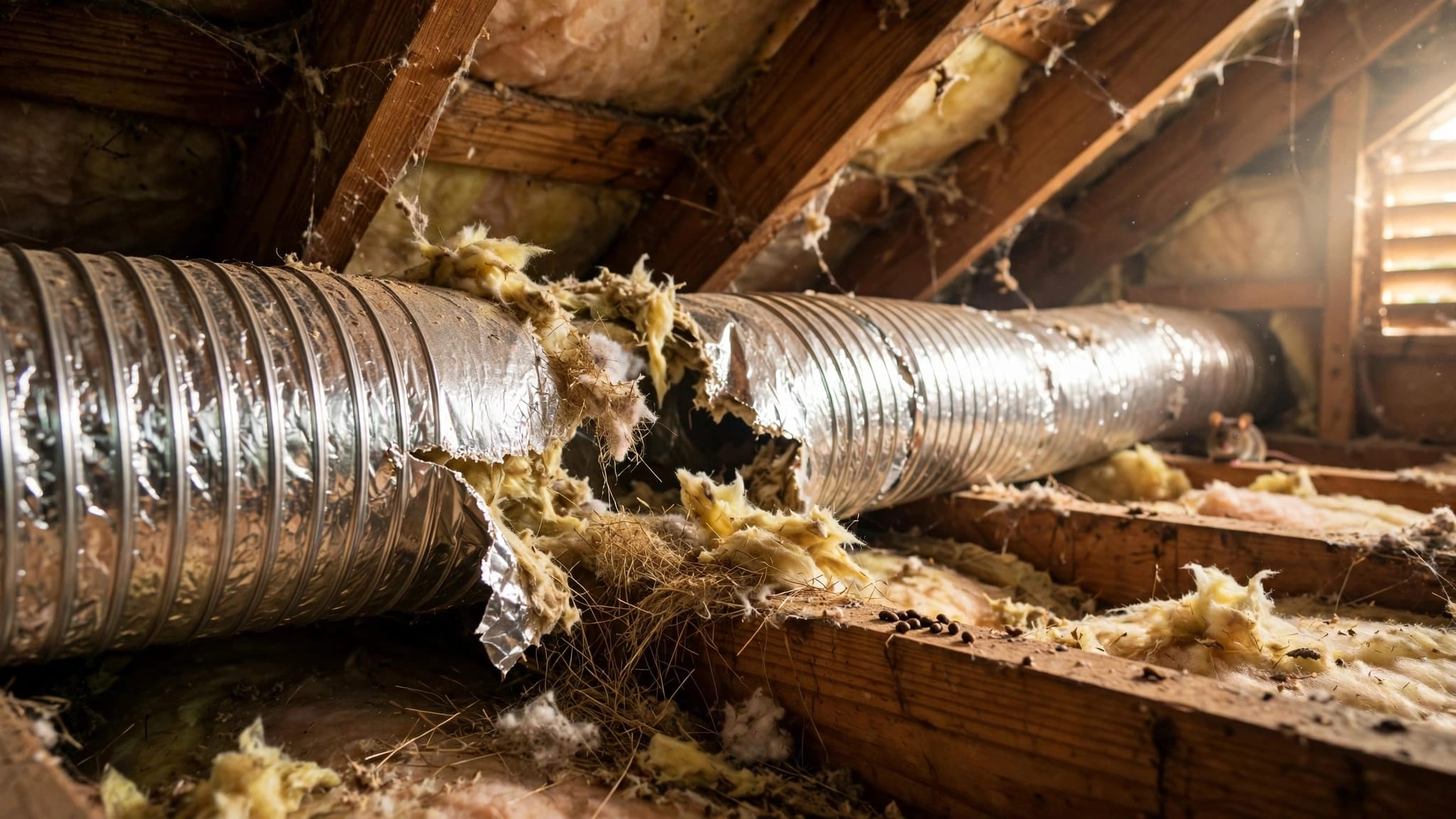
They may then inspect accessible ducts, plenums, boots, insulation, the filter cabinet, supply registers, and return grilles. Crushed flex duct, loose joints, torn insulation, and disconnected runs can sometimes be found during this step.
Testing measures air loss under pressure
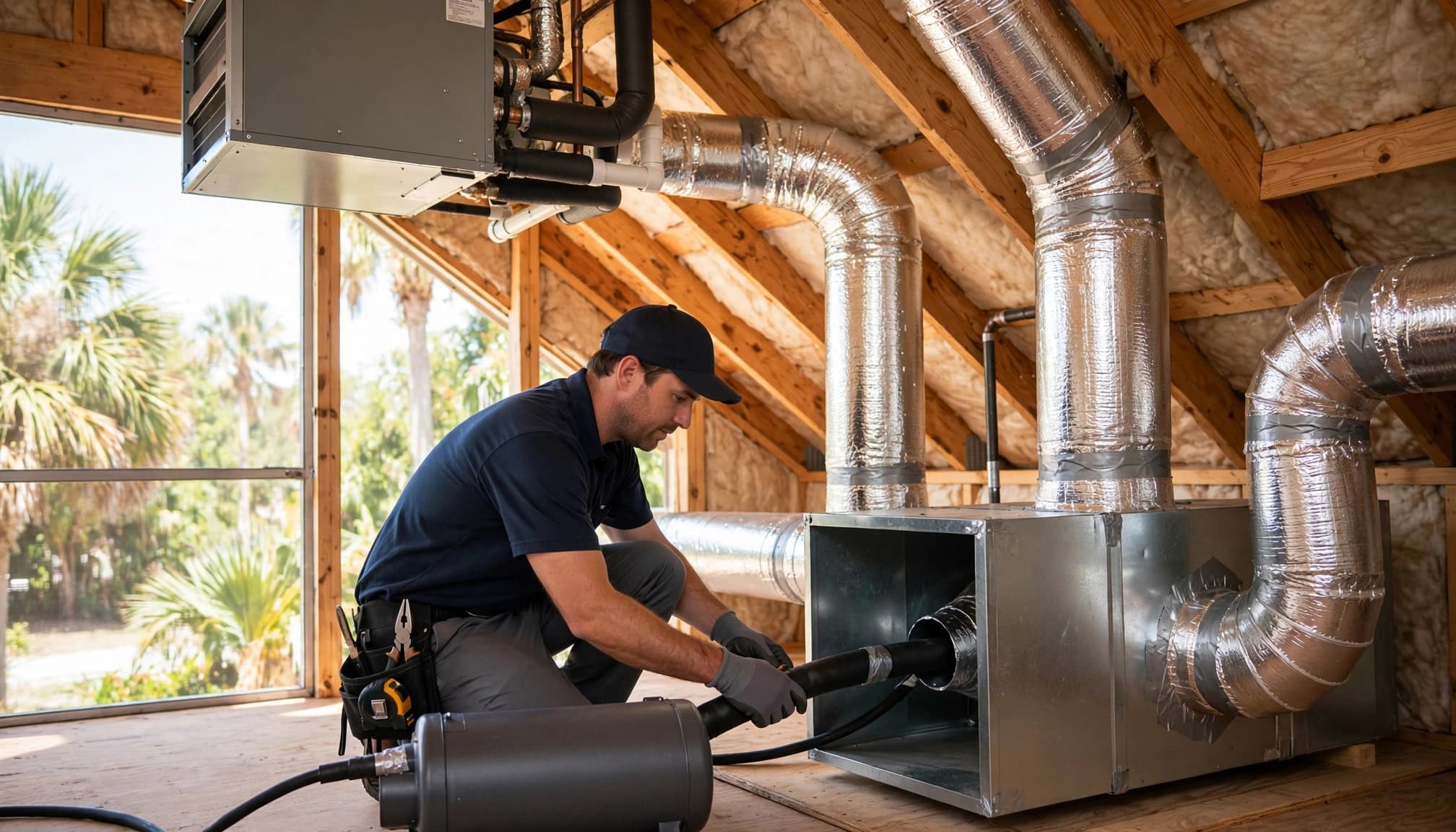
For the test itself, the technician temporarily closes intentional duct openings and connects testing equipment to the duct system. A calibrated fan creates pressure in the ducts while gauges measure the air that escapes.
The reading gives the technician a clearer picture than a visual check alone. However, a leakage result is only one part of a useful diagnosis. Airflow, static pressure, equipment condition, and return-air paths can also affect how your home feels.
Warning Signs of Leaking Ducts
One symptom doesn't prove that your ductwork leaks. Still, several signs appearing together make a professional evaluation more worthwhile.
Uneven cooling and weak airflow
A room that stays warmer than the rest of the house may lose air through a loose connection or damaged duct run. Weak airflow at one supply vent can also point to a crushed flex duct, a restriction, or a design issue.
In Southwest Florida, ductwork often travels through hot attic spaces. When cooled air escapes there, less of it reaches the living area. If a return duct leaks, it can also pull air from an attic, garage, or wall cavity into the system.
Dust, humidity, and unusual sounds
Dust around vents, a filter that gets dirty sooner than expected, and a hissing or whistling return can all deserve attention. Return ducts operate under negative pressure while the blower runs, so leaks can draw air through unintended openings.
A damp or musty smell needs a full inspection instead of a quick assumption. Moisture near ductwork, a drain issue, damaged insulation, or contamination can create similar complaints. For persistent cooling or airflow concerns, HVAC repair and inspection in Fort Myers can identify the source before work begins.
A clean vent cover does not prove that the duct system is sealed, balanced, or free of hidden damage.
Testing, Cleaning, Sealing, and Replacement Are Different
These services can work together, but each one solves a different problem. Knowing the difference helps you compare recommendations without paying for work that misses the cause.
Duct cleaning removes buildup
Cleaning targets dust, debris, and other material inside the duct system. It may be appropriate after remodeling, pest debris, visible contamination, or a moisture issue that has already been corrected.
Cleaning does not close a gap, reconnect a loose branch line, or restore damaged insulation. If cooled air is escaping into an attic or wall cavity, the ducts may still perform poorly after cleaning. Review the difference between duct cleaning versus duct sealing when dust and comfort problems overlap.
Sealing and replacement address physical defects
Duct sealing may fit accessible gaps at joints, boots, and plenum connections. Repairs can also include replacing damaged insulation or a torn section of duct.
Replacement may make more sense when flex duct is crushed, sagging, disconnected, or too damaged for a dependable repair. A test does not automatically mean the whole duct system needs replacement. The condition of each accessible run and the home's airflow needs should guide that decision.
What Happens After a Duct Leakage Test
A good service visit ends with a plain-language explanation of the findings. Ask what the readings mean for your system, where the likely trouble spots are, and what work is recommended first.
The repair plan should match the finding
Small accessible leaks may call for sealing. Damaged insulation may need replacement, while a failed duct section may need repair or replacement. When a home has recurring hot spots, the technician may also review dampers, return capacity, and airflow balance.
Some problems come from the air handler, filter, blower, evaporator coil, or condensate drain rather than the ducts. That is why a complete evaluation matters before approving a duct-only repair.
Get the scope in writing
Request a clear description of the work, including which duct sections will be sealed, repaired, insulated, or replaced. If duct cleaning is recommended, ask what contamination or debris supports that recommendation.
You can Schedule an Estimate with a Valor Heating & Cooling technician to discuss the findings and choose a repair path that fits your home.
FAQ
Will a duct leakage test fix my airflow problem?
The test itself does not repair anything. It measures duct air loss and helps identify whether leaks are part of the problem. Depending on the findings, the next step may be sealing, duct repair, insulation work, air balancing, or HVAC service.
Should I have my ducts cleaned before testing?
Usually, the order should follow the condition of the system. Cleaning removes buildup, while testing identifies air loss. If the main issue is escaping air or a loose connection, sealing or repairing that problem first can prevent the same comfort issue from continuing.
Final Thoughts
A duct leakage test gives Fort Myers homeowners useful evidence when comfort problems remain hidden behind ceilings, walls, or attic insulation. It can show whether air loss belongs in the repair plan or whether another HVAC issue needs attention first.
The right next step is based on the condition of your ducts, not a one-size-fits-all service recommendation.
Recent Posts