HVAC Repair Questions to Ask Before You Approve Work
A broken air conditioner can make a Southwest Florida home uncomfortable fast, especially during a hot, humid afternoon. However, approving the first repair recommendation without clear answers can leave you uncertain about the work, cost, and condition of your system.
The right HVAC repair questions help you understand what failed, what the technician tested, and whether a repair makes sense. Start with the diagnosis, then move to the estimate and the longer-term outlook.
HVAC Repair Questions That Clarify the Diagnosis
A symptom is not a diagnosis. Weak cooling, a new noise, water near the indoor unit, or a system that won't start can each have several possible causes.
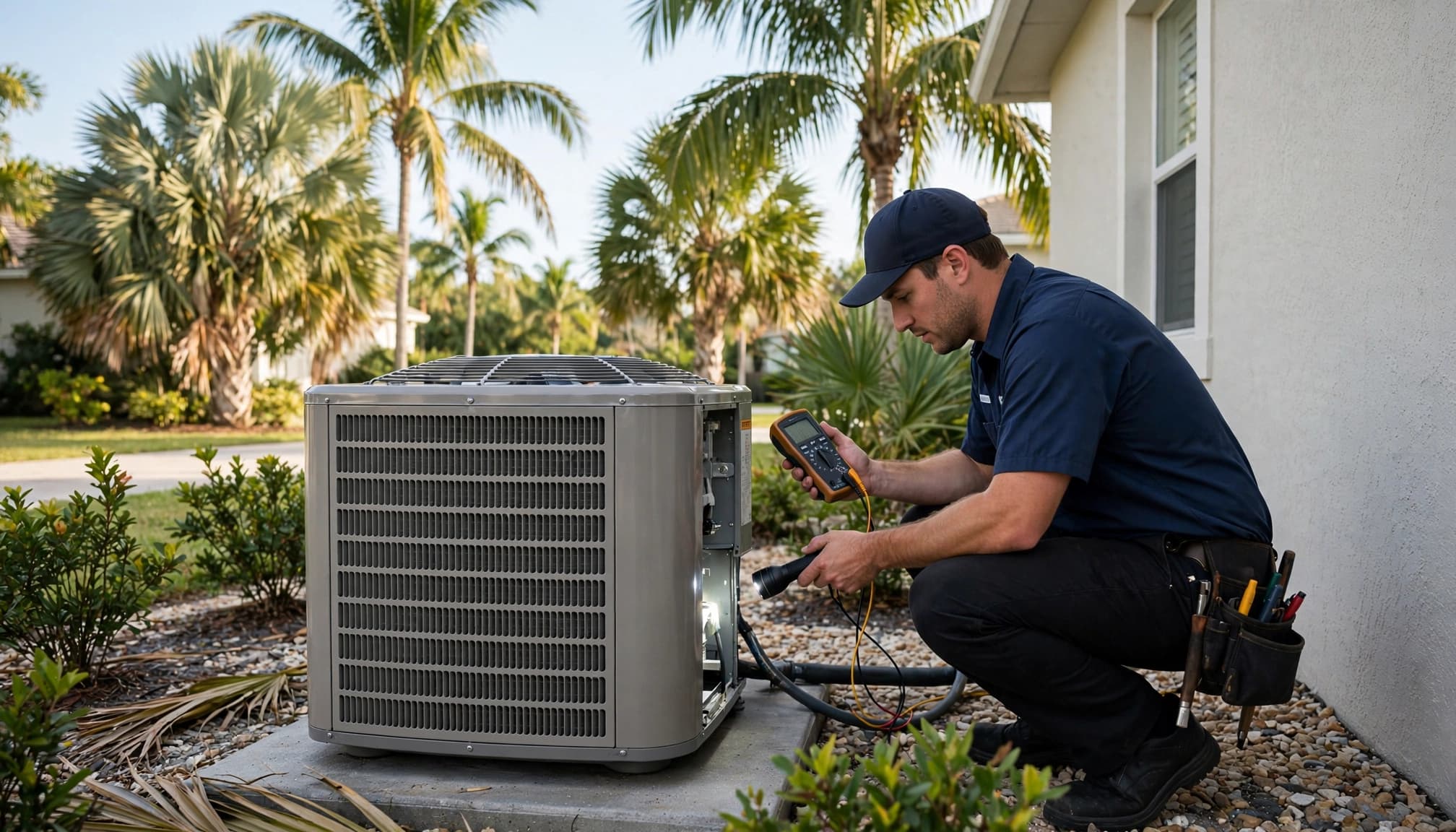
"What caused the problem?"
A satisfactory answer names the suspected failed part or condition and connects it to the symptom you noticed. For example, the technician should explain whether the issue involves airflow, an electrical component, the drain line, a coil, or refrigerant-related performance.
Ask whether the problem is a one-time failure or part of broader wear. A clear explanation helps you avoid authorizing a repair based only on a vague statement that the unit is "low" or "not working right."
"What did you test, and what did the results show?"
A technician should describe the checks performed in plain language. A solid inspection may include refrigerant levels, electrical parts, coil condition, airflow, and the condensate drain line.
Ask to see the affected component when practical. You don't need a technical lesson, but you should understand why the proposed repair addresses the actual cause. For a second opinion or a detailed inspection, consider Fort Myers HVAC repair and inspection before approving major work.
"Are there related issues I should know about?"
Some repairs reveal other worn components, but those items should be separated from the immediate problem. Ask which work is necessary to restore safe operation, which work is recommended, and which items can be monitored.
A technician should be able to distinguish between the fault causing today's breakdown and maintenance or wear items that don't require immediate approval.
Ask for a Written Scope and Estimate
A verbal total isn't enough for a repair that affects your home's cooling, electrical system, or refrigerant circuit. Request an estimate before work begins, except when an urgent safety issue requires the system to be shut down first.
"What does this price include?"
A useful written estimate identifies the repair, parts, labor, service charges, and applicable taxes or fees. It should also state whether diagnostic time is included or billed separately.
Ask whether the estimate covers testing the system after the repair. The technician should confirm how they will verify normal operation, such as checking cooling performance, drainage, electrical readings, or airflow.
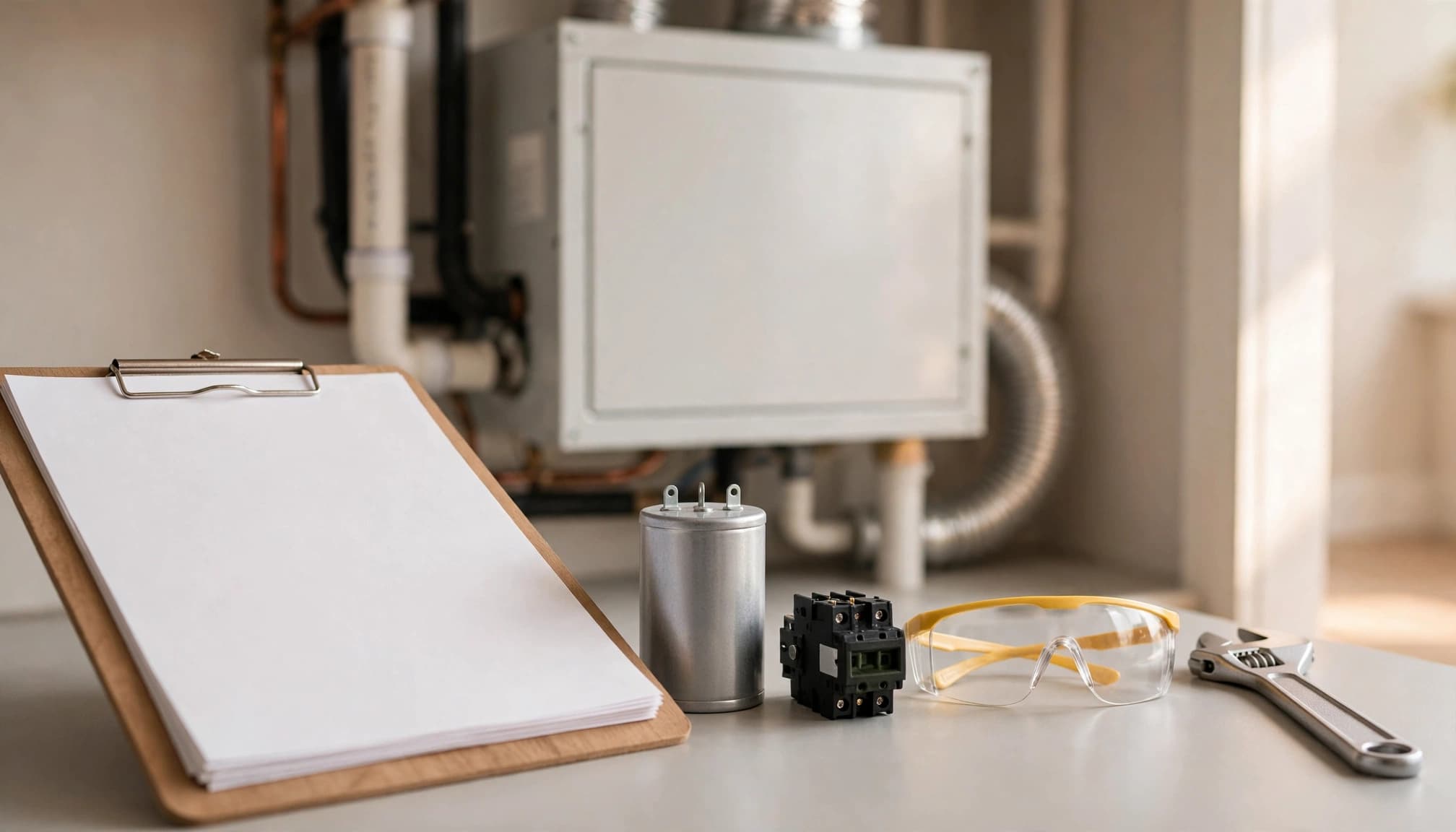
"What could change the estimate?"
Some hidden conditions only appear after equipment is opened or a failed part is removed. That possibility doesn't make an estimate unreliable, but it should be explained upfront.
Ask the technician to call you for approval before any additional chargeable work. Also ask whether the quoted repair is a permanent correction, a temporary measure, or one step in a larger repair.
Confirm the Parts, Labor, and Warranty
The part installed matters, but the workmanship and follow-up support matter too. Before authorizing work, ask what is being installed and who stands behind it.
"Which part are you installing?"
Ask whether the technician plans to use an original equipment manufacturer part, an approved replacement part, or another compatible option. The answer should include the part's purpose and why it fits your system.
You can also ask if the part is in stock. If it isn't, find out whether the technician can safely restore temporary operation or whether waiting creates a risk of further damage.
"What warranties apply to the part and labor?"
A satisfactory answer separates the manufacturer's part warranty from the contractor's labor warranty. Ask how long each applies, what documentation you should keep, and what circumstances may limit coverage.
Get the warranty terms in writing with the final invoice. If registration is required for a manufacturer warranty, ask who will complete it and whether you need to take any action.
Clarify Timing, Permits, and Home Access
A repair visit can take longer than expected when a part must be ordered or testing reveals another issue. Clear timing keeps your household from being caught off guard.
"When can the work be completed?"
Ask when the technician can begin, how long the repair is expected to take, and whether your system must remain off while parts are obtained. A good answer includes a realistic service window instead of a promise that ignores part availability.
If you have pets, tenants, or a gate code, discuss access before the appointment. Also ask whether the technician needs space cleared around the air handler, thermostat, electrical panel, or outdoor condenser.
"Is a permit or inspection required?"
Routine repairs may not require a permit, while equipment replacement or electrical modifications can trigger local requirements. Ask whether the proposed work needs a permit in your location and who handles the application and inspection.
The contractor should explain any permit-related cost and timing before the work begins. In Fort Myers and elsewhere in Lee County, local rules can vary by the scope of work.
Put Safety Ahead of Cooling Comfort
Florida heat makes a loss of air conditioning frustrating. Still, some HVAC symptoms need faster action than a standard repair appointment.
"Should I shut the system off until it is repaired?"
Ask this directly if you notice a burning odor, smoke, sparking, repeated breaker trips, unusual electrical buzzing, or water near electrical equipment. Turn the system off at the thermostat and, if it can be done safely, at the breaker. Don't remove panels or try to reset a repeatedly tripping breaker.
A technician should tell you whether the equipment can run safely. If the answer is no, keep it off until a qualified professional evaluates it.
"Is this an emergency?"
Complete system failure during extreme heat, an electrical concern, or a sudden loss of cooling may require urgent help. Valor offers 24/7 emergency HVAC service throughout Lee County for situations that can't wait for normal business hours.
Protect people first. If anyone has heat-related symptoms, seek medical help and move to a cooler location while arranging HVAC service.
Get Straight Answers About Refrigerant Work
Refrigerant work deserves extra questions because a system that is low on refrigerant usually has a reason. Adding refrigerant without addressing a leak may only delay the same problem.
"Do you believe the system has a leak?"
Ask what led the technician to that conclusion and whether leak testing is part of the recommendation. A satisfactory answer explains the source of the concern, the test method, and whether the leak can be located and repaired.
The U.S. Environmental Protection Agency requires certification for people who service equipment that could release refrigerant. Ask who will perform the work and how recovered refrigerant will be handled.
"What does this repair mean for future service?"
Find out whether the repair involves a small, accessible issue or a larger sealed-system concern. Ask about the condition of the coils and compressor, since those factors can affect whether repair remains practical.
Don't accept a refrigerant-related recommendation without asking about the underlying cause, the repair scope, and the expected next step if the system's performance doesn't improve.
Compare Repair and Replacement Without Pressure
A repair can be the right choice even when a system isn't new. The decision should rest on the diagnosis, overall condition, repair scope, and your home's comfort needs.
"How old is the system, and what is its overall condition?"
Ask the technician to consider more than the failed part. The system's age, past repairs, coil condition, electrical components, airflow, drain line, and visible wear all shape the decision.
A technician should explain whether the current failure appears isolated or whether several costly components show wear. Use that information to decide between AC repair and replacement with a clearer view of both paths.
"What would replacement involve if I choose not to repair?"
Ask for a separate replacement proposal, not a sales pitch folded into the repair estimate. It should explain the equipment scope, installation work, any permit needs, and what happens to the existing system.
A replacement quote gives you a comparison point. If replacement is the better fit, HVAC installation and replacement in Fort Myers can help you plan the next step without guessing.
Key Takeaways Before You Sign
Keep these points in mind when reviewing any HVAC repair recommendation:
- Ask for the diagnosed cause and the tests that support it.
- Request a written estimate that separates parts, labor, and possible additional work.
- Confirm the repair's warranty, expected timing, and any permit requirements.
- Treat burning smells, sparks, breaker trips, and water near electrical equipment as safety concerns.
- Ask refrigerant questions that address leaks and proper handling, not only a recharge.
- Compare repair and replacement based on your system's condition, not age alone.
After the repair, regular HVAC maintenance in Fort Myers can help identify dirt buildup, drainage issues, and wear before they become a surprise breakdown.
Frequently Asked Questions
Can I approve an HVAC repair over the phone?
You can, but first request the diagnosis and estimate in writing. Ask the technician to explain the failed component, total scope, warranty, and any condition that could change the price. For a major repair, you may also want photos or a second opinion.
Should I get a second opinion for HVAC repair?
A second opinion makes sense when the diagnosis is unclear, the repair is extensive, or replacement is also being recommended. It can also help when refrigerant work or a major electrical component is involved. You should never feel pressured to approve work before you understand it.
When should I schedule an estimate?
Schedule one when your system has recurring problems, weak cooling, unusual noises, water leaks, or a repair recommendation you want explained. To discuss a repair, inspection, or replacement option with a local technician, Schedule an Estimate.
Make the Approval Decision With Confidence
The best HVAC repair decision starts with a diagnosis you can understand and an estimate you can review. Ask what failed, why it failed, what the repair includes, and what happens if the system needs more work.
Clear answers protect your comfort and your budget. A trustworthy repair recommendation never depends on pressure.
Recent Posts