AC return vent whistling in Fort Myers: Causes and fixes
When your Fort Myers air conditioner produces a sharp whistle at the return grille, the noise can spread through the whole house. A search for AC return vent whistling usually points to an airflow problem, such as a dirty filter, an opening around the filter, or excessive resistance in the return system.
A brief sound at startup may be minor, but persistent whistling deserves attention. It can occur with weak airflow, uneven temperatures, or longer cooling cycles. Start with the safe filter and grille checks below, then call an HVAC technician if the sound continues.
Why AC return vent whistling happens in Fort Myers
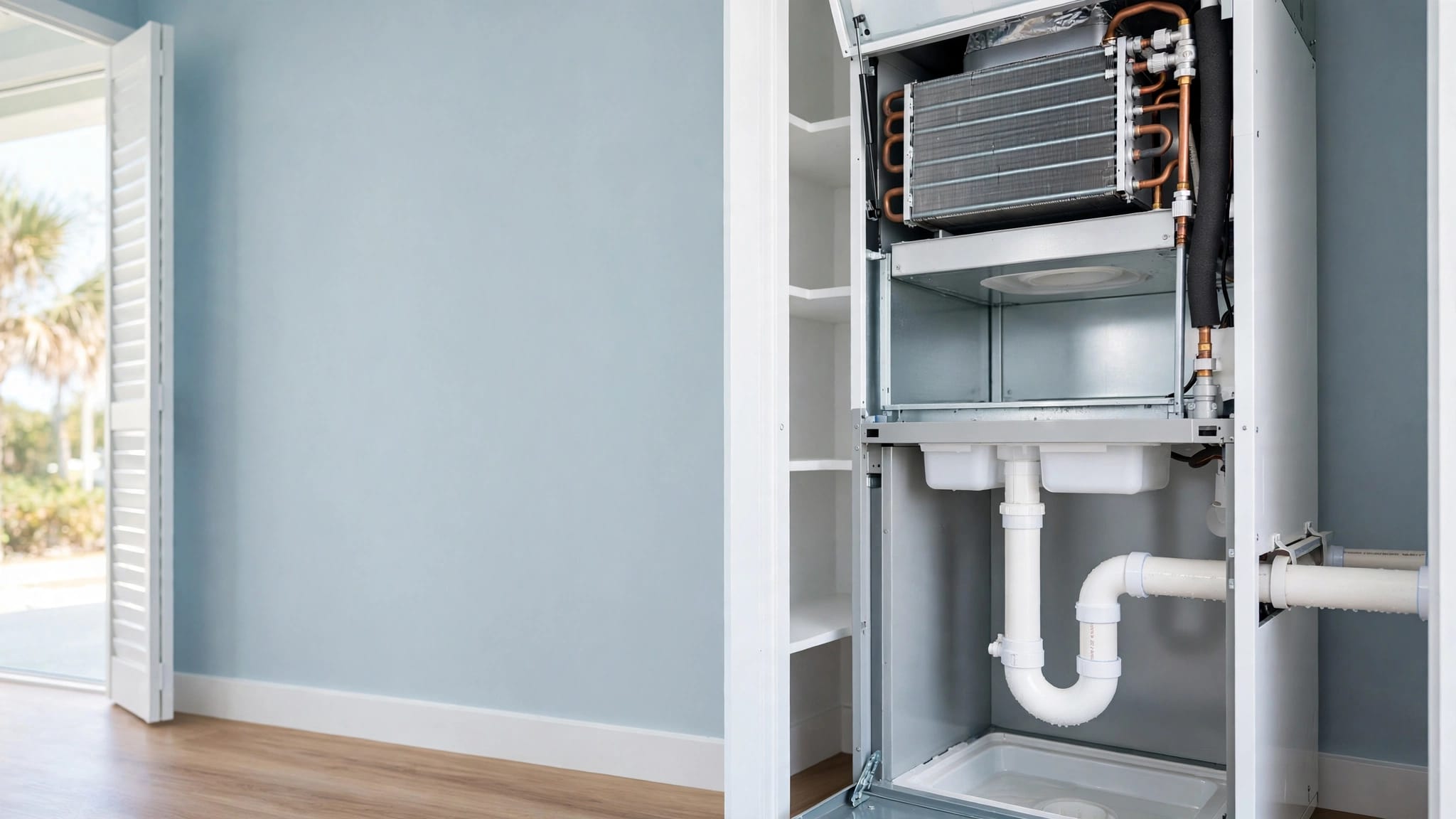
Return vents pull air from your rooms back to the indoor air handler. The air passes through the grille, filter, return duct, blower, and evaporator coil before the system sends cooled air back through the supply vents.
Whistling starts when air moves too quickly through a narrow opening or around a gap. A filter that doesn't fit correctly can create a small passage that acts like a whistle. The same thing can happen around a loose grille, a damaged filter rack, or a duct connection.
Hot, humid Fort Myers weather also means air conditioners often run for long periods. As a result, airflow restrictions become easier to notice. Dust, pet hair, indoor air pollutants, and construction debris can collect on the filter or inside return components.
The filter is the first thing to inspect
A dirty filter makes the blower work against greater resistance. If the filter is heavily loaded, air may squeeze through a smaller open area and create a high-pitched sound.
Fit matters, too. An undersized filter can leave gaps around the frame, while an oversized filter may bend or sit unevenly. A filter that bows inward when the system runs may point to excessive suction or a poor fit.
Check the size printed on the old filter or filter cabinet. The airflow arrow should point toward the air handler. Replace a dirty filter with the correct size and type, but don't automatically choose the most restrictive filter available. Some systems need a specific filter design to maintain proper airflow.
Never run the air conditioner without a filter. Unfiltered air can carry dust into the coil and blower.
The return grille may be creating the noise
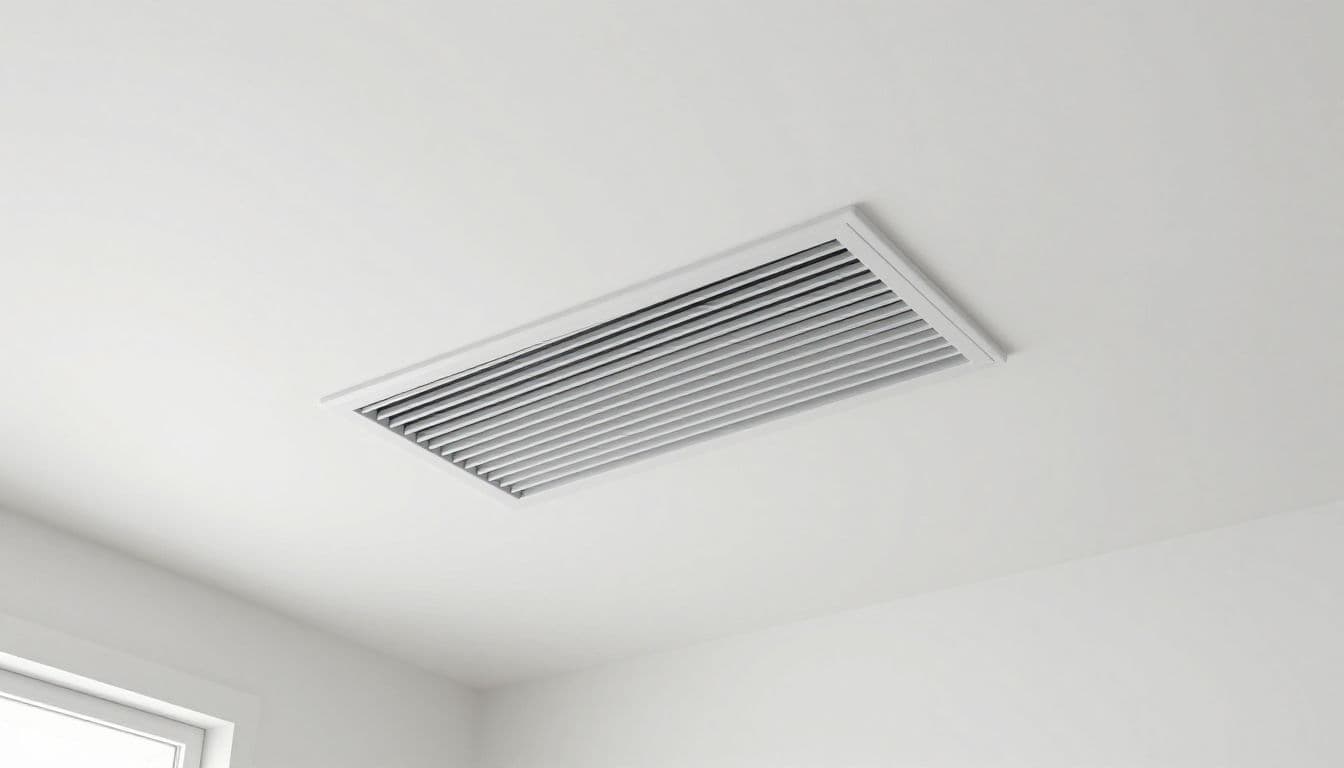
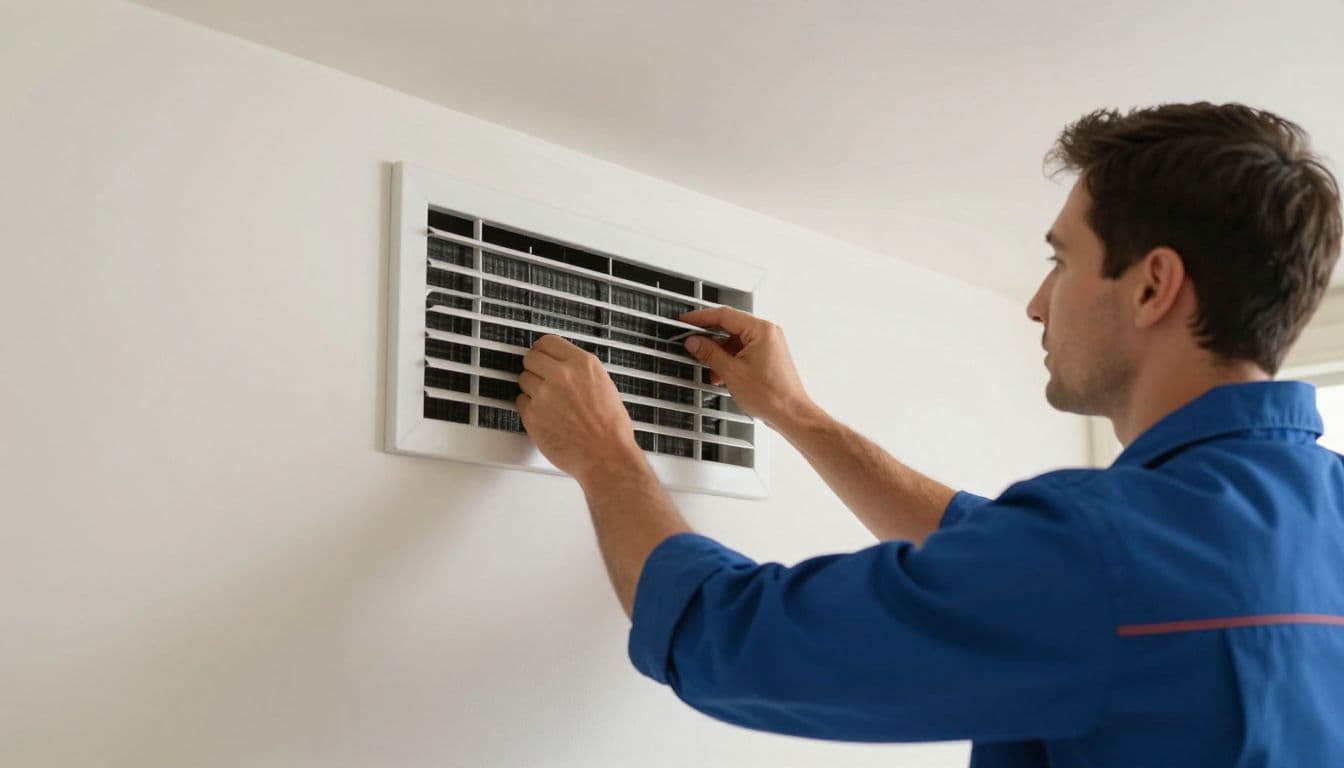
Dust buildup on the grille's louvers can narrow the air path. Loose screws, bent louvers, or a damaged frame can also produce vibration and whistling.
Furniture, curtains, storage boxes, and other items can block a low wall return. Keep the area in front of the grille open so the system can pull air freely. If the noise changes when a nearby interior door opens, the return path may be restricted when rooms are closed.
What persistent AC return vent whistling can indicate
If the correct, clean filter doesn't stop the noise, the restriction may be deeper in the HVAC system. The return grille is often where you hear the problem, but the source can sit inside the ductwork or near the air handler.
A clean return grille can still whistle when the actual airflow restriction is inside the duct system.
Leaking return ducts
Return ducts operate under negative pressure while the blower runs. If a seam, connection, or section of duct leaks, the system may pull air through an unintended opening. That movement can create a hiss or whistle.
Return ducts often pass through attics, closets, soffits, or other spaces that aren't part of the conditioned living area. A leak in one of those locations can reduce the amount of air returning to the unit. You may also notice dusty areas, uneven cooling, or a filter that becomes dirty sooner than expected.
The sound may come and go as the blower speed changes. Because duct access can involve insulation, tight spaces, and sealed connections, homeowners shouldn't cut into or modify the ductwork.
An undersized return duct
The return system must move enough air for the blower and air conditioner. If the return grille, filter rack, or duct is too small, air has to move faster through the restricted section. That higher velocity often creates a whistle.
A return problem may affect only certain rooms. For example, a bedroom can feel stuffy when its door stays closed if the room has no effective path for air to return. The system may also become louder when the blower runs at a higher speed.
A technician can check the return opening and duct size against the equipment's airflow requirements. Adding another grille or changing a duct layout requires more than making a larger hole in the wall.
Blower and static-pressure problems
Static pressure is the resistance the blower faces as it moves air through the system. High static pressure can come from a clogged filter, dirty evaporator coil, dusty blower wheel, blocked duct, incorrect blower setting, or a return system that can't handle the equipment's airflow.
The result may include a whistling return, weak supply airflow, longer run times, or a coil that begins to freeze. A worn blower motor can also create unusual sounds near the air handler, although that noise may sound more mechanical than a vent whistle.
Diagnosing this issue requires measurements. An HVAC technician can use a manometer to test static pressure and compare the reading with the equipment manufacturer's limits. Homeowners should not adjust blower speed, open electrical compartments, or bypass safety controls.
Safe troubleshooting steps for homeowners
You can check a few basic items without opening the air handler or changing the duct system. Turn the thermostat off before removing a grille or filter.
- Inspect the filter. Confirm that it matches the cabinet size, sits flat, and has no collapsed or damaged edges. Replace it if it's dirty or damp.
- Check the airflow direction. The arrow on the filter should point toward the indoor unit. A backward filter can restrict airflow, especially when the material is dense.
- Clean the grille surface. Use a vacuum brush or soft cloth to remove dust from the visible louvers. Don't force a vacuum nozzle deep into the duct.
- Clear the return area. Move furniture, curtains, boxes, and other objects away from the grille. Leave interior doors open briefly and listen for a change in the sound.
- Observe when the whistle occurs. Note whether it starts during cooling, fan-only operation, startup, or higher fan speeds. Also check whether airflow feels weak at several supply vents.
These checks can identify a loose filter or blocked grille. They won't confirm a duct leak, undersized return, dirty coil, or static-pressure problem. Don't enlarge the grille opening, seal duct joints, change blower wiring, or work on electrical components yourself.
When to call an HVAC technician in Fort Myers
Schedule professional service when AC return vent whistling continues after you install the correct, clean filter. A technician should also inspect the system when the sound grows louder or appears with other comfort problems.
Call for an inspection if you notice:
- Weak airflow from several supply vents
- Ice on the refrigerant lines or indoor coil
- Water near the air handler
- Rooms that stay warm despite long cooling cycles
- A whistle that comes from inside the cabinet or attic
- Short cycling, unusual blower noise, or a sudden rise in energy use
A proper visit should include more than listening at the grille. The technician can inspect the filter rack, return plenum, accessible duct connections, blower wheel, evaporator coil, and equipment settings. Static-pressure testing helps show whether the system has too much resistance.
The repair depends on the finding. Solutions may include replacing a damaged grille, correcting the filter rack, cleaning an accessible coil or blower, sealing an appropriate duct connection, repairing a blower component, or redesigning an undersized return. Each option should match the equipment and the home's airflow needs.
For a persistent noise or weak cooling, HVAC repair and inspection can help identify the source before a small airflow problem causes further strain. If the inspection points to a return redesign or system replacement, you can Schedule an Estimate with a Fort Myers HVAC technician.
Conclusion
A whistling return vent usually means air is moving through a restriction or escaping through an unwanted gap. A dirty or poorly fitted filter is a safe place to start, but persistent AC return vent whistling can also point to duct leaks, an undersized return, or a blower and static-pressure issue.
Check the filter, clear the grille, and pay attention to changes in airflow. If the sound remains, professional testing can locate the restriction and protect your Fort Myers home's comfort system.
Recent Posts