AC Disconnect Box: Failure Signs and Repair Steps
An AC disconnect box is the outdoor shutoff that separates your air conditioner from the home's electrical supply. When it fails, the condenser may stop running, trip a breaker, or show visible heat or corrosion damage.
Florida weather adds extra stress. High humidity, salt air, rain, insects, and intense sun can affect the enclosure and its electrical parts. Knowing what the disconnect does can help you spot trouble early and call for safe repairs before a small fault damages the condenser.
Key Takeaways
- The disconnect provides a local way to shut off power to the outdoor AC unit.
- Common failures include blown fuses, loose connections, corrosion, heat damage, and worn pull-out parts.
- No power at the condenser doesn't always mean the condenser itself has failed.
- Homeowners should observe symptoms but avoid opening or testing the disconnect.
- A qualified HVAC or electrical professional should diagnose and repair the box.
What an AC Disconnect Box Does
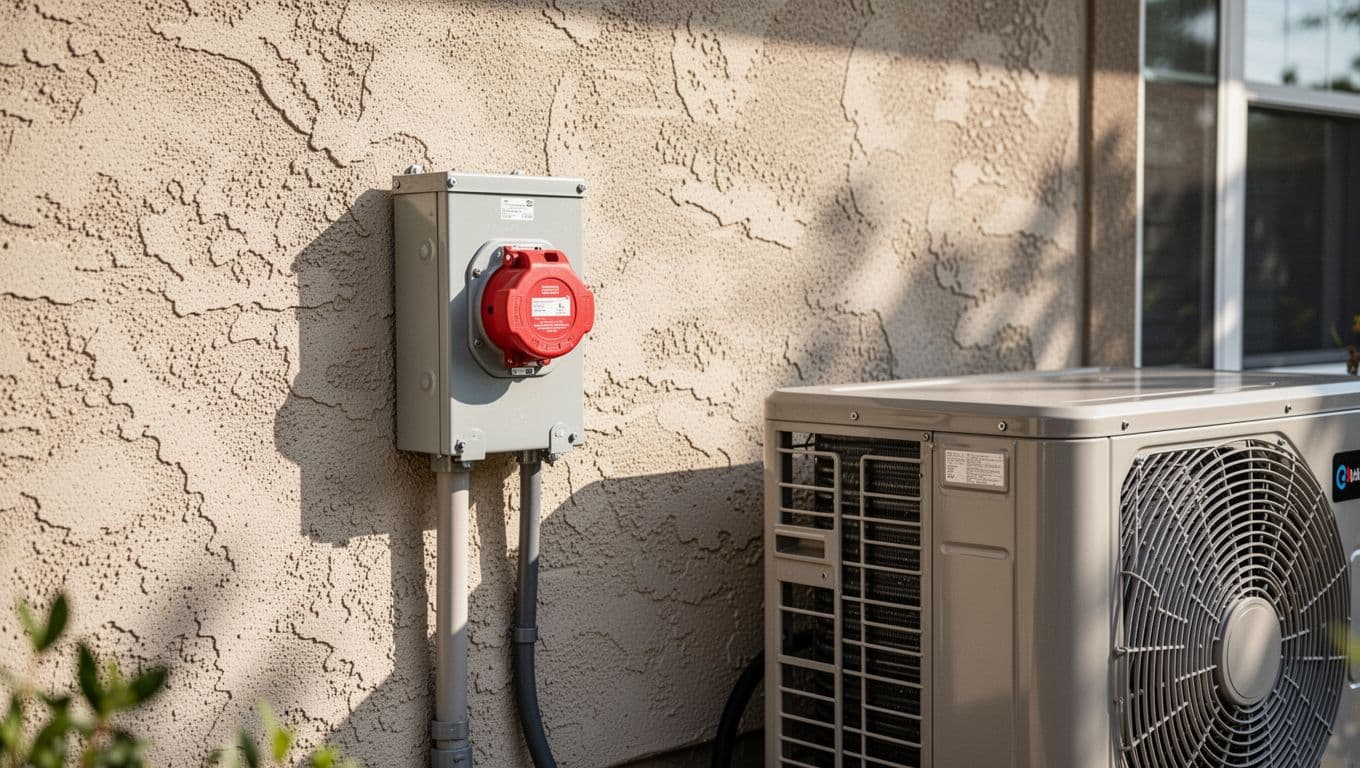
The disconnect sits near the outdoor condenser, usually on an exterior wall. It gives a technician a local point to shut off power while servicing the compressor, condenser fan motor, capacitor, wiring, or controls.
A typical disconnect contains a housing, terminals, conductors, and a switching or pull-out mechanism. Some models also contain fuses. The enclosure protects these components from rain and accidental contact, but it isn't automatically waterproof if the cover is damaged or left open.
The main types found on residential air conditioners include:
- Fused disconnects contain two cartridge fuses that protect the circuit. Many older Florida homes use this design.
- Non-fused disconnects provide a local shutoff without fuses. The home's circuit breaker supplies overcurrent protection.
- Pull-out disconnects use a removable block or handle. Pulling it out opens the circuit, although some models can be inserted upside down to provide a storage position.
- Breaker-style disconnects use an internal breaker or switch instead of a removable pull-out.
The disconnect isn't the same as the main electrical panel breaker. The panel breaker protects the branch circuit from excessive current, while the outdoor box gives service personnel a nearby shutoff. Both devices may need to be turned off before work begins.
Electrical rules generally require an accessible disconnect within sight of the outdoor equipment. Exact requirements depend on the installation and local code. A licensed professional can confirm whether the existing setup is properly rated and installed.
If the box, wiring, or condenser has an issue, HVAC repair and inspection can identify whether the fault is electrical, mechanical, or related to the control system.
Why an AC Disconnect Box Fails
Disconnects usually fail because heat, moisture, current, or physical wear damages a component. A box can appear intact from the outside while a terminal inside has loosened enough to create resistance and heat.
Electrical overheating
Loose terminals create poor electrical contact. Electricity then produces heat at the connection, which can discolor the wire insulation, melt plastic, or burn the disconnect housing. An undersized wire, loose lug, damaged fuse clip, or overloaded circuit can cause a similar problem.
Heat damage often begins with a faint brown mark or a plastic smell. Over time, the damage can spread to the conductors and condenser terminals.
Corrosion and moisture
Southwest Florida's humidity accelerates corrosion, especially near the coast. Salt air can attack metal terminals and fuse clips. Water may enter through a cracked cover, missing knockout, poor conduit seal, or deteriorated gasket.
Rust or white, green, or powdery buildup on metal parts indicates oxidation. Corrosion raises electrical resistance and can prevent the disconnect from carrying steady current.
A disconnect can remain mechanically "on" while corrosion prevents reliable electrical contact.
Blown fuses
A fused disconnect may lose one fuse or both fuses. Fuses can blow because of a short circuit, locked compressor, failing fan motor, damaged wire, or another condition that draws too much current.
Replacing a blown fuse without finding the cause is unsafe. The new fuse may fail immediately, or the circuit may continue operating with a dangerous underlying fault.
Worn pull-out components
Pull-out handles and blocks can wear after years of service. The metal contacts may lose tension, burn, or fail to seat correctly. A loose pull-out can cause intermittent power, especially when the condenser starts and creates a high electrical demand.
A cracked handle, missing block, or cover that won't close also leaves the equipment vulnerable to contact and weather exposure.
Age and physical damage
Sunlight makes some plastic enclosures brittle. Lawn equipment, falling branches, insects, and storm debris can damage the cover or conduit. Repeated service work can also leave screws loose or parts incorrectly installed.
Routine HVAC maintenance and repair gives a technician a chance to inspect the disconnect, wiring, condenser, and controls before a failure stops cooling.
Signs the Disconnect May Be Failing
The clearest symptom is an outdoor condenser that has no power. The indoor blower may still run, and the thermostat may appear normal, but the outside unit stays silent. A tripped breaker or failed disconnect is one possible cause.
Other warning signs include:
- A visible burn mark, melted plastic, or darkened wire insulation
- A sharp electrical or burnt-plastic odor near the outdoor unit
- Rust, green corrosion, white deposits, or water inside the enclosure
- Buzzing, sizzling, crackling, or intermittent sounds near the disconnect
- A pull-out handle that feels loose, won't stay seated, or doesn't fit correctly
- Fuses that blow repeatedly after replacement
- The condenser starts and stops unexpectedly
- The circuit breaker trips when the AC starts
- Cooling returns after someone touches or moves the disconnect cover
A tripped breaker doesn't prove that the disconnect is bad. The breaker may be reacting to a compressor problem, shorted wire, grounded motor, or severe voltage issue. Likewise, a working-looking pull-out doesn't prove that power reaches the condenser.
Don't keep resetting the breaker or replacing fuses. Repeated trips mean the system needs a diagnosis.
Safe Troubleshooting for Homeowners
Homeowners can check the thermostat and observe the equipment, but electrical testing requires training and proper meters. Disconnects can contain live voltage even when the condenser is off, and turning off the thermostat doesn't make the circuit safe.
Start with these low-risk checks:
- Set the thermostat to cooling and lower the temperature several degrees. Confirm that the display has power.
- Check the home's electrical panel for a tripped air-conditioning breaker. If it has tripped once, move it fully to the off position, then back on only if there is no burning smell, smoke, visible damage, or loud electrical noise.
- Look at the outdoor disconnect without removing its cover. Check for an open door, missing pull-out, burn marks, corrosion, damaged conduit, or standing water.
- Listen for the condenser. A quiet unit with a running indoor blower may have an outdoor power, control, or equipment problem.
- Turn the thermostat off if you see heat damage, smell burning, hear arcing, or notice water inside the box. Keep people away from the equipment and arrange professional service.
A homeowner shouldn't remove a fused pull-out, touch terminals, insert tools, test voltage, or replace fuses. Even a disconnected condenser can have stored electrical energy in components such as capacitors. A professional will shut off the correct breakers, verify the absence of voltage, inspect connections, and test the circuit safely.
Symptom: No power to the outdoor condenser
The technician may check the panel breaker, disconnect contacts, fuses, wiring, contactor, and condenser terminals. If power reaches the unit but the compressor or fan doesn't run, the disconnect may not be the cause.
Symptom: Heat damage or burning odor
Heat marks call for immediate shutdown and inspection. The repair may involve replacing the disconnect, damaged conductors, terminals, conduit, or a failed condenser component that caused excessive current.
Symptom: Corrosion or loose connections
Corroded metal can prevent reliable contact. A technician may replace the affected disconnect and wiring rather than cleaning the surface and returning an unsafe part to service.
Symptom: Blown pull-out fuses
The fuses need testing, but the compressor, fan motor, capacitor, and circuit wiring also need inspection. Installing a larger fuse defeats the protection and can create a serious fire risk.
Symptom: Worn disconnect components
A loose handle or damaged pull-out block can cause intermittent operation. The correct replacement must match the equipment voltage, current rating, enclosure type, and installation requirements.
Repair or Replace the Disconnect?
A professional may tighten an approved connection when the parts remain undamaged. However, melted plastic, burned terminals, badly corroded clips, cracked enclosures, and repeated fuse failures usually call for replacement.
The replacement must match the air conditioner's electrical specifications. Important details include the rated voltage, ampacity, fuse size when applicable, enclosure rating, wire size, conduit connection, and available space. A disconnect that physically fits may still be electrically wrong.
Repair costs vary with access, wiring damage, part availability, and the condition of the condenser. A simple replacement can cost less than repairs that include burned conductors or a failed compressor. Ask for a clear diagnosis and estimate before approving additional work. For a planned replacement or electrical correction, you can Schedule an Estimate with a local HVAC technician.
How to Reduce Future Problems
Keep shrubs, irrigation spray, and stored items away from the disconnect and condenser. Sprinklers should never spray directly at the electrical enclosure. During yard work, avoid striking the box or pulling on the conduit.
Annual maintenance can reveal loose connections, damaged insulation, dirty condenser coils, high electrical readings, and signs of corrosion. Coastal homes may need closer inspection because salt and moisture attack exposed metal faster.
If the cover no longer closes tightly, report it. The enclosure protects the electrical parts only when its door, seals, and conduit entries remain in good condition. Don't tape over a damaged box or leave a pull-out sitting loosely in place.
Conclusion
An AC disconnect box gives technicians a nearby way to shut off the outdoor condenser, but its contacts, fuses, wiring, and enclosure can fail. Heat damage, corrosion, loose connections, blown fuses, and worn pull-out parts are common warning signs.
No power at the condenser doesn't identify the failed part by itself. Turn off the system when you see burning, water, or electrical damage, and contact a qualified professional for testing and repair. In Southwest Florida, a small disconnect inspection can help prevent a hot-day breakdown and protect the equipment that keeps your home comfortable.
Recent Posts