Why Your Thermostat Shows the Wrong Temperature
A thermostat can show the wrong temperature for several reasons, and the display isn't always the real problem. When a search for thermostat wrong temperature leads you here, the cause may be a sensor issue, poor placement, or uneven airflow elsewhere in the home.
In Southwest Florida, direct sunlight, high humidity, leaky ducts, and strong air conditioning demand can all affect comfort. Before replacing the thermostat, check whether it reads the room incorrectly or whether the HVAC system is failing to condition the room evenly.
Key Takeaways
- A thermostat measures the air around its sensor, not every room in your home.
- Sunlight, drafts, lamps, vents, and exterior walls can distort the reading.
- A correct thermostat display can still point to airflow, ductwork, insulation, or zoning problems.
- Compare the display with a separate thermometer before changing settings.
- Turn off power before opening a wired thermostat, and call a professional for electrical or HVAC equipment concerns.
Thermostat Wrong Temperature: Check What It Measures
The first step is to confirm what the display is showing. Most thermostats show both the current room temperature and the temperature you selected. For example, the screen may show 78 degrees as the current temperature and "Cool to 74" as the target.
That difference is normal. A thermostat doesn't promise that the entire house has reached the selected temperature. It only measures air near the thermostat's built-in sensor, usually located behind the front panel.
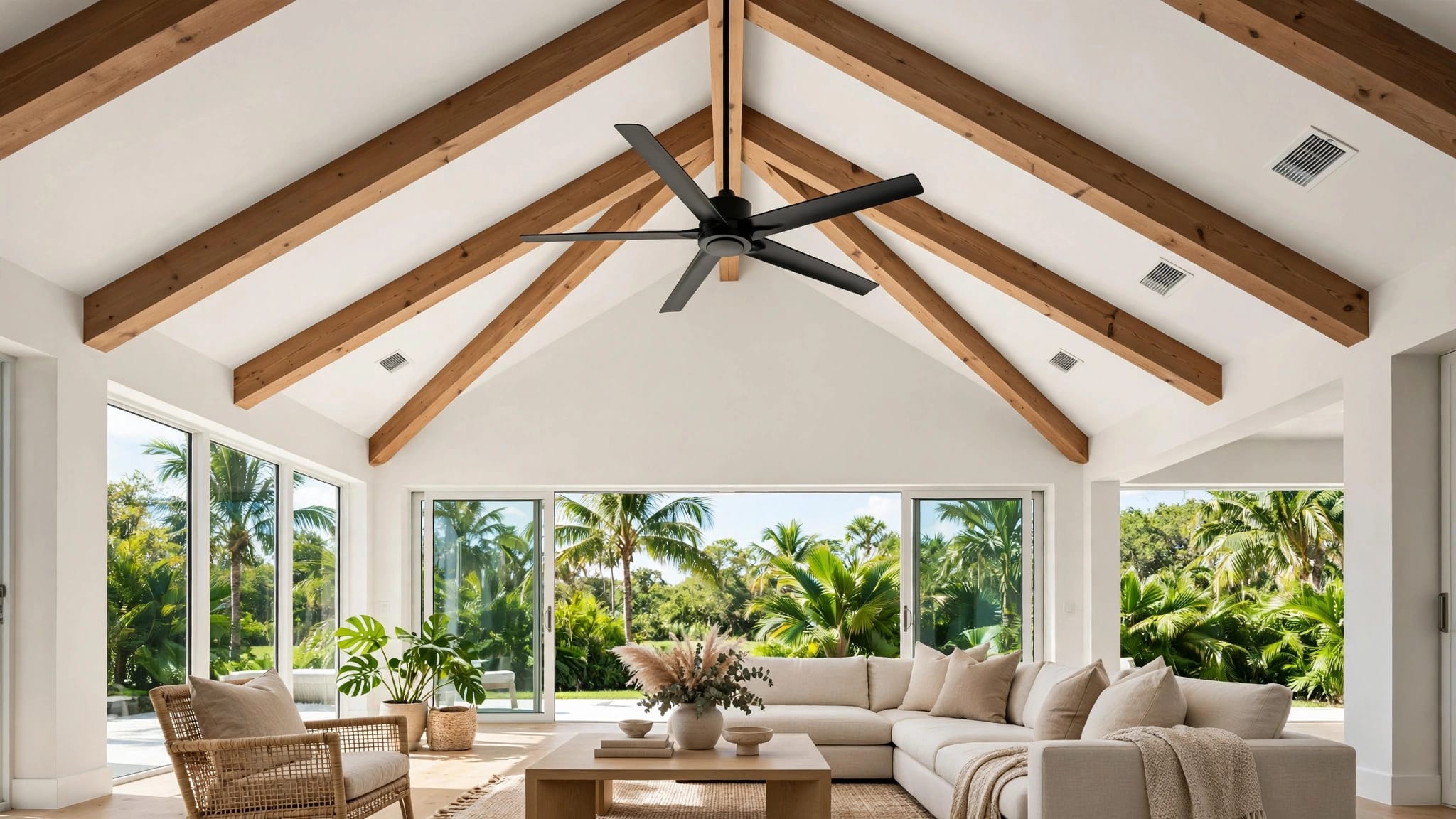
Placement affects that measurement. A thermostat mounted near a sunny window may read warmer than the center of the room. A unit installed above a supply vent may read cooler because conditioned air blows directly across it. Other trouble spots include:
- Walls next to a hot attic or garage
- Areas near lamps, televisions, refrigerators, or other heat-producing equipment
- Hallways with poor air circulation
- Exterior walls with air leaks
- Locations near frequently opened doors
A thermostat may also read warmer if its wall plate has gaps that allow air from inside the wall to reach the sensor. In older homes, that wall cavity can be hotter or cooler than the living space.
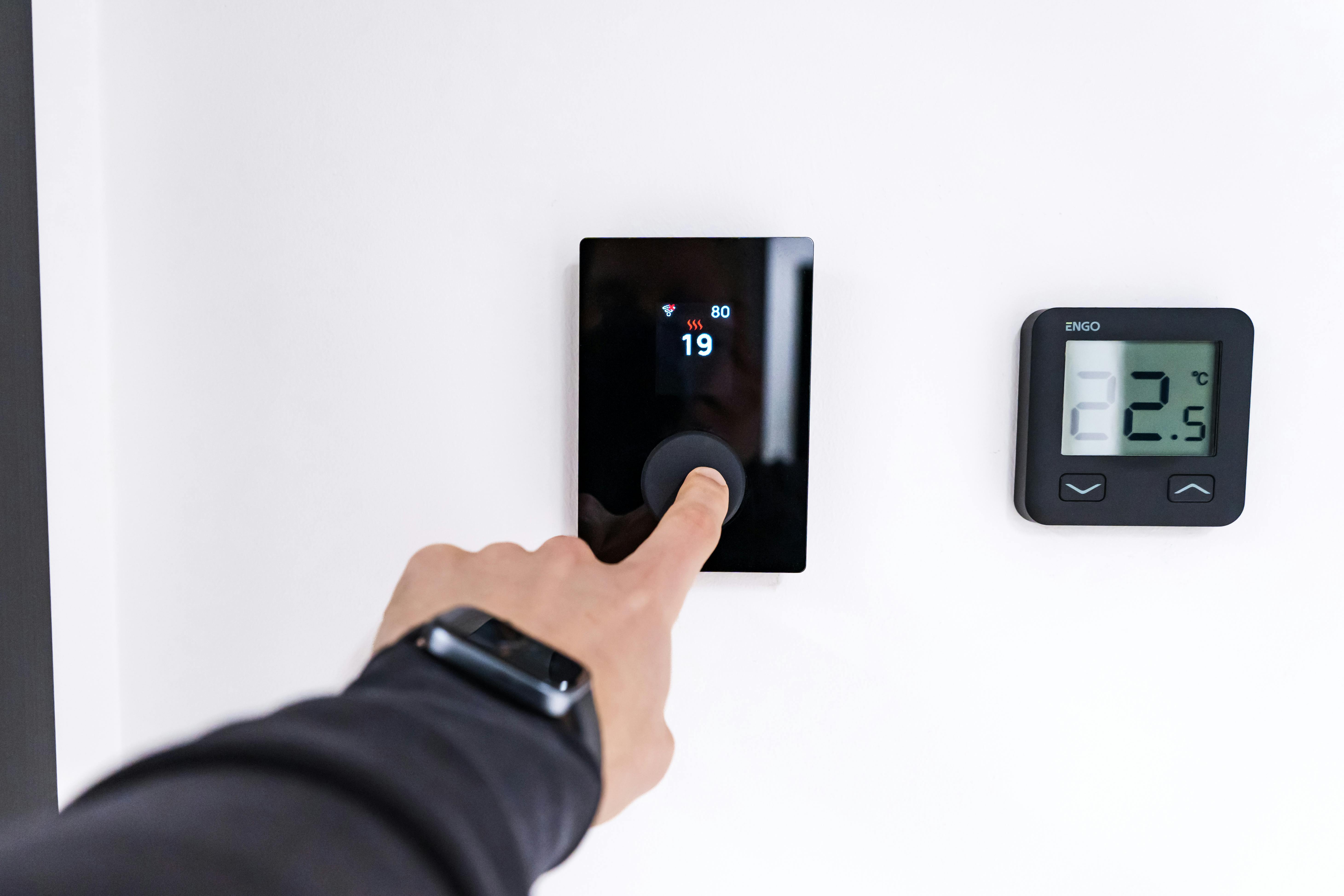
Photo by HUUM sauna heaters
Place a reliable room thermometer beside the thermostat, away from direct sunlight and supply air. Leave both devices alone for 15 to 20 minutes before comparing them. Holding the thermometer in your hand can warm its sensor and produce a misleading result.
If the two readings differ by only one or two degrees, the difference may fall within normal accuracy ranges. A larger, steady difference points to placement, calibration, or a faulty sensor.
Why the Thermostat Display Can Be Inaccurate
A thermostat's sensor can become less accurate with age, damage, or internal failure. Some models also allow a temperature offset, which lets homeowners adjust the displayed reading by a few degrees. If that setting changed accidentally, the thermostat may control the HVAC system based on an incorrect number.
Check the owner's manual or thermostat menu for terms such as "temperature correction," "display adjustment," or "calibration." Don't change the offset until you've compared the thermostat with a separate thermometer. Otherwise, you may correct a problem that doesn't exist.
Weak batteries can create trouble on battery-powered models. A low battery may cause a blank display, delayed response, or inconsistent operation. Replace the batteries with the correct type, then give the thermostat several minutes to restart. If the screen remains dark, see Valor's guide to why a thermostat goes blank.
Smart thermostats add more possible sources of confusion. The screen may use a remote room sensor, average readings from several sensors, or follow a schedule that changes the target temperature. An app can also display a different status than the wall unit if the thermostat has lost its Wi-Fi connection.
Wiring problems can affect how the system responds, but homeowners shouldn't assume that inaccurate readings are safe to fix by tightening wires. A loose low-voltage connection can short a control board, and touching the wrong terminals can damage the equipment.
Dirty surfaces can also affect some older thermostats. Dust may collect around the sensor opening and slow its response. Clean only the outside with a soft, dry cloth. Never spray cleaner into the thermostat or insert tools through the housing.
When the Display Is Correct but the Room Feels Wrong
Sometimes the thermostat reads the air around it accurately while another room stays hot or cold. In that situation, the problem is usually comfort distribution rather than thermostat accuracy.
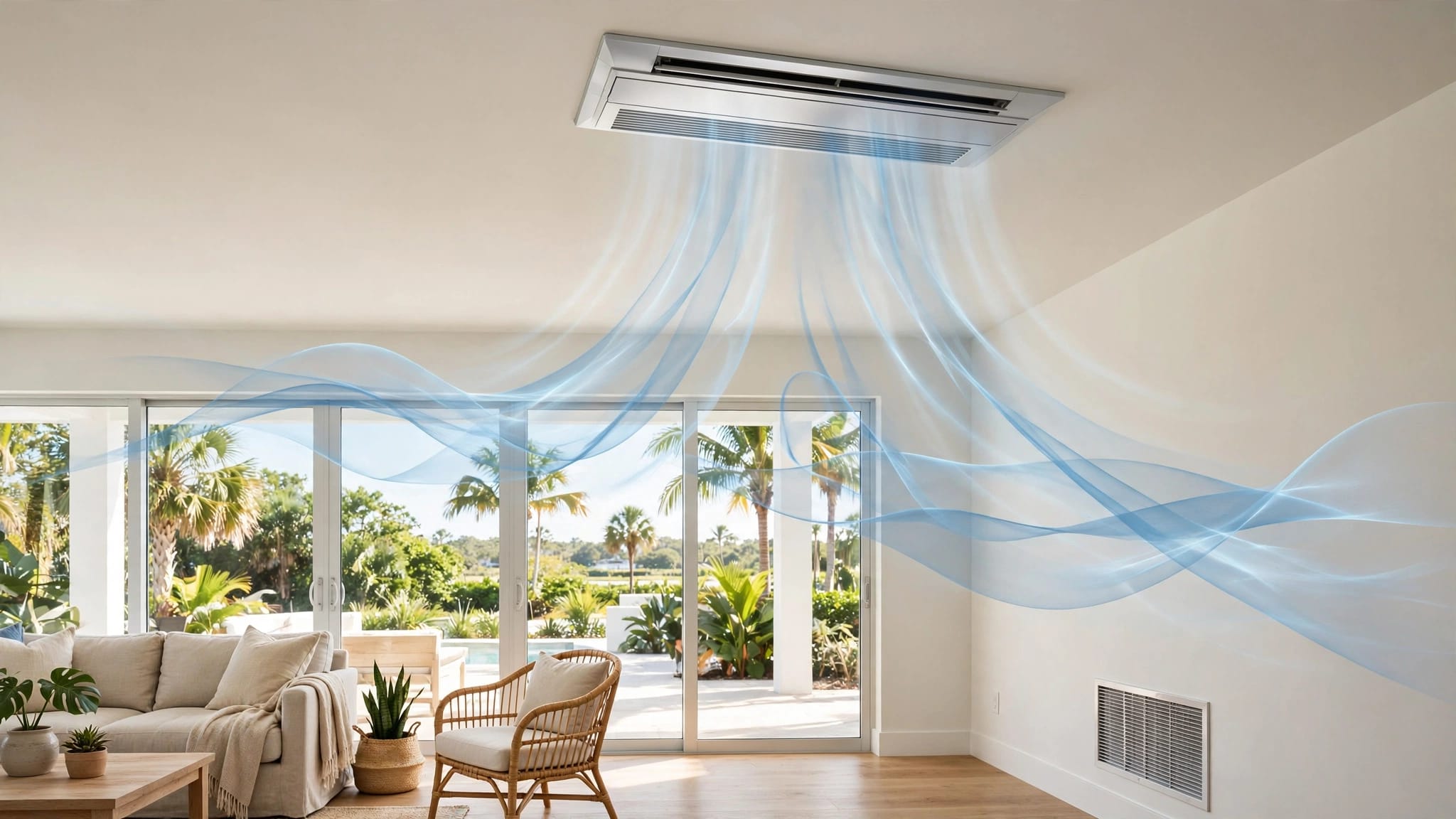
Start with airflow. A clogged filter reduces the amount of conditioned air moving through the home. Closed or blocked supply vents create the same effect in individual rooms. Furniture, curtains, and rugs can restrict return grilles, which prevents the system from pulling room air back to the indoor unit.
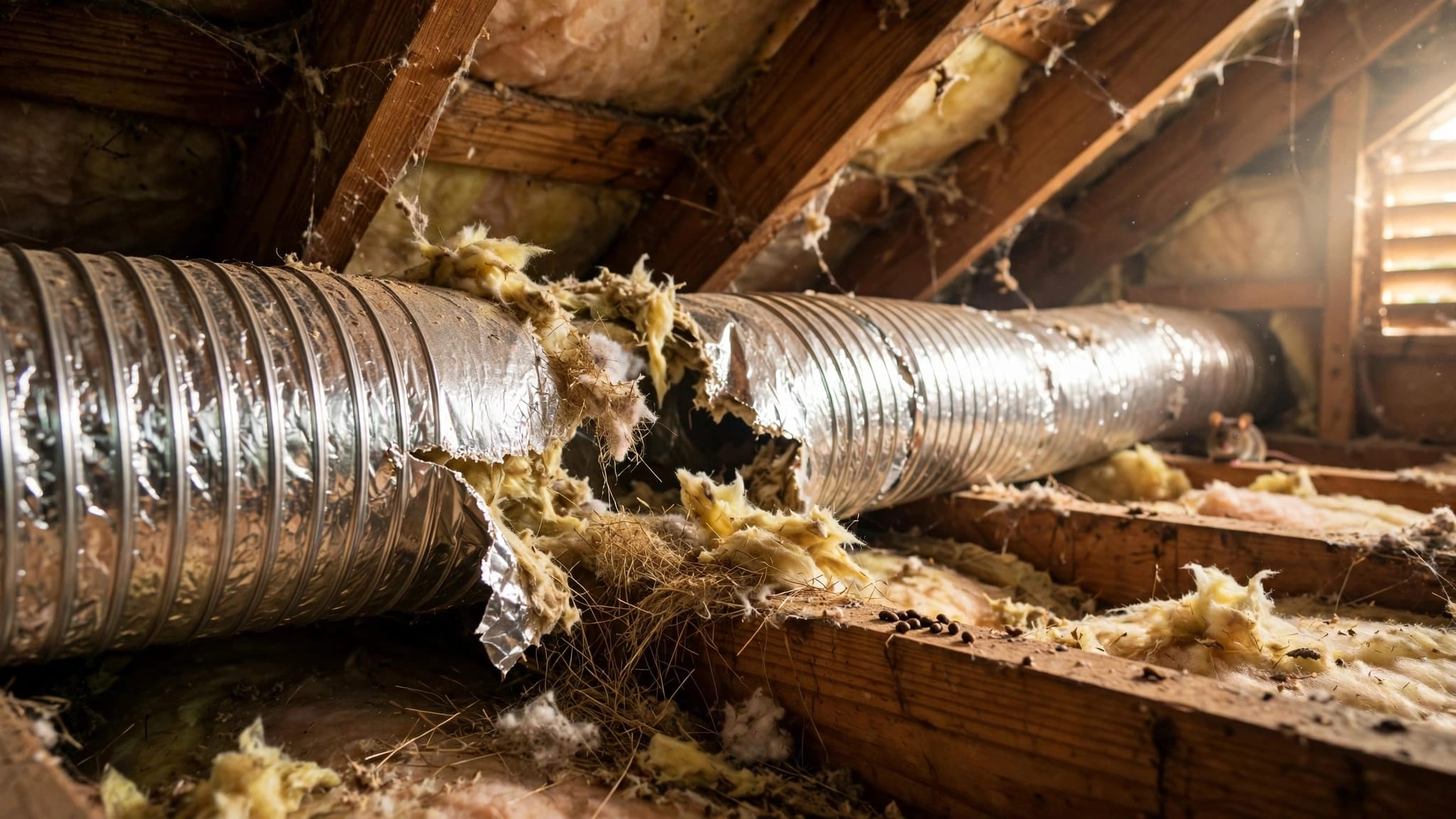
Ductwork is another common source of uneven temperatures. Leaks in attic ducts can waste cooled air before it reaches the rooms. Damaged insulation around the ductwork makes the loss worse, especially during hot Southwest Florida afternoons.
The room itself may also gain more heat than the HVAC system can remove. Large windows, west-facing walls, poor insulation, and a hot attic can create a temperature gap between bedrooms and the hallway where the thermostat sits. A closed bedroom door can make the difference more noticeable because the room receives less return airflow.
Humidity adds another layer. Your thermostat may show a reasonable temperature while the home still feels sticky. In Fort Myers and other Lee County communities, moisture can enter through outdoor air, leaks, oversized equipment, or an air conditioner that doesn't run long enough to remove humidity.
A thermostat cannot solve a duct, insulation, or sizing problem. If the display is accurate but rooms remain uneven, an HVAC technician may need to inspect airflow, static pressure, duct connections, insulation, and system capacity.
Rapid cycling can also point to a control or airflow issue. If the air conditioner turns on and off repeatedly, review the information about thermostat issues and short cycling before assuming the thermostat needs replacement.
How to Troubleshoot an Incorrect Thermostat Reading
Use these steps to narrow down the problem without disturbing the wiring or HVAC equipment.
- Compare the display with a separate thermometer.
Use a dependable indoor thermometer and place it beside the thermostat. Keep both away from sunlight, vents, fans, and appliances. Wait at least 15 minutes before comparing the readings. - Check the thermostat location.
Look for sunlight, drafts, nearby electronics, supply air, or a wall shared with an attic or garage. Don't cover the thermostat with furniture or decorations. If the location is poor, a technician can evaluate whether relocation is practical. - Check batteries and settings.
Replace batteries if the model uses them. Then confirm the system is set to "Cool," the fan setting is appropriate, and the schedule hasn't changed the target temperature. Smart thermostat owners should also check whether a remote sensor is active. - Inspect vents and the air filter.
Make sure supply vents are open and return grilles aren't blocked. Replace a dirty filter with the correct size and rating for your system. A filter should fit securely without bending or collapsing. - Check the calibration or temperature offset.
If the thermostat consistently differs from the separate thermometer, review the manufacturer's instructions. Adjust the offset only within the range allowed by the model. A large correction can hide a failed sensor or placement problem. - Reset the thermostat if the manual allows it.
A reset can clear a temporary software problem, but it may erase schedules and preferences. Write down your settings first. Don't reset a thermostat if water has reached it, the wiring smells hot, or the HVAC system has an electrical problem.
A thermostat reading becomes useful only when you compare it with a thermometer in the same location and under the same conditions.
Before opening a wired thermostat, switch off power at the appropriate HVAC disconnect or circuit breaker. Confirm that the display goes blank, but remember that a blank screen alone doesn't prove every wire is safe. If you aren't comfortable identifying the correct breaker, leave the thermostat closed and call a technician.
Never pull wires out to inspect them, bridge terminals, or work inside the air handler without proper training. Low-voltage wiring can still damage expensive control components, while the equipment may contain higher-voltage connections.
When to Call an HVAC Professional
Call for service when the thermostat remains several degrees off after a proper comparison, the reading changes suddenly, or the system ignores temperature commands. Professional diagnosis is also appropriate when only certain rooms have problems and basic airflow checks don't help.
A technician can test the thermostat sensor, verify wiring, inspect the control board, measure supply and return temperatures, and check airflow. They can also identify duct leaks, insulation gaps, refrigerant problems, or equipment faults that a thermostat adjustment won't fix.
Contact a professional promptly if you notice burning smells, buzzing, melted wiring, water around the indoor unit, repeated breaker trips, ice on refrigerant lines, or an air conditioner that runs continuously. Electrical repairs, refrigerant service, and HVAC equipment repairs require the right tools and training.
If the thermostat is outdated or the home needs a replacement system, you can Schedule an Estimate with Valor Heating & Cooling. A proper estimate should consider comfort complaints, equipment condition, ductwork, insulation, and the thermostat's location rather than focusing on the wall control alone.
Conclusion
A thermostat can show the wrong temperature because its sensor is affected by sunlight, drafts, nearby equipment, or a calibration setting. It can also appear wrong when it accurately measures one area while poor airflow, leaky ducts, insulation gaps, or humidity make another room uncomfortable.
Compare the display with a separate thermometer, check simple settings, and inspect filters and vents. If the difference persists, or if electrical, refrigerant, or equipment symptoms appear, turn off power before opening a wired thermostat and arrange professional service. The right diagnosis starts by separating a bad reading from a home that isn't being conditioned evenly.
Recent Posts