AC Hard Start Kits in Florida: When They Help and When They Don't
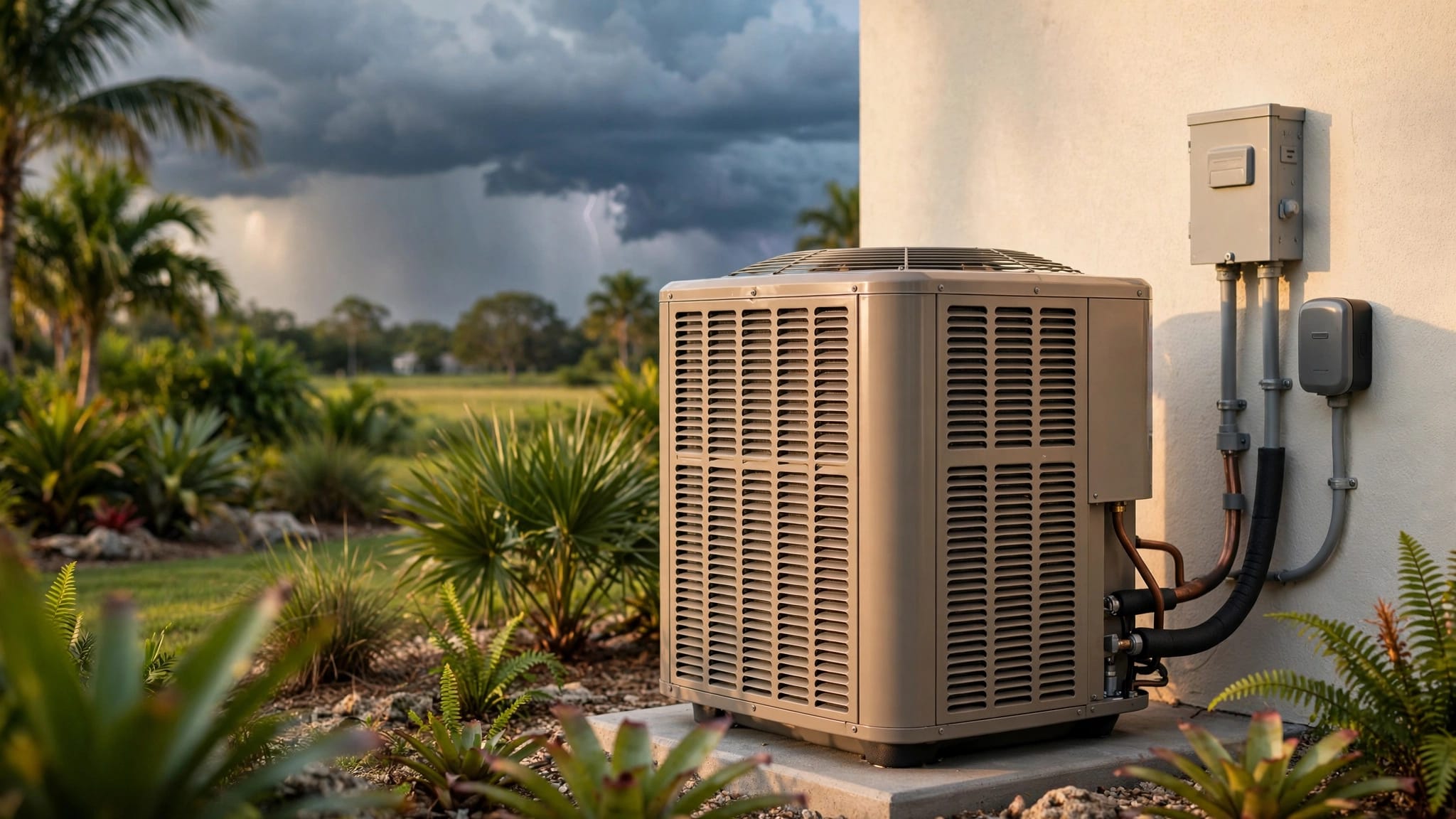
When your air conditioner hums but won't start, a small add-on can sound like an easy fix. An AC hard start kit may help a compatible compressor during startup, but it can't tell you why the compressor struggled in the first place.
In Southwest Florida, losing cooling on a hot afternoon makes a quick answer tempting. The safer answer starts with a diagnosis , because a startup problem can point to electrical trouble, poor airflow, a refrigerant issue, or the compressor itself.
What an AC hard start kit can do
A hard start kit is a startup-assist accessory that an HVAC technician may consider for certain air conditioners. Its job is limited: it can help a compatible compressor start under appropriate conditions. Whether it's suitable depends on the equipment manufacturer's guidance and the condition of the whole system.
It isn't a standard fix for every unit that hums, hesitates, or stops cooling. A compressor that suddenly needs help may have another fault that deserves repair. Adding a kit before finding that fault could leave you with the same breakdown, only harder to explain.
The useful question isn't simply, "Will a kit get it running?" It's, "What did the technician find, and does the manufacturer allow this option for my equipment?"
When a hard start kit may help
A kit is most reasonable when testing points to a startup-assist need, the compressor is otherwise suitable, and the manufacturer permits the accessory. Those conditions need to be established at your unit, not assumed from its age or a noise.
A confirmed startup problem on a compatible system
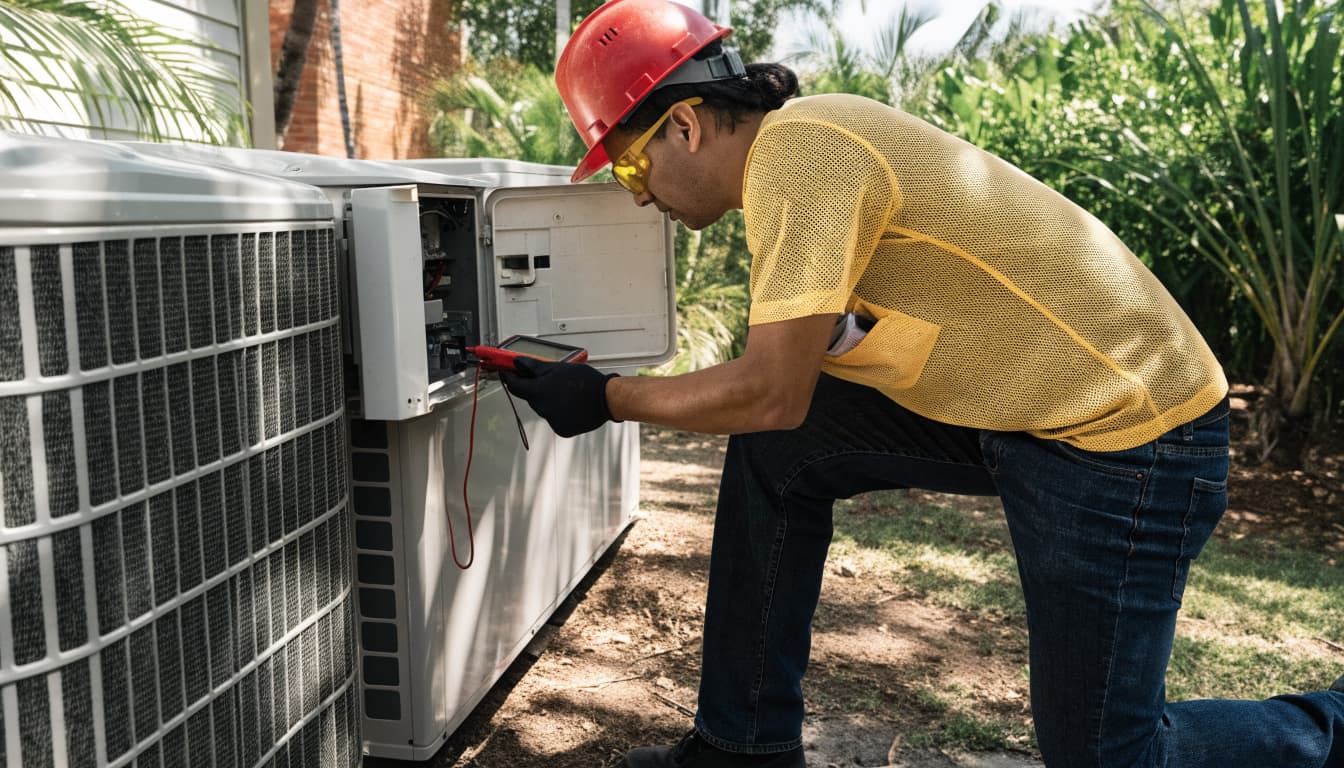
A technician can observe what happens when the thermostat calls for cooling and compare electrical readings with the equipment's specifications. That visit may reveal a compressor that struggles during startup even after other faults have been addressed.
If the compressor's condition and the manufacturer's requirements support a kit, startup assistance may be an appropriate recommendation. Ask what measurements support that decision and how the technician will check the system afterward. A successful start alone doesn't prove the underlying problem is solved.
A repair plan, not a guess
Sometimes a technician finds a worn electrical part and repairs it first. Only then does it make sense to judge whether the compressor still needs startup assistance. That sequence keeps a kit from masking a problem that already has a direct repair.
A loud hum or a compressor that repeatedly fails to start deserves prompt attention. Valor Heating & Cooling's guide to signs of a failing AC compressor describes why those symptoms warrant an inspection rather than another attempt to run the unit.
When a kit won't solve the problem
An AC hard start kit can't repair damaged wiring, correct a refrigerant problem, restore airflow, or make a failed compressor healthy. Startup is one moment in the cooling cycle. Trouble elsewhere in that cycle needs its own diagnosis.
Electrical faults need electrical repairs
A weak capacitor, loose connection, or worn contact point can cause startup trouble. Breaker trips may also point to an electrical problem that needs immediate attention. A technician should identify and correct the fault rather than add another part on the assumption that the compressor needs help.
Don't keep resetting a breaker that trips when the AC runs. Repeated trips are a warning, not a normal part of cooling a Florida home. Stop trying to run the system and arrange service.
Cooling and cycling problems have other causes
If the outdoor unit starts but your rooms stay warm, the problem may involve airflow, refrigerant, or another part of the cooling system. Likewise, a unit that starts and stops within minutes needs a different line of investigation than one that struggles to start.
Valor's explanation of air conditioner short cycling covers this distinction. Frequent starts and stops aren't normal operation, and a hard start kit shouldn't be treated as their default solution.
Why Florida conditions make diagnosis important
Fort Myers and nearby communities depend on air conditioning for much of the year. A system that runs often gives small problems plenty of chances to show up, while a loss of cooling can make a house uncomfortable quickly.
Heavy use doesn't explain away hard starts
Regular operation and repeated difficulty starting are different things. If the outdoor unit hums without starting, begins tripping a breaker, or develops a new noise, don't dismiss it as typical summer strain. Those changes call for a check, even if the air conditioner cooled well yesterday.
Mention when the symptom began and whether it happens every time or only occasionally. That history helps a technician investigate, but it can't replace electrical and system testing.
Maintenance can reveal related faults
A tune-up gives a technician a chance to examine parts that affect operation before the AC stops on a hot day. Valor's description of what an AC tune-up includes notes electrical checks for loose wiring, weak capacitors, and worn contact points.
Maintenance can't guarantee a compressor won't fail. It can, however, identify a problem that might otherwise be mistaken for a need for startup assistance.
What a professional should check first
A good recommendation follows the symptoms and the equipment, rather than a blanket rule about older air conditioners. The technician needs to establish what happens during an attempted start and whether the unit has other problems affecting its operation.
Separate the symptom from the cause
Tell the technician exactly what you've noticed: a hum outside, warm air indoors, a breaker trip, or cooling that cuts out soon after it begins. These details point to different checks. For example, a unit that never starts presents a different problem than one that starts normally but fails to cool.
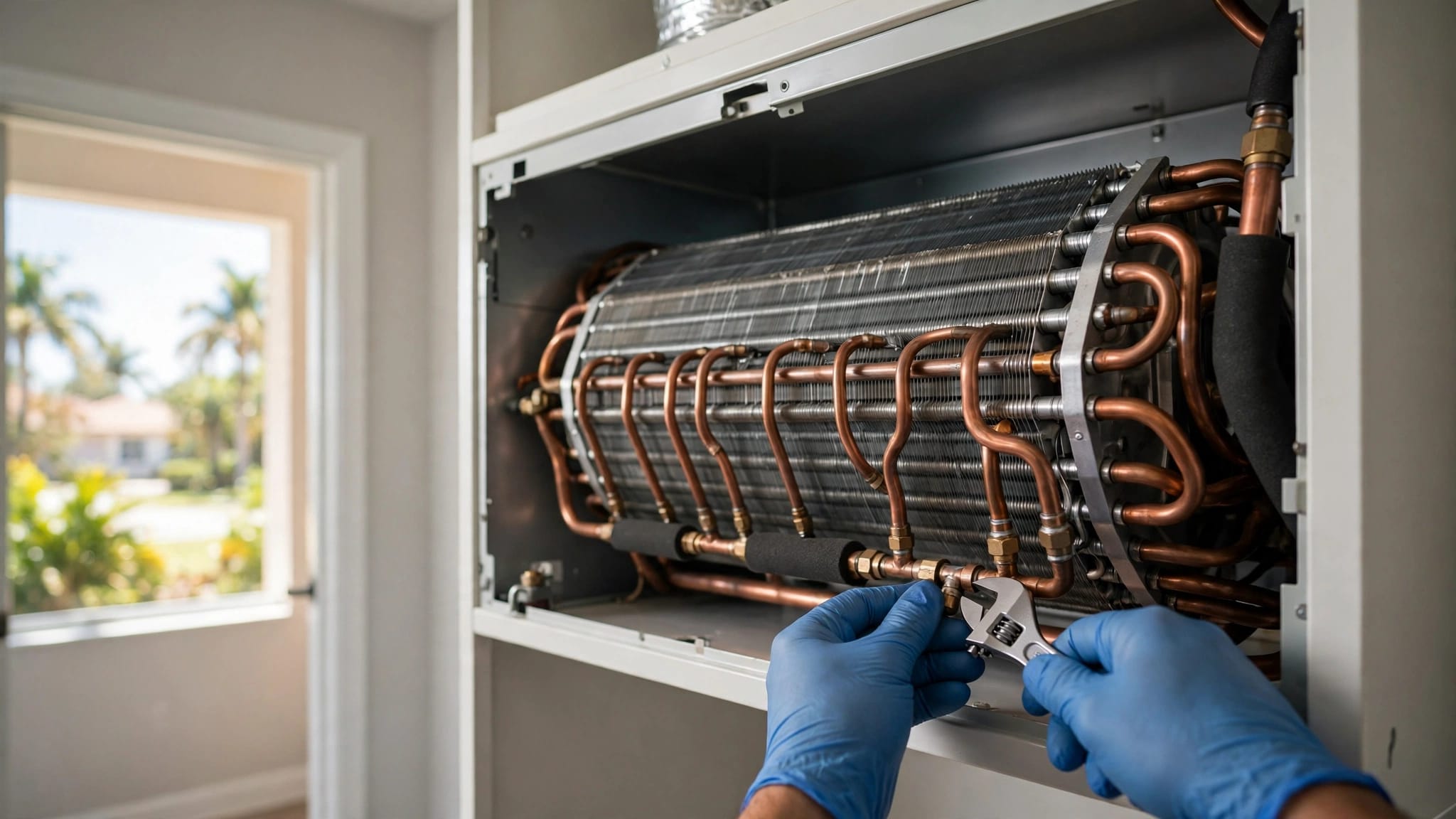
During an HVAC repair and inspection, a technician can assess the relevant electrical parts and the system's operating condition. Depending on the symptoms, that may include airflow and refrigerant checks. The findings should explain the proposed repair.
Confirm equipment compatibility
The manufacturer's requirements matter as much as the symptom. A technician should verify that a particular accessory is permitted for the equipment and appropriate for its present condition. That decision can't be made reliably from a photo of the outdoor cabinet or a general description of the noise.
If the compressor shows signs of serious internal trouble, ask whether the proposed kit addresses anything lasting. A candid answer may be that the system needs a different repair or a replacement discussion. A kit shouldn't be sold as a way to make an unhealthy compressor dependable.
Questions to ask before approving a kit
You don't need to understand every electrical reading to ask for a clear explanation. A technician should be able to connect the recommendation to your symptoms, test results, and equipment.
These questions keep the conversation focused on the proposed repair.
| Ask the technician | Why it matters |
|---|---|
| What caused the startup trouble? | The symptom alone doesn't identify the failed part. |
| What did you test before recommending a kit? | Other electrical and system faults may need repair. |
| Does the manufacturer permit it for this unit? | Compatibility depends on the equipment. |
| What will you check after the work? | The system should start and operate as expected. |
The answers should leave you knowing what the kit is expected to help and what it won't address. If another repair is needed first, ask for that work to be explained separately. A clear estimate should distinguish a confirmed repair from an optional recommendation.
What homeowners can safely do
You can collect useful clues without opening the air conditioner. Note when the trouble happens, what the thermostat displays, whether the indoor fan runs, and whether the outdoor unit makes an unusual sound. Share those observations when you request service.
Keep electrical testing off your to-do list
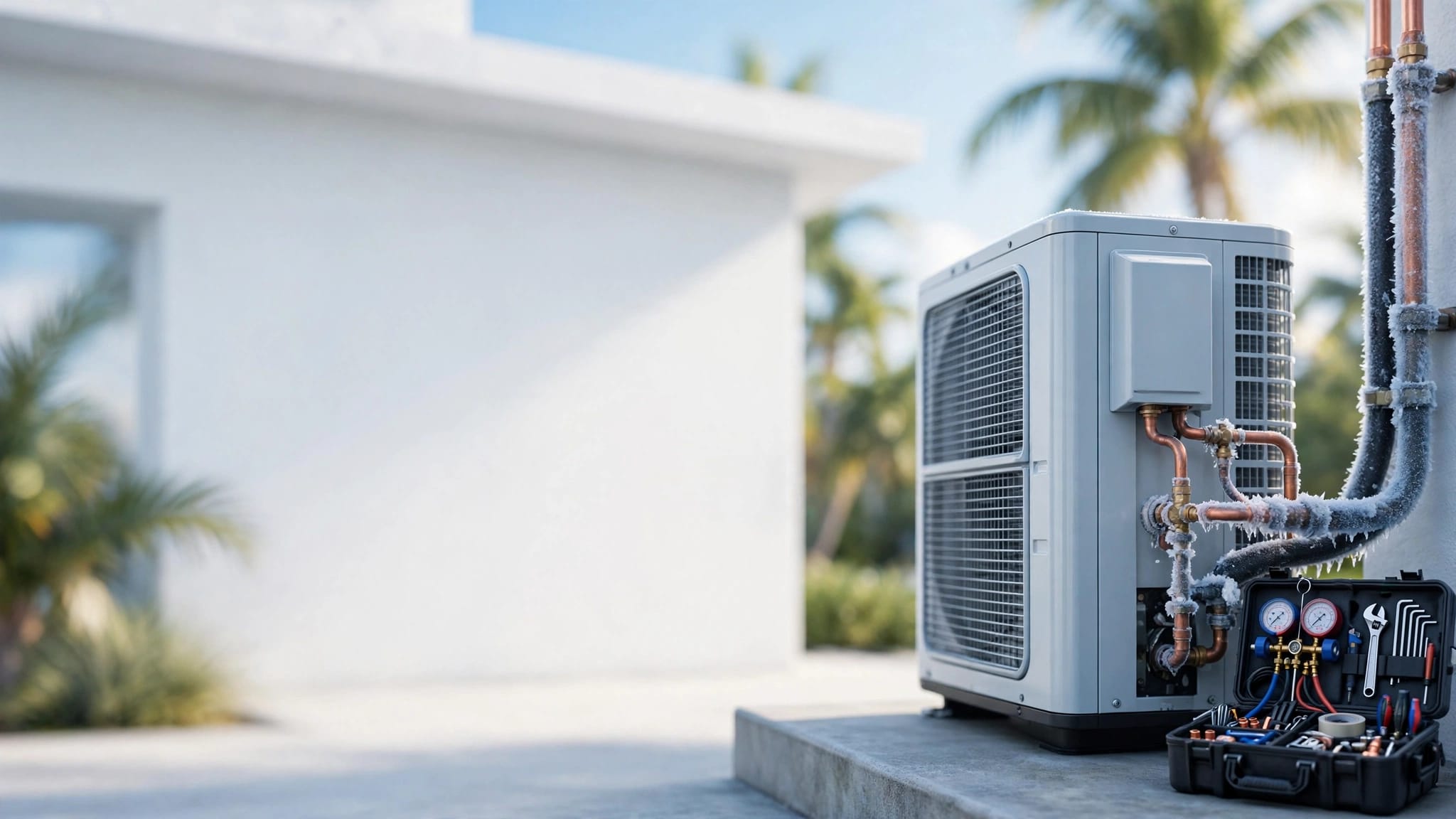
Don't install or test a hard start kit yourself. Air-conditioner electrical components can retain dangerous voltage, even after power has been turned off. Testing or replacing parts inside the unit belongs to a qualified HVAC professional.
If the breaker trips repeatedly or you notice a burning smell, stop trying to run the AC and call for service. Don't remove panels to look for the cause. That risk isn't worth taking to get through one more cooling cycle.
Stick to accessible checks
You can confirm that the thermostat is set to cool and check whether the filter needs replacement. Keep the outdoor unit's surrounding area clear, without removing its panels or reaching inside. These steps don't diagnose a compressor, but they give the technician a better picture of the system's condition.
For a fuller boundary between routine upkeep and service work, see AC maintenance tasks homeowners can do safely. If the unit still struggles, arrange a professional visit rather than trying another reset.
Key takeaways
- An AC hard start kit may assist a compatible compressor, but only after a technician establishes that it's appropriate.
- Humming, breaker trips, weak cooling, and short cycling don't all point to the same repair.
- Manufacturer guidance and the system's condition determine whether a kit belongs in the repair plan.
- Homeowners can report symptoms and make accessible checks, but electrical testing and installation require a professional.
Frequently asked questions
Does every older air conditioner need a hard start kit?
No. Age alone doesn't establish a need for startup assistance. An older unit may start normally, while another may struggle because of a repairable fault. The technician should evaluate the symptom, test the system, and check manufacturer guidance before recommending a kit.
Will a kit fix an AC that hums but won't start?
It might be considered after diagnosis, but humming doesn't identify the cause. Electrical parts, wiring, and the compressor all need appropriate evaluation. If the unit won't start, stop repeated attempts and request service rather than assuming a kit is the answer.
Can a kit fix short cycling or poor cooling?
Don't count on it. Starting and stopping within minutes calls for an investigation into the system's operation. Poor cooling can also have causes unrelated to compressor startup. In either case, the repair should follow the findings, not the symptom alone.
Should I install one before Florida's hottest weather?
There's no reason to add a kit to every working air conditioner as a precaution. If you're concerned about a new startup noise or an unreliable start, schedule an inspection. That gives you a basis for deciding whether the unit needs maintenance, a repair, or compatible startup assistance.
The right fix starts with the right diagnosis
A humming air conditioner needs an explanation before it needs an add-on. A hard start kit can help in the right circumstances, but it can't stand in for repairing the problem that made startup difficult.
If your AC is struggling to start in Fort Myers or the surrounding area, Schedule an Estimate with Valor Heating & Cooling. A professional diagnosis gives you a sound basis for the next repair.
Recent Posts