Why Your AC Keeps Short Cycling in Fort Myers

Valor HVAC • May 19, 2026

Share this article

If your AC keeps turning on and off in Fort Myers, the problem is more than a small annoyance. Short cycling can leave your home warm, sticky, and harder to cool, even while the system runs more often.

That kind of stop-and-start behavior also drives up energy use and puts stress on the compressor. In Southwest Florida, where cooling season feels endless, that wear adds up fast.

A few causes are simple to check safely. Others need a trained technician, especially when refrigerant or electrical parts are involved.

Why short cycling feels different in Fort Myers

Short cycling means the air conditioner starts, runs for a short time, then shuts off before it finishes the job. A healthy system should run long enough to cool the air and pull moisture out of it.

In Fort Myers, that matters a lot. Hot afternoons and thick humidity can make a house feel uncomfortable even when the thermostat says the temperature is close enough. If the AC shuts off too soon, the air may cool a little but still feel damp and heavy.

That is why short cycling often shows up as more than a comfort problem. Rooms may feel uneven, the thermostat may never settle, and the electric bill can rise because the system keeps using power to restart.

Sometimes the cause is simple. Sometimes it points to a deeper issue that needs repair before it gets worse.

Common causes of AC short cycling

A short cycle rarely has one neat explanation. More often, the system is reacting to a restriction, a bad reading, or a worn part that keeps the unit from running normally.

Dirty filters and blocked airflow

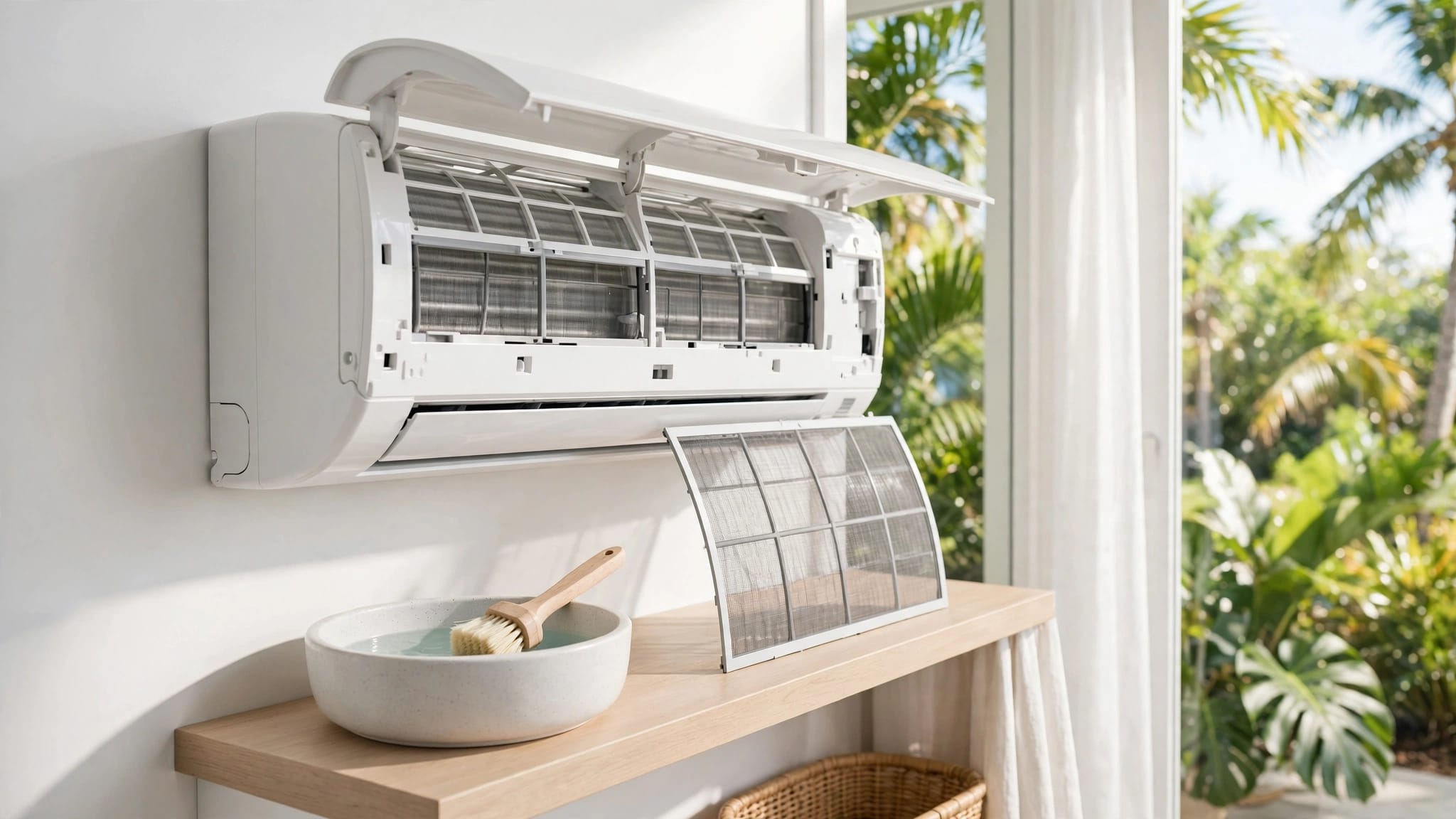
A clogged air filter can choke the system. When air cannot move through the coil and ductwork the way it should, the AC may overheat or shut down early to protect itself.

Closed vents can add to the problem. So can furniture pushed in front of return grilles or a buildup of dust around the intake. The system needs steady airflow, and it cannot do its job if the air path is cramped.

If your unit has not been checked in a while, routine HVAC maintenance and tune-up services can help catch airflow problems before they turn into bigger repairs.

Thermostat problems

A thermostat can cause short cycling when it reads the room wrong or sits in a bad spot. Direct sunlight, a nearby lamp, or a supply vent blowing on it can trick it into thinking the house is cooler than it really is.

Loose wiring behind the thermostat can also create false signals. That is not something to open up on your own unless you know exactly what you are doing.

Sometimes the fix is as simple as a setting change. Other times, the thermostat needs replacement or a wiring check.

Frozen coils or low refrigerant

If the evaporator coil freezes, the system may shut down quickly or struggle to keep running. Low refrigerant can also lead to icing, weak cooling, and short run times.

This is where homeowners should stop. Refrigerant problems are not a DIY repair, and neither are sealed-system issues. Those need proper tools, testing, and handling.

Electrical trouble or a failing compressor

A weak capacitor, worn contactor, bad relay, or failing compressor can all cause quick on-off cycles. The system may start, hesitate, and shut down before it gets into a normal pattern.

That kind of failure usually gets worse, not better. It can also create repeated strain on the hardest working part of the unit, the compressor .

Repeated short cycling rarely fixes itself, and every failed start puts more stress on the system.

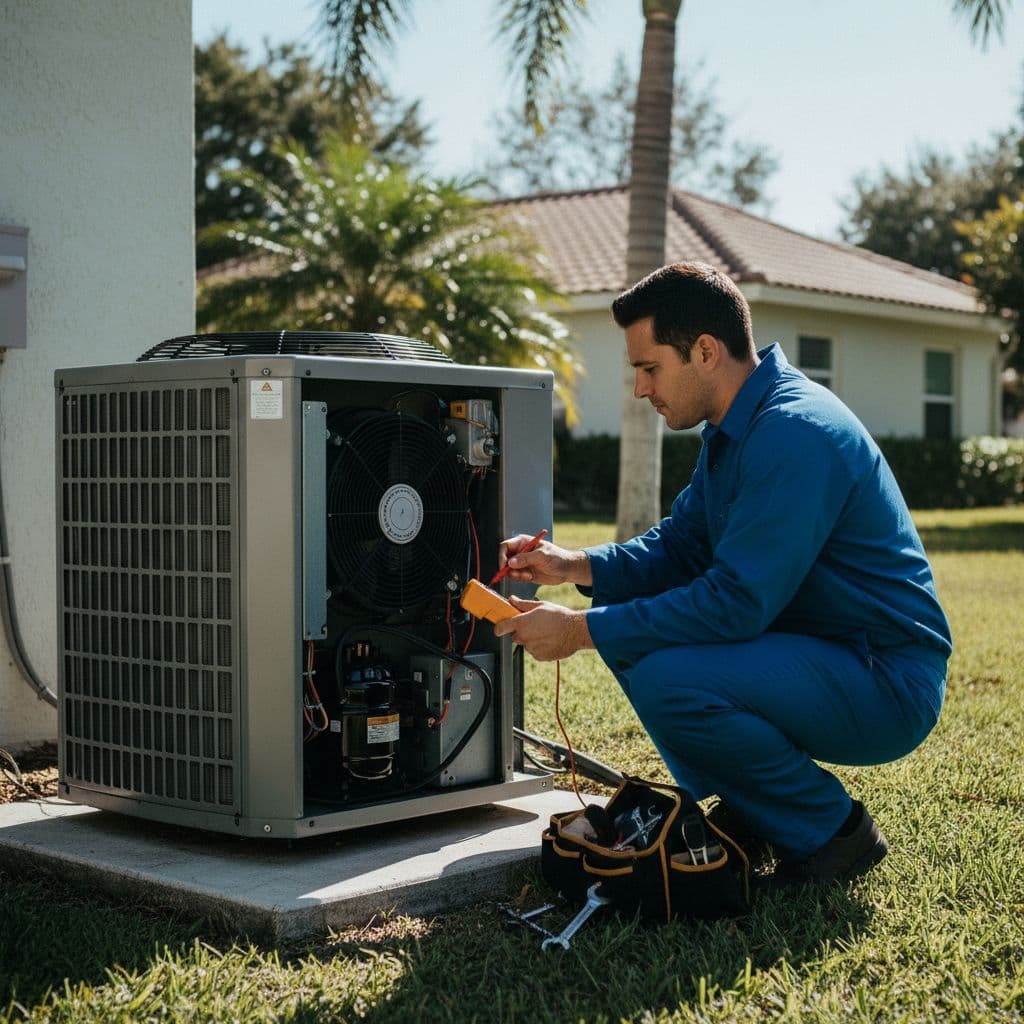
If the system keeps shutting off and restarting, a professional HVAC repair and inspection is the safest next step.

Safe checks you can do before calling for help

A few basic checks can rule out simple causes without putting you at risk. Keep the work simple and stay away from the panels.

  • Check the thermostat mode and temperature. Set it to cool, keep the fan on auto, and lower the setpoint a few degrees below the room temperature.
  • Replace a dirty air filter. If the filter looks gray, dusty, or bent, swap it out.
  • Open closed supply vents and clear return grilles. Make sure furniture, rugs, or curtains are not blocking airflow.
  • Check the breaker once. If it has tripped, reset it one time. If it trips again, stop there.

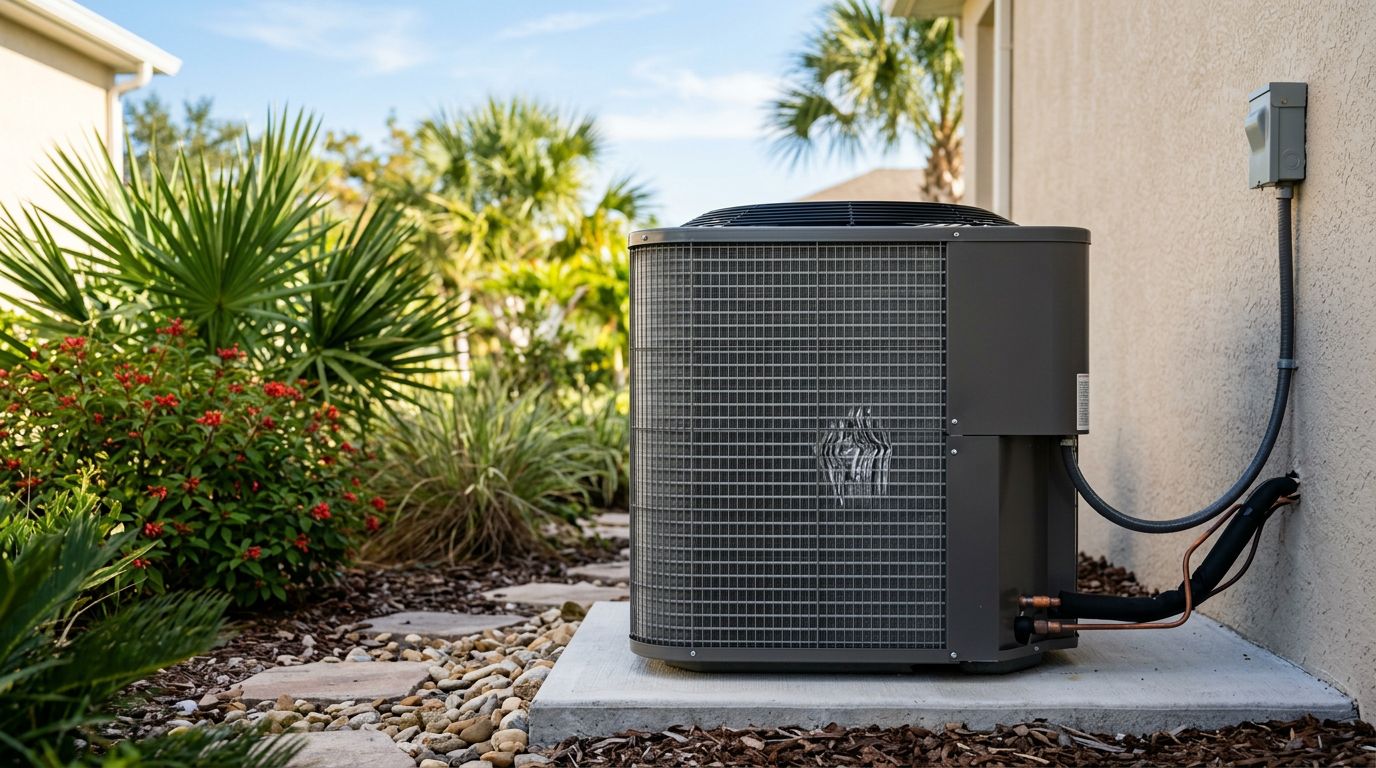
If those steps do not help, the issue is probably deeper than a simple setting or filter problem. Do not open the electrical compartment, handle refrigerant lines, or poke around inside the outdoor unit.

Why Fort Myers heat and humidity make the problem worse

Short cycling is rough anywhere, but Fort Myers makes it more frustrating. The AC has a long job here, because it has to fight heat, humidity, and long daily run times for much of the year.

When the system shuts off early, it does not run long enough to remove enough moisture. That leaves the air feeling muggy, even if the temperature drops a little. The home may seem fine for a few minutes, then become sticky again.

The restart pattern also wastes energy. Starting up takes a lot of power, so frequent starts can push utility costs higher than they should be. At the same time, the extra cycling adds wear to the motor, capacitor, and compressor.

That is one reason regular upkeep matters. A system that gets checked, cleaned, and adjusted on a schedule is less likely to stumble into short cycling in the first place.

When short cycling needs professional HVAC repair

A short cycling AC should get attention soon if it keeps happening after the easy checks. The longer it runs this way, the more likely it is that a small fault turns into a larger repair.

Watch for signs like ice on the indoor coil, warm air from the vents, breaker trips, burning smells, or a unit that starts and stops within minutes. Those clues point to airflow trouble, electrical trouble, or a sealed-system issue.

A trained tech can test the system safely and find the root cause. That is where professional HVAC repair and inspection makes the difference, because the fix should match the actual problem, not a guess.

If you want a local tech to take a look, Schedule an Estimate before the problem puts more wear on the system. In many cases, a quick diagnosis saves time, money, and frustration later.

Conclusion

When an AC keeps short cycling in Fort Myers, the issue usually ties back to airflow, thermostat trouble, refrigerant loss, or a failing electrical part. Each one can hurt comfort, push humidity higher, and raise energy costs.

The safe first steps are simple. Check the thermostat, replace a dirty filter, clear vents, and verify the breaker.

If the system still turns on and off frequently, schedule professional AC service. That is the fastest way to protect the compressor and get your home cooling the way it should.

Recent Posts

By Valor HVAC July 14, 2026
A new air conditioner in Fort Myers can cost several thousand dollars, but the final price depends on more than the equipment sitting outside your home. A standard central AC replacement often falls between $6,000 and $14,500 fully installed in 2026. Equipment-only prices can...
By Valor HVAC July 13, 2026
An outdoor air conditioner needs room to breathe, but the exact space depends on the unit, its installation manual, and the layout around it. Too little clearance can restrict airflow, raise operating costs, and make repairs harder. For Southwest Florida homeowners, placement...
By Valor HVAC July 12, 2026
An outdoor air conditioner should sit level on a stable pad. When the condenser starts sinking, tilting, or disappearing into the soil, the problem usually involves the ground beneath it rather than the equipment itself. AC unit sinking can strain refrigerant lines, electrical...
By Valor HVAC July 11, 2026
A straightforward air conditioning replacement in Fort Myers often takes four to eight hours, but larger projects can require a full day or several visits. The exact schedule depends on your home's layout, the system you choose, ductwork condition, electrical requirements, and...
By Valor HVAC July 10, 2026
Replacing a central air conditioner often starts with a simple question: can you keep part of the old system and pair it with a different brand? In most cases, mixing AC brands isn't the best replacement strategy . A properly matched, AHRI-certified indoor and outdoor system u...
By Valor HVAC July 9, 2026
Black dust around AC vents is easy to brush off at first. Then it starts showing up on ceilings, walls, and fresh paint, and the pattern gets hard to ignore. In Fort Myers, this problem often shows up sooner because air conditioners run for long stretches, humidity stays high,...
By Valor HVAC July 8, 2026
Should you upgrade attic insulation before replacing AC? In many Southwest Florida homes, the answer is yes, or at least you should evaluate the attic first. Better insulation and air sealing can lower the cooling load, which keeps a new system from being sized for a house tha...
By Valor HVAC July 7, 2026
Leaving a Florida home empty changes the thermostat question fast. The goal is not to keep the house cold, it's to keep it dry enough to avoid mold, mildew, and that stale smell that shows up after a few hot weeks. For most homes, the right Florida thermostat setting when you'...
By Valor HVAC July 6, 2026
A new AC can still run poorly if the refrigerant lines behind it are the wrong size, damaged, or dirty. Sometimes the old line set can stay, but replacement is often the smarter choice when the copper is old, leaking, contaminated, or not a match for the new equipment. That ma...
By Valor HVAC July 5, 2026
A new AC doesn't always need a new thermostat, but skipping the check can cause trouble fast. If the control and the equipment don't match, you may end up with uneven cooling, short cycling, or a system that never feels quite right. In Southwest Florida, your thermostat gets a...
Show More