How to Choose an AC Surge Protector for a Fort Myers Home
A thunderstorm can pass in minutes, yet your air conditioner may keep running for hours afterward. In Fort Myers, choosing an AC surge protector is a practical way to reduce the risk that a voltage spike damages expensive electrical parts. It isn't a guarantee , and the right device depends on your equipment and where it's installed.
Start by deciding which equipment you want to protect. Then have a licensed electrician verify the electrical details before you buy.
Why Fort Myers AC Systems Need a Closer Look
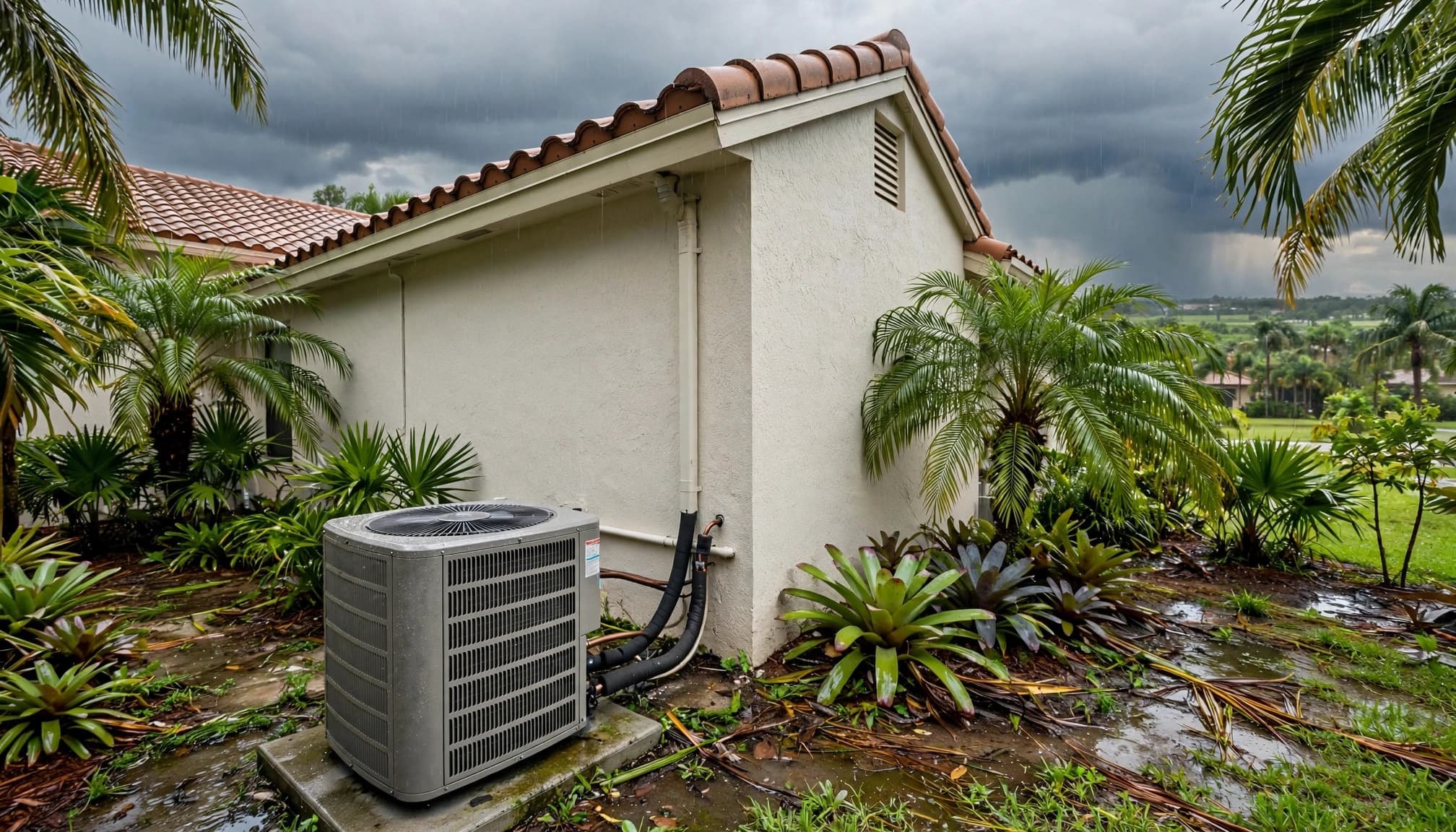
Lightning and severe storms are familiar concerns in Southwest Florida. A nearby lightning event or a power interruption can send a voltage spike through a home's electrical system. That spike may reach an air conditioner's controls even when the outdoor unit looks untouched.
Surges can damage circuit boards, capacitors, contactors, and other electrical components. An outdoor condenser also faces hazards that a surge protector cannot address: windblown debris, rising water, and physical damage. That's why electrical protection belongs alongside sensible hurricane preparation for your air conditioner, not in place of it.
A protector gives excess electrical energy a path away from connected equipment when it operates as designed. It cannot make a flooded condenser safe to restart or prevent every possible failure after a storm.
Whole-Home Protection and HVAC-Specific Protection
Both options can be useful, but they protect different points in your electrical system. The choice depends on your home's panel, your AC circuit, and the equipment you want to cover.
What a whole-home device does
A whole-home surge protective device is installed at or near the main electrical panel. It helps limit surges entering the home's wiring, so its scope extends beyond the air conditioner. That matters if you're also concerned about appliances and other connected electronics.
"Whole-home" does not mean every device is immune to damage. A surge can take different paths through wiring, and no single protector can stop every event. An electrician can assess the panel and explain what the proposed installation would cover.
What an HVAC-specific device does
An HVAC-specific protector is typically placed on the circuit serving the air conditioner, often near the outdoor disconnect. Its focus is the connected HVAC equipment, not every circuit in the house.
Some homeowners choose both approaches: protection at the panel and another device closer to the AC. Whether that arrangement makes sense depends on the existing equipment and how the devices will be installed. Ask the electrician to explain each device's job before agreeing to two.
Check Compatibility Before Comparing Products
A package that says "air conditioner" is not enough to establish a match. The installer needs to check the actual system and its electrical supply.
Match the device to the equipment
Have a licensed electrician review the AC nameplate, circuit, disconnect, grounding, and connections. Those details determine whether a proposed protector is suitable and where it can be connected. A newer system may have different electrical requirements than the unit it replaced, even if it sits in the same spot.
This matters during replacement projects. An existing breaker or disconnect should not be assumed correct simply because the old AC ran on it. The same electrical checks for a new AC system can help identify issues before a protector is added.
Account for every part of the system
Many homes have an outdoor condenser and an indoor air handler. Depending on the setup, they may have separate electrical connections. A device installed at the outdoor disconnect should not automatically be described as protection for every indoor component.
Tell the electrician whether you're concerned about the condenser alone or the entire HVAC system. Ask which equipment the proposed installation covers, including any indoor controls. That conversation is more useful than choosing a product by its package description.
Read Surge Ratings in Context
An AC surge protector may display several electrical ratings. The numbers matter, but a larger number on the box does not settle the choice.
Look at operating and protection ratings
The device must suit the voltage and electrical configuration where it's installed. Its maximum continuous operating voltage, often called MCOV , relates to the voltage it can remain connected to during normal operation. A voltage protection rating, or VPR , describes a tested measure of how much voltage can remain during a surge.
Neither figure should be judged alone. A lower printed VPR is not a reason to ignore compatibility or installation instructions. Ask the electrician to compare the proposed device's ratings with your actual circuit and explain the selection in plain language.
Don't treat capacity as a damage guarantee
You may also see a surge-current capacity expressed in kiloamps. It describes a device rating, not the size of a future storm or a promise that your AC will survive one. Products can present ratings differently, which makes a single headline number a poor basis for comparison.
Request the exact product information with the estimate. If two options cost differently, ask what changes: the electrical ratings, installation location, replaceable parts, warranty terms, or something else. A clear answer should connect the device to your system rather than relying on the biggest number printed on the package.
Choose an Installation Location That Fits the System
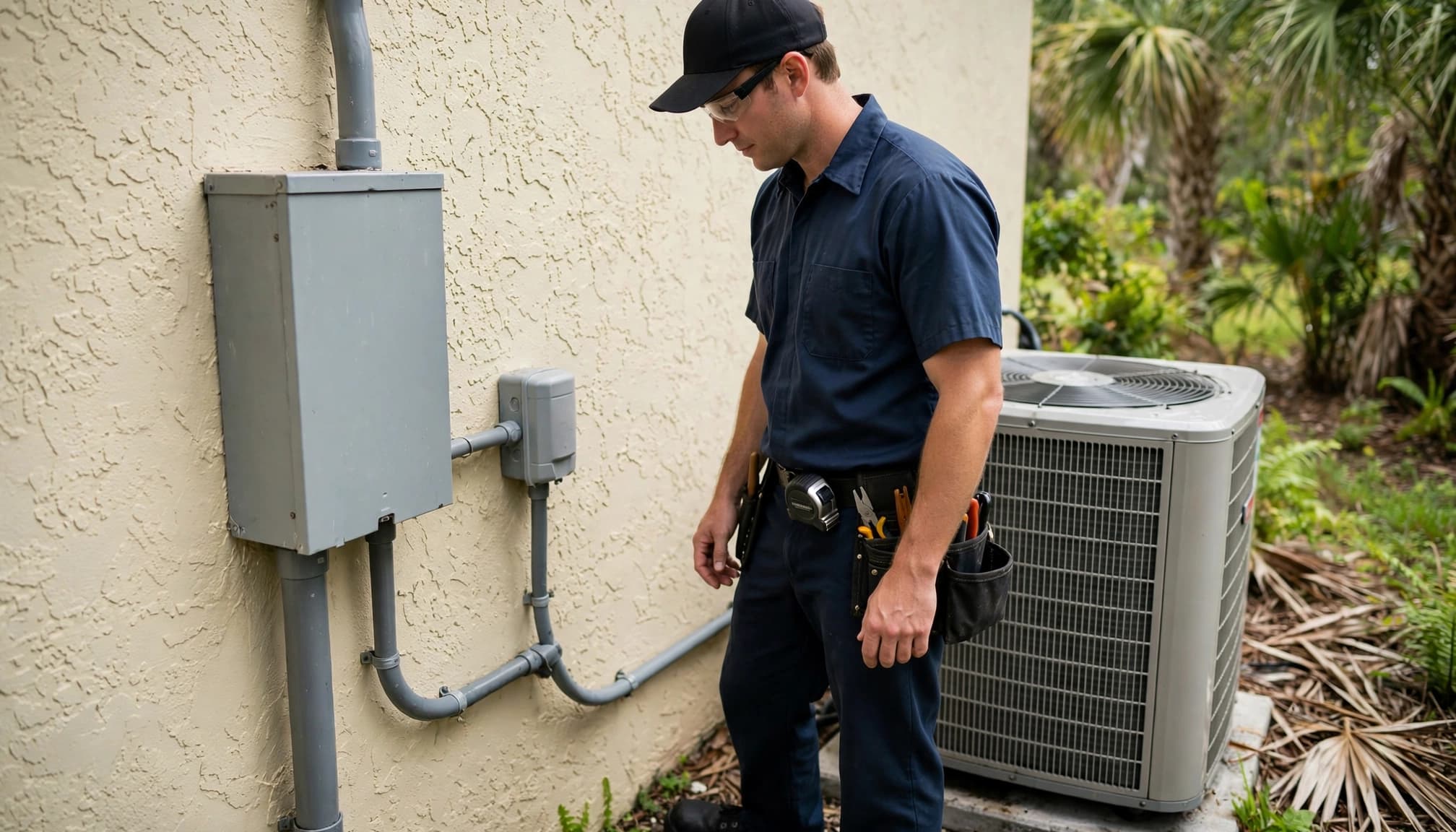
Location affects what a protector is connected to and how it must be installed. It also affects access for inspection or replacement later.
At the panel or near the outdoor unit
A whole-home device belongs at the electrical service or panel in a configuration approved for that installation. An HVAC-specific device may be installed near the outdoor disconnect if the equipment and device instructions allow it. Neither location is a universal answer for every Fort Myers home.
Outdoor placement calls for attention to the device's permitted environment and mounting instructions. The electrician should also check the disconnect and grounding connections rather than treating the protector as an isolated add-on.
Leave the electrical work to a professional
Installing a surge protector involves electrical connections, not a plug-in accessory. Don't open the AC cabinet, disconnect, or panel to check whether a device will fit. A licensed electrician should verify equipment compatibility and applicable local code requirements.
If your AC is due for service, ask about the condition of its existing electrical components too. A professional AC tune-up may uncover loose connections or worn parts that a surge protector will not repair.
Examine the Warranty Before You Decide
A warranty can be useful, but the headline coverage figure rarely tells the whole story. Read the manufacturer's terms for both the protector and any claimed coverage for connected equipment.
Check what must be installed, who must install it, and whether registration is required. Look for exclusions, claim deadlines, documentation requirements, and any limit on labor or replacement costs. If an installer offers a separate workmanship warranty, ask for that in writing as well.
Also ask how you'll know when the device needs attention. Some products have a status indicator; its meaning and replacement procedure depend on the model. Keep the product details and installation paperwork where you can find them after a storm. A warranty is easier to evaluate, and use, when you know exactly which device was installed.
Keep Storm Safety Separate From Surge Protection
A protector can reduce certain electrical risks, but it cannot tell you whether an AC is safe after flooding or impact.
Before severe weather
Follow local weather guidance and prepare the area around the outdoor unit without opening electrical covers. If you need to shut down the AC before a serious storm, set the thermostat to off, then turn off the AC breaker. If you don't know which breaker is correct, don't guess.
Keep the installation paperwork accessible. After a power interruption, knowing what was installed can help a technician assess a no-cool call more quickly.
After the storm passes
Wait until outdoor conditions are safe before looking at the condenser. Check from a safe distance for standing water, fallen branches, visible damage, or debris. Don't restart a unit that has been flooded or struck by debris.
If the system won't start or repeatedly trips a breaker, leave it off and seek service. A silent outdoor unit, clicking, humming, or rapid starts and stops can point to problems that need testing. See why an AC may not start after a storm rather than repeatedly trying the thermostat.
Get an Estimate You Can Compare
A useful estimate names the proposed protector and explains where it will go. It should identify which HVAC equipment is covered and whether panel work, a separate HVAC device, or both are being proposed.
Ask the electrician to verify the ratings against your system and confirm the installation meets local code requirements. Request the warranty documents before choosing. If an inspection finds damaged wiring or an unsuitable disconnect, ask for those repairs to be listed separately so you understand the full job.
An HVAC technician can help assess the condition of your cooling system and coordinate the next steps. To discuss your equipment with Valor Heating & Cooling, Schedule an Estimate.
Key Takeaways
- A whole-home device helps limit surges at the electrical service; an HVAC-specific device focuses on the connected AC circuit.
- Compatibility, installation location, and clear warranty terms matter more than a single advertised rating.
- A licensed electrician should verify the proposed device, your equipment, and local code requirements.
- Surge protection cannot prevent flood, debris, or every type of electrical damage.
Conclusion
Fort Myers storms can leave an AC looking fine while an electrical component needs attention. An equipment-matched protector , professionally installed, is a reasonable step toward reducing surge risk.
Choose the device for your actual system, understand what it covers, and keep a storm safety plan that does not depend on the protector.
Frequently Asked Questions
Will a whole-home surge protector protect my air conditioner?
It can help limit surges reaching the home's circuits, including the AC circuit. However, it doesn't guarantee that the air conditioner will avoid damage. Ask an electrician whether an additional HVAC-specific device makes sense for your setup.
Does an outdoor AC surge protector cover the indoor air handler?
Don't assume it does. Coverage depends on the electrical connections and where the device is installed. Have the electrician identify each component the proposed installation is intended to protect.
Should I replace a surge protector after a lightning storm?
Follow the instructions for your installed model, including any status indicator guidance. If you suspect damage or the AC behaves unusually, have a qualified professional inspect it. Don't open the disconnect or cabinet to check the device yourself.
Recent Posts