AC Maintenance Fort Myers: Prepare Before You Return
An empty Fort Myers house can hide AC trouble until the first hot afternoon exposes it. The AC maintenance Fort Myers homeowners schedule before returning to a seasonal property can catch blocked drains, storm debris, and weak cooling before comfort becomes an emergency.
Before you lower the thermostat, inspect the system, replace the filter, and check for signs of water or storm damage. Then, give the air conditioner enough time to run while you're home to notice unusual sounds, odors, or humidity. Start with a careful pre-arrival inspection.
AC Maintenance Fort Myers: Start With a Pre-Arrival Inspection
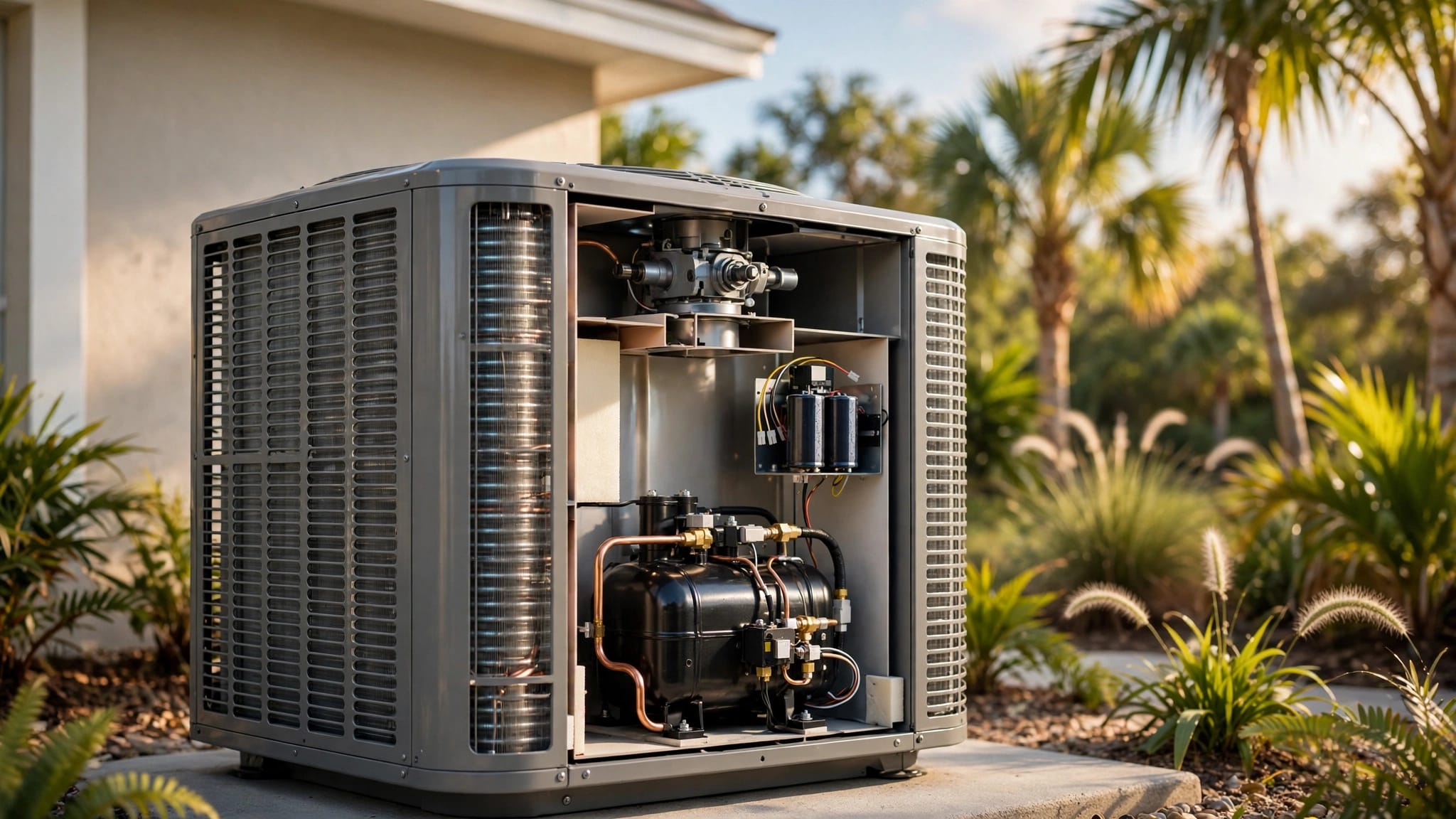
A vacant home needs more than a quick thermostat adjustment. Months of heat, humidity, dust, and storms can affect the indoor air handler, outdoor condenser, drain line, and electrical components.
If someone has access to the property before you return, ask them to check the system and send clear photos of the indoor and outdoor units. A property manager, neighbor, or HVAC technician may spot a problem before it damages ceilings, flooring, or walls.
Walk through the home first
Look around the air handler, usually located in a closet, garage, attic, or utility room. Watch for these signs:
- Water stains on the ceiling, wall, or floor near the unit
- Rust, standing water, or damp insulation
- A musty odor near the return vent
- Mold-like growth around the cabinet or drain area
- Damaged ductwork or disconnected insulation
Don't remove access panels or reach inside the equipment. Those panels can expose moving parts and electrical connections. If you see water, corrosion, or damaged wiring, leave the system off and contact a professional.
Check the supply vents throughout the home as well. Furniture, stored boxes, and rugs can block airflow after a property has been closed for a while. Open each register and confirm that return grilles aren't covered with dust or household items.
Check the thermostat and settings
The thermostat should have a clear display and respond to basic commands. Replace the batteries if the screen is blank, but don't open the thermostat or attempt electrical repairs.
Set the mode to "Cool" and the fan to "Auto" unless your HVAC technician recommends another setting. A fan that runs continuously can move humid air through the home after the cooling cycle ends.
If you use a smart thermostat, check its connection and schedule. Confirm that vacation settings haven't kept the home warmer than intended. A moderate setting is better than immediately choosing an extremely low temperature, especially after the house has been closed for weeks.
Clear the Outdoor Condenser Safely
The outdoor condenser needs open space to release heat. Leaves, palm fronds, grass clippings, boxes, and patio furniture can restrict airflow around the cabinet. Remove loose debris from the area, but keep your hands away from the fan grille and internal components.
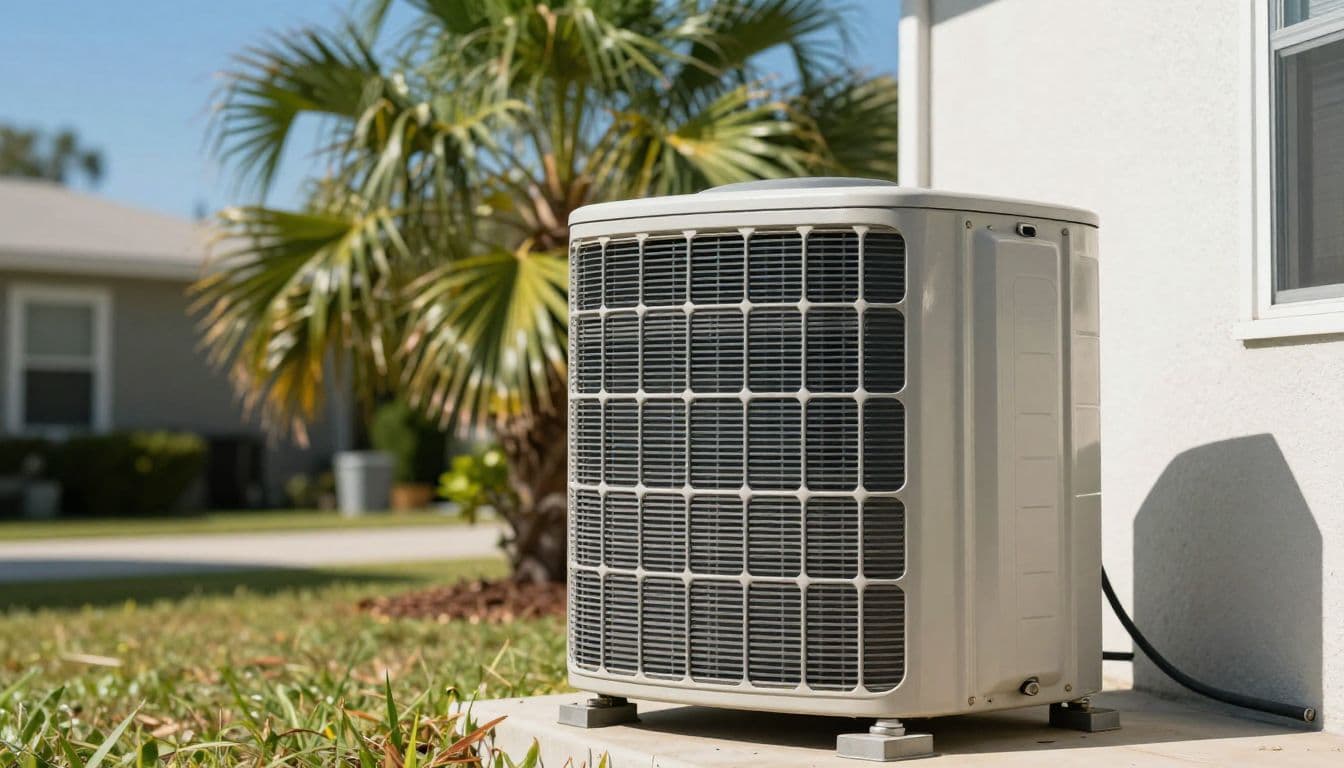
Keep about two feet of open space around the unit when possible. Trim plants that have grown close to the cabinet, and check whether a gutter or downspout sends water directly onto the condenser. Heavy rain and standing water can cause problems, especially if the unit sits in a low area.
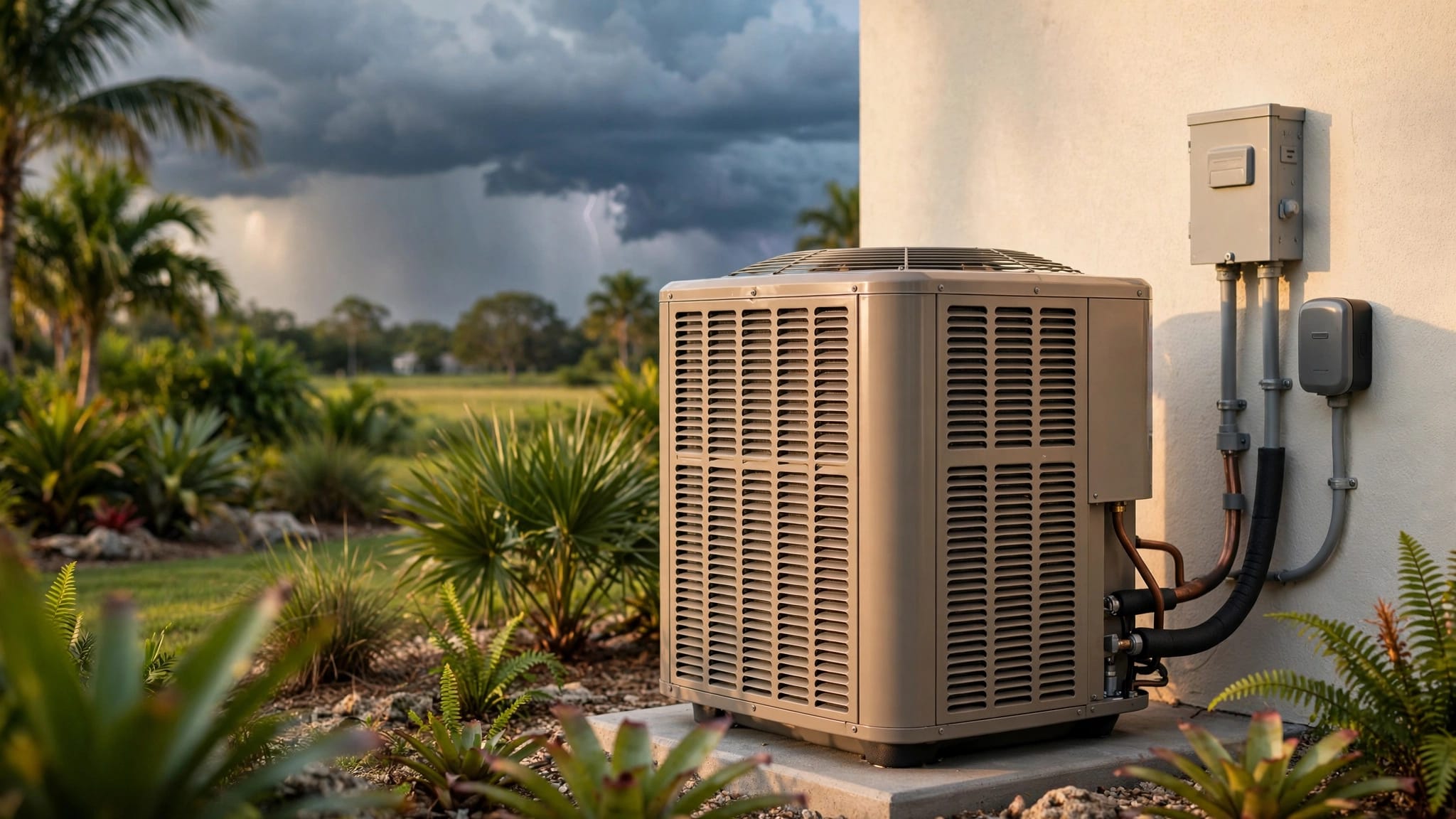
Fort Myers homes near the coast may also see faster corrosion because of salt in the air. Look for unusual rust, a leaning cabinet, bent panels, missing insulation, or storm debris lodged inside the unit.
Don't spray the condenser with a pressure washer. Don't open the electrical disconnect, remove the service panel, or rinse a unit that may have damaged wiring. If a storm moved, flooded, or visibly damaged the equipment, arrange an inspection before turning it on.
Replace the Filter and Check Indoor Airflow
A clogged filter makes the blower work harder and reduces the amount of air moving through the home. If the system ran while you were away, replace the filter before testing the AC.
Find the filter at the return grille or inside the air handler. Match the size and type printed on the old filter or listed in the owner's manual. A filter with a higher rating isn't automatically better. If the system isn't designed for it, extra resistance can reduce airflow and contribute to coil freezing.
A disposable filter should be replaced when it's gray, packed with dust, damp, bent, or sagging. Never wash a disposable filter and put it back. Reusable filters need cleaning according to the manufacturer's directions and must dry completely before installation.
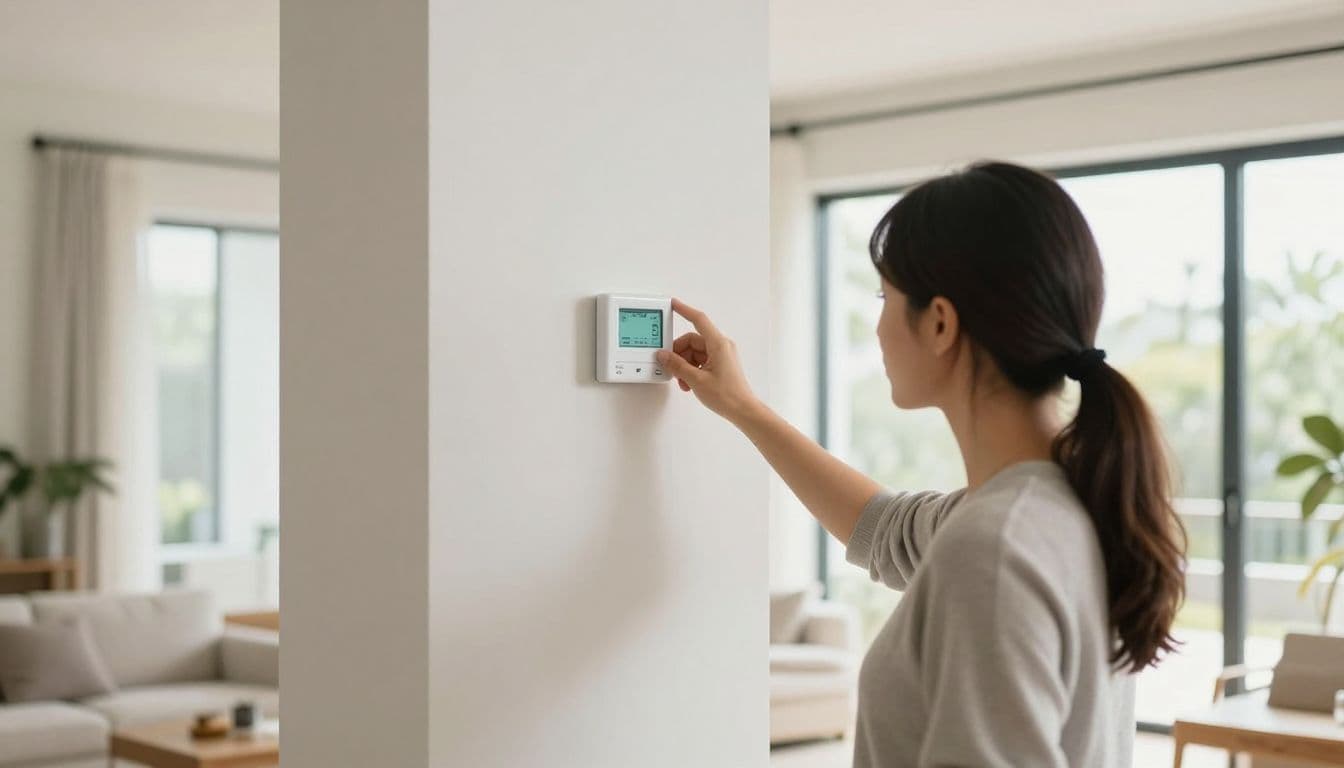
After installing the filter, check the return grille and supply vents. Make sure no cabinet, curtain, or storage container blocks them. Weak airflow in one room may point to a closed damper or duct issue, while weak airflow throughout the house needs professional attention.
Indoor humidity also deserves attention. A small hygrometer can show whether the home stays below 60% relative humidity while vacant. If humidity remains high even when the AC runs, the drain system, coil, controls, or equipment capacity may need inspection.
Run the AC and Watch for Warning Signs
Once the indoor and outdoor areas look safe, set the thermostat a few degrees below the current room temperature. Let the system run for 15 to 20 minutes before judging its performance.
The air from the vents should feel cooler than the room, and airflow should remain steady. Listen for changes such as scraping, rattling, buzzing, repeated clicking, or a loud outdoor fan. Pay attention to smells as well. A brief dusty odor can occur after a long period of inactivity, but a burning, sharp electrical, or persistent musty smell needs attention.
Check the indoor area again while the system operates. Water around the air handler, a full drain pan, or a ceiling stain can indicate a blocked condensate drain or another problem. Water at the end of an exterior condensate drain can be normal, but indoor leaks are not.
The system may also show warning signs through its cooling pattern. A unit that runs constantly without lowering the temperature, cycles on and off every few minutes, or produces weak airflow may have a mechanical, airflow, drainage, or refrigerant problem.
Turn the system off and call an HVAC professional if you notice:
- Ice on the refrigerant line or indoor coil
- Smoke, burning odors, or unusual electrical sounds
- Water leaking near the air handler
- A tripped breaker or repeated shutdown
- Warm air from every supply vent
- Severe vibration or a damaged condenser
- A thermostat that won't respond
Avoid repeated restarts. Each attempt can add strain when the underlying fault hasn't been corrected.
Know What Professional AC Maintenance Includes
Homeowners can inspect visible areas, change filters, clear loose debris, and test basic operation. Refrigerant work, electrical testing, capacitor replacement, coil access, and repairs belong to a qualified HVAC technician.
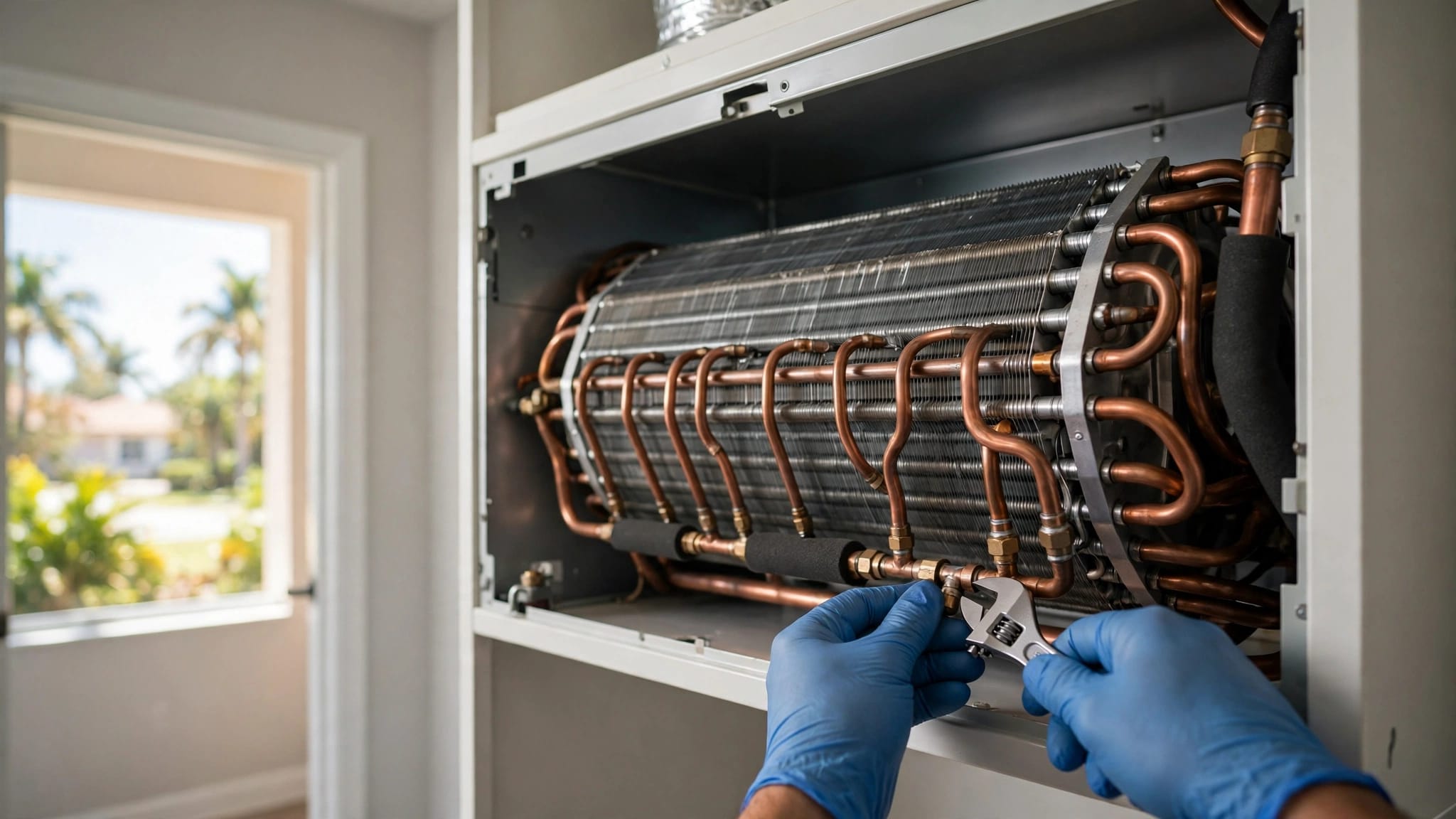
A professional visit may include checking electrical connections, measuring operating performance, inspecting the condensate drain, examining the blower and coil, and looking for refrigerant problems. The exact work depends on the system's age, condition, and service history.

Photo by Richard Low Hong
The goal of AC maintenance Fort Myers homeowners arrange before a seasonal return is to find small issues while the home is still manageable, not after a failed system leaves the property hot and humid. For most Southwest Florida homes, twice-yearly maintenance is a practical schedule, with one visit before heavy cooling use and another after the long cooling season. Seasonal homes may need extra attention after a major storm or extended power outage.
You can also review what to expect during an AC tune-up before booking service. A proper tune-up should involve more than changing a filter or glancing at the thermostat.
If the system shows warning signs, contact a qualified technician before guests arrive or temperatures climb. You can Schedule an Estimate with Valor Heating & Cooling for help with inspection, maintenance, repair, or replacement decisions.
Quick Fort Myers AC Return Checklist
Use this short checklist before relying on the system for daily cooling:
- Check the air handler for leaks, stains, rust, and musty odors.
- Replace the air filter with the correct size and type.
- Open supply vents and clear return grilles.
- Confirm the thermostat displays correctly and responds to commands.
- Set the system to "Cool" and the fan to "Auto."
- Remove leaves and loose debris around the outdoor condenser.
- Keep plants, furniture, and stored items away from the unit.
- Look for storm damage, corrosion, bent panels, or exposed wiring.
- Run the system for 15 to 20 minutes while you remain home.
- Call a professional for ice, leaks, burning smells, weak airflow, or repeated shutdowns.
Don't pour drain cleaner into the condensate line, bypass a safety switch, add refrigerant, or open electrical panels. Those steps can create safety risks and turn a repair into a larger problem.
Return to a Cooler, Safer Home
A vacant Fort Myers home can develop AC trouble without making much noise. A pre-arrival inspection, fresh filter, clear condenser area, and supervised test run give you useful information before the system faces full-time cooling demand.
Schedule AC maintenance Fort Myers service before your return when the equipment is older, the home has been empty through severe weather, or any warning sign appears. A few safe checks at home can help, but professional HVAC care is the right next step when cooling, drainage, electrical, or refrigerant problems are possible.
Recent Posts