Indoor Humidity Overnight: Why It Rises With AC Running
Your thermostat can show a cool temperature while indoor humidity overnight keeps climbing. In Southwest Florida, that often happens when the air conditioner removes heat faster than it removes moisture.
The problem may involve short cooling cycles, a dirty evaporator coil, a blocked condensate drain, or humid air entering through ducts and gaps. Understanding how your AC handles moisture makes the cause easier to find.
Why Indoor Humidity Overnight Rises With the AC On
Your air conditioner has two related jobs. It lowers the indoor temperature, and it removes water vapor from the air.
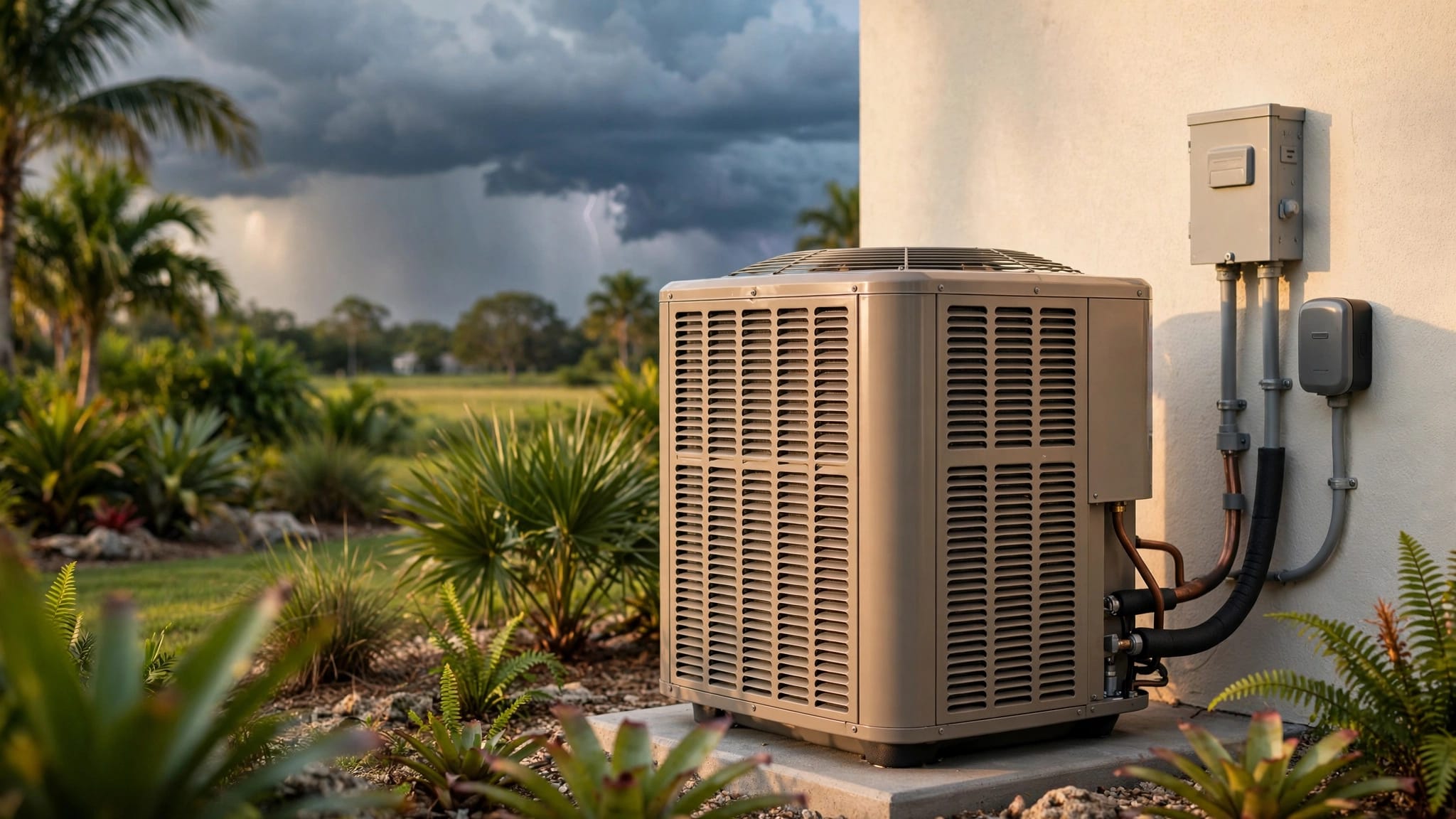
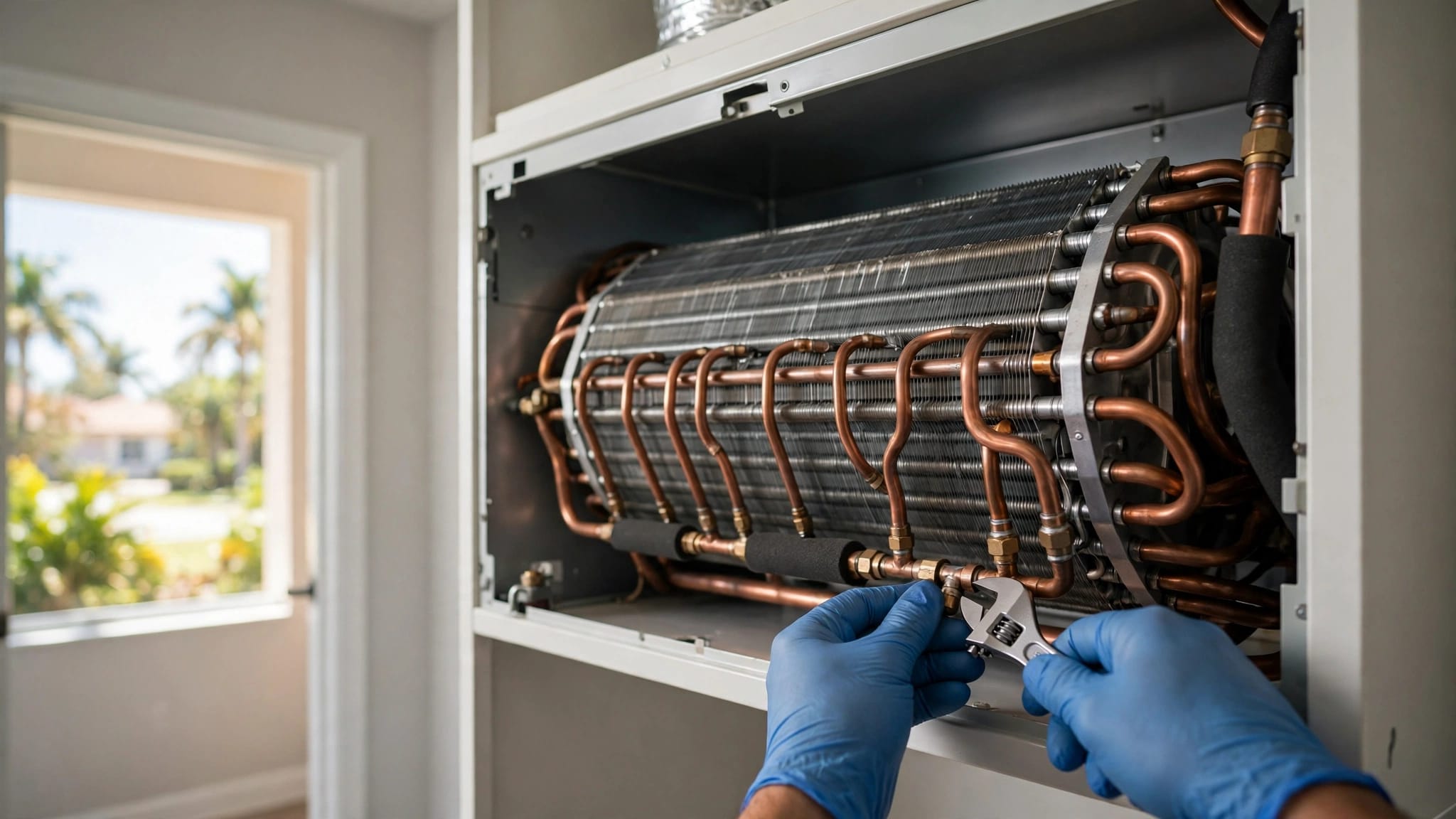
During a cooling cycle, warm indoor air moves across the cold evaporator coil inside the air handler. Moisture in that air condenses on the coil, forms droplets, and flows into the condensate pan. A drain line carries the water outside or to a suitable drain point.
The system only removes moisture while air passes over a cold coil during an active cooling cycle. If the compressor reaches the thermostat setting quickly, the AC may shut down before it collects much condensate. The room feels cool, but the moisture remains.
Nighttime conditions can make the effect more noticeable. As the temperature drops, the air holds less moisture. Relative humidity can rise even when the actual amount of water in the room stays the same. For example, a bedroom at 74 F may show a higher humidity reading after cooling to 71 F without gaining much new moisture.
The indoor fan also matters. When the thermostat fan is set to ON instead of AUTO , the blower can keep running after the compressor stops. That airflow may evaporate water left on the evaporator coil and send it back into the room.
A cool bedroom with rising humidity can therefore point to a moisture-removal problem, not a lack of cooling capacity.
What Causes High Humidity at Night?
Several HVAC and home conditions can raise humidity after sunset. Some are easy to correct, while others need testing by a qualified technician.
An oversized air conditioner cools too quickly
An AC that is too large for the home can lower the temperature in short cycles. The compressor shuts off before the system has enough time to pull a meaningful amount of water from the air.
This issue often appears after an equipment replacement. A larger unit may sound appealing, but extra cooling capacity doesn't always improve comfort. In humid climates, correct sizing matters because the system needs suitable run time for dehumidification.
Short cycling can also result from thermostat problems, restricted airflow, low refrigerant, or an electrical issue. A technician can compare the system's capacity with the home's cooling load and check how long each cycle lasts.
The evaporator coil or filter restricts airflow
A clogged filter reduces the amount of air reaching the coil. Dust on the evaporator coil can create a similar problem. In either case, the system may struggle to move air across the coil and transfer heat properly.
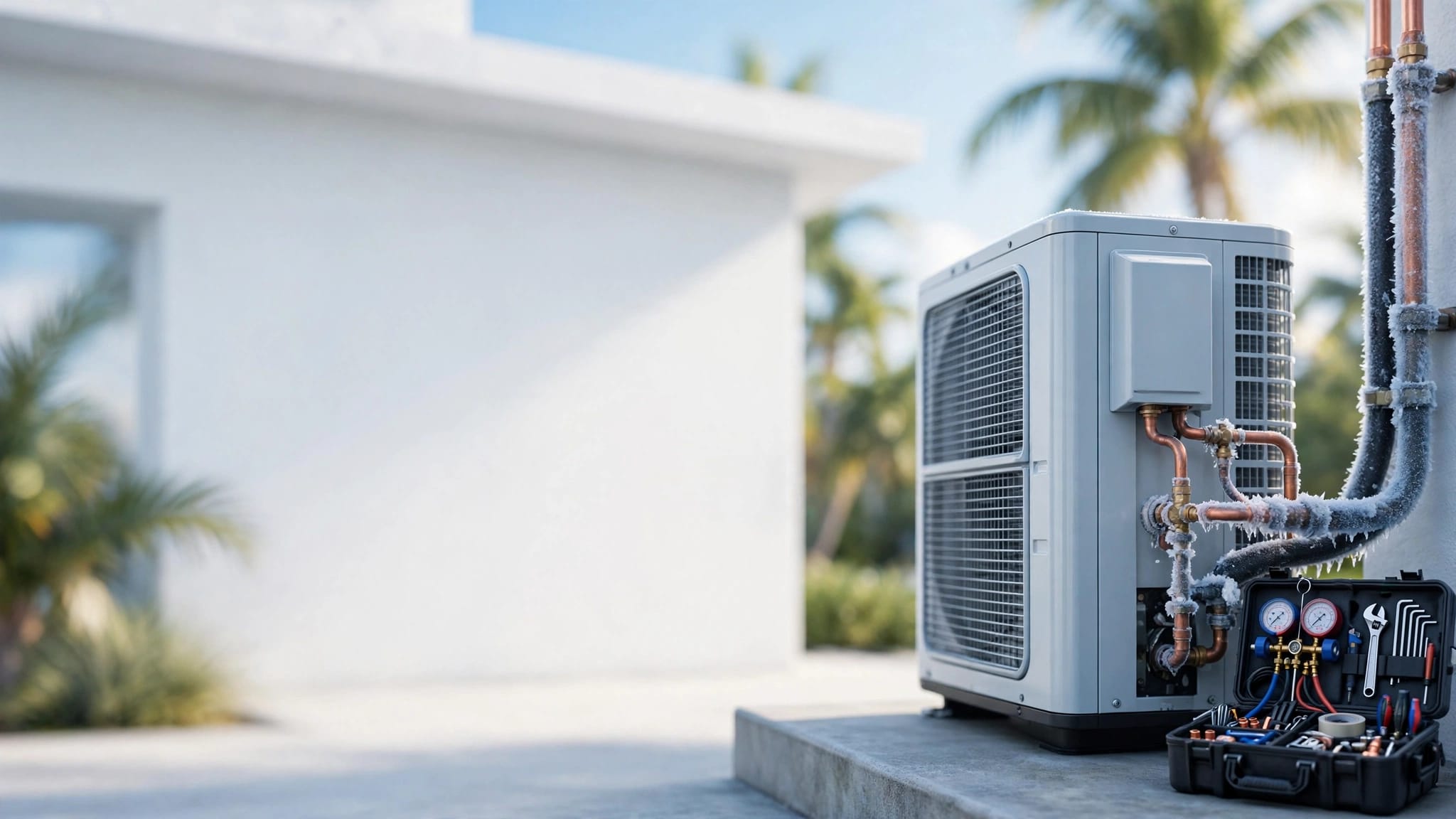
Poor airflow can lead to weak supply vents, uneven temperatures, coil icing, and longer or irregular cycles. Ice on the coil is especially important because it blocks airflow further. When the ice melts, water may overflow the pan or create a sudden moisture problem around the air handler.
Use the filter size and type recommended for your equipment. A filter with a high MERV rating can improve filtration, but a rating that is too restrictive for the system may reduce airflow. Replace disposable filters on a regular schedule, often every one to three months, with more frequent changes in dusty homes or during heavy use.
The condensate drain cannot remove water
Your AC may collect moisture correctly but fail to drain it. Algae, dirt, rust, or debris can partially or fully block the condensate line.
A clogged drain can cause water to remain in the pan, trigger a float switch, or spill near the air handler. Some systems shut off to prevent water damage. Others continue operating while the pan fills.
Check for water around the indoor unit, an unexpectedly full drain pan, or a drain line that produces no water during a humid day. Don't pour chemicals into the line unless the equipment manufacturer or an HVAC professional recommends it. The wrong product can damage components or create a safety concern.
The thermostat fan setting is wrong
Set the fan to AUTO when you want it to run only during an active heating or cooling cycle. A fan set to ON may recirculate air continuously, including air that has picked up moisture from the wet coil.
A programmable or smart thermostat can also create unwanted cycling if its schedule changes the temperature by several degrees at night. Check whether humidity rises after the thermostat reaches its overnight setting.
Humid air enters through ducts, doors, and the building envelope
Southwest Florida homes face high outdoor moisture for much of the year. Leaky return ducts can pull humid air from an attic, garage, closet, or wall cavity. Supply duct leaks can waste cooled air and upset the pressure balance inside the home.
Open doors, poorly sealed windows, recessed lights, plumbing penetrations, and gaps around ductwork can add to the load. Bathroom fans and kitchen exhaust fans may also pull outdoor air into the house if the home has strong negative pressure.
If one bedroom feels damp while other rooms feel comfortable, inspect that room's door gap, supply vent, return path, windows, and nearby ductwork. A closed bedroom door can restrict air circulation and create a pressure difference.
For more signs and causes, review this guide to troubleshooting AC humidity problems.
What Indoor Humidity Level Should Your Home Have?
Most homes feel comfortable when relative humidity stays between 30% and 50% . In Southwest Florida, a practical target is often around 45% to 55% , provided the home stays below 60% for extended periods.
Use a digital hygrometer to check humidity rather than relying only on how the room feels. Place it away from supply vents, windows, bathrooms, kitchens, and direct sunlight. Compare readings in the main living area and the bedroom where the problem appears.
| Indoor relative humidity | What it usually means |
|---|---|
| Below 30% | Air may feel dry and cause irritation |
| 30% to 50% | Common comfort range |
| 45% to 55% | Often practical for humid Florida homes |
| Above 60% | Greater chance of musty odors, condensation, and mold growth |
Temperature changes can affect the reading, so track both temperature and humidity at the same time. Record the numbers in the afternoon, before bed, and in the morning for several days. That pattern gives your HVAC technician more useful information than one isolated reading.
If the humidity remains high while the AC runs normally, a whole-home dehumidifier may help. Portable dehumidifiers can work for a single bedroom, but they add heat and require regular water removal. A properly installed whole-home unit can control moisture without relying on a lower thermostat setting.
Troubleshooting Checklist for Overnight Humidity
Start with safe, simple checks before assuming the AC needs replacement.
- Confirm that the thermostat fan is set to AUTO.
- Replace a dirty air filter with the correct size and approved filter type.
- Keep supply vents and return grilles open and clear of furniture.
- Look for water near the air handler, drain pan, or condensate line.
- Check for ice on refrigerant lines or the indoor coil, but don't scrape it away.
- Keep bedroom doors open temporarily and compare humidity readings between rooms.
- Close windows and exterior doors during humid weather.
- Check whether bathroom or kitchen exhaust fans run for long periods overnight.
- Track temperature and relative humidity with a digital hygrometer.
- Note whether the AC runs in short cycles or runs for long periods without lowering humidity.
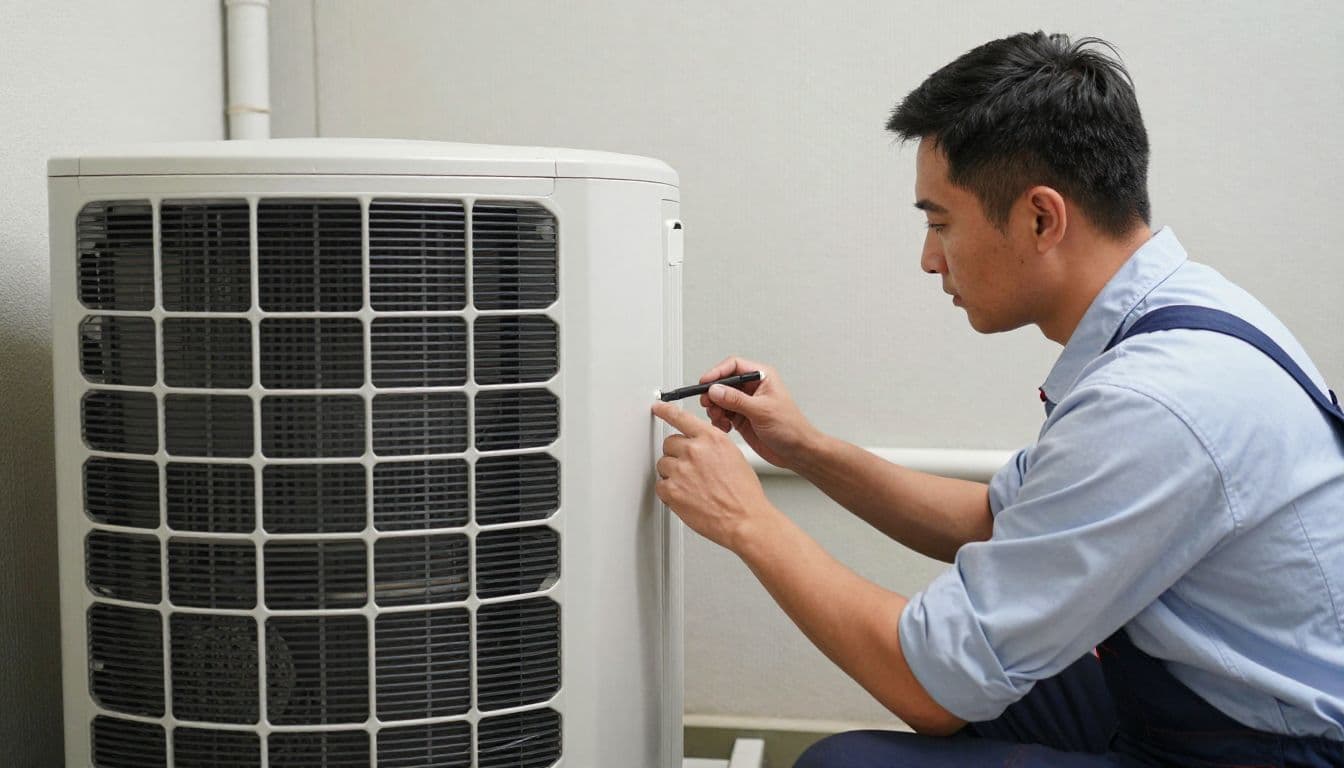
Don't continue running the system if you see active water leakage, repeated ice buildup, or a tripped electrical breaker. Turn off the equipment and arrange service when needed.
A professional inspection can include checking refrigerant charge, evaporator coil condition, blower performance, static pressure, duct leakage, drain operation, and thermostat accuracy. These tests help separate a moisture-control issue from a general cooling problem.
Routine service also matters in this climate. A technician can clean components, test the drain safety switch, inspect electrical connections, and confirm that airflow meets the system's design. This guide covers routine maintenance for humid climates.
Call for HVAC service if humidity stays above 60%, the house develops a musty odor, or the AC cannot maintain a steady temperature. You should also schedule an inspection when the system short cycles, freezes, leaks water, or produces weak airflow. If you need a clear assessment of the equipment and ductwork, you can Schedule an Estimate with a local HVAC technician.
Conclusion
Indoor humidity overnight usually rises because the AC cools the home without running long enough, draining moisture correctly, or maintaining balanced airflow. The thermostat setting, fan mode, filter, evaporator coil, condensate drain, and ductwork can all affect the result.
Keep indoor relative humidity near 45% to 55% when possible, and use a hygrometer to track the pattern. When the readings remain high after basic checks, the right fix is a proper HVAC inspection rather than a colder thermostat setting.
Recent Posts