Auxiliary Heat Thermostat: Fort Myers Homeowner Guide
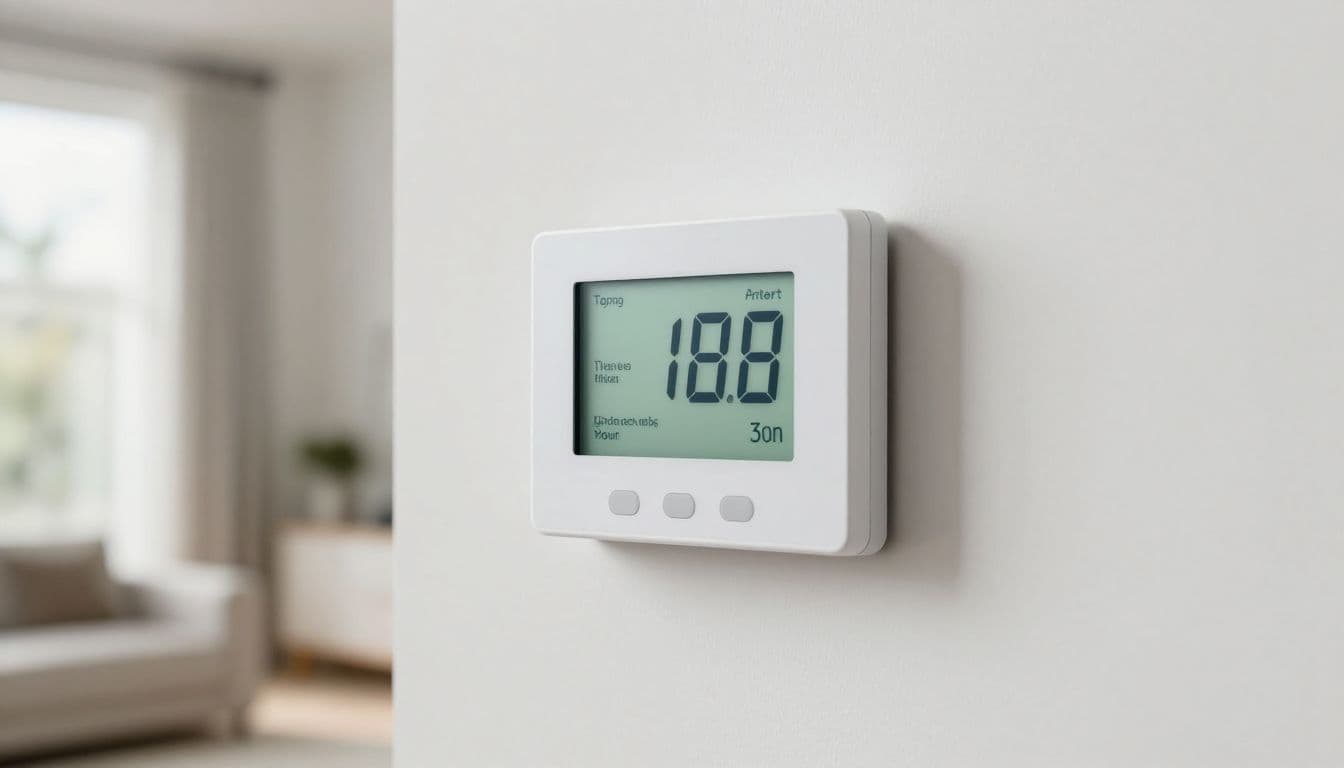
Seeing AUX on your Fort Myers thermostat can be unsettling, especially when the air handler keeps running. In most cases, an auxiliary heat thermostat is telling you that your heat pump has turned on supplemental heat to reach the indoor temperature.
A brief AUX cycle can be normal during a cool Southwest Florida morning, after a large temperature change, or while the heat pump defrosts. Frequent or prolonged use, however, can point to a thermostat, heat-pump, airflow, or maintenance issue. The display makes more sense once you know what the system is doing and which signs deserve service.
What Does an Auxiliary Heat Thermostat Mean in Fort Myers?
An auxiliary heat thermostat controls a heat-pump system that can heat your home in two stages. The heat pump moves heat from outdoor air into your home. When it can't raise the indoor temperature quickly enough, the thermostat calls for a backup heat source.
In many Fort Myers homes, that backup source is electric resistance heat strips installed inside the air handler. Some dual-fuel systems use a gas furnace instead, so the equipment configuration matters. Your HVAC technician can confirm which type of backup heat your home has.
During AUX operation, the indoor blower moves air across the backup heating elements before sending it through the supply vents. Electric heat strips can warm the air quickly, but they usually use more electricity than the heat pump. For that reason, the system should use auxiliary heat only when needed.
The AUX message doesn't automatically mean the heat pump has failed. Your thermostat may turn it on when the indoor temperature falls several degrees below the setpoint. A large thermostat adjustment can trigger AUX while the system catches up. Many heat pumps also use supplemental heat during a defrost cycle, which helps prevent a blast of cool air indoors.
Auxiliary Heat and Emergency Heat Are Different
Auxiliary heat turns on automatically when the thermostat decides that the heat pump needs help. Emergency Heat is a manual setting that tells the system to stop using the heat pump and rely on the backup heat source.
Emergency Heat can help when the outdoor unit has stopped working, but it costs more to operate in many homes. Don't switch to Emergency Heat as a routine response to a brief AUX message. If your auxiliary heat thermostat shows AUX for a long time, arrange an inspection instead.
Why Would an Auxiliary Heat Thermostat Turn On in Southwest Florida?
Fort Myers has a mild heating season, but winter cold fronts still create conditions that make a heat pump work harder. The system may need supplemental heat when outdoor temperatures fall below the point where the heat pump can maintain the thermostat setting efficiently.
Your thermostat also reacts to the difference between the current room temperature and your chosen setpoint. Raising the temperature from 68 to 74 degrees at once can create a large demand. The heat pump may run first, then bring on AUX to shorten the recovery time.
Common reasons for temporary auxiliary heat include:
- A cold morning causes the heat pump to run longer than usual.
- The thermostat is recovering from a nighttime setback.
- The outdoor unit enters a defrost cycle.
- The thermostat detects that indoor temperature is falling behind.
- The system reaches its balance point, where the heat pump alone can't keep up.
A balance point depends on the heat pump's size, condition, ductwork, insulation, and outdoor temperature. It isn't a universal number for every home. A newer, properly sized system may handle a cool Fort Myers morning without much backup heat, while an aging or restricted system may need it sooner.
Airflow also affects this process. A clogged filter, blocked return, closed supply vents, or a failing blower can reduce the heat pump's output. The thermostat then sees a home that isn't warming as expected and may continue calling for auxiliary heat.
When AUX Is Normal and When It Needs Attention
Short auxiliary-heat use is often harmless. The message may appear for several minutes during startup, after a significant setpoint change, or during defrost. Once the heat pump reaches the indoor temperature, AUX should usually turn off.
These patterns can help you judge what you're seeing:
| Thermostat behavior | What it may mean |
|---|---|
| AUX appears briefly during startup | The system is helping the heat pump reach the setpoint. |
| AUX appears during a defrost cycle | Supplemental heat may prevent cool air from entering the home. |
| AUX runs through most heating cycles | The heat pump may not be producing enough heat. |
| AUX appears every time the system runs | The thermostat, airflow, or equipment may need inspection. |
| The home stays cool while AUX remains on | A fault may be limiting heat output or airflow. |
Pay attention to changes in the home's comfort and the system's operating pattern. A thermostat that shows AUX once during a cold snap isn't the same as one that displays AUX daily. Rising electric bills, long run times, weak airflow, unusual sounds, or a heat pump covered in persistent ice all deserve attention.
A small amount of frost can occur during normal heat-pump operation. The unit should remove that frost during defrost, though. Thick ice that remains on the coil can restrict airflow and prevent the system from transferring heat.
If AUX stays on for most of a heating call in a Fort Myers home, treat the pattern as a service clue, not a thermostat feature to ignore.
A burning smell, repeated breaker trips, or no heat from the vents requires prompt professional service. Don't remove the air handler panel or handle wiring and heating elements yourself.
Safe Checks Fort Myers Homeowners Can Make
Before scheduling service, you can check a few basic conditions without opening the equipment or touching electrical components.
- Confirm that the thermostat is set to Heat and that the temperature is reasonable. If Emergency Heat is selected, return to the normal Heat setting unless a technician told you otherwise.
- Inspect the air filter. A dirty filter reduces airflow and makes the heat pump work harder. Replace it with the correct size if it's visibly clogged, but don't run the system without a filter.
- Walk through the home and check the supply vents and return grilles. Keep supply vents open and remove furniture, rugs, or boxes that block returns.
- Look at the outdoor unit from a safe distance. Clear leaves and loose debris from around it, but don't reach inside the cabinet or spray the coil while the system is operating.
- Note when AUX appears and how long it stays on. Record the outdoor conditions, thermostat setting, airflow, sounds, and whether the home reaches the target temperature.
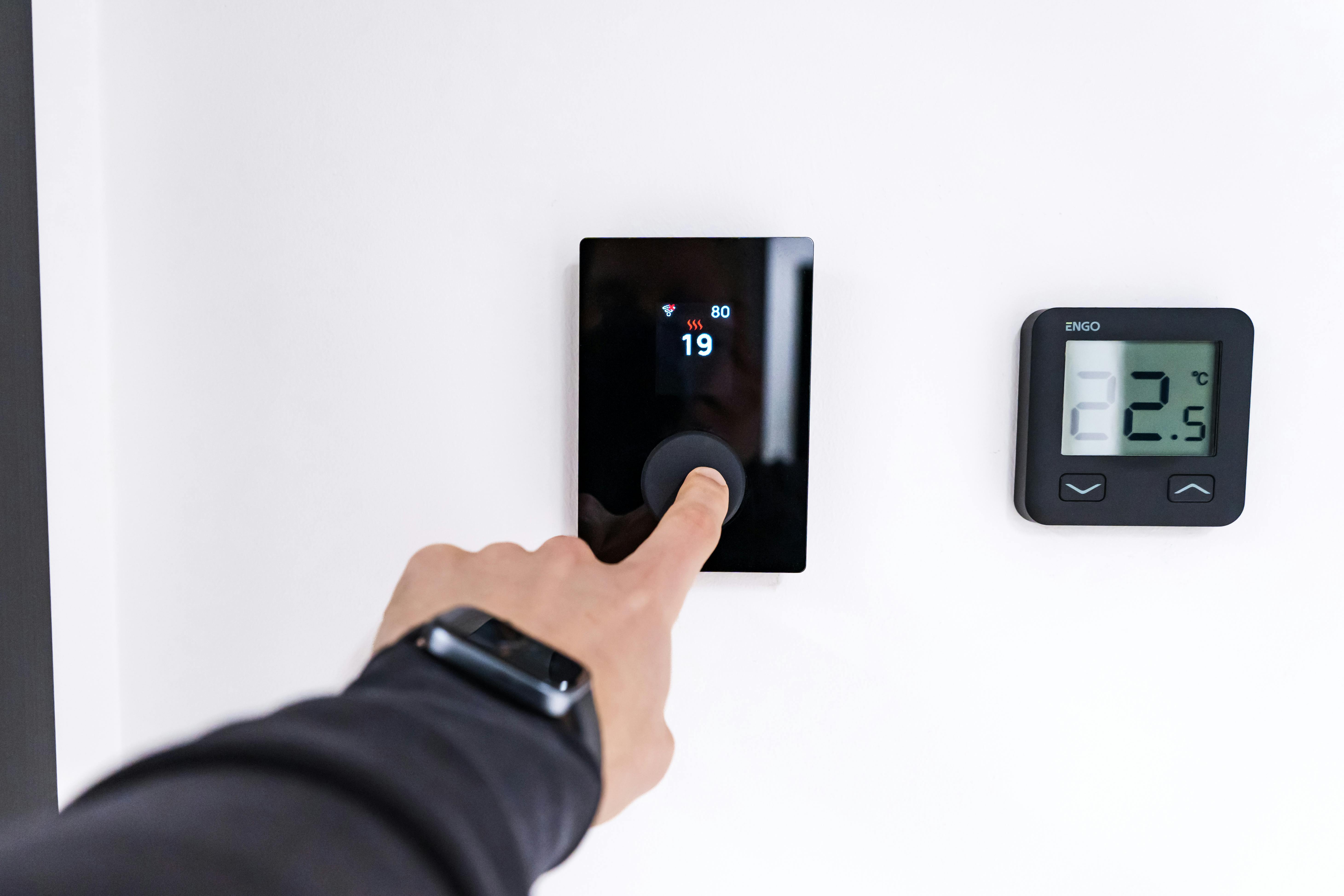
Photo by HUUM sauna heaters
These checks can reveal a simple filter or airflow problem. They can't confirm refrigerant charge, electrical condition, thermostat calibration, or heat-strip operation. Avoid repeatedly resetting a breaker. If the breaker trips again, leave it off and call a qualified HVAC professional.
What a Fort Myers HVAC Technician Will Check
When an auxiliary heat thermostat uses backup heat too often, a technician starts by reviewing the system's operation rather than replacing parts at random. The inspection usually includes the thermostat's settings, wiring, sensor accuracy, staging controls, and programmed temperature differential.
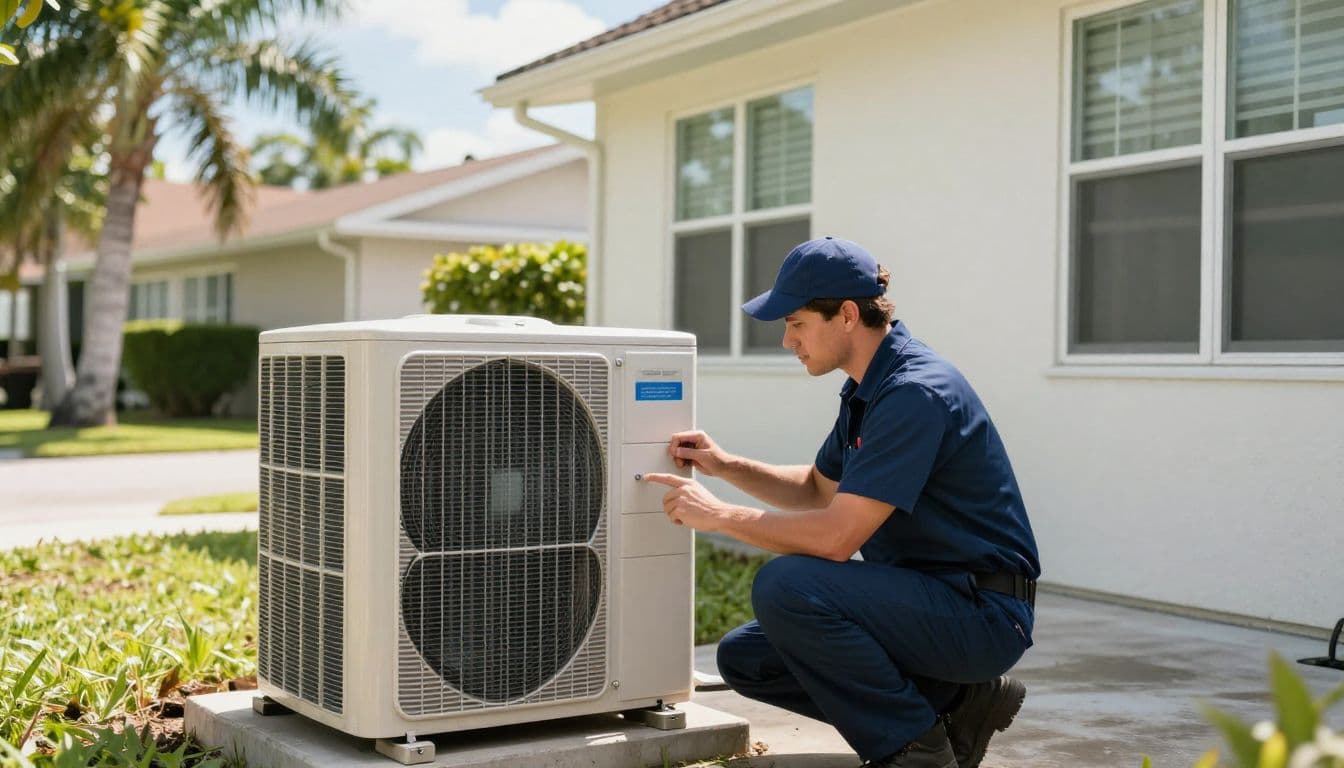
Next, the technician checks the heat pump's heating performance. That may include the outdoor coil, fan motor, defrost controls, reversing valve, refrigerant condition, and electrical components. The indoor side also matters, so the technician may inspect the blower, heat strips, filter, evaporator coil, ductwork, and supply temperature.
A thermostat problem can create unnecessary AUX calls even when the heat pump works correctly. On the other hand, a weak compressor, low refrigerant, restricted airflow, or defrost fault can make the thermostat respond correctly to an equipment problem.
The technician should explain the cause in plain language and separate an immediate repair from a longer-term replacement decision. Valor Heating & Cooling provides HVAC repair and inspection for Fort Myers and Lee County homes, including systems that run too long or fail to maintain temperature.
If the system is older, has repeated failures, or needs an expensive component, ask for clear repair and replacement options. You can Schedule an Estimate when you need help comparing the next practical step.
What Your Thermostat Display Is Telling You
An AUX message is a report from the control system. It tells you that backup heat is active, but it doesn't identify the cause by itself. That cause may be normal outdoor conditions, a large temperature adjustment, or a problem with the heat pump or airflow.
In a Fort Myers home, brief auxiliary heat use usually isn't a reason to panic. However, frequent or prolonged operation wastes energy and can point to a system that needs attention. Track the pattern, perform only the safe checks, and arrange professional service when the display stays on or comfort drops.
The right response to an AUX message is measured observation, not guesswork. A qualified inspection can determine whether your auxiliary heat thermostat is working as programmed and whether the heat pump is doing its share of the work.
Recent Posts