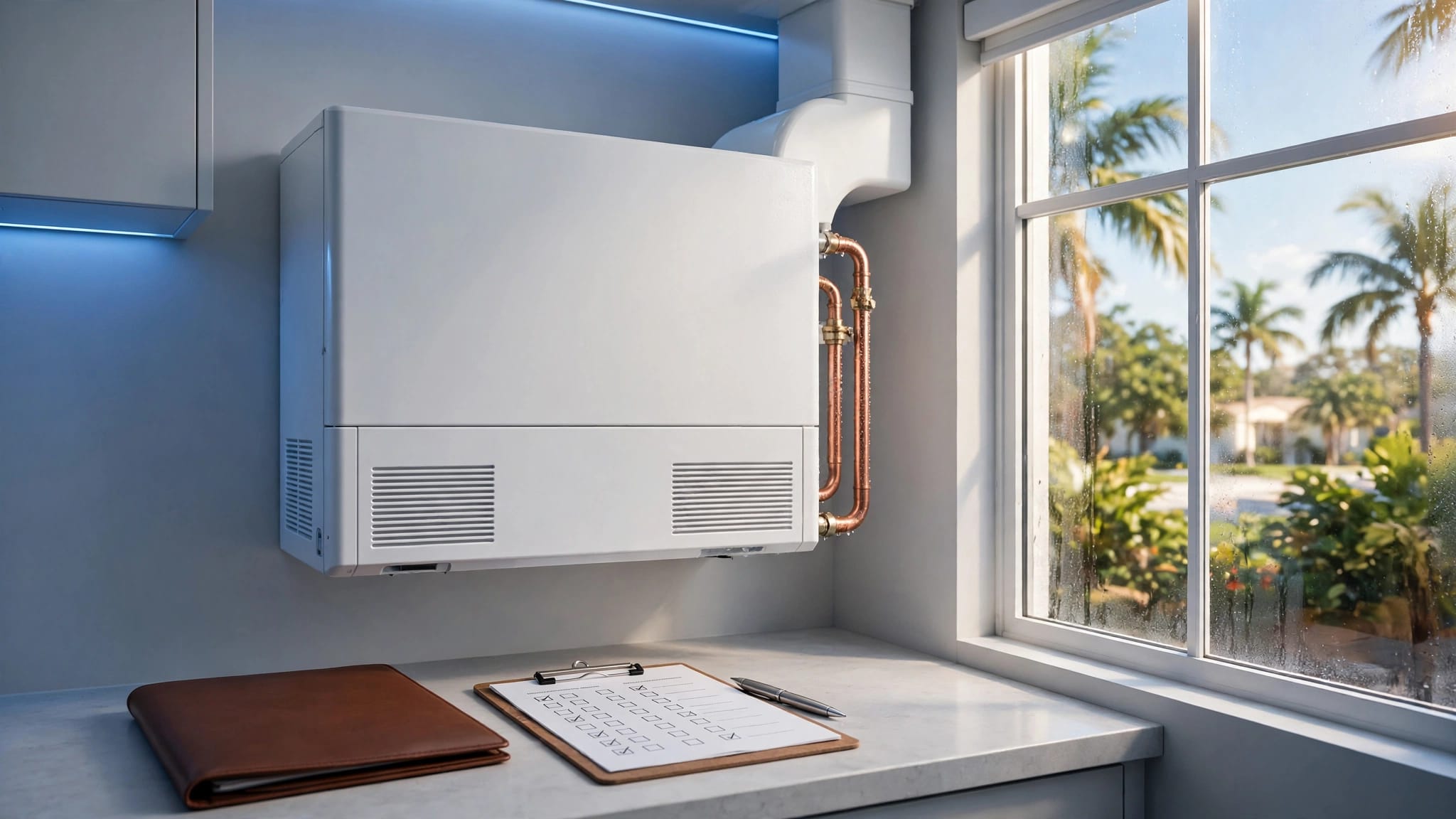
HVAC Refrigerant Recovery Reports: Fort Myers Checklist
HVAC refrigerant recovery reports can show whether an air-conditioning job was documented properly, or whether important details were left out. For Fort Myers homeowners, that record matters because systems often run for long hours through heat, humidity, and heavy cooling demand.
A useful report should connect the refrigerant to your equipment, identify who handled it, record the amount recovered or added, and explain where the refrigerant went. Use this checklist before approving a repair, replacement, or disposal decision.
Why the Recovery Report Matters
Refrigerant recovery is regulated work. A technician removes refrigerant from a system before opening the sealed circuit for certain repairs, maintenance, or disposal. The refrigerant should be collected with approved equipment instead of released into the atmosphere.
Recovery is not the same as recharge
Recovery means removing refrigerant from the equipment and placing it into a recovery cylinder. Recharge means adding refrigerant to restore the system to its required charge after a repair or other service.
A report that says only "recharged" leaves important questions unanswered. If the circuit was opened, ask whether refrigerant was recovered first, how much was collected, and whether the technician found a leak or another cause of low charge.
The recovered amount may not match the factory charge. A system may have lost refrigerant, or some refrigerant may remain in the equipment. The technician should explain any difference rather than provide a number without context.

The equipment and cylinder must be identifiable
A trustworthy record connects the work to one specific system. It should include the equipment model or serial number, service date, refrigerant type, technician name, and certification details.
The recovery cylinder also needs an identifying number or other clear reference. Ask where the refrigerant went after recovery. It may return to the same system, be used in another system owned by the same person, or go to an EPA-certified reclaimer when transfer rules require reclamation.
What to Check on Every Report
HVAC refrigerant recovery reports don't follow one universal homeowner-friendly format. Still, the same core details help you check the work and keep useful records for future service.
Refrigerant type and quantity
Look for the refrigerant designation, such as R-410A, R-22 on an older system, R-32, or R-454B. The report should distinguish between the amount recovered, the amount added, and any amount sent for reclamation.
A vague entry such as "refrigerant removed" doesn't tell you enough. Ask for the quantity and unit of measurement, usually pounds or ounces. Also check whether the report identifies the equipment's nameplate charge or notes why the recovered amount differs from it.
Refrigerant type matters because charging procedures, equipment compatibility, recovery requirements, and current regulations may vary. A technician should never substitute a different refrigerant without confirming that the equipment and procedure allow it.
Equipment, date, technician, and certification
The report should identify the system serviced, not only the property address. Model and serial numbers help prevent records from being assigned to the wrong outdoor unit or air handler.
Check the service date and the technician's name. Anyone who opens a refrigerant circuit for service, repair, maintenance, or disposal must hold the applicable EPA Section 608 certification. Ask that the certification type or number appear in the paperwork.
For more help connecting a diagnosis to your repair options, review these HVAC repair and inspection services in Fort Myers.
Cylinder destination and next steps
The report should state whether the refrigerant was returned to the same system, transferred for an allowed use, or sent to a reclaimer. It should also explain what happened next.
For example, if a leak was repaired, the paperwork should identify the repair and describe the testing or commissioning completed afterward. If the system was removed, ask how the refrigerant and equipment will be handled.
Keep the report with your invoices, installation documents, and maintenance records. Service summaries reviewed in the industry commonly recommend retaining refrigerant records for at least three years, although recordkeeping requirements can vary by equipment and current rules.
Recovery Rules Depend on the Equipment
The recovery numbers you may see online don't apply automatically to every Fort Myers home air conditioner. Equipment category, compressor condition, manufacture date, refrigerant, and applicable regulations all matter.
Small-appliance figures have limits
EPA guidance lists recovery standards for small appliances. For equipment manufactured before November 15, 1993, or equipment with a nonfunctional compressor, the cited standard is 80 percent. For equipment manufactured after that date with a functional compressor, the cited standard is 90 percent.
The guidance also lists evacuation to 4 inches of mercury vacuum as an alternative in the applicable circumstances. These figures should appear in context, not as a blanket rule for every residential split system.
Residential split systems require professional judgment
A typical central air conditioner may not fit the small-appliance category. Ask the technician which recovery standard applies to your equipment and refrigerant.
Homeowners shouldn't open refrigerant lines, attempt recovery, or vent refrigerant. EPA Section 608 requirements apply to regulated refrigerant work, and improper handling can damage the equipment, create a safety problem, or violate current requirements.
A report that includes the equipment category and the reason for the selected recovery procedure is easier to evaluate than one that lists a percentage without explanation.
What the 2026 Refrigerant Transition Changes
Refrigerant rules are changing, but a new rule doesn't automatically mean every older air conditioner needs replacement. Your report should help you understand the condition of the existing system before you compare repair and replacement costs.
R-410A equipment may still be serviceable
R-410A remains common in older residential systems. Industry reporting on a 2026 EPA final rule says eligible R-410A equipment manufactured or imported before January 1, 2025, may continue to be installed while existing supplies last. That rule reportedly became effective July 27, 2026.
This does not mean every R-410A repair is a good investment. Age, coil condition, compressor health, leak history, and repair cost still matter. Use this Fort Myers AC repair or replacement guide when a recovery report leads to a larger equipment decision.
Newer systems may use R-454B or R-32
R-454B and R-32 are among the lower-global-warming-potential refrigerants used in newer equipment. Many new residential and light-commercial air conditioners and heat pumps are subject to a 700 GWP limit under the federal transition.
These refrigerants may have different equipment requirements and A2L safety classifications. A report should identify the refrigerant clearly and confirm that the equipment is designed for it. Read about 2025 refrigerant changes in Fort Myers before comparing systems.
Fort Myers Red Flags in a Recovery Report
Southwest Florida conditions make accurate records more useful. Frequent operation increases wear, while humidity and salty air can contribute to corrosion around outdoor equipment and coils.
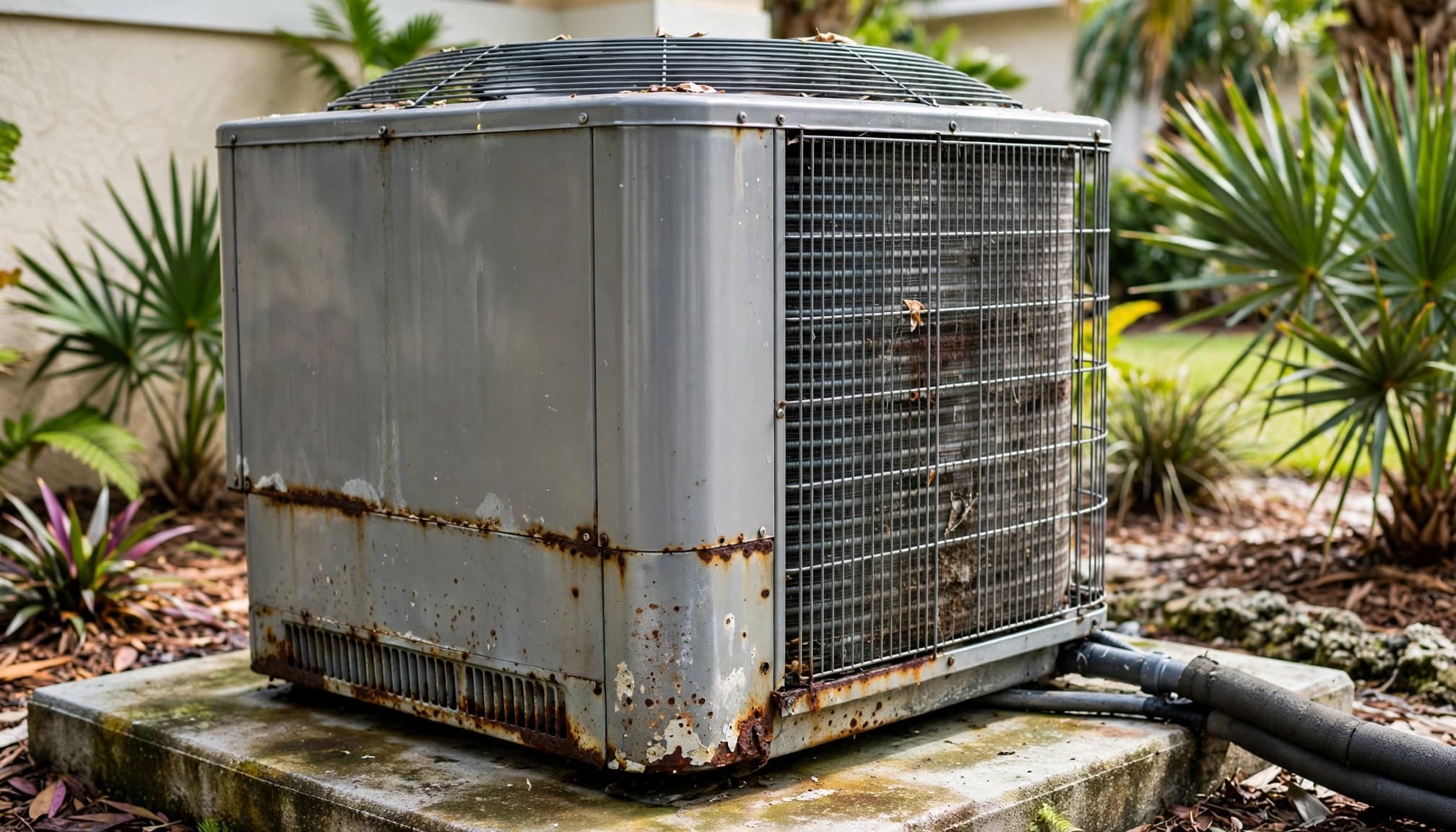
Look more closely if the report contains any of these problems:
- It lists "refrigerant" without naming the type.
- It gives no recovered or added quantity.
- It identifies only the home address, with no model or serial number.
- It leaves out the technician's name or Section 608 certification details.
- It doesn't identify the recovery cylinder or refrigerant destination.
- It recommends a replacement without documenting the failure, leak, or equipment condition.
- It records a recharge but says nothing about leak testing or the reason for the low charge.
- It contains conflicting dates, quantities, or model numbers.
- It uses a generic form with blank fields where job-specific information should appear.
A missing detail doesn't prove the work was improper. It does give you a reason to ask for clarification before paying for additional refrigerant, approving a major repair, or replacing a working system.
Questions to Ask Before Approving Work
Keep your questions practical and tied to the document:
- Which refrigerant is in my system?
- How much did you recover, and how much did you add?
- What is the equipment's model, serial number, and factory charge?
- Why did the recovery amount differ from the expected charge?
- Did you find and repair a leak?
- Which recovery standard applies to this equipment?
- Where is the recovered refrigerant going?
- Is the technician EPA Section 608 certified for this work?
- Does the system need repair, continued monitoring, or replacement?
- What additional costs could appear if the equipment fails testing?
A clear contractor should answer these questions in plain language. If the report supports a replacement recommendation, request a written comparison that separates refrigerant work, equipment, labor, permits, electrical changes, duct repairs, and disposal.
For a qualified local review of the system and documentation, you can Schedule an Estimate with Valor Heating & Cooling.
Key Takeaways
- Recovery removes refrigerant from a system. Recharge adds refrigerant back.
- A useful report identifies the refrigerant, quantity, equipment, technician, certification, cylinder, and destination.
- EPA Section 608 rules apply to technicians who open regulated refrigerant circuits.
- Small-appliance recovery percentages don't automatically apply to every central air conditioner.
- R-410A systems aren't automatically obsolete, but age and repair history deserve careful review.
- Humidity, corrosion, and heavy cooling use make detailed Fort Myers service records especially helpful.
FAQ: HVAC Refrigerant Recovery Reports
Does every AC service require a recovery report?
No. Routine maintenance may check system performance without opening the refrigerant circuit. Recovery documentation becomes more important when a technician removes refrigerant, opens the sealed system, repairs a leak, replaces a component, or disposes of equipment.
Ask what work required recovery and request records that match that work.
Can I verify a technician's refrigerant certification?
Ask for the technician's EPA Section 608 certification details. The record should identify the person who performed the regulated refrigerant work and the relevant certification information.
Certification doesn't replace good documentation. You should still expect equipment identifiers, quantities, dates, and destination details.
Does a low recovered amount prove the system leaked?
Not by itself. A low amount may indicate a leak, an incomplete charge, or another condition. The report should connect the quantity to the technician's inspection and explain whether leak testing found a problem.
Repeated low-charge service without leak diagnosis deserves a second opinion.
Does a recovery report mean I need a new AC?
No. The report documents refrigerant handling, not an automatic replacement decision. Consider equipment age, compressor and coil condition, energy performance, repair cost, refrigerant availability, and the likelihood of another major repair.
A written inspection can help separate a repairable problem from a system that no longer makes financial sense to maintain.
Protect Your Home With Better HVAC Records
A refrigerant recovery report should give you a clear record of what happened to your equipment and its refrigerant. Check the identifiers, quantities, certifications, and destination before you approve the next step.
In Fort Myers, good documentation is especially valuable when an air conditioner runs through long hot seasons. Clear records help protect your budget, support future repairs, and make replacement decisions easier to judge.
Recent Posts