When to Add a Second AC System in Florida
A second air conditioner can solve comfort problems in a large or divided Florida home, but adding equipment isn't always the right answer. If you're considering installing a second AC system in Florida, start by identifying why certain rooms stay hot, damp, or difficult to cool.
In Southwest Florida, heat, humidity, long cooling seasons, attic access, ductwork, and coastal exposure all affect the decision. A qualified HVAC professional should inspect the home before recommending another system. The evaluation should include a Manual J load calculation, ductwork inspection, electrical assessment, and local code or permit review.
Key Takeaways
- A second AC system may help when one unit serves separate floors, additions, wings, or rooms with different cooling demands.
- Uneven temperatures can also result from poor ductwork, incorrect sizing, insulation problems, airflow restrictions, or humidity issues.
- Zoning may provide better control when the existing system has adequate capacity but serves areas with different schedules.
- Florida installations require attention to moisture control, salt-air exposure, hurricane-related planning, drainage, and equipment access.
- Ask for a written recommendation based on the home's layout and measured cooling requirements, not a generic square-footage rule.
Second AC System Florida Homeowners Should Consider
A second AC system often makes sense when the home's design creates separate comfort zones that one unit cannot serve consistently. The goal is better control, not simply more cooling capacity.
Uneven comfort across the home
Persistent temperature differences are a common reason homeowners investigate a second system. Upstairs rooms may run warmer than downstairs spaces. A converted garage, enclosed lanai, addition, or distant bedroom wing may also receive less airflow.
However, uneven comfort doesn't prove that another air conditioner is needed. Leaky ducts, crushed flex duct, blocked returns, poor insulation, air leaks, and an improperly sized system can create similar symptoms.
A professional should measure airflow and inspect the existing equipment before recommending a major installation. Valor Heating & Cooling notes that home size, layout, and cooling needs should guide equipment recommendations in Fort Myers and Lee County. You can review its Fort Myers HVAC installation and replacement services when comparing your options.
Separate areas with different schedules
A second system can be useful when different parts of the home operate on different schedules. For example, bedrooms may need cooling at night while an office or guest area stays mostly unused during the day.
Physical separation also matters. Long duct runs, multiple additions, or a home with distinct wings can make balanced airflow harder to achieve. A separate air handler and outdoor unit may allow each section to receive more direct control.
The equipment still needs correct sizing and placement. Installing a second unit without addressing returns, drainage, electrical service, and maintenance access can create new problems.
Signs Your Existing AC May Need Attention First
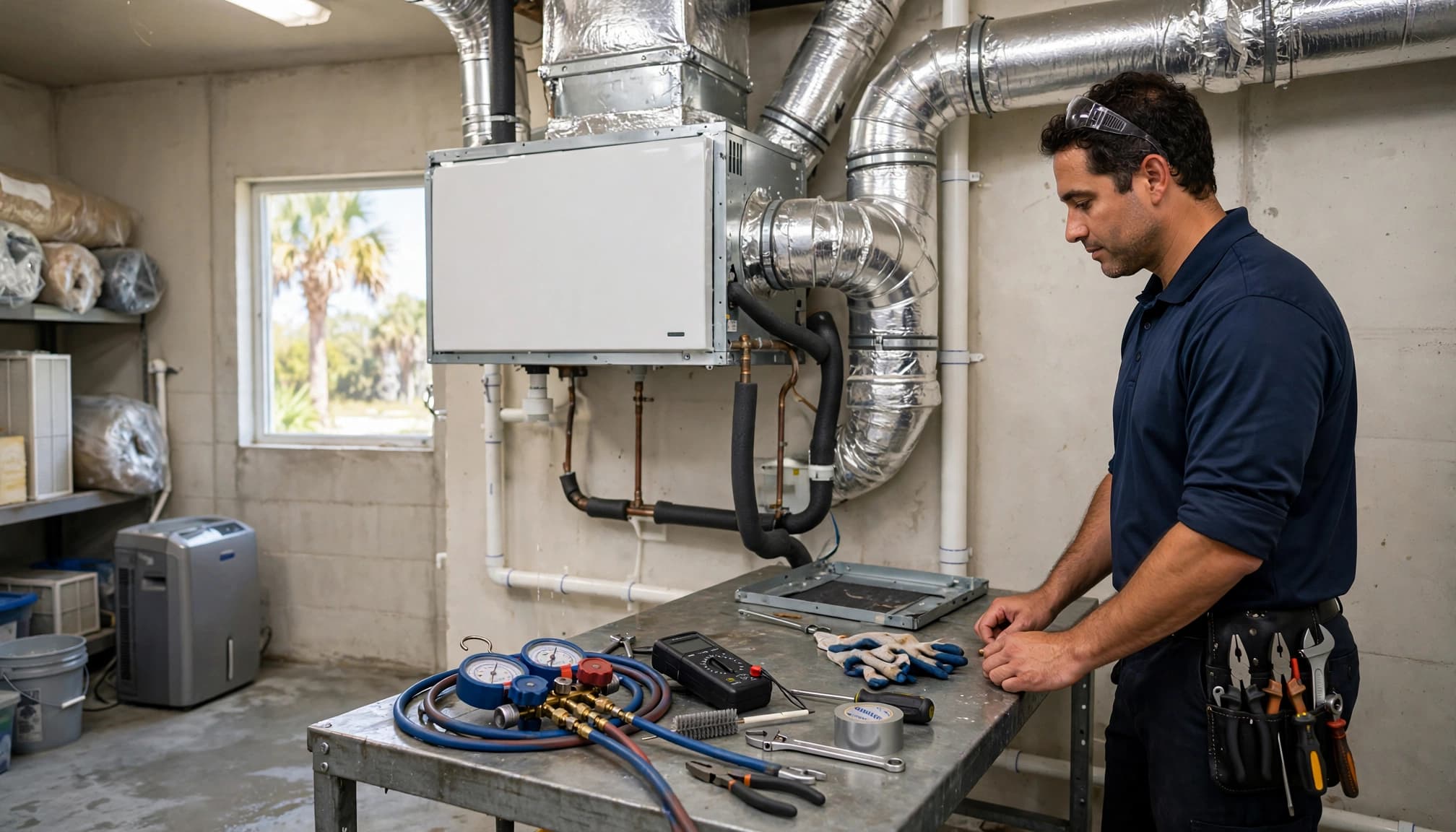
Before planning a second system, confirm that the current unit is operating as designed. A system that is too large, too small, poorly maintained, or connected to damaged ductwork may make the entire home feel uncomfortable.
The unit may be improperly sized
An oversized air conditioner can cool a room quickly without running long enough to remove sufficient humidity. An undersized system may run for long periods and still struggle during hot weather.
Neither problem can be diagnosed reliably from the home's square footage alone. A Manual J load calculation considers the building envelope, windows, orientation, insulation, occupancy, and other cooling factors.
Replacing an incorrectly sized unit may solve the problem more effectively than adding another one. Ask the contractor to explain the calculation and show how the proposed capacity relates to the home's measured needs.
Ductwork and airflow may be limiting comfort
Duct leaks, disconnected sections, restrictive returns, and poor balancing can leave some rooms starved for air. Attic ductwork also faces high temperatures and difficult access, which can affect inspection and repair work.
A duct inspection should cover visible connections, insulation condition, supply registers, return paths, and airflow at problem rooms. The technician should also check condensate drainage and filter access.
If the existing equipment has enough capacity, correcting airflow may improve comfort without installing another complete system.
Florida-Specific Concerns Before Adding Equipment
Florida's climate changes how an HVAC installation should be planned. In Fort Myers and surrounding areas, systems may run for long periods while managing both heat and moisture.
Heat, humidity, and indoor air quality
Florida comfort depends on humidity control as well as temperature. A home can feel clammy even when the thermostat reaches its setting. Moisture can also contribute to musty odors and indoor air quality concerns when drainage, filtration, ventilation, or equipment operation needs attention.
A second system may improve control in a separate area, but it won't automatically correct a moisture problem. Ask how the proposed design will manage condensate, filter changes, return air, and indoor humidity.
The system should also have accessible service panels, drains, and filters. Convenient access makes routine maintenance easier and helps technicians identify issues before they become expensive repairs.
Salt air and coastal exposure
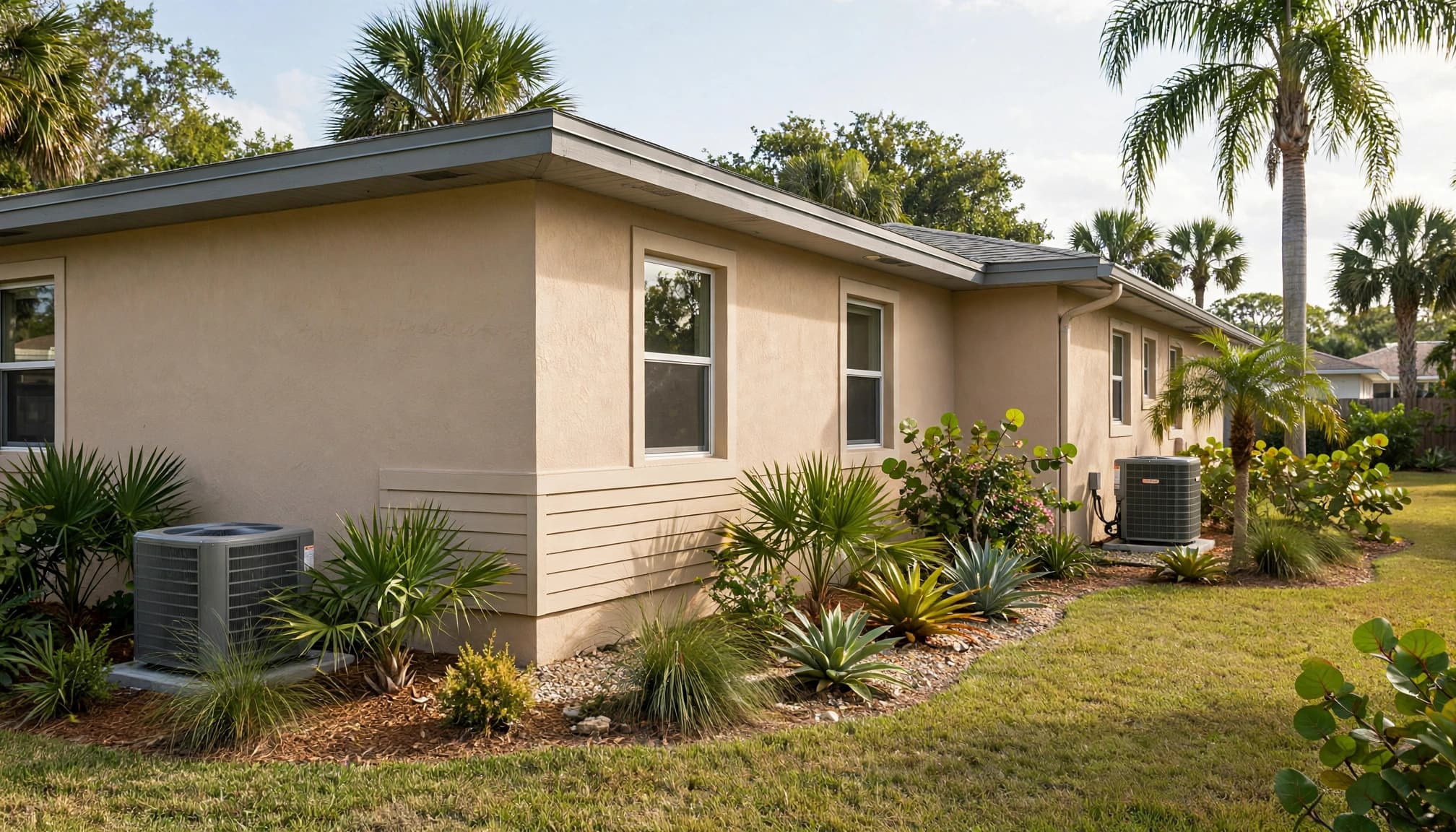
Homes near the coast face salt-air exposure that can accelerate corrosion on outdoor equipment and electrical components. Material selection, equipment placement, coil care, and regular maintenance deserve attention in these locations.
A contractor should discuss how the new condenser will be positioned and protected without restricting airflow. Professional installation guidance for Southwest Florida should also include ductwork, drain setup, equipment sizing, and materials suited to coastal conditions. Review this advice about quality AC installation in Southwest Florida before approving the work.
Second System or Another Solution?
The right answer may be a second system, zoning, repairs, or replacement of the existing equipment. Those choices address different problems, so the diagnosis matters more than the equipment count.
When zoning may be enough
A zoning system uses dampers and separate thermostat controls to manage different parts of a home through one central system. It may be appropriate when the existing unit has adequate capacity and the duct design can support controlled airflow.
Zoning isn't a universal fix. The ductwork, blower, controls, bypass strategy, and equipment compatibility all need review. Poorly designed zoning can create airflow problems or cause the system to operate outside its intended conditions.
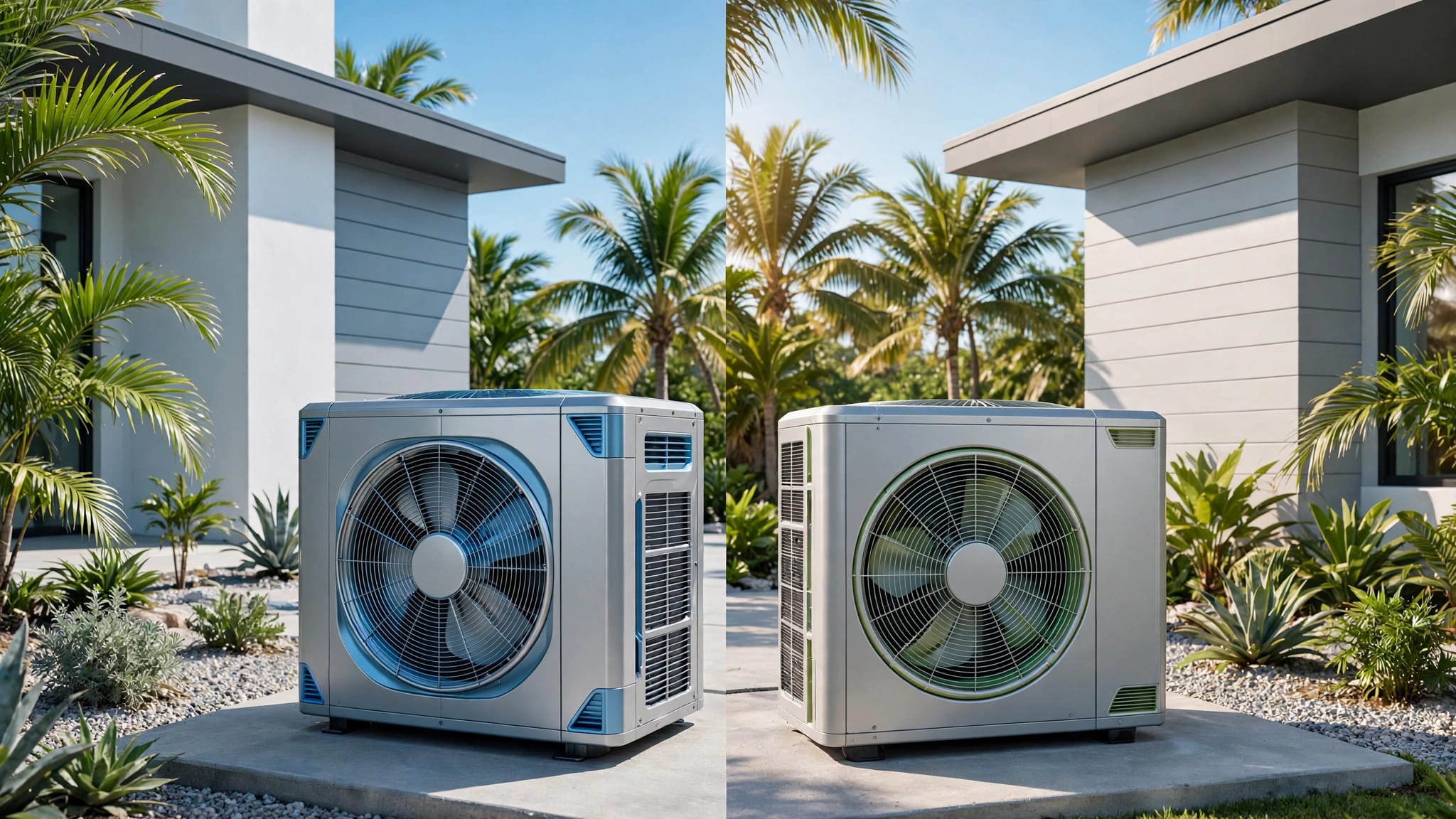
A second system provides more physical separation, while zoning provides control within a shared system. The home's structure and current HVAC design should determine which approach deserves consideration.
When replacement is the better choice
If the current air conditioner is near the end of its service life, frequently breaking down, or unable to meet the home's load, replacing it may be more practical than adding a second unit.
Replacement can also make sense when the existing system was installed without proper sizing or when major duct repairs are already needed. A new system should still be selected through a load calculation, not by matching the old unit's capacity.
Ask whether the proposal includes equipment removal, startup checks, drain verification, electrical requirements, and permit responsibilities where applicable. Valor's guide to preparing for AC installation in Fort Myers covers access, planning, and the responsibilities that should remain with the licensed HVAC crew.
What a Professional Evaluation Should Include
A second AC system should follow a documented assessment of the home. Before accepting a proposal, make sure the contractor addresses the factors that affect comfort, safety, and long-term operation.
Load, ductwork, and electrical review
The evaluation should include a Manual J load calculation for the area the proposed system will serve. The technician should inspect existing ductwork and determine whether new or modified supply and return paths are needed.
An electrical assessment is also necessary. The contractor should confirm available service, disconnect requirements, circuit capacity, and the location of the new equipment. Homeowners shouldn't attempt electrical, refrigerant, or duct modifications themselves.
Permits, drainage, and local requirements
The installation plan should identify who handles local code requirements and permits where applicable. It should also show how condensate will drain and how the equipment will remain accessible for service.
In hurricane-prone areas, ask about secure equipment placement and installation details suited to local conditions. The contractor should explain the plan in clear terms before work begins, including what happens if attic access, structural support, or existing wiring needs attention.
Planning for Efficiency and Reliable Service
Adding a second system increases the amount of equipment that needs filters, inspections, drainage checks, and repairs. Good planning makes those tasks easier and can help you understand how the home will operate.
Choose equipment based on measured requirements and efficiency information, not the largest available capacity. Ask how each system will serve its assigned area and whether thermostats, returns, and registers support that design.
Outdoor units need adequate clearance and a serviceable location. Indoor air handlers need safe access, proper drainage, and room for filter changes. In Southwest Florida, the design should also account for heavy cooling use, humidity, salt air, and storm-related concerns.
A written proposal should identify the equipment, scope of ductwork, electrical work, startup procedure, warranty details, and permit responsibilities. For a home-specific review, you can Schedule an Estimate with a qualified HVAC technician.
FAQ About Adding a Second AC System in Florida
Does every large Florida home need two air conditioners?
No. Home size alone doesn't determine the correct number of systems. Layout, insulation, windows, ductwork, airflow, occupancy, and cooling loads all matter. A properly sized single system or a zoning design may serve the home effectively.
Is a second AC system better than zoning?
Neither option is always better. A second system can suit physically separate areas with different schedules or loads. Zoning may work when one system has sufficient capacity and the ductwork and controls can support separate temperature areas.
Can a second system fix high indoor humidity?
It may help in a separate area, but it doesn't automatically solve moisture problems. The contractor should evaluate system sizing, run times, condensate drainage, return air, filtration, and other indoor air quality factors.
What should I ask an HVAC contractor?
Ask whether the proposal includes a Manual J calculation, duct inspection, electrical assessment, drainage review, equipment placement, local code or permit review, and hurricane-related installation considerations. Request clear information about maintenance access and the responsibilities included in the installation.
Conclusion
A second AC system can be a sensible choice for a Florida home with separate wings, additions, floors, or sharply different cooling needs. Still, the strongest decision comes from finding the cause of the comfort problem first.
Have a licensed HVAC professional compare a second system with zoning, ductwork repairs, or replacement of an improperly sized unit. In Southwest Florida, the right plan must also address humidity, indoor air quality, salt-air exposure, electrical needs, drainage, and storm conditions. Better comfort begins with a measured evaluation, not an automatic increase in equipment.
Recent Posts