
Why Your AC Drain Line Keeps Clogging in Fort Myers
A clogged AC drain line can start as a small drip and turn into water damage fast. In Fort Myers, that problem shows up more often because your system works hard for long stretches, pulling a lot of moisture out of the air.
If you keep finding puddles near the air handler, musty smells, or a unit that shuts off on its own, the drain line is a likely suspect. The good news is that the cause is usually simple, even if the fix is not something you want to handle alone.
Why Fort Myers Homes Get More Drain Line Clogs
Southwest Florida gives your AC no real break. Warm temperatures and heavy humidity force the system to run often, and every long cycle creates more condensation on the indoor coil. That water has to move through a small drain line, and a small line is easy to slow down.
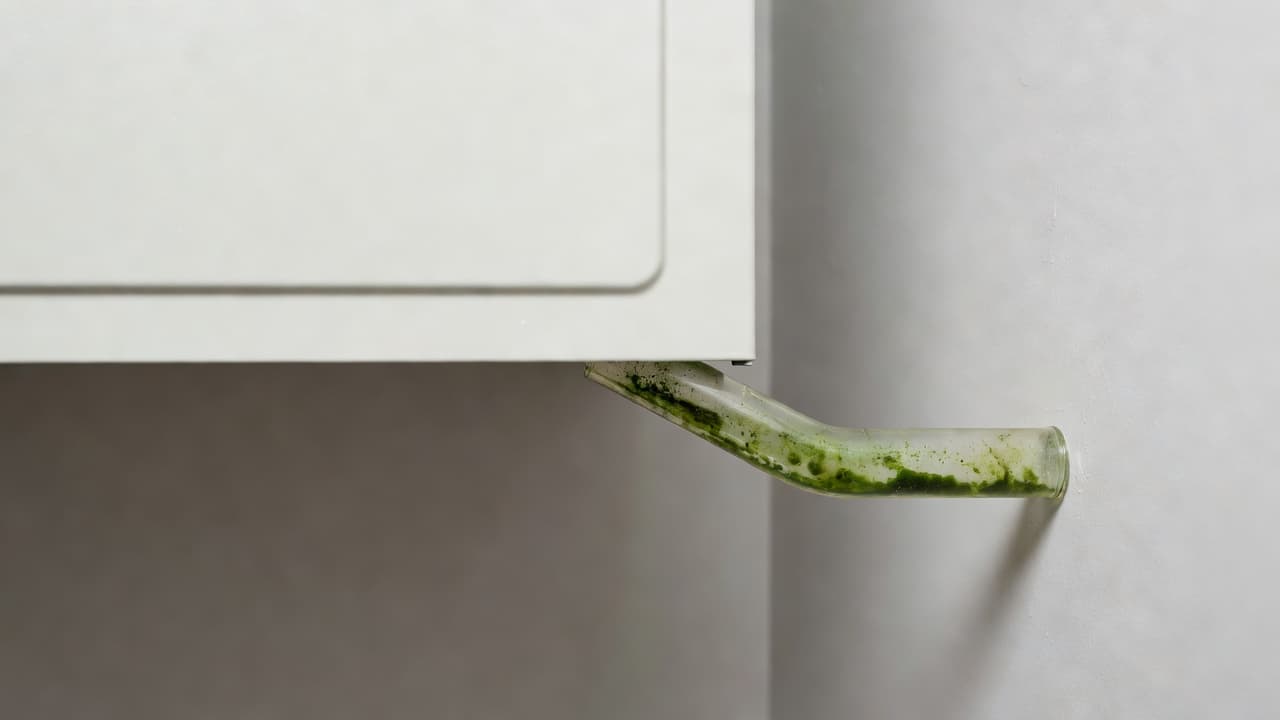
Over time, warm moisture, dust, and tiny bits of debris create a slimy film inside the pipe. That film grows faster in humid weather. In a place like Fort Myers, the line may stay damp for long periods, which gives algae and sludge a chance to build up.
Air conditioners here also deal with more airborne dirt than many homeowners expect. Pollen, pet hair, insulation fibers, and general dust can reach the drain pan if the filter is overdue for a change or the return duct pulls in dirty air. Once that material gets wet, it sticks.
A seasonal AC tune-up in Fort Myers helps catch those problems before they turn into a backup.
What Usually Blocks the Line
The drain line does not clog for one reason only. Usually, it is a mix of moisture, dirt, and poor flow. A line that is too flat or has a low spot can hold water instead of moving it out of the house. That standing water gives buildup more time to form.
Some of the most common troublemakers are easy to picture:
- Algae and slime : Warm water inside the line helps growth spread.
- Dust and lint : These wash off the coil and stick to the pipe walls.
- Pet hair and debris : They can collect in the drain pan and travel down the line.
- Rust or insulation bits : Older systems and attic spaces can shed material into the drain path.
Sometimes the real issue starts earlier than the pipe itself. A dirty evaporator coil can shed grime into the drain pan. A worn drain pan can hold water in the wrong spots. Even a small installation mistake can create a slow backup that keeps coming back.
If the line keeps clogging after a cleaning, the problem is often upstream, not inside the pipe alone.
That is why recurring drain trouble deserves more than a quick rinse. The whole drainage path has to work together.
Warning Signs You Shouldn't Ignore
Some AC drain problems announce themselves right away. Others hide until the water starts pooling somewhere you do not want it. The earlier you catch the signs, the less likely you are to deal with drywall damage, ceiling stains, or moldy smells.
Watch for these clues:
- Water around the indoor unit : A small puddle near the air handler often points to a backed-up line or overflow pan.
- Musty odors : Moisture sitting in the drain pan or around the coil can create that damp, stale smell.
- A system that shuts down by itself : Many units have a float switch. If the pan fills with water, the switch cuts power to protect the system.
- Higher indoor humidity : If rooms feel sticky even while the AC runs, the system may not be draining or dehumidifying the way it should.
A clogged drain line can also make the whole system feel inconsistent. Some rooms may cool fine, while others stay muggy. That happens because moisture is not leaving the unit the way it should.
If you notice several symptoms at once, check the full list of early AC repair signs. Drain trouble often shows up before a bigger breakdown.
Prevention Habits That Actually Help
Good prevention starts with simple habits. A clean filter helps keep dust out of the coil and drain pan. When the filter gets clogged, the system has to work harder, and more dirt can settle where it does not belong.
Keep return vents open and clear. Do not block airflow with furniture, rugs, or storage bins. Better airflow helps the coil stay cleaner and reduces the strain that leads to excess moisture.
Also, keep the area around the indoor air handler clean and dry. In garages, closets, or attics, clutter can hide leaks and make it harder to spot early warning signs. A quick visual check every few weeks is enough to catch a fresh drip or stain.
Do not pour harsh cleaners into the drain line. Bleach, wire hangers, and store-bought drain openers can damage parts or push the clog deeper. They can also hide the real problem for a short time and let it return later.
A professional maintenance visit is the safest way to keep the line clear, because a technician can check the pan, coil, float switch, and drain slope in one visit. That matters in Fort Myers, where the system spends much of the year moving water out of the air.
When Repeated Clogs Point to a Bigger Issue
One clog can happen even in a well-kept system. Repeated clogs usually mean something else is wrong. The drain line may have a bad slope, the pan may be cracked, or the coil may be dirty enough to feed the problem over and over.
Sometimes the float switch keeps tripping because the line is only partly blocked. In that case, the system may shut off before you see a major flood. That safety feature helps, but it also tells you the problem is not gone.
Other times, the issue comes from airflow trouble or a system that is not draining evenly. A technician can spot those patterns faster than a homeowner can. That is especially true when the backup shows up only during the hottest, most humid weeks of the year.
If your AC drain line keeps clogging, Schedule an Estimate so a technician can inspect the whole drainage setup instead of treating the symptom over and over.
Conclusion
In Fort Myers, AC drain line clogs happen more often because your system runs hard and pulls a lot of moisture from the air. That constant wetness gives algae, dust, and sludge a place to build up.
The warning signs are easy to miss at first, but water leaks, musty odors, float switch shutdowns, and rising indoor humidity all point to trouble. When those problems keep coming back, professional maintenance is the right next step. A recurring clog is not a small annoyance, it is a sign the system needs a closer look.
Recent Posts