How to Compare AC Sound Ratings Before Replacing Your System
A new air conditioner can lower energy use and still create more noise than you expected. That often happens when homeowners compare one headline number without checking what the number measures.
AC sound ratings help you compare replacement options, but they only work when the comparison is fair. The outdoor condenser, indoor air handler, ductwork, placement, and installation all affect what you hear at home.
Use the published data as a starting point, then match it to your house, your neighbors, and the way your system will operate.
How to Compare AC Sound Ratings on Equal Terms
A decibel number is useful only when both manufacturers measured it under similar conditions. Before choosing a system, look beyond phrases such as "quiet operation" or "low sound."
Ask for the technical submittal or product data sheet for every option. It should identify the exact model number, sound metric, operating mode, and test basis.
Sound power and sound pressure are different measurements
Most central AC manufacturers publish an outdoor unit's sound power level , often shown as dBA. Sound power describes the acoustic energy produced by the equipment itself. It gives homeowners a better apples-to-apples comparison between two condensers.
Sound pressure is different. It describes what a person or microphone hears at a given location. Distance, walls, landscaping, patios, fences, and nearby buildings can all change that result.
Don't compare one condenser listed with sound power to another listed with sound pressure. A lower number on paper may not mean the unit is quieter.
Check the condition behind the rating
Variable-speed systems can produce different sound levels at different compressor and fan speeds. A unit may run softly during low-load conditions, then become more noticeable during a hot Southwest Florida afternoon.
Look for details such as:
- The cooling capacity and equipment size tied to the rating.
- Whether the figure applies to low, nominal, or maximum operation.
- The stated fan speed or external static pressure for indoor equipment.
- Whether the number is A-weighted, shown as dBA.
A rating without those details is incomplete. Ask the contractor to compare the same type of measurement for each proposed model.
Match the Exact Outdoor and Indoor Models
Central air conditioning is a connected system, not a collection of separate appliances. The condenser outside and the air handler inside both create sound, and the matched combination matters.
A proposal should list the full outdoor model, indoor air-handler or fan-coil model, heat-strip information if applicable, and thermostat type. Small changes in a model suffix can change capacity, blower performance, and published sound data.
Start with the outdoor condenser documentation
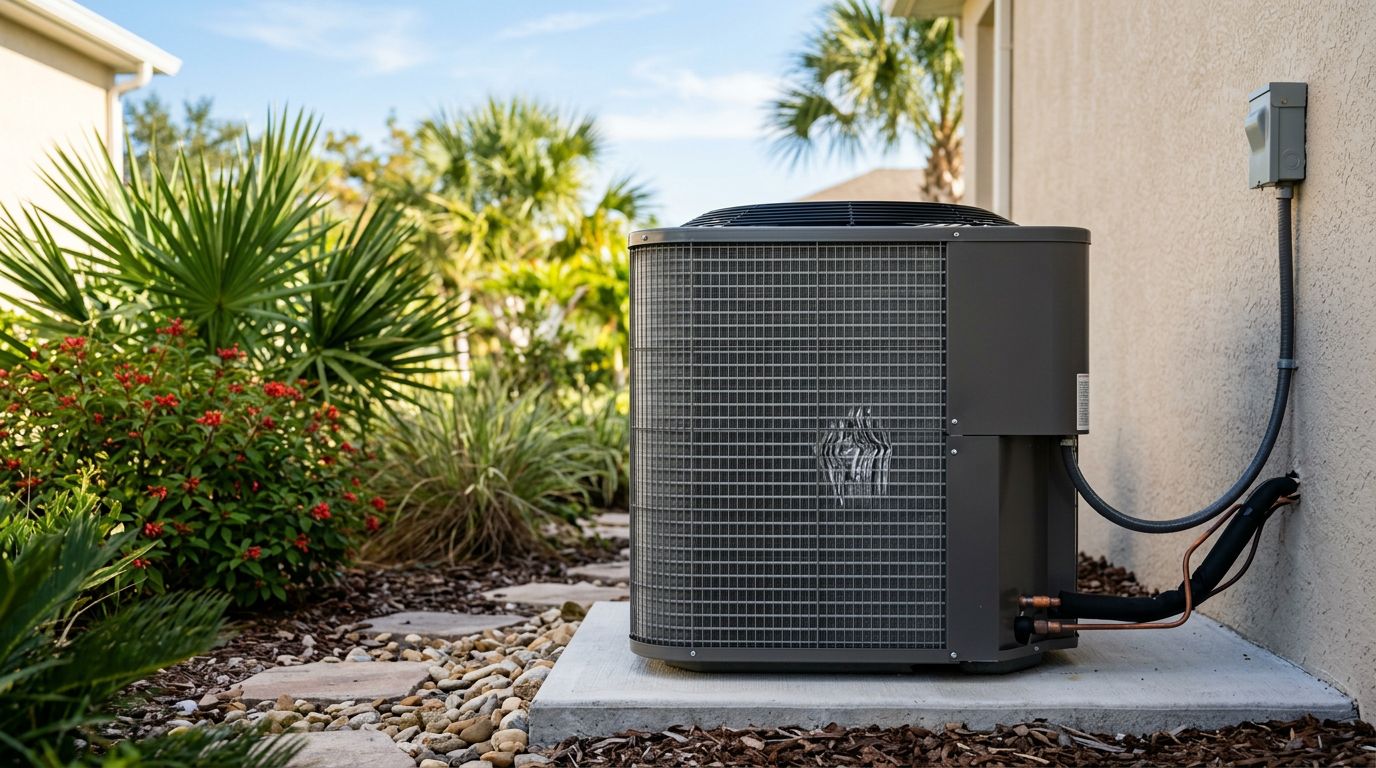
The compressor and condenser fan usually create the sound people notice outdoors. Locate the manufacturer's technical data sheet for the exact capacity under consideration, such as a 2.5-ton or 4-ton model.
A larger capacity in the same product family may have a different sound rating. Therefore, comparing a brochure's quietest model with a quote for a different size won't tell you much.
AHRI uses sound-power-based methods for HVAC equipment ratings. That shared basis is useful, but only when the submitted documents show comparable data.
Do not skip the indoor air handler
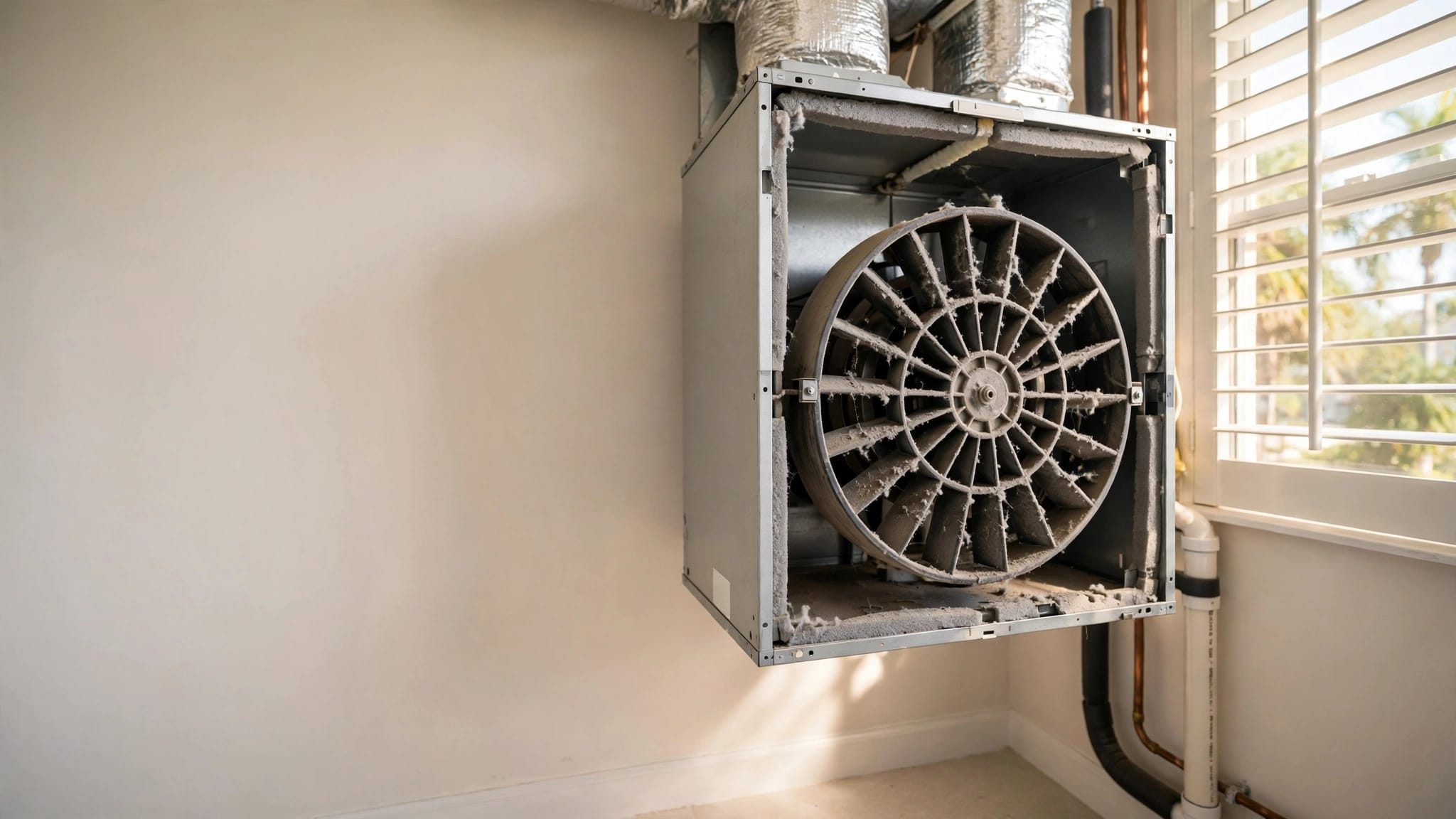
An indoor blower can be the louder part of the system, especially when the air handler sits in a garage closet, utility room, attic, or hallway near bedrooms. Blower noise may travel through return grilles, supply vents, loose duct connections, and thin closet doors.
Some indoor documents report octave-band sound power rather than one simple dBA number. Those details can reveal tones that feel more noticeable than a broad average rating suggests.
Ask how the proposed air handler will perform at your home's required airflow. A blower set too high can produce rushing air, grille noise, and duct vibration even when the equipment has a good published rating.
What Outdoor AC Noise Will Sound Like at Your Home
The lowest listed rating doesn't automatically produce the quietest backyard. Your home creates its own acoustic conditions.
Distance matters first. In open space, sound pressure often drops by about 6 dB each time the listener's distance from a source doubles. Real yards rarely behave like open space, though. Stucco walls, screened lanais, fences, and neighboring homes can reflect or block sound.
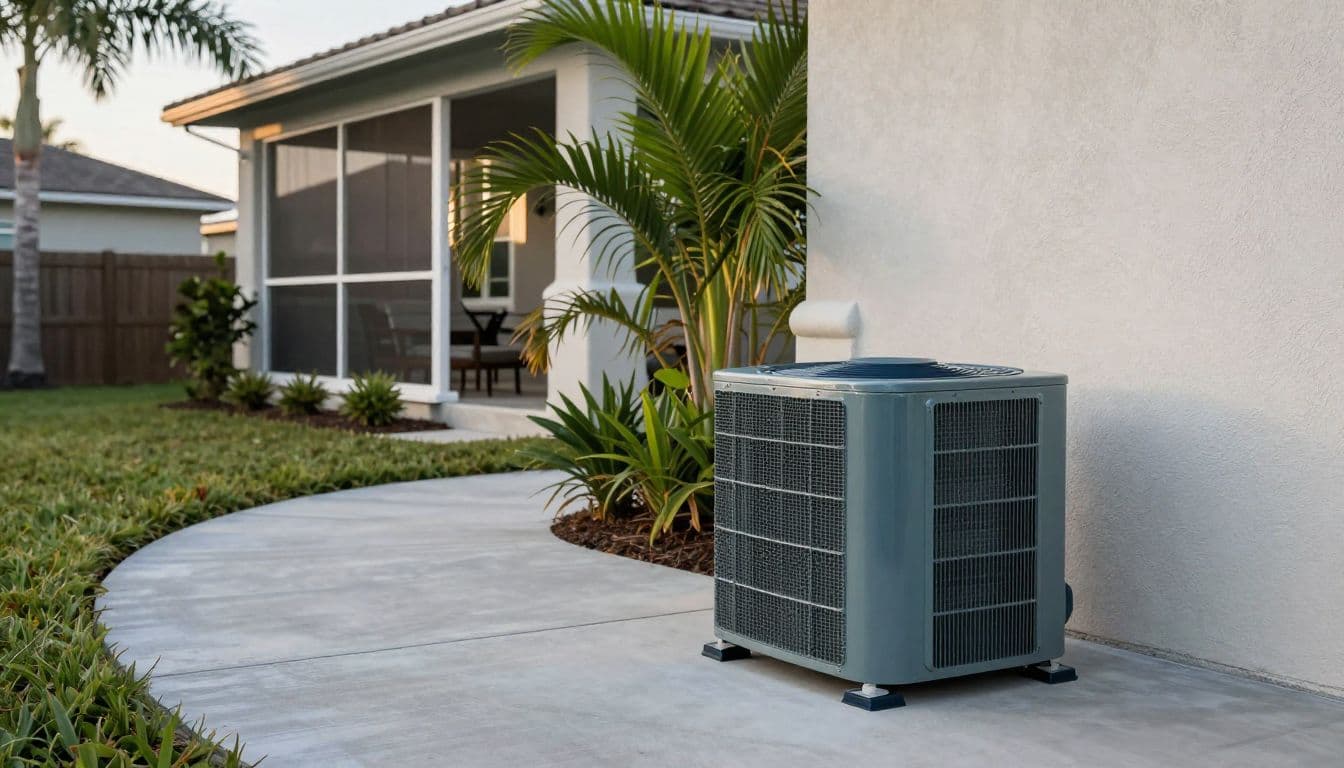
Placement can matter as much as the rating
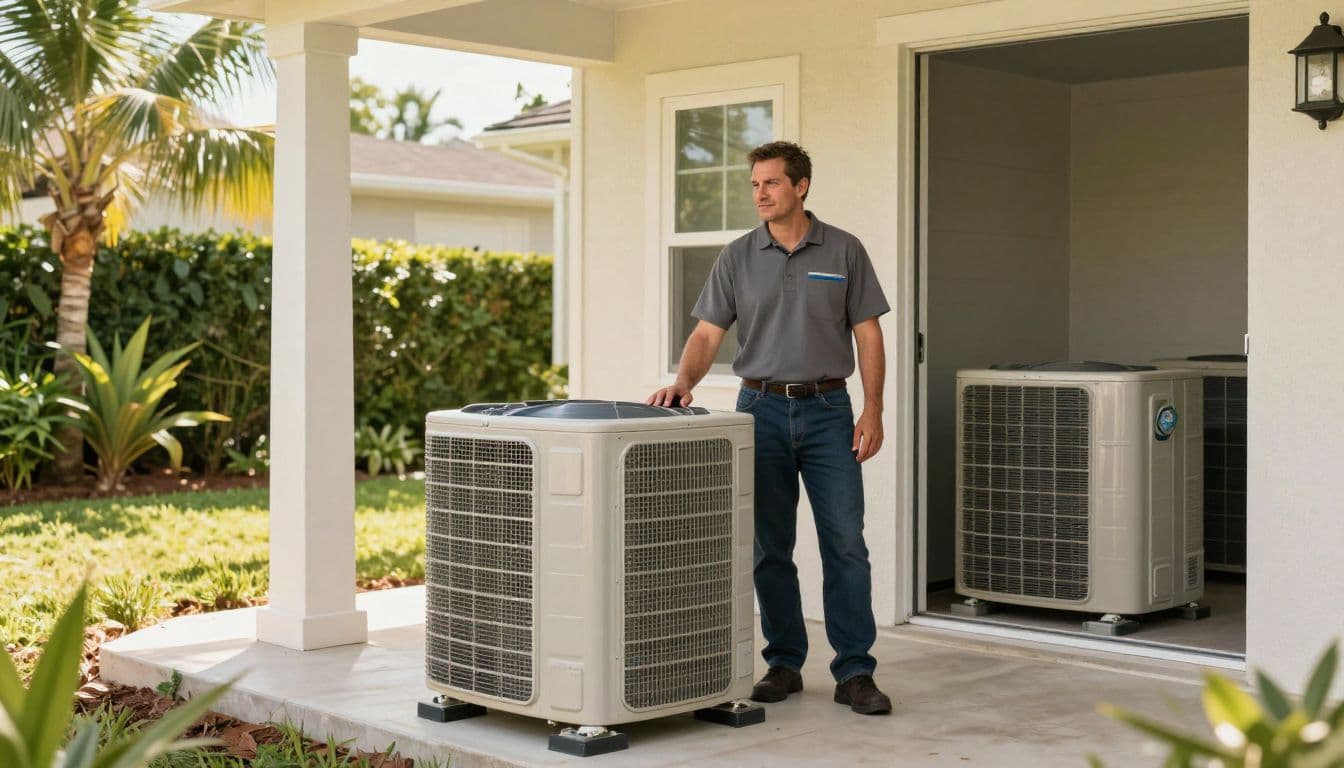
A condenser beside a bedroom window or near a lanai deserves more attention than one placed farther from living areas. Also consider the neighbor's windows, outdoor seating, and property line.
Avoid squeezing equipment into a tight alcove without a contractor's approval. Restricted airflow can affect system performance, while hard nearby surfaces may bounce sound toward the places where people sit or sleep.
In Fort Myers and Lee County, exterior location also needs to account for service access, drainage, coastal exposure, and local code requirements. A thoughtful placement plan protects comfort without treating sound as an afterthought.
A published sound rating compares equipment sources. It cannot predict the exact noise level at your patio, bedroom, or property line.
Indoor Airflow Can Create More Noise Than the Equipment
Homeowners often focus on the outdoor unit because it is easy to hear. Yet loud returns, whistling supply vents, and a rumbling closet air handler can be more disruptive indoors.
The indoor side needs enough return-air capacity and properly sized ducts. If air has to force through a small grille or undersized duct, velocity rises and so does the chance of audible airflow.
Listen for duct and grille concerns before replacement
Tell the estimator where you hear noise now. Mention rattling near vents, a booming return grille, closet vibration, or rooms that become loud when the blower starts.
Those symptoms can point to duct restrictions, loose metal, weak supports, or excess static pressure. Replacing only the condenser may leave those issues untouched.
For this reason, compare proposals that include a review of the air handler, return path, supply ducts, and drain setup. Why professional AC installation matters becomes clear when a quiet-rated system is paired with poor airflow or loose connections.
Ask about blower settings and system controls
A properly selected variable-speed air handler may spend more time at lower airflow, which can reduce everyday fan noise. However, it still needs to move enough air to manage heat and humidity.
A technician should set airflow during startup, not leave the equipment at a generic factory setting. The thermostat, duct design, filter type, and refrigerant charge all affect how the system operates after installation.
Installation Quality Changes the Result
Even a low-sound condenser can transmit vibration into the house if the installer uses an unstable pad, poor line-set support, or loose mounting hardware. Indoors, unsupported ducts and poorly sealed returns can turn normal airflow into a rattle or hum.
The goal is a stable, accessible installation that gives the system room to breathe and makes future service easier. That includes secure refrigerant lines, sound vibration control where appropriate, correctly supported ducts, and panels that fit tightly.
Compare the installation scope, not only equipment price
A lower quote may list the same condenser but omit duct corrections, a new pad, electrical work, drain improvements, or removal of problem sections. Noise concerns belong in the written scope of work.
Review how to compare AC replacement quotes before making a price-only decision. Ask each contractor to explain the placement plan and any steps they will take to address known noise issues.
If an old system suddenly became louder, get it inspected before assuming replacement is the only answer. A failing fan motor, loose panel, damaged compressor mount, or duct issue can create noise that a technician can identify.
A Practical Checklist for Comparing Replacement Options
Bring this list to every estimate appointment. It keeps each proposal focused on the details that affect noise in your home.
- Request the manufacturer sound data for the exact outdoor condenser model and indoor air-handler model.
- Confirm whether each figure is sound power or sound pressure, then compare matching measurements only.
- Ask which operating condition produced the listed rating, especially for variable-speed equipment.
- Identify the condenser's planned distance from bedrooms, the lanai, neighbor windows, and property lines.
- Tell the estimator about noisy return grilles, rattling ducts, or rooms with strong airflow.
- Review the written installation scope for pad work, line-set support, duct repairs, drains, and startup adjustments.
- Confirm that the quoted indoor and outdoor equipment are an approved matched system.
A home visit gives the contractor details that a phone quote cannot. For equipment guidance and a clear written scope, Schedule an Estimate with a Valor Heating & Cooling technician.
Common Questions About AC Noise Ratings
Is a lower dBA rating always better?
A lower dBA rating on the same measurement basis usually indicates a quieter equipment source. Still, a rating alone cannot account for your home's distance, walls, ductwork, operating speed, or installation quality.
Compare two like-for-like ratings first, then review where and how the equipment will be installed.
What AC sound rating should I look for?
There is no one right number for every home. Instead, compare the proposed condenser against similar-capacity models with the same published sound metric and operating condition.
A lower rating may be worth the added cost when the unit sits close to bedrooms, patios, or neighbors. In other locations, duct improvements or better placement may have a larger effect.
Can an existing system become louder with age?
Yes. Worn fan motors, compressor wear, vibration, loose panels, deteriorated insulation, and damaged ductwork can all add noise. A sudden new sound deserves a service evaluation, especially if cooling or humidity control has also changed.
Choose a Rating, Then Plan for the House
AC sound ratings give you a reliable comparison tool when the data comes from the exact equipment documents and uses the same measurement basis. They should guide the decision, not replace an on-site assessment.
The quietest outcome comes from a suitable system, careful condenser placement, healthy ductwork, and solid installation work. Published ratings matter, but the finished installation determines what you live with every day.
Recent Posts