

Fan Coil Unit Planning for Commercial Buildings

Valor HVAC • November 17, 2026

Share this article

If you're considering a fan coil unit for a commercial building, look at the whole HVAC plan alongside the equipment choice. Separate rooms may have different comfort needs, while ventilation and humidity control require attention across the building.

In Southwest Florida, long cooling seasons can make small airflow or drainage problems more noticeable. A sound plan starts with how your space is used and how the equipment will be maintained.

Plan Commercial HVAC Around Occupied Spaces

A private office, conference room and retail floor can have different cooling needs, even when they're in the same building. Sun exposure, the number of occupants and operating hours all affect how much cooling a space needs.

Before choosing equipment, map out the areas that need separate temperature control. Include rooms that run on different schedules, such as an office used during the day and a meeting space occupied in the evening. This gives an HVAC technician a clearer picture of where comfort complaints occur.

The layout matters, too. Supply and return air need clear paths, and closed doors or partitions can change how air moves through a space. If one room feels warmer than another, the cause could be restricted airflow, heat gain or an equipment problem.

For businesses comparing broader system choices, our guide to rooftop versus split commercial systems covers space, access and installation considerations.

Account for Ventilation and Indoor Air Quality

Comfort depends on more than the temperature displayed on a thermostat. A commercial HVAC plan also needs to address outdoor air, filtration and potential sources of indoor air complaints.

Provide for Outdoor Air

Cooling indoor air doesn't automatically provide the outdoor air a building needs. Ventilation requirements depend on the space and its use, so they belong in the building's HVAC design rather than being treated as an afterthought.

When several people report stale air or similar symptoms, an HVAC professional can assess ventilation along with the building's other conditions. Persistent complaints may also call for an indoor air quality professional or industrial hygienist.

Match Filtration to the Equipment

Filters capture airborne particles, but a higher-efficiency filter can also add resistance to airflow. An HVAC professional can assess fan capacity and static pressure before a filter upgrade.

Keep potential pollutant sources in view as well. Cleaning products, printers, water damage and outdoor exhaust can affect an occupied space independently of the HVAC equipment. Our commercial office air quality checklist offers a framework for reviewing those sources.

Manage Humidity During Florida's Cooling Season

A room can feel cool and still feel damp. Southwest Florida's humid air places extra demands on cooling equipment, drain pans and controls, particularly during long periods of operation.

Watch for Moisture Around Equipment

Condensation needs a clear route away from cooling equipment. Standing water, a stained ceiling tile or a musty odor can point to a drainage or moisture problem that deserves attention.

Facilities staff can look for visible water during routine rounds. A technician can inspect the drain pan and line, test drainage and investigate recurring moisture. Keep records of where and when a problem appears, since that information can help narrow down the cause.

Address Airflow and Cooling Together

Dirty filters and coils can restrict airflow and reduce cooling performance. A technician can evaluate airflow and inspect the coil rather than assuming a thermostat adjustment will solve a sticky or uncomfortable room.

Poor humidity control can have several causes, so a single damp room doesn't automatically mean equipment needs replacement. The assessment should consider the affected space, system condition and ventilation.

Make Maintenance and Service Access Part of the Plan

Commercial HVAC equipment needs room for inspection and repairs. Access may be limited above a finished ceiling, in a mechanical room or around an outdoor unit, so include service clearance in the planning process.

Keep a Written Maintenance Record

A useful maintenance agreement describes the work covered and identifies whether filters, replacement parts and repairs cost extra. Professional service can include airflow evaluation, electrical checks, coil inspection, drain testing and control checks.

Record the equipment location, service dates and repair recommendations for each system. When a complaint returns, those notes help the technician see what has already been inspected and where conditions have changed.

Know When to Request Service

Weak airflow, recurring thermostat problems, new sounds and water near equipment are reasons to arrange an inspection. Staff can report these signs without opening electrical panels or handling refrigerant.

If a cooling failure threatens business operations or creates unsafe conditions, emergency service may be appropriate. Keep people away from exposed wiring and water near electrical equipment.

We provide HVAC maintenance, repair and replacement services in Southwest Florida. For help assessing your building's equipment, you can Schedule an Estimate with our team.

Make the HVAC Plan Fit the Building

A fan coil unit decision is one part of a larger commercial HVAC plan. Room use, ventilation, humidity and access all affect how comfortable and serviceable the building will be.

Give your HVAC technician a clear picture of the spaces you use and the problems you've noticed. That information helps guide an assessment of the equipment and the building around it.

Recent Posts

By Valor HVAC • November 27, 2026
Yes, ductless AC can be a practical whole-home option for older Florida houses, but the decision depends on the building. Whole-home planning needs to account for room layout, moisture, electrical capacity, and the condition of any existing ductwork. For Southwest Florida home...
By Valor HVAC • November 26, 2026
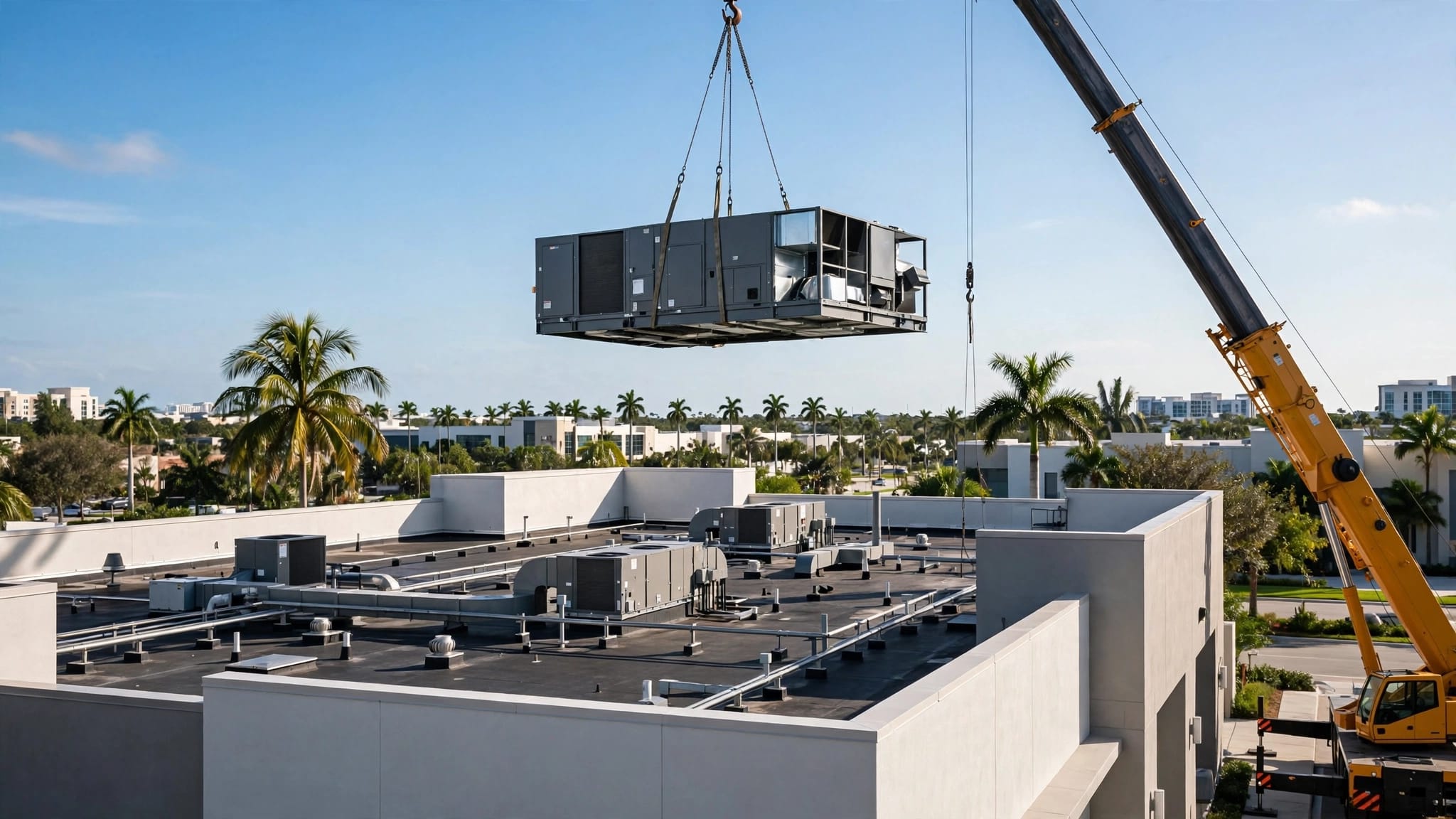
A commercial HVAC replacement cost in Fort Myers depends on the equipment and the work needed to install it. A straightforward swap may involve little more than replacing a compatible unit, while another project may need a crane, duct repairs, electrical changes, and roof work...
By Valor HVAC • November 25, 2026
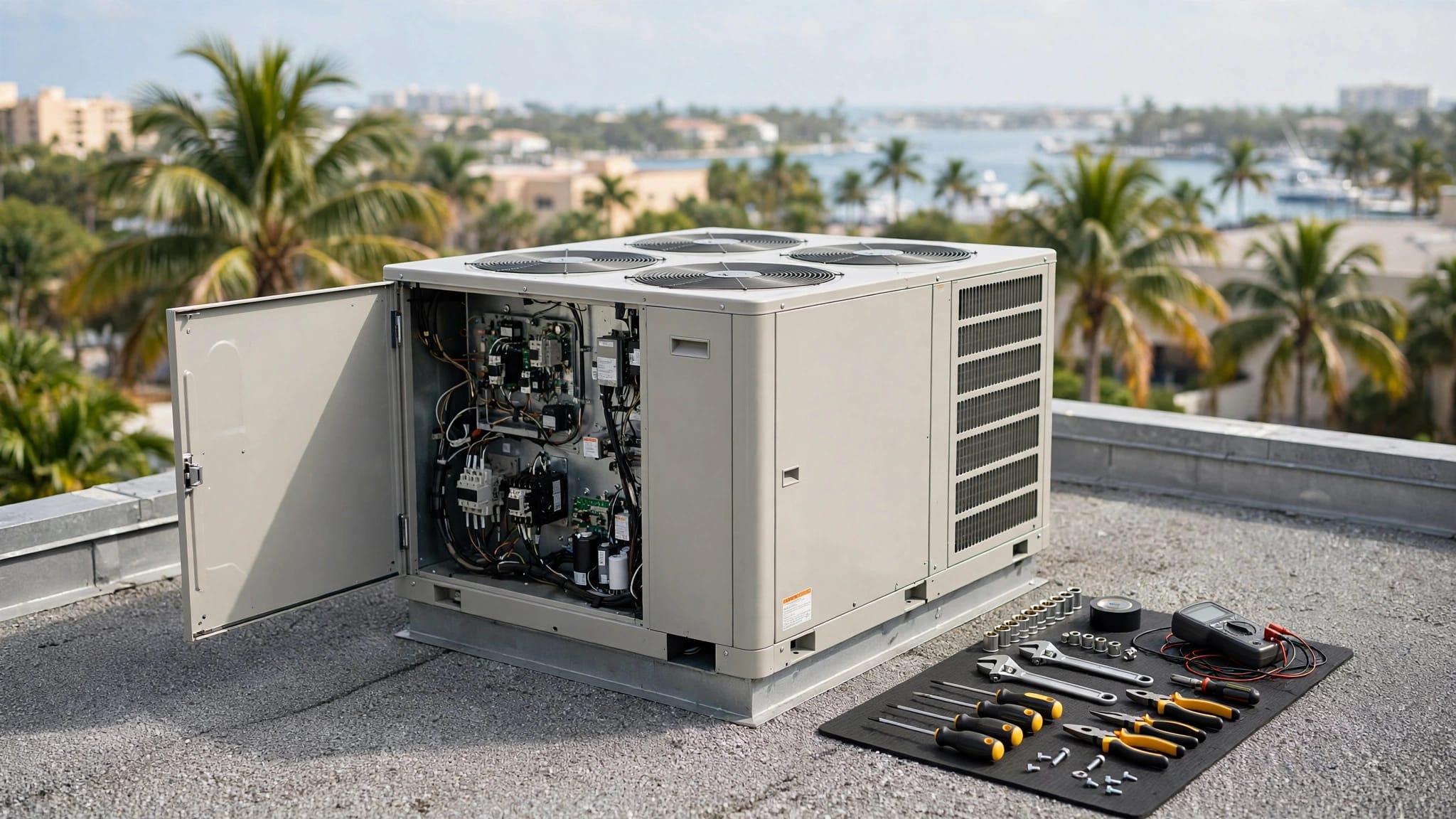
Commercial HVAC repair cost in Fort Myers can range from a few hundred dollars for a smaller repair to several thousand dollars for a major failure. A national commercial pricing guide puts common repairs at $300 to $2,500 , though a complex job can cost more. Your final price...