Heat Pump vs Central AC for Fort Myers Homes

Valor HVAC • June 8, 2026

Share this article

Fort Myers homes spend most of the year asking one thing from HVAC systems, stay cool and dry. That makes the heat pump vs central AC choice more than a name on a quote.

The two systems can look similar, but they don't always fit a Florida home the same way. Because Southwest Florida has long cooling seasons, high humidity, and salt air near the coast, the better choice depends on how you use your home.

If you're replacing equipment, the details matter more than most people expect.

How Heat Pumps and Central AC Fit Fort Myers Weather

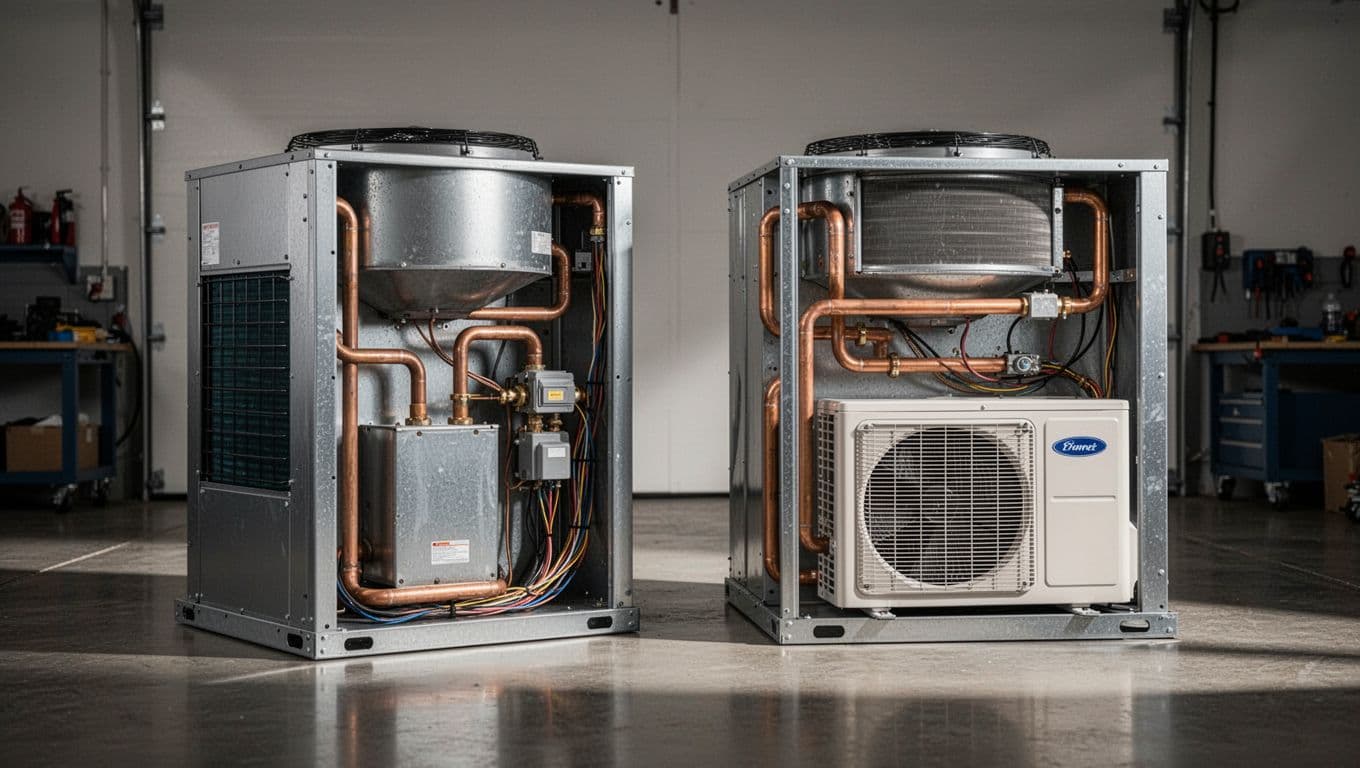
A heat pump cools your home in summer and can warm it in winter by reversing refrigerant flow. Central AC cools the home only, so it needs another heat source if you want warmth on cooler days.

In Fort Myers, that difference matters less than it would in a colder state. Summer cooling runs for months, while winter heat is used only part of the year.

That means comfort in this market comes down to cooling strength, humidity control, and how well the system handles long run times. The outdoor unit also has to stand up to coastal wear. Salt air can be rough on metal parts, so upkeep matters no matter which system you pick.

In Fort Myers, the best system is usually the one that cools well, manages humidity, and fits the home's setup without wasting money.

Upfront Cost and Installation: What Usually Changes the Bill

Heat pumps usually cost more upfront than a basic central AC replacement. The added cost comes from the reversing valve, extra controls, and the fact that the unit does double duty.

If your home already has ductwork and you're swapping one cooling system for another, central AC is often the cheaper route. That can matter when the budget is tight or the current heating setup is still working.

A heat pump can make more sense if you want one system for both cooling and heating. It may also replace the need for a separate heater or electric heat strips. The real math depends on what you already own.

A side-by-side view makes the tradeoffs easier to see.

Factor Heat Pump Central AC
Upfront price Usually higher Usually lower for a like-for-like replacement
Cooling performance Strong when sized right Strong when sized right
Heating ability Built in Needs another heat source
Installation complexity A bit more involved Often simpler
Best fit One system for both seasons Lowest-cost cooling replacement

The main takeaway is simple. Central AC often wins on first cost, while a heat pump can make sense when you want one system for year-round comfort.

Energy Use, SEER2, and Comfort During Long Cooling Seasons

Since Fort Myers homes spend most of the year cooling, efficiency ratings deserve close attention. SEER2 tells you how well a system cools across the season, so it matters for both heat pumps and central AC.

For a heat pump, HSPF2 also matters because it measures heating efficiency. In Fort Myers, that number still matters, but cooling performance usually matters more. Most homeowners feel the summer bill long before they notice a winter heating bill.

A higher SEER2 system can lower cooling costs, especially if your AC runs for long stretches. Variable-speed or two-stage equipment can also help a system run longer at lower output. That often feels steadier and less harsh than short, loud cycles.

Comfort also depends on how the system is set up in the home. A well-sized central AC can feel better than an oversized heat pump, and the reverse is true too. Duct design, insulation, and thermostat settings all shape how the house feels.

That is why two homes with the same equipment can have very different results. The label on the outdoor unit matters, but the install matters more.

Humidity, Salt Air, Repairs, and Lifespan

Humidity control matters in Fort Myers because a cool room that still feels sticky is not comfortable. Both systems can do a good job, but they need the right size and the right run time. Short cycling leaves moisture behind.

That's why oversizing causes so many comfort complaints. A system that cools too fast shuts off before it pulls enough moisture from the air. The result is a house that feels cold and damp at the same time.

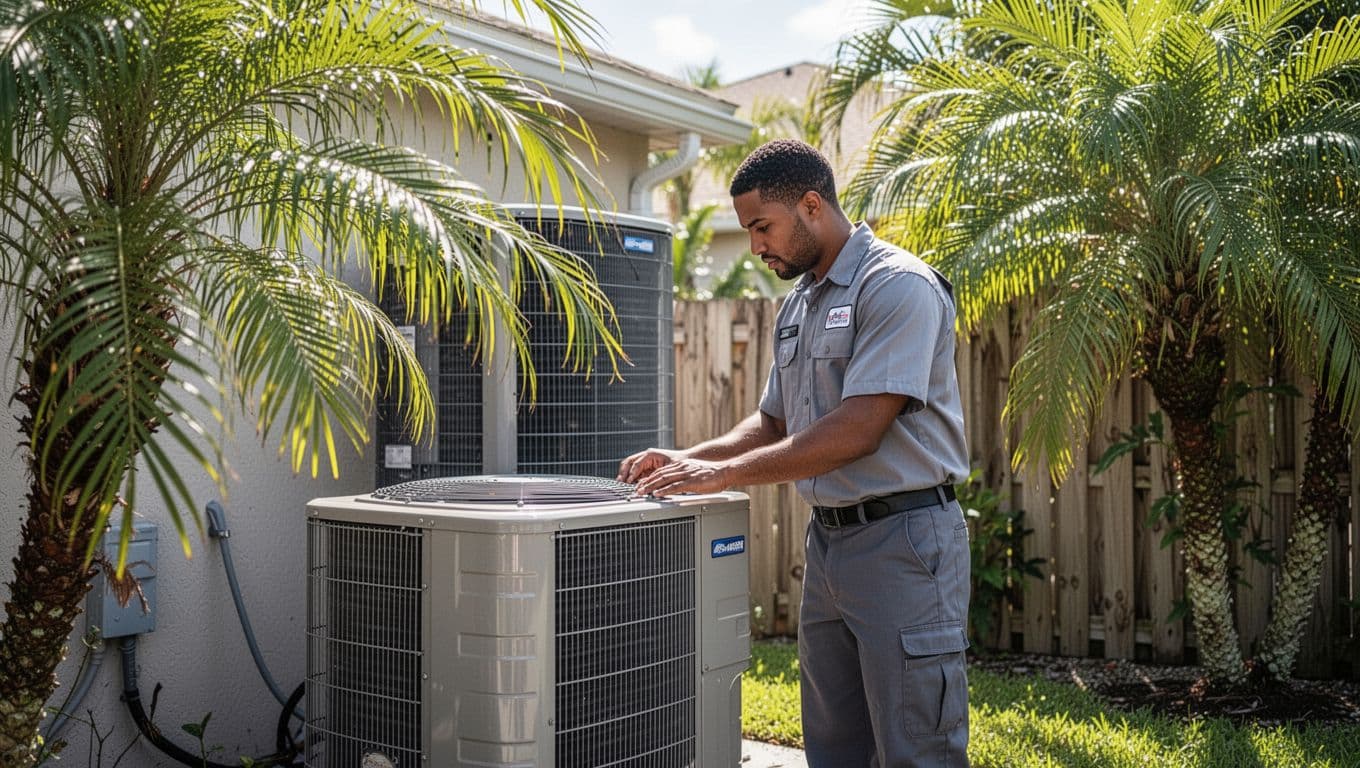
Salt air near the coast can also shorten the life of outdoor parts. Coils, fasteners, and cabinet surfaces take a beating over time. Regular service helps either system last longer.

A few habits help both systems hold up better in Southwest Florida:

  • Change filters on schedule.
  • Keep leaves, sand, and debris away from the outdoor unit.
  • Have the drain line and outdoor coil checked during service visits.

Heat pumps have a few extra parts, so repairs can be a little more involved. Central AC systems are often simpler if they only cool, though compressors, capacitors, contactors, and fan motors still wear out on either system.

In Fort Myers, many systems last around 10 to 15 years, sometimes longer with good maintenance. Coastal exposure, usage patterns, and install quality can move that number up or down. Good care usually costs less than waiting for a major breakdown.

Which System Fits a Full-Time Resident or Seasonal Homeowner?

For full-time residents, a heat pump often makes sense when winter heating still matters and you want one system for everything. It can be a smart pick for people who like simpler equipment and steady comfort.

For seasonal homeowners, central AC can be attractive if the home rarely needs heat and the main goal is a lower replacement bill. If you're not in the house much during winter, extra heating capability may not add enough value.

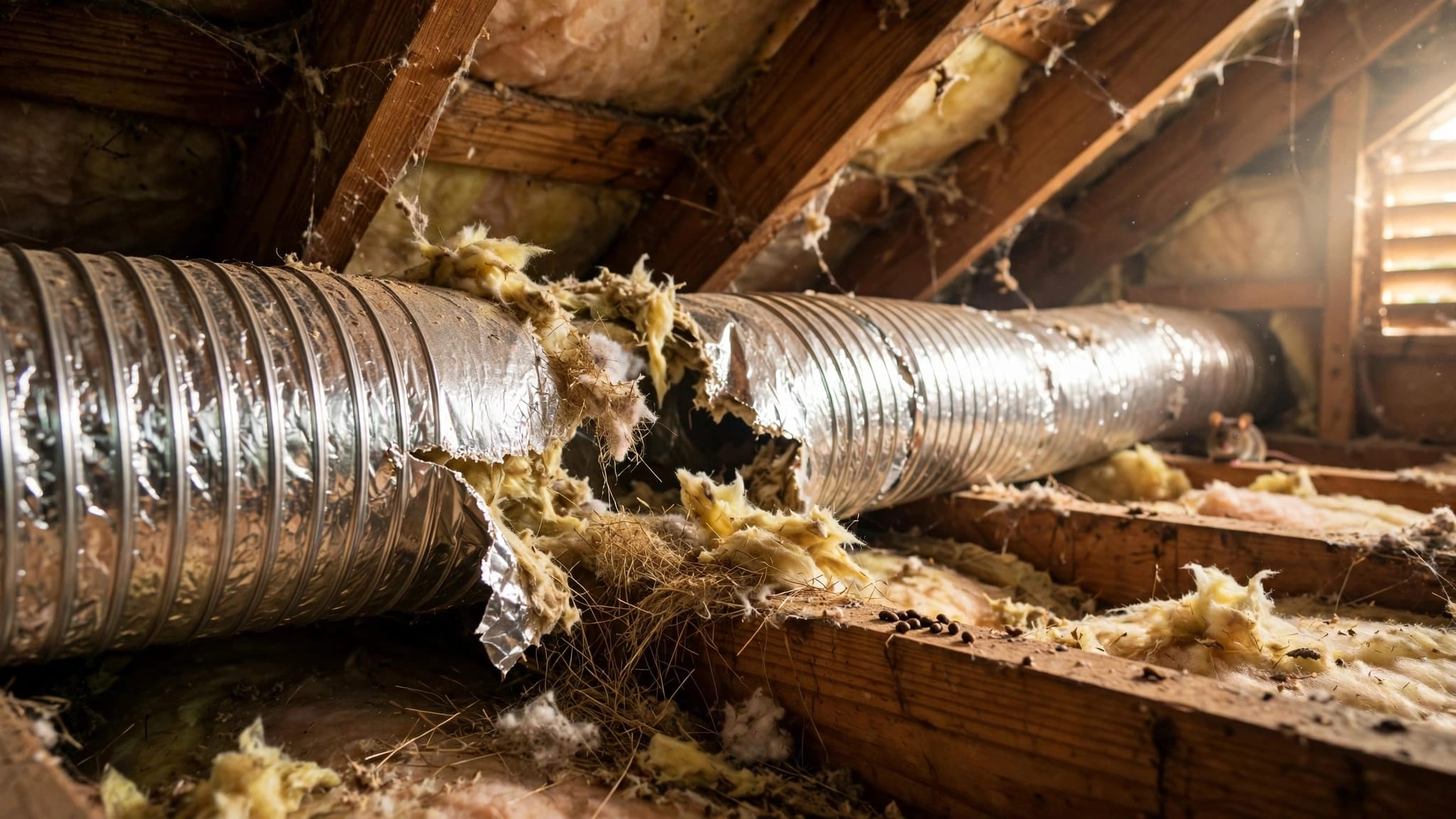
Home size and ductwork matter too. Older ducts with leaks can erase efficiency gains fast. A sealed, well-sized duct system can matter more than the label on the condenser.

The best choice often comes down to the home's setup, not just the equipment type. If the ducts are in good shape and you want year-round flexibility, a heat pump is easier to justify. If you mainly want the lowest practical cooling replacement cost, central AC keeps the decision simple.

If you're weighing replacement options, Schedule an Estimate so a technician can look at the home size, ductwork, and electrical setup before you choose.

Conclusion

Fort Myers is a cooling-first market, so the right system has to handle heat and humidity well. That's why the best answer in the heat pump vs central AC debate depends on how much you use the home, how much you want to spend upfront, and how your existing ductwork is holding up.

A heat pump fits many full-time residents who want one system for cooling and light winter heating. Central AC often fits homeowners who want a lower initial cost and already have another way to heat the home.

If you start with home size, budget, duct condition, and comfort priorities, the choice gets much easier. In Southwest Florida, the best system is the one that keeps up with summer without wasting energy or money.

Recent Posts

By Valor HVAC June 10, 2026
The 2025 refrigerant changes did not make every old air conditioner obsolete. They did change what goes into new systems, and that affects repair choices, replacement quotes, and long-term service plans for Fort Myers homes. If your AC is still running, you probably do not nee...
By Valor HVAC June 9, 2026
Fort Myers heat doesn't give your AC a break, and that matters when you're deciding whether a variable-speed system is worth the upgrade. If your current unit cools unevenly, leaves rooms sticky, or sounds like a truck starting up, the answer is rarely simple. A variable-speed...
By Valor HVAC June 7, 2026
A single surge can disable an air conditioner in seconds, and Southwest Florida gives your system plenty of chances to face one. Thunderstorms, lightning, utility flickers, and storm recovery all put extra stress on cooling equipment. That matters even more here because your A...
By Valor HVAC June 6, 2026
The wrong AC size shows up fast in Fort Myers. Rooms feel sticky, bills rise, and the system may short-cycle or run forever. A quick square-foot estimate can point you in the right direction, but it cannot tell the full story. In Southwest Florida, heat, humidity, sun exposure...
By Valor HVAC June 5, 2026
An AC refrigerant leak in Fort Myers can hide in plain sight. Your system may still run, but it stops cooling the house the way it should. That matters fast in Southwest Florida. Long cooling seasons, sticky humidity, and heavy daily use put extra stress on your system, so a s...
By Valor HVAC June 4, 2026
A high AC rating looks good on paper, but it does not tell the whole story for a Fort Myers home. When your system has to fight heat, humidity, and long cooling seasons, the number on the label matters in a different way. SEER2 is the rating that now matters for new equipment....
By Valor HVAC June 3, 2026
When an AC capacitor starts to fail, your system usually gives warning signs before it quits. In Fort Myers, those warnings can show up faster because the heat never gives your cooling system much of a break. You may hear clicking, humming, or a weak startup at the outdoor uni...
By Valor HVAC June 2, 2026
Your AC can run all day and still leave one room warm, one room sticky, and the whole house a little more tired than it should be. When that happens, the problem is often hidden in the ductwork. AC duct sealing matters because leaky ducts waste cool air, pull in hot attic air,...
By Valor HVAC June 1, 2026
When one AC replacement quote looks cheap and another looks high, the difference usually hides in the details. In Fort Myers, those details matter because your system works through long cooling seasons, heavy humidity, salt air, and sudden storms. A quote that looks simple on...
By Valor HVAC May 31, 2026
Why does 76 feel fine some days and muggy on others? In Fort Myers, the answer usually has more to do with humidity, sun, and airflow than with the number on the thermostat. The right thermostat settings Fort Myers homes need in summer are usually a range, not a single magic n...
Show More