Are Variable-Speed AC Systems Worth It in Fort Myers?
Fort Myers heat doesn't give your AC a break, and that matters when you're deciding whether a variable-speed system is worth the upgrade. If your current unit cools unevenly, leaves rooms sticky, or sounds like a truck starting up, the answer is rarely simple.
A variable-speed AC can run longer at lower output, which often improves comfort, humidity control, and noise levels. Still, the higher upfront cost means the choice should make sense for your home, your ductwork, and how long you plan to stay.
Why Fort Myers homes feel the difference more than most places
In Southwest Florida, an air conditioner works hard for a long stretch of the year. That long cooling season changes the math.
A system that runs for only a few weeks gets less chance to pay you back. A system that runs from spring into late fall has more chances to save energy and hold steady indoor comfort. That is where a variable-speed unit starts to stand out.
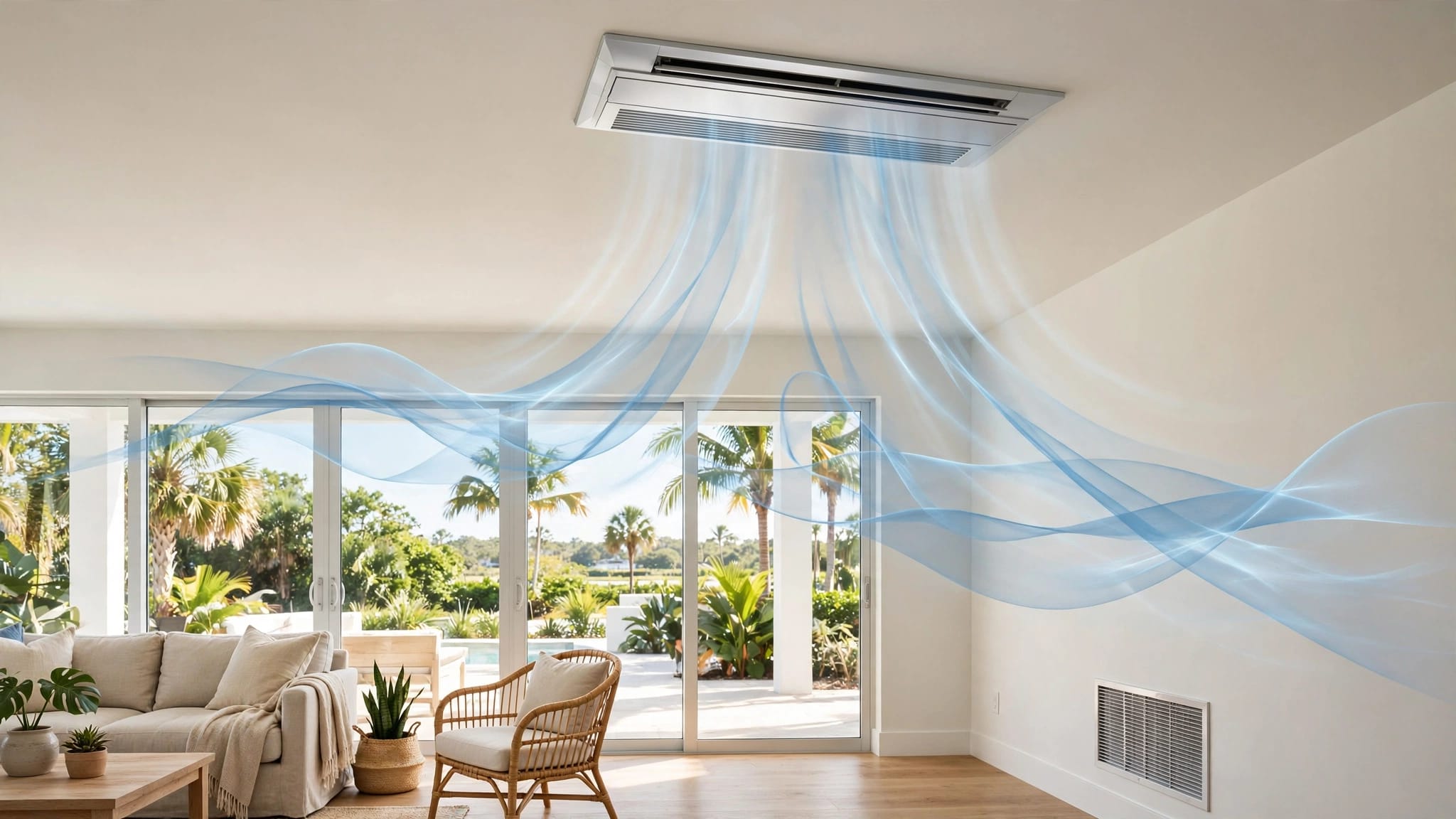
The biggest day-to-day difference is how it handles small changes. A standard system turns on, cools hard, then shuts off. A variable-speed model adjusts more gradually. As a result, it can keep temperature swings smaller and remove more moisture from the air.
That matters in Fort Myers because humidity is part of the discomfort. A home can feel warm even when the thermostat says otherwise. If the air still feels clammy, the AC may be cooling fast but not long enough.
For homeowners, that difference can feel like going from a fan with one setting to one with a dimmer switch. The room still gets cool, but the system has more control.
What a variable-speed AC changes in daily use
For a variable speed AC Fort Myers homeowners choose, the real payoff is steady comfort, not flashy hardware. The system runs at different speeds instead of only full blast or off.
Here is a simple side-by-side look at how the main system types compare:
| System type | Comfort | Humidity control | Noise | Upfront cost |
|---|---|---|---|---|
| Single-speed | Basic | Limited | Loudest | Lowest |
| Two-stage | Better | Good | Quieter | Mid-range |
| Variable-speed | Steady and precise | Strong | Very quiet | Highest |
The table gives the short version. The long version is that variable-speed systems shine when a home needs gentle, consistent cooling for hours at a time.
That can mean fewer hot spots, fewer damp-feeling afternoons, and fewer abrupt start-up sounds outside your window. In bedrooms, that quieter operation can matter as much as the energy use.
A variable-speed system also tends to spend more time in a lower-output mode. That helps it work like a steady stream instead of short bursts. In a humid climate, that can make a noticeable difference.
When the higher price starts to make sense
The biggest question is not whether variable-speed systems work. They do. The real question is whether the added cost fits your home and your plans.
If your old unit still runs but needs frequent work, deciding between AC repair and replacement can help frame the next move. Once replacement starts to make more sense, the system choice becomes the next decision.
A variable-speed unit is easier to justify when you plan to stay in the home for years. That gives the system more time to deliver lower energy use and better comfort. It also gives you more time to enjoy the quieter operation and better humidity control.
If you move often, the payback gets harder to feel. A buyer may like the feature, but you may not stay long enough to enjoy the full benefit.
The value also rises when your current AC struggles during the hottest months. If one system has to fight hard every afternoon, smoother operation can matter more than a slightly lower purchase price.
If your AC runs hard but your house still feels sticky, the problem may be bigger than the compressor size.
If you're leaning toward replacement, Schedule an Estimate so you can compare comfort, system size, and duct condition before you buy.
The details that decide the payoff
A good system in a poor setup can disappoint fast. That is why installation and house conditions matter so much.
A proper install from HVAC installation and replacement services matters because the system has to match the ductwork and the home itself. If the sizing is off, the best equipment in the world can't do its job well.
Ductwork and insulation come first
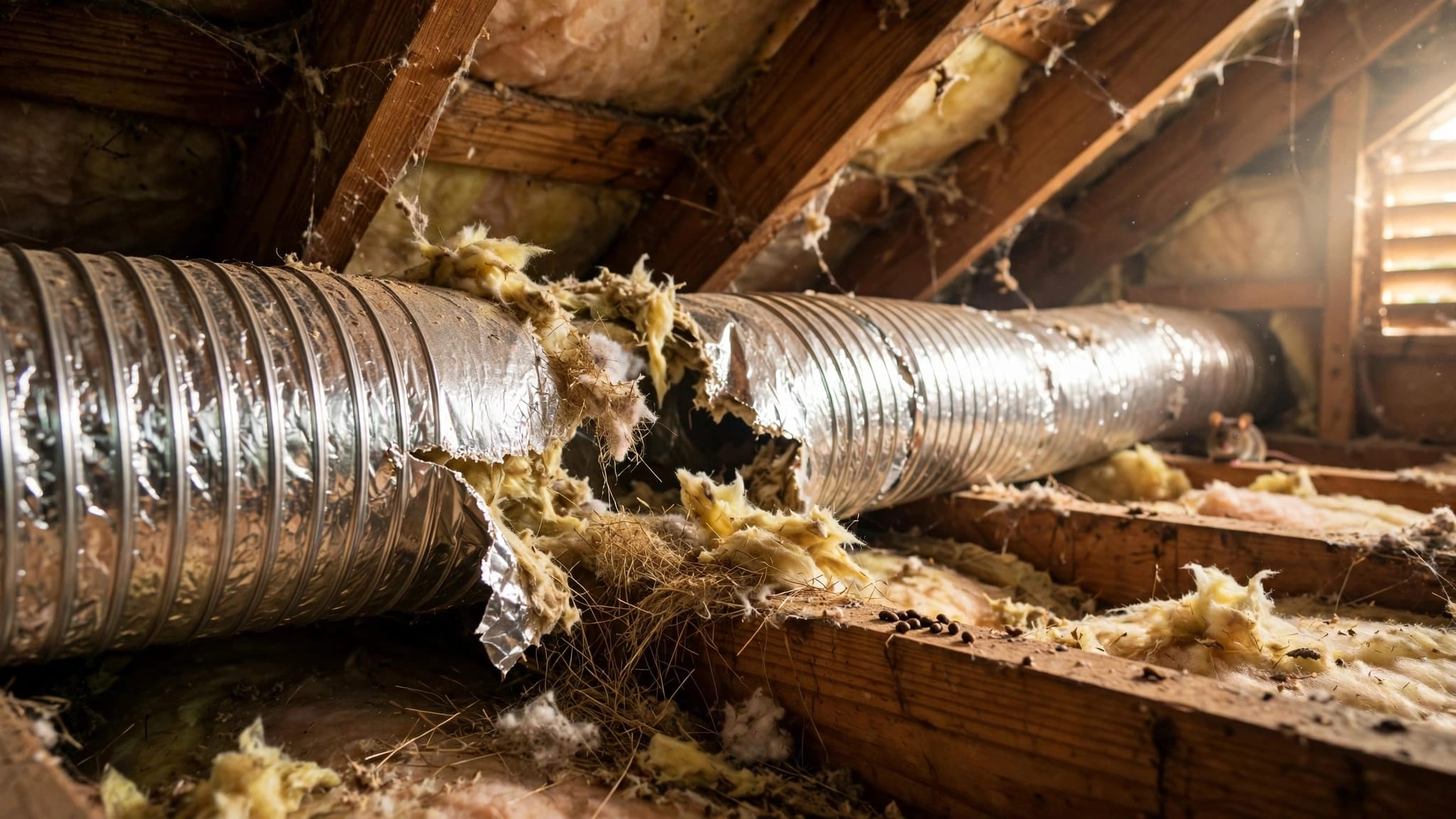
Leaky ducts can waste cooled air before it reaches the rooms that need it. Weak insulation can let heat pour back in. Both problems make any AC work harder.
That is especially important with a variable-speed unit. It can only do so much if the home leaks air like a screen door in July.
A better AC can still underperform if the ducts leak or the attic holds heat.
Before replacing the equipment, it helps to look at the whole system. That includes duct condition, attic insulation, return airflow, and vent balance. A good installer should ask about these issues instead of skipping past them.
Thermostat compatibility matters too
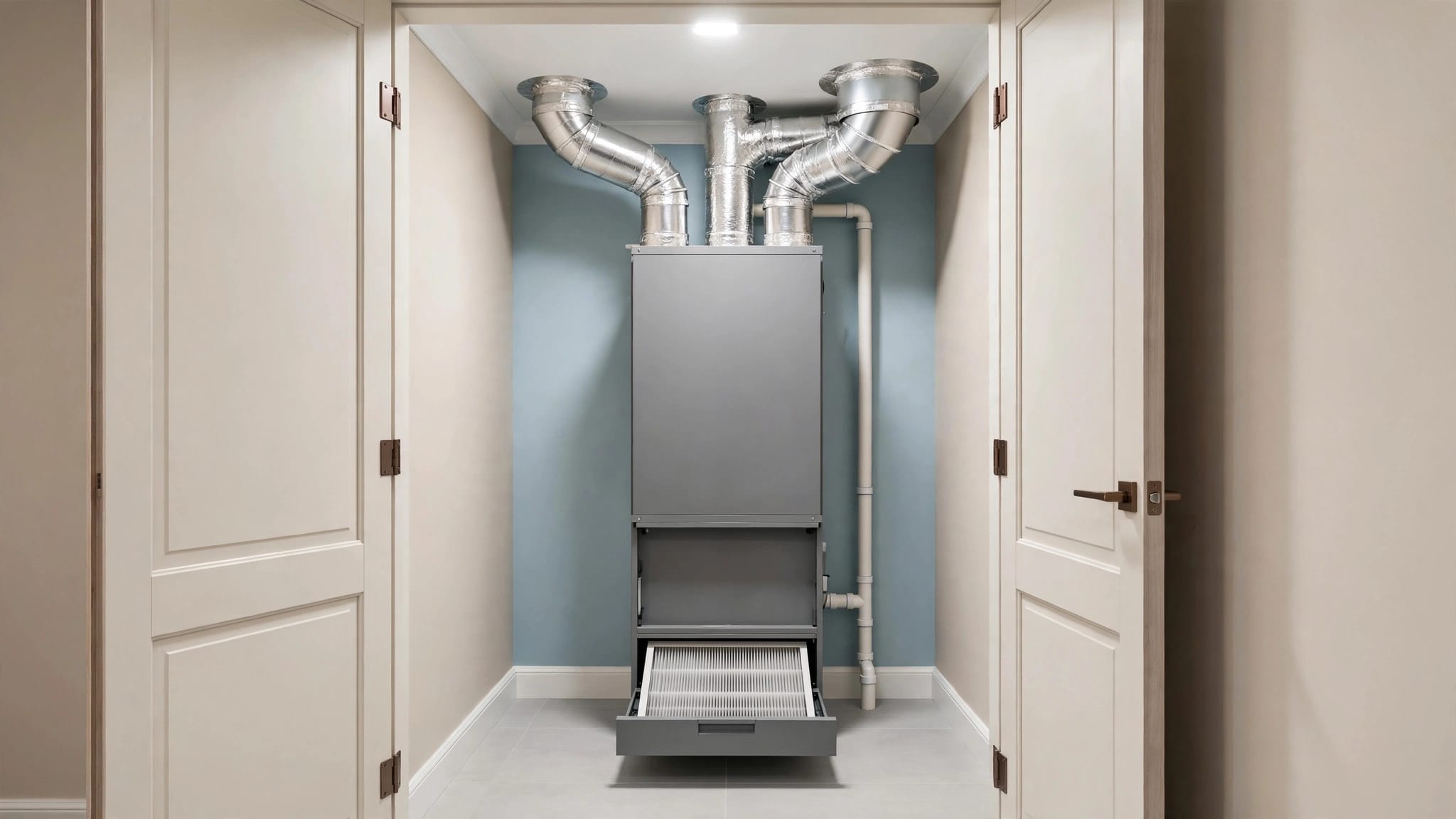
Variable-speed systems need the right controls. Some work best with thermostats that can communicate properly and let the equipment ramp up and down as designed.
A basic thermostat may still turn the system on and off, but it can limit the comfort benefits. In other words, the AC may be capable of more than the controls allow.
That is why thermostat compatibility should be part of the estimate, not an afterthought. The thermostat, indoor unit, outdoor unit, and ductwork need to work together.
Installation quality also matters more than many homeowners expect. Refrigerant charge, airflow, duct sealing, and setup all affect performance. A rushed job can make a premium system feel ordinary.
Who sees the best value from the upgrade
A variable-speed system tends to make the most sense for homeowners who care about comfort as much as monthly bills.
Here are the homes where the upgrade often fits best:
- Homes with humidity complaints : If the air feels sticky even when the temperature is fine, variable-speed operation can help.
- Homes with uneven rooms : If one bedroom stays warmer than the rest, gentler run times can improve balance.
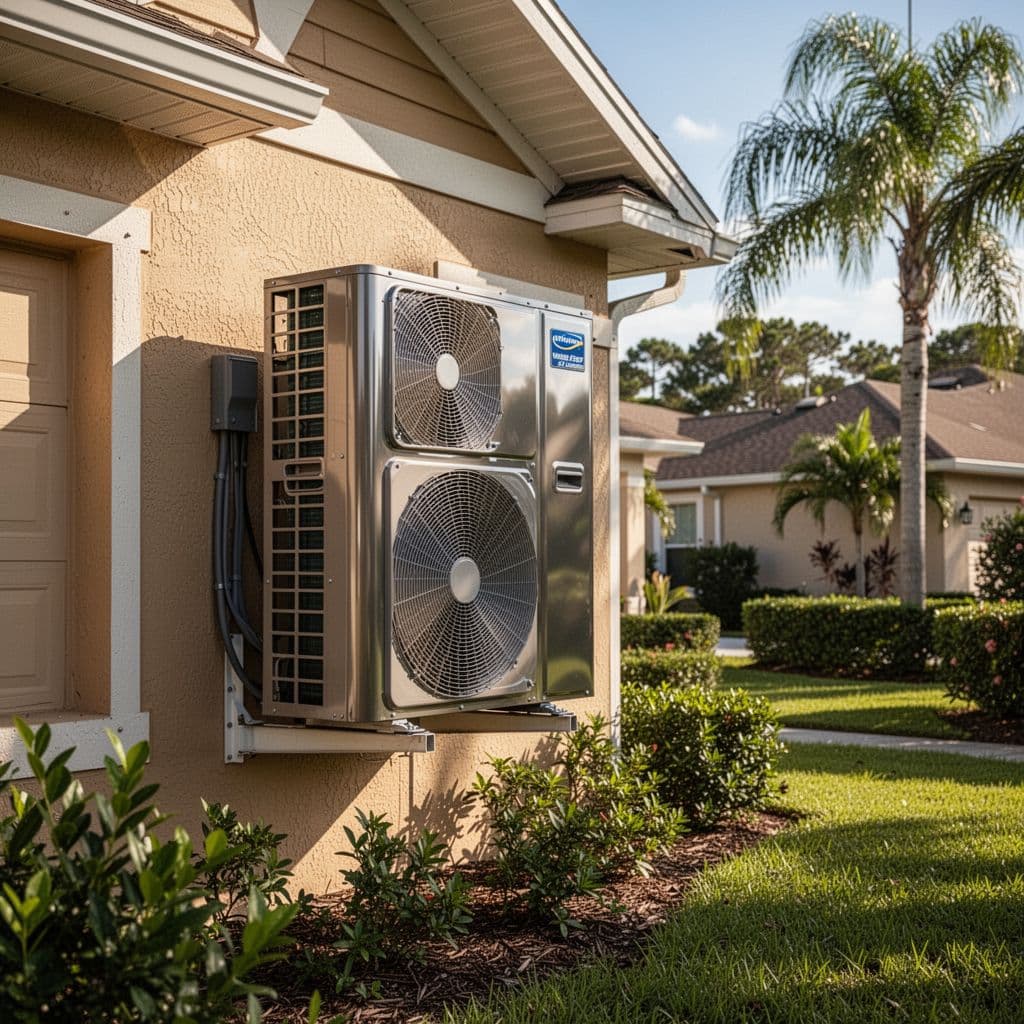
- Homes with noise concerns : If the outdoor unit is near a patio or bedroom, quieter operation can be a real upgrade.
- Homes with long-term owners : If you plan to stay put, you have more time to benefit from the system.
- Homes with recent ductwork or solid insulation : A well-sealed home gives the AC a better chance to perform the way it should.
If several of those sound familiar, the upgrade is easier to defend. If none of them apply, a two-stage unit or a well-matched standard system may be enough.
The key is to match the system to the house, not the other way around. A bigger price tag alone does not make the choice better. The right fit does.
Conclusion
Variable-speed AC systems can be worth it in Fort Myers, especially when humidity, comfort, and noise matter day after day. The long cooling season gives a good system more time to pay off, and the steady operation can make a home feel easier to live in.
Still, the equipment is only part of the story. Ductwork, insulation, thermostat compatibility, and installation quality all affect the final result.
For homeowners who plan to stay in their house and want better comfort through Southwest Florida's long cooling season, the upgrade can make a lot of sense.
Recent Posts