How Ceiling Fans Keep Fort Myers Homes Feeling Cooler
Fort Myers afternoons can make a comfortable home feel stuffy, even when the air conditioner is running. A ceiling fan can improve that feeling in minutes by moving air across your skin and helping the room feel fresher.
The important distinction is that ceiling fans cool people, not the room itself . They don't lower indoor air temperature or remove humidity. Instead, they work alongside your HVAC system, helping you feel comfortable at a reasonable thermostat setting.
Key Takeaways
- Ceiling fans create a cooling breeze without lowering the home's actual air temperature.
- Counterclockwise rotation usually works best during Fort Myers' cooling season.
- Fans work best in occupied rooms, while the air conditioner handles temperature and humidity.
- Proper sizing, placement, electrical support, and outdoor ratings affect performance.
- Turn fans off when rooms are empty because they only cool people, not unoccupied spaces.
Why Fort Myers Homes Benefit From Air Movement
Southwest Florida homes deal with more than high temperatures. Fort Myers also has long periods of humidity, strong afternoon sun, and warm air that can linger in rooms with limited circulation. Even a well-maintained air conditioner may leave certain areas feeling warmer than others.
Open floor plans create another challenge. Cool air may collect near supply vents while warmer air remains in distant corners, upstairs rooms, or spaces separated by hallways. A ceiling fan helps mix the air, so the room feels more consistent instead of having noticeable hot spots.
Many homes also include large windows, tile floors, vaulted ceilings, or screened lanais. These features add comfort and natural light, but sunlight through glass can raise the temperature around seating areas. Air movement helps reduce that heavy, stagnant feeling while your AC continues doing the work of cooling and dehumidifying.

A fan can also improve comfort after the air conditioner cycles off. Instead of immediately feeling warm when the compressor stops, you may continue to feel a light breeze across your skin. That can help a bedroom, family room, or home office remain comfortable between cooling cycles.
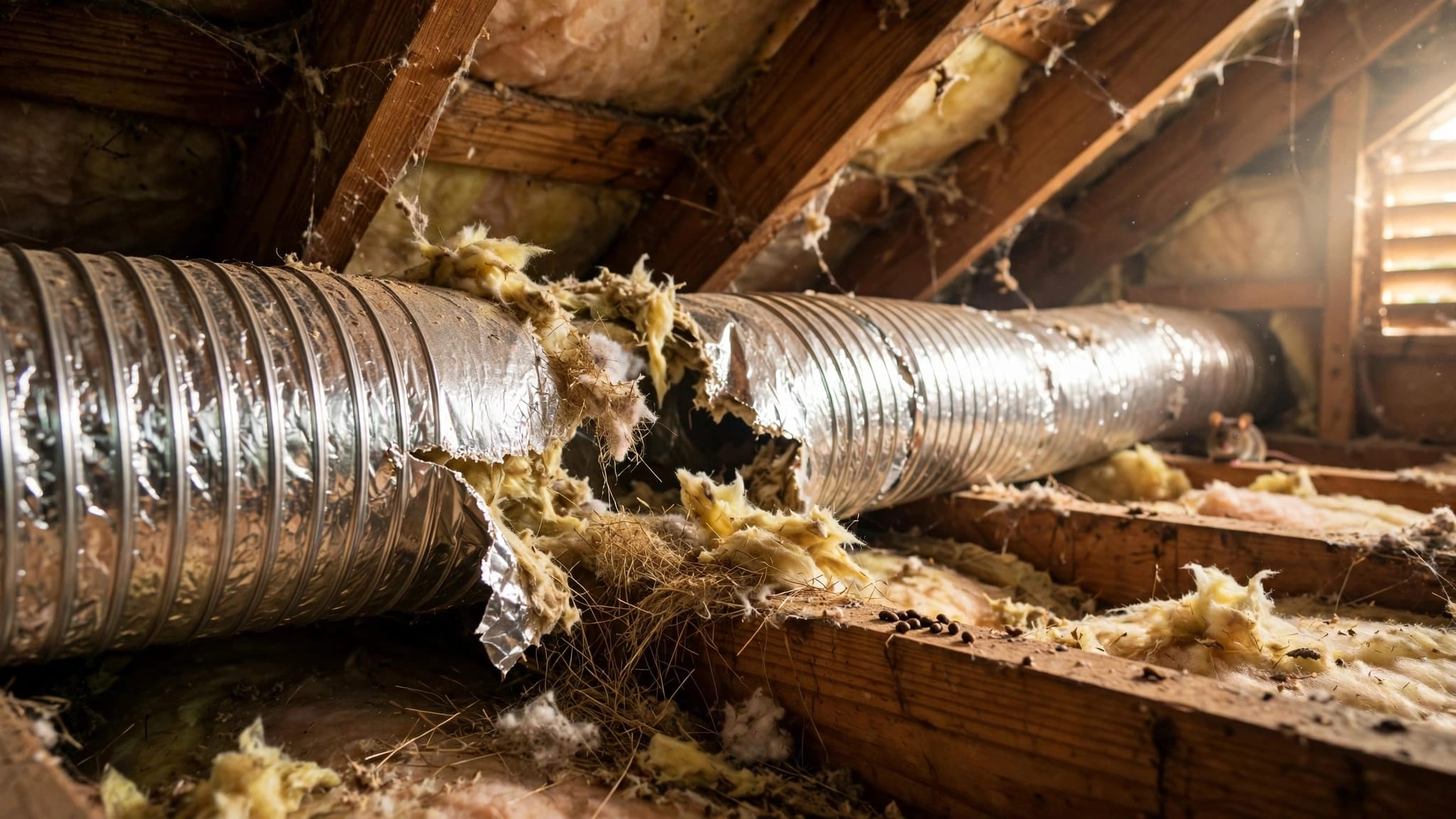
However, a ceiling fan can't correct an HVAC problem. If one room stays hot while the rest of the house feels comfortable, the cause could include a dirty filter, blocked duct, poor insulation, a failing blower motor, or an undersized system. The fan can help with comfort, but it shouldn't hide a problem that needs repair.
How Ceiling Fans Make People Feel Cooler
A ceiling fan creates a breeze by pushing air downward into the occupied part of a room. When that moving air passes over your skin, it carries heat away and supports evaporation of moisture from your skin. Your body then feels cooler, even though the air temperature remains unchanged.
That difference matters in Fort Myers. High humidity slows evaporation, so a fan won't feel as effective on a muggy day as it does in a dry climate. Still, steady airflow can make a noticeable difference when you're sitting beneath or near the fan.
Your thermostat won't show a lower temperature because of the fan. The air conditioner must run to remove heat from the home and pull moisture from the indoor air. The fan only changes how your body experiences the existing conditions.
A ceiling fan changes perceived temperature, not the temperature shown on your thermostat.
Fans can support an efficient cooling routine when you use them with your AC. For example, you may feel comfortable setting the thermostat a little higher while relaxing beneath a fan. That approach can reduce cooling demand, but only when people occupy the room. Running every fan in an empty house wastes electricity without making the home cooler.
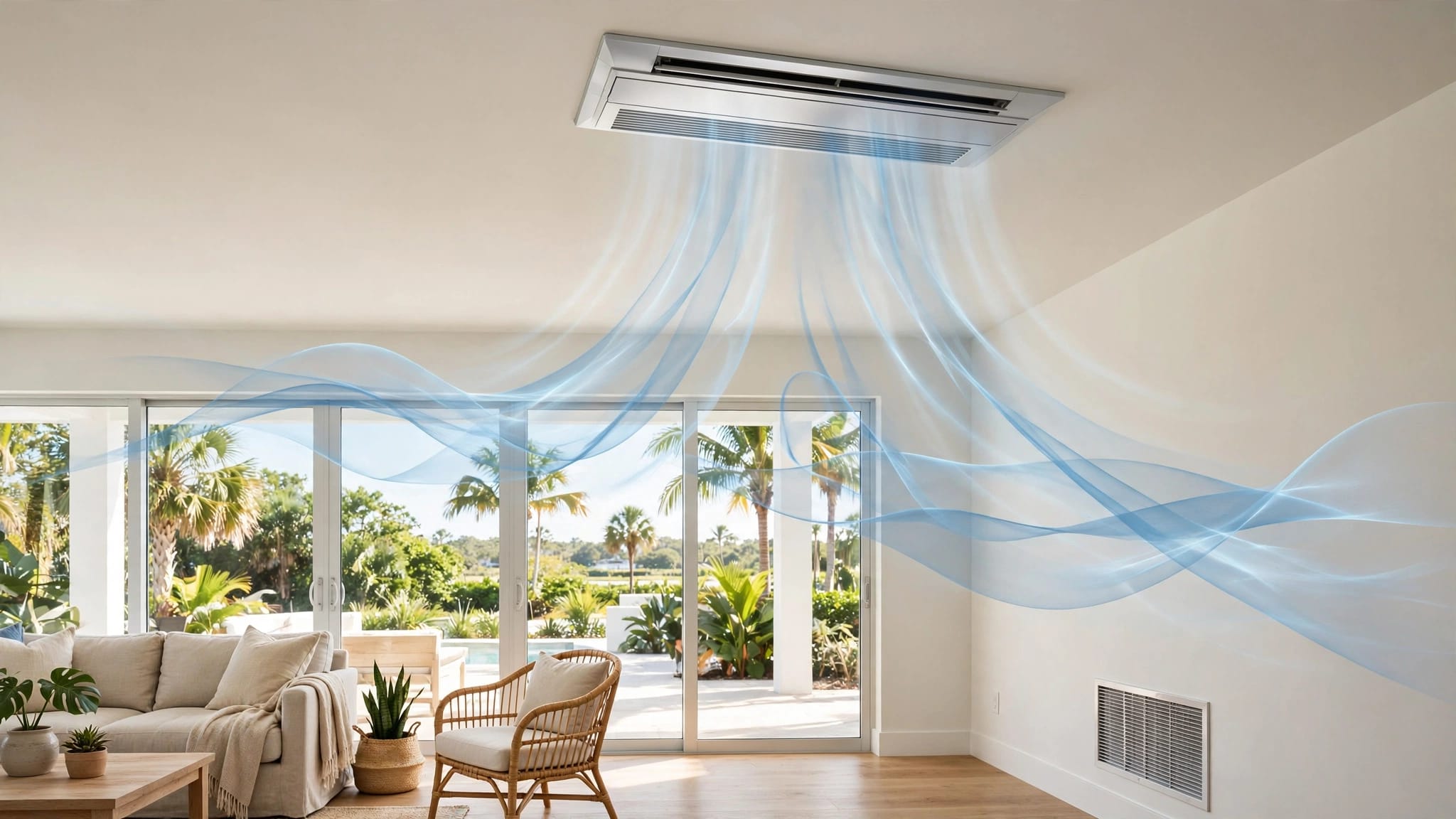
A fan also helps distribute conditioned air. When air collects near the ceiling or settles in one part of an open room, gentle circulation can reduce those differences. The result is more even comfort, especially in rooms with high ceilings or distant air vents.
Set Your Fort Myers Ceiling Fan for Cooling
During warm weather, most ceiling fans should rotate counterclockwise when viewed from below . This direction usually pushes air downward and creates the cooling breeze you want. Stand beneath the fan and check for noticeable airflow. If the breeze feels weak, verify the direction and speed settings.
Use a higher speed when you need a stronger breeze, such as after coming indoors from the heat. A medium or low setting often feels better during sleep or extended work because it avoids an overly strong draft. Fan speed affects comfort, but it doesn't change the actual room temperature.
Your thermostat and fan should work as a pair. Set the thermostat for the temperature you want the home to reach, then use the fan to improve comfort in occupied areas. Avoid lowering the thermostat to compensate for a fan that isn't producing enough airflow. If the room remains hot, inspect the fan and HVAC system instead.
Humidity also affects the result. When indoor humidity stays high, the room may feel sticky even if the thermostat reads a normal temperature. A ceiling fan won't remove that moisture. The AC, properly sized equipment, and good ductwork must handle dehumidification.
Keep these practical points in mind:
- Use the cooling direction during warm months.
- Choose a speed that creates airflow without an uncomfortable draft.
- Turn the fan off when nobody is in the room.
- Keep doors and vents positioned to support circulation.
- Ask for an HVAC inspection if the space still feels hot or damp.
Most fans have a small direction switch on the motor housing. Turn the fan off before changing it, and follow the manufacturer's instructions.
Choose the Right Fan for Each Room
Fan size should match the room, ceiling height, and layout. A small bedroom may need a different fan than a wide living area with a vaulted ceiling. A fan that's too small may leave much of the room still, while an oversized model can create an uncomfortable draft or look out of proportion.
Check the manufacturer's room-size chart before buying. Also consider the blade span, motor quality, speed controls, light kit, and noise level. Bedrooms often benefit from a quiet motor and remote control. Living rooms may need stronger airflow across a larger seating area.
Ceiling height affects installation. Standard-height rooms usually work well with a flush-mount or low-profile fan. Taller ceilings need an appropriate downrod so the blades sit low enough to move air through the occupied space. Blades should remain at least 7 feet above the finished floor, unless local code or the manufacturer's instructions require a different arrangement.
Placement matters as much as size. Center the fan over the area where people sit or sleep, rather than automatically placing it in the exact center of the entire room. In an open floor plan, one fan may not circulate air effectively across every zone. Multiple fans can work better when each one serves a distinct seating or activity area.
Fans installed on a lanai, porch, or other semi-outdoor space need the correct damp-rated or wet-rated design. A fan exposed to wind-driven rain needs a different rating than one protected beneath a covered ceiling. Fort Myers' coastal air can also affect exposed metal, so corrosion-resistant materials are a sensible choice near the Gulf.
Before installation, check the electrical box and support structure. A standard light fixture box may not support a ceiling fan's weight and movement. A qualified installer can verify the mounting hardware, wiring, clearances, and switch controls.
Pair Ceiling Fans With a Healthy AC System
The best comfort plan uses the fan for personal airflow and the air conditioner for actual cooling and moisture control. When both systems work properly, you can improve comfort without asking the AC to cool every part of the home to the same degree.
Start with basic airflow checks. Keep supply vents open and clear of furniture. Replace the HVAC filter on the schedule recommended for your system and household conditions. A clogged filter restricts airflow, which can leave rooms warm and place extra strain on the equipment.
Ceiling fans also need occasional care. Dust the blades and housing, tighten loose screws, and listen for rattling or wobbling. A noisy fan may have a loose blade, worn motor component, or installation issue. Turn off power before cleaning or inspecting anything near the motor.
If a room remains uncomfortable, look for warning signs that the AC needs attention. These include weak airflow, long cooling cycles, rising indoor humidity, unusual sounds, water near the indoor unit, or a thermostat that never reaches its setting. A fan may make the room feel better for a short time, but it won't repair a refrigerant leak or failing component.
Regular HVAC maintenance services in Fort Myers can help identify airflow and cooling issues before they cause an unexpected breakdown. During a service visit, a technician can inspect key components, check system operation, and look for conditions that affect efficiency.
If you're considering a new HVAC system, room changes, or a comfort upgrade for a warm area, you can Schedule an Estimate with a local technician. The right recommendation depends on the room, ductwork, insulation, ceiling height, and existing equipment.
Conclusion
Ceiling fans help Fort Myers homes feel cooler by moving air across the people who occupy them. They can improve comfort, reduce stuffiness, and support a higher thermostat setting when used with a properly operating air conditioner.
The fan won't lower the home's actual temperature or remove humidity, so it can't replace HVAC cooling. Choose the right size, set the blades to move air downward, and turn the fan off when the room is empty. With those habits, a ceiling fan becomes a practical comfort tool during Southwest Florida's warm weather.
Recent Posts