How to Measure Indoor Humidity in a Fort Myers Home
A room can feel cool and still hold too much moisture. In Fort Myers, that can leave your home feeling clammy, create musty odors, and place extra strain on your air conditioner.
The most reliable way to check is with a hygrometer, which displays relative humidity as a percentage. Regular readings help you spot moisture problems before they lead to condensation, damaged materials, or indoor comfort issues.
Key Takeaways
- Aim for indoor relative humidity between 40% and 60% .
- Use a digital hygrometer for quick, repeatable readings.
- Place the device away from windows, vents, kitchens, and bathrooms.
- Take readings in several rooms and at different times.
- If humidity stays above 60%, check your HVAC system and consider professional help.
Why Humidity Levels Matter in a Fort Myers Home
Relative humidity measures how much moisture the air holds compared with the maximum amount it can hold at the same temperature. A reading of 60% doesn't mean the air is 60% water. It means the air contains 60% of the moisture it could hold before becoming saturated.
Temperature affects the reading. Warmer air can hold more moisture, while cooler air reaches saturation sooner. That is why an air-conditioned room may develop condensation on a cold vent, window, or supply line when humidity is high.
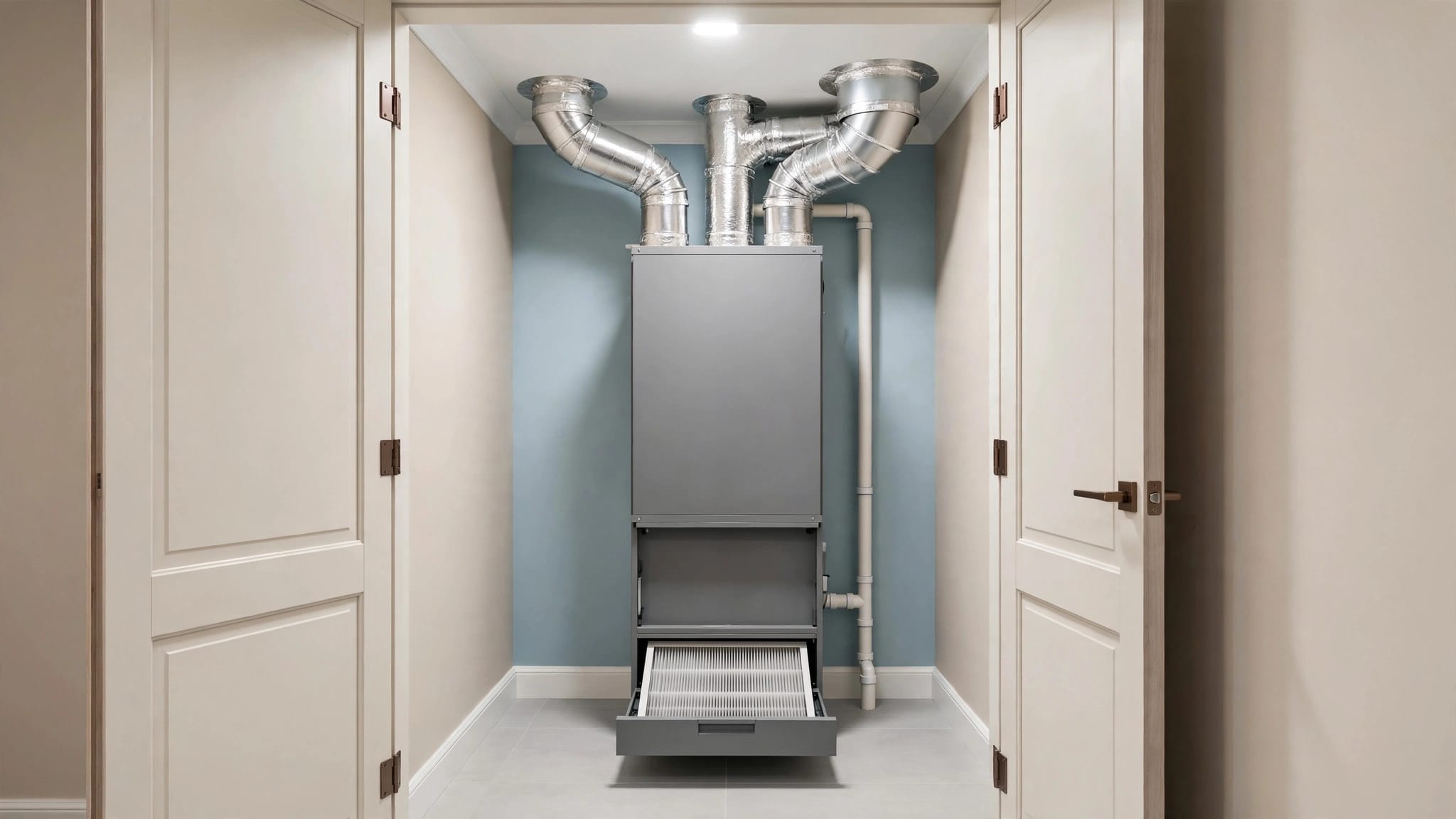
Fort Myers homes often rely on air conditioning for both cooling and moisture removal. As warm indoor air passes over the system's cold evaporator coil, water vapor condenses and drains away. However, the system must run long enough to remove that moisture. A system that short-cycles may cool the room quickly without lowering humidity enough.
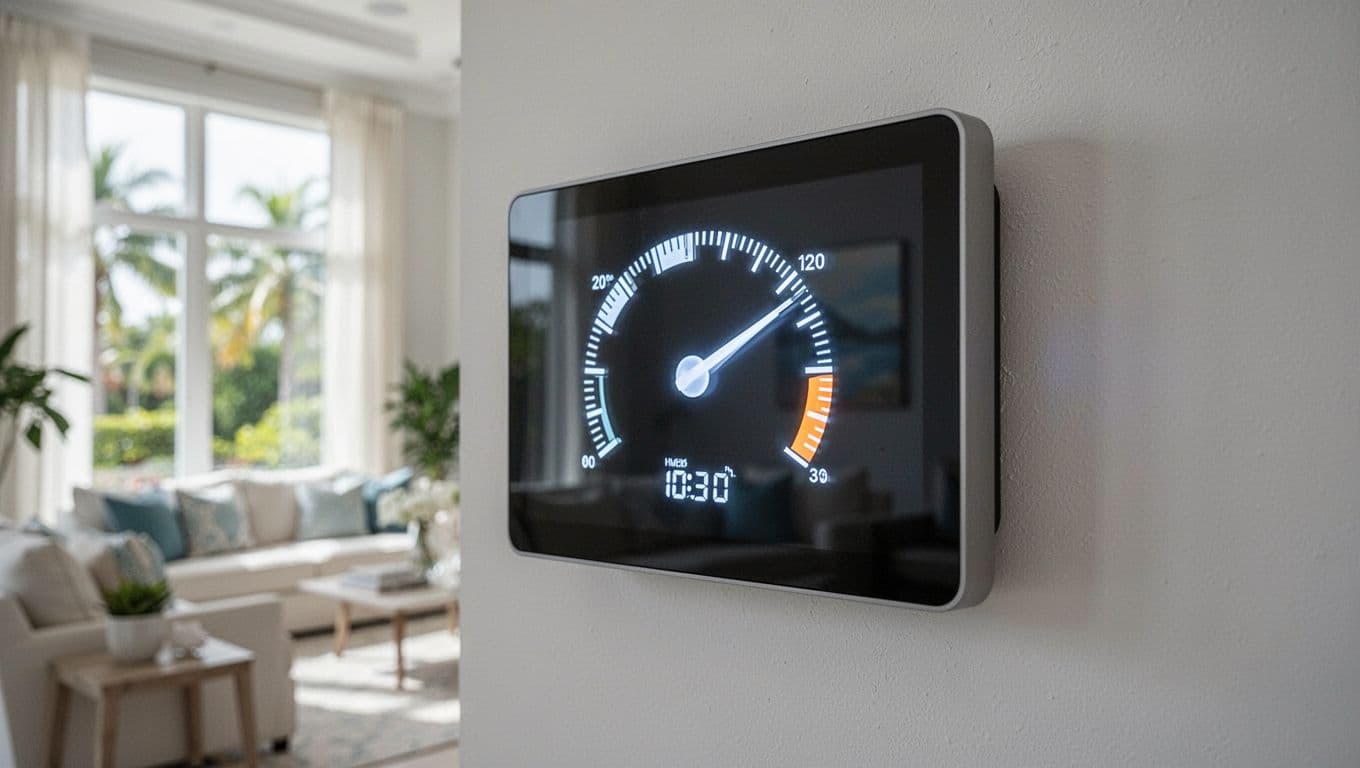
A steady indoor target of 40% to 60% relative humidity supports comfort and helps limit moisture-related problems. Readings above that range can make rooms feel warmer than the thermostat setting suggests. Over time, excess moisture can contribute to musty smells, condensation, and mold growth on damp surfaces.
Very dry air creates a different set of problems. Readings below 30% may cause dry skin, irritated airways, static electricity, and shrinking or cracking in some wood materials. Extremely dry air is less common in Southwest Florida homes than excessive humidity, but indoor readings still provide useful information.
Choose a Reliable Tool to Measure Indoor Humidity
A hygrometer, also called a humidity monitor, is the simplest tool for measuring indoor humidity. Digital models are easy to read and often show temperature alongside relative humidity. Many cost less than a basic home accessory and can provide enough accuracy for household decisions.
A basic analog dial can work, but it may be harder to read precisely. Digital devices are usually more useful when you need to compare a reading with the 40% to 60% target.
You may also have a humidity reading built into a smart thermostat, indoor air-quality monitor, or home automation system. These devices can show trends over several hours or days. Still, compare the reading with a separate hygrometer if the number seems unusual. Sensors can drift, especially after years of use.
Look for a device with:
- A clear relative humidity percentage
- Temperature readings
- A stated accuracy rating
- A memory function or trend display
- A sensor that can sit away from the main display
Placement matters as much as the device. Set the hygrometer on an interior shelf or table about three to five feet above the floor. Keep it away from direct sunlight, exterior doors, windows, supply vents, return grilles, humidifiers, kitchens, and bathrooms.
Those locations can produce readings that don't represent the room as a whole. Steam from a shower can temporarily raise the nearby reading. Sunlight can warm the sensor and change its result. Air blowing directly from a vent can also distort the measurement.
If you want to compare rooms, use the same device in each location. Different monitors can show slightly different results because their sensors have different accuracy ranges. Consistency helps you identify patterns.
How to Take Accurate Humidity Readings
Measuring humidity takes only a few minutes, but the setup affects the result. Follow the same process each time so you can tell whether conditions are improving.
- Place the hygrometer correctly. Put it in a central area of the room, away from windows, vents, exterior walls, and moisture-producing appliances. Leave doors and windows in their normal position.
- Let the sensor adjust. Give the device at least 30 minutes before recording the reading. A longer period provides a better picture, especially if you moved it from another room with a different temperature.
- Record the humidity and temperature. Write down both numbers, along with the room and time. A humidity reading without the temperature gives you less useful context.
- Check more than one room. Measure the living area, primary bedroom, hallway, and any room that feels damp. Compare rooms near bathrooms, laundry areas, garages, or exterior doors with the home's central spaces.
- Repeat at different times. Take a reading in the morning and another later in the day. You can also check after cooking, showering, or running the air conditioner. A single result may reflect a temporary change.
- Watch the pattern. A reading that briefly reaches 62% after a shower isn't the same as a home that remains at 65% all day. Persistent numbers matter more than one short spike.
Keep windows and doors closed during a controlled test. Open windows can bring outdoor moisture inside and make it harder to judge the HVAC system's performance. If you usually open the home for fresh air, take separate readings with that habit included.
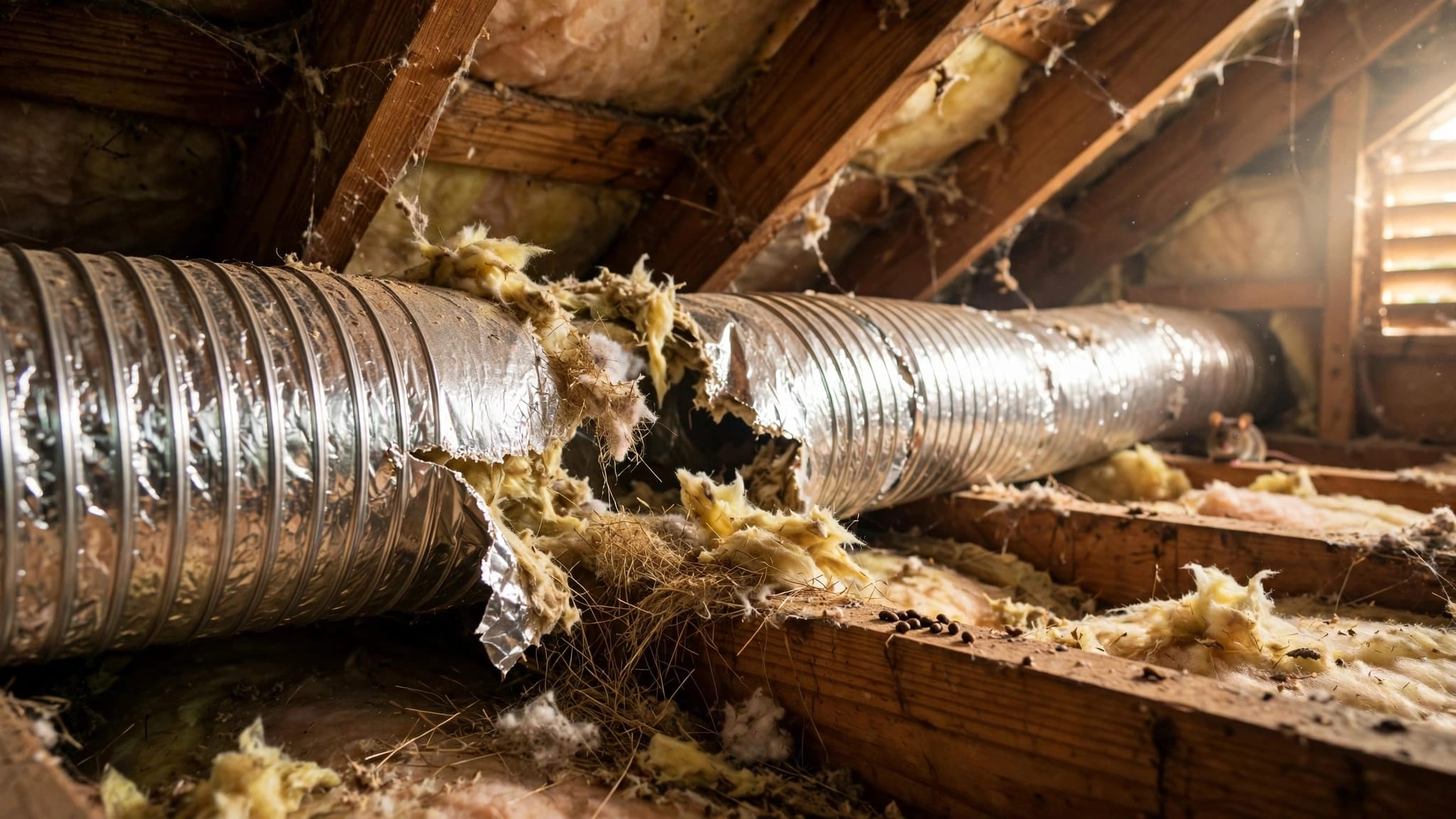
A useful test involves placing the monitor in the main living area for 24 hours. Then move it to a bedroom or another problem room for another day. If one room stays much higher, the cause may involve airflow, insulation, a local moisture source, or a duct problem rather than the entire home.
A humidity reading is most useful when you treat it as a pattern, not a one-time verdict.
What Your Humidity Reading Means
Use the number as a starting point, then consider how long the home stays at that level and how the rooms feel.
| Relative humidity | What it may indicate | Practical response |
|---|---|---|
| Below 30% | Air may feel dry | Check whether the reading is accurate and watch for irritation or static |
| 30% to 39% | Slightly dry conditions | Monitor the trend and look for changes in comfort |
| 40% to 60% | Comfortable target range | Continue normal HVAC maintenance and periodic checks |
| 61% to 70% | Elevated moisture | Check airflow, filters, doors, windows, and moisture sources |
| Above 70% | Excessive indoor moisture | Arrange a detailed HVAC and moisture inspection if it persists |
A home at 55% may feel comfortable, while a room at 68% can feel heavy even if both have the same thermostat setting. High humidity also makes the air conditioner work harder because the system must remove moisture as well as heat.
Pay attention to physical clues. Condensation on windows, a damp smell, peeling paint, swollen wood, or mildew around supply vents deserves attention. These signs don't identify the exact cause, but they tell you to investigate rather than dismiss the humidity reading.
If the monitor shows a high number only near a bathroom after a shower, better ventilation may solve the issue. If every room remains above 60%, the HVAC system, building envelope, or a hidden moisture source may need closer inspection.
What to Do When Indoor Humidity Stays High
Start with simple checks. Replace a dirty HVAC filter with the correct size and type for your system. A clogged filter can reduce airflow and affect cooling performance. Make sure supply vents and return grilles remain open and aren't blocked by furniture.
Run bathroom exhaust fans during showers and for a short period afterward. Use the kitchen range hood when cooking, especially when boiling water. Repair plumbing leaks and check around washing machines, water heaters, windows, and exterior doors for signs of moisture.
Keep doors and windows closed while the air conditioner runs. Gaps around doors or poorly sealed windows can allow humid outdoor air into the home. Also check that the condensate drain line is clear and that the drain pan isn't holding standing water.
Your thermostat setting can affect moisture control. Raising the temperature too much may reduce system run time, while lowering it far below your comfort preference isn't a complete humidity solution. If the air conditioner cools the house quickly but humidity remains high, the system may be oversized, have restricted airflow, or need service.
A whole-home or portable dehumidifier can help in some situations. The right choice depends on the home's size, humidity level, HVAC setup, drainage options, and how often the problem occurs. Portable units also need regular emptying or a suitable drain connection.
Persistent high readings call for a professional inspection. An HVAC technician can check system operation, refrigerant performance, airflow, coil condition, condensate drainage, and ductwork. If your home needs a closer evaluation, you can Schedule an Estimate with Valor Heating & Cooling.
Don't ignore a humidity problem because the thermostat says the room is cool. Cooling and moisture control are related, but they aren't identical jobs.
Conclusion
A digital hygrometer gives you a clear way to measure indoor humidity and track changes throughout your Fort Myers home. Place it carefully, check several rooms, and look for consistent readings rather than reacting to one temporary spike.
Keep indoor relative humidity near 40% to 60% . When readings stay above that range, inspect ventilation, filters, drainage, windows, and HVAC operation before the moisture creates larger comfort or property problems.
Recent Posts